
The 2026 Strategic Blueprint
In the high-performance world of African travel, November is the industry’s best-kept secret, the Green Season arbitrage. For the 2026 traveler, Planning Your Safari in November offers a unique Standard of Truth: the ability to witness the world’s most iconic wildlife events without the Grit of the Crowds or the peak-season price premium.
At Primate World Safaris, we treat November as a high-fidelity window for photography, birding, and the strategic tracking of the Great Migration. While many avoid the Short Rains, the tactical reality is that these afternoon showers act as a refreshing reset for the landscape, turning the savannah into an emerald paradise.
-
The November Performance Matrix: Why It Works
Planning a safari in November requires an understanding of the Short Rainy Season. Unlike the heavy, disruptive rains of April and May, November rains are typically brief, predictable afternoon bursts that clear the air of dust and provide spectacular lighting for photography.
| Metric | November Status | Strategic Benefit |
| Price Points | Low/Shoulder | Save 30–50% on luxury lodge rack rates compared to August. |
| Crowd Density | Minimal | Private sightings at major kills; no vehicle queues in the Mara. |
| Landscape | Lush/Green | High-contrast photography; vibrant emerald backdrops. |
| Wildlife Action | High | The Great Migration enters the Serengeti; migratory birds arrive. |
| Permit Availability | High | Easier to secure last-minute Gorilla and Chimp permits. |
-
The Migration Pulse: Serengeti & Maasai Mara
In November 2026, the Great Migration is in a state of Tactical Redeployment. The herds have finished their residence in Kenya and are pushing south back into Tanzania’s Serengeti National Park.
Serengeti (Tanzania): The Southern Return
As the short rains begin, the wildebeest and zebras move toward the southern plains of the Serengeti to prepare for the calving season in early 2027.
- The Sight: Seeing the Mega-Herds stretched across the horizon under dramatic, stormy skies.
- Pro-Tip: Focus on the Central (Seronera) and Eastern Serengeti. The fresh grass triggered by the rains acts as a biological magnet for the herds.
Maasai Mara (Kenya): The Secret Season
While the bulk of the migration has moved south, the Mara remains home to the Resident Prides.
- The Benefit: With the migratory herds gone, the resident lions, leopards, and cheetahs must work harder. You will witness high-intensity predator-prey interactions without thirty other vehicles sharing the view.
- 2026 Cost Audit: Expect all-inclusive mid-range rates to hover around $200–$400 per day, a significant drop from the $600+ peak-season floor.
-
Primate Safaris: Gorilla & Chimpanzee Tracking
For the 2026 primate enthusiast, November offers a unique Value Arbitrage. While the trails can be muddier, the experience is more intimate.
Uganda (Bwindi & Kibale)
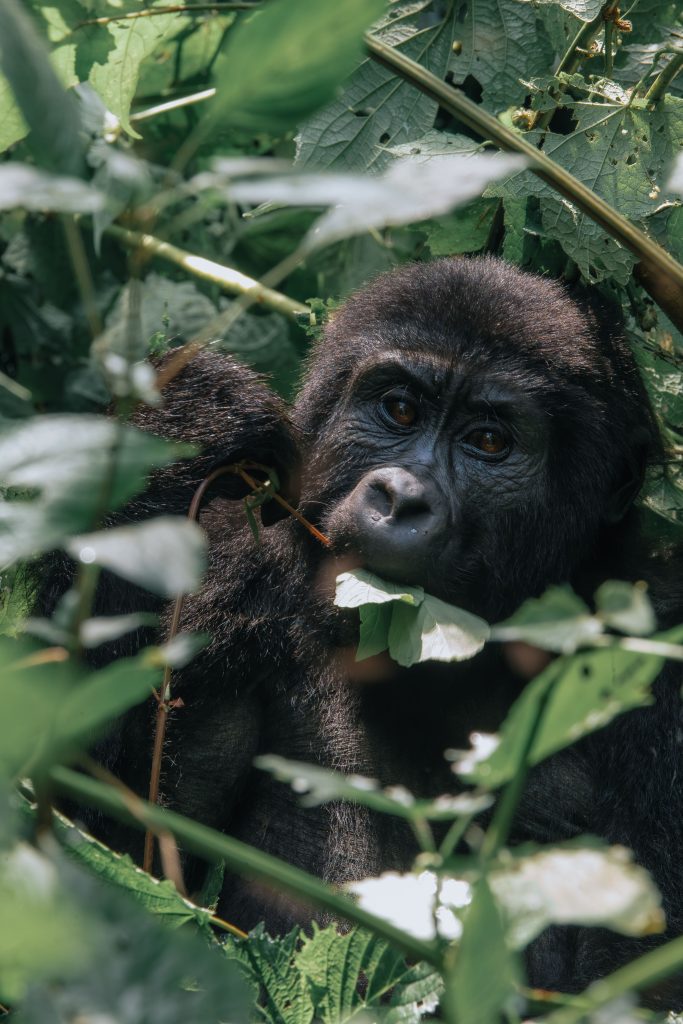
- Gorilla Trekking: In Bwindi, the forest is at its most vibrant. The gorillas often move to lower altitudes where the food is more abundant due to the rain, potentially shortening your trek.
- Chimpanzee Tracking: In Kibale, November is excellent. The fruiting trees bring the chimps lower into the canopy, offering high-fidelity views for observers.
- The Green Discount: Look for the $600 Promotional Permit (if available in the 2026 UWA cycle), which often targets these shoulder months.
Rwanda (Volcanoes National Park)
- The Aesthetic: The mist-covered volcanoes in November provide a Standard of Truth for the Gorillas in the Mist aesthetic.
- Logistics: With fewer tourists, you have a better chance of being assigned to a specific gorilla family that matches your physical fitness level.
-
The Avian Highway: Birding in November
If there is one sector where November is the undisputed Standard of Truth, it is Birding. This month marks the arrival of thousands of Palearctic migratory birds from Europe and Asia.
- Species to Watch: Look for the Eurasian Bee-eater, Steppe Eagles, and various species of Cuckoos and Kingfishers.
- Top Destinations: Lake Manyara (Tanzania) and Queen Elizabeth National Park (Uganda) are transformed into high-density avian corridors. The wetlands come alive with color and song, making it a National Geographic moment for every traveler.
-
Post-Safari Recovery: Zanzibar in November
After the Grit of the savannah and the forest, a beach deployment is the standard protocol.
- Weather: Temperatures in Zanzibar range between 25°C and 29°C. While it is the Short Rains, showers are usually restricted to early mornings or late evenings, leaving the days sunny and perfect for the Indian Ocean.
- Dolphin Tours: November is a prime month for eco-friendly dolphin spotting near Mnemba Atoll.
- Tactical Benefit: Resorts that are fully booked in December often have 30% vacancy in November, allowing for room upgrades and private beach dinners.
-
Practical Planning Tips for 2026
To ensure Mission Success during a November safari, observe the following logistical protocols:
- The Waterproof Layering: Pack a high-quality, breathable rain jacket (GORE-TEX or similar). The rains are warm, so you don’t need heavy insulation, but you do need to stay dry.
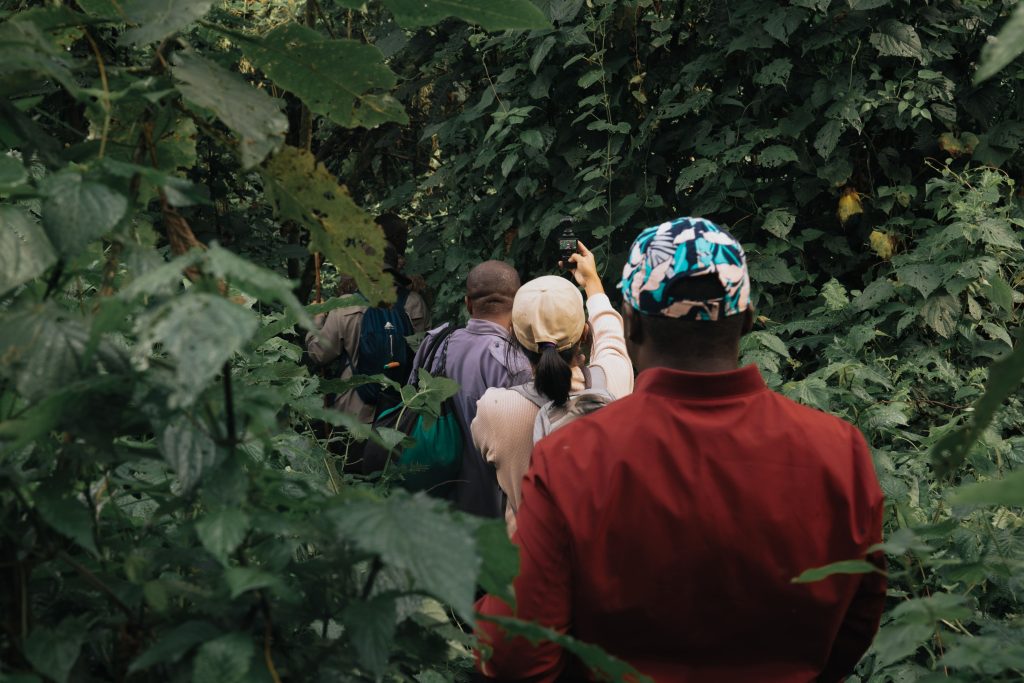
- Footwear: If trekking in Uganda or Rwanda, Knee-High Gaiters are non-negotiable for managing mud and safari ants.
- Photography Gear: Bring a Rain Cover for your camera and lenses. The dramatic lightning and dark clouds of November provide some of the best landscape shots of the year. Don’t let a drizzle stop the shutter.
- Health: The short rains can increase mosquito activity. Ensure your Malaria Prophylaxis is up to date and pack a high-DEET repellent.
- Flexibility: Road travel can be slower in some rural Ugandan or Tanzanian sectors. Consider a Fly-In Safari to save time and bypass muddy tracks.
The November Verdict
Planning your safari in November 2026 is a move for the Strategic Traveler. You trade the absolute dry of August for a lush, emerald world filled with new life, returning birds, and a sense of exclusivity that is impossible to find during the peak season.
Ready to launch your Green Season mission?
At Primate World Safaris, our architects specialize in Rain-Ready itineraries that maximize wildlife viewing and minimize logistical friction.
Would you like us to run a 2026 cost-comparison for a 10-Day Best of East Africa circuit for November vs. August?