
The $150-a-Day Safari: How to Experience Uganda and Kenya on a Budget

How to Experience Uganda and Kenya on a Budget

In the world of high-end travel, East Africa is often portrayed as a playground for the elite, with $1,500-a-night luxury lodges and private jet transfers. But for the savvy 2026 traveler, there is a different reality. The $150-a-day safari is not only possible; it is one of the most authentic ways to see the continent.

By leveraging shared group dynamics, choosing “strategic” park entries, and embracing the burgeoning self-drive and camping culture, you can witness the Great Migration and the primates of the Pearl of Africa without the “billionaire” budget.
The $150-a-Day Safari

1. The 2026 Budget Reality: Can You Actually Do It?

To hit the $150/day target, you have to be disciplined. In 2026, park fees alone in Kenya’s premium parks (like the Maasai Mara) can reach $100–$200 per day in peak season. To maintain your average, you must balance high-cost “event” days with low-cost “transit and local” days.


Daily Budget Breakdown (Averaged over 10 Days)

Expense Category

Cost (USD)

Strategy for 2026

Accommodation

$40 – $60

Participation camping or guesthouses outside park gates.

Food & Water

$15 – $25

Eating at local “dukas” and using filtered reusable bottles.

Transport

$35 – $50

Shared safari vans (6–8 pax) or public coach buses between hubs.

Park Fees & Permits

$40 – $60

Averaged by mixing National Parks with free community conservancies.

Total Daily

~$130 – $195

Target Average: $150


2. Kenya: The “Group Joiner” Strategy

Kenya is the king of the Shared Group Safari. From Nairobi, dozens of operators run “Join-in” tours to the Maasai Mara and Amboseli.

  • The 3-Day Mara Loop: In 2026, you can find a 3-day shared camping safari starting at $450 all-inclusive ($150/day). This covers your 4×4 transport, basic tented camp, meals, and park fees.
  • The “Outside the Gate” Hack: Stay in Talek or Miti Mingi. Lodges inside the reserve charge a premium; staying just 500 meters outside the gate can save you $100 per night while keeping you in the heart of the action.
  • Alternative Parks: Skip the Mara during the $200-peak-fee months and head to Tsavo West or Lake Nakuru. These parks offer “Big Five” sightings at a significantly lower entry price point.


3. Uganda: The “Self-Drive & Public” Hybrid

Uganda is generally more “budget-friendly” for independent travelers than Kenya. The 2026 infrastructure allows for a mix of public “Matatus” (minibuses) and targeted car rentals.

  • The Public Coach Route: Large coach buses run from Kampala to major hubs like Kasese (for Queen Elizabeth NP) or Fort Portal (for Kibale) for about $15 USD. From there, use “Boda Bodas” (motorcycle taxis) for the final leg to your lodge.
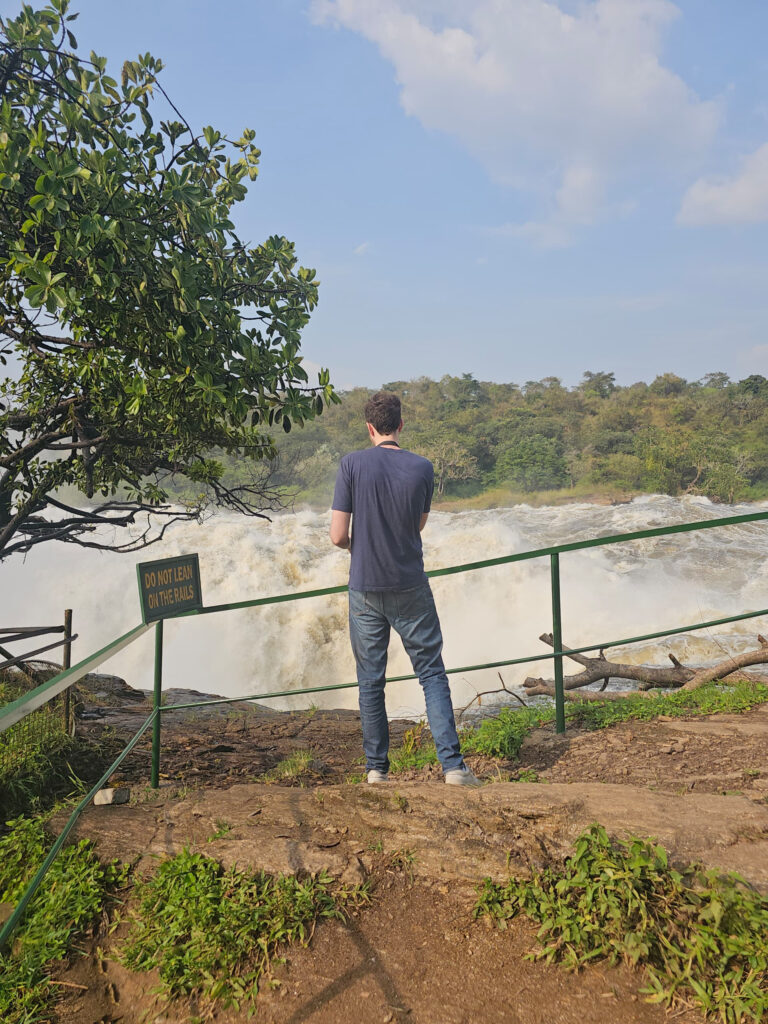
  • Camping in the Wild: Sites like Red Chilli Rest Camp in Murchison Falls or The Bush Lodge in Queen Elizabeth offer “Lazy Camping” (pre-set tents) for around $40/night.
  • The Gorilla Permit Workaround: A gorilla permit is $800. There is no way around this fixed cost. To stay on budget, you must treat this as a “stand-alone” expense and offset it by spending 4–5 days at Lake Bunyonyi, where you can stay for $20/night and enjoy free hiking and canoeing.


4. 2026 “Value” Destinations

If you want the most “bang for your buck,” prioritize these three locations where the $150/day budget actually feels like mid-range luxury:

  1. Lake Mburo National Park (Uganda): The only park where you can do a Walking Safari or Mountain Biking among zebras. Entrance fees are lower than the “Big Three,” and it’s close enough to Kampala to save on fuel.
  2. Hell’s Gate National Park (Kenya): No predators mean you can rent a bike for $10 and cycle past giraffes and buffalo. It is the ultimate budget “safari” experience.
  3. Ziwa Rhino Sanctuary (Uganda): For about $50, you can track rhinos on foot. It’s a high-impact wildlife encounter that costs a fraction of a full-day game drive.


5. Logistical Hacks to Save $500+

  • The East African Tourist Visa: Don’t buy separate visas. For $100, the EATV covers Kenya, Uganda, and Rwanda for 90 days.
  • Travel in the “Shoulder” Season: May and November are the “Wet Seasons.” While it rains, lodges often slash prices by 30–50%, and you’ll have the lions all to yourself.
  • The “Kigali-to-Bwindi” Shortcut: Instead of driving 9 hours from Entebbe to see gorillas, fly into Kigali (Rwanda) and drive 4 hours across the border to Uganda’s Bwindi. You save on fuel, time, and vehicle rental days.


6. The 2026 “Tech” Advantage

In 2026, the “Everyday” traveler uses technology to bypass expensive middlemen:
  • M-PESA / Mobile Money: Use local SIM cards to pay for everything. Many budget guesthouses give better rates for mobile money than for credit cards.
  • iOverlander App: The “Bible” for budget travelers. It lists every hidden campsite, cheap guesthouse, and reliable mechanic in East Africa with real-time 2026 reviews.
The $150-a-Day Safari

7. Conclusion: Adventure Over Amenities

The $150-a-day safari requires you to swap a thread count for a story. You will eat more Rolex (Ugandan egg wraps) and fewer five-course dinners. You will wake up to the sound of hippos outside your tent rather than the hum of an air conditioner. But in the end, the lions look the same from a $100 shared van as they do from a $1,000 private cruiser.


Are you ready to start your budget 2026 loop?

We have a “Backpacker’s Route Map” for 2026 that links Nairobi to Entebbe via the most affordable hostels and campsites.

Would you like us to send you an itinerary that shows you how to see the best of Uganda/ Kenya?

Contact Us

error: Content is protected !! Do not copy!!