
Physical Fitness Requirements for Bwindi Forest: A 2026 Preparation Guide
As we move into the 2026 trekking season, a common misconception remains: that you must be an elite athlete to see the mountain gorillas. In reality, the Bwindi Impenetrable Forest is a democratic landscape; it welcomes everyone from marathon runners to retirees, provided they have the right logistical strategy.
However, “Impenetrable” is not just a name; it is a description of the terrain. To ensure your safari is defined by awe rather than exhaustion, understanding the physical requirements and the “Support Ecosystem” is vital.
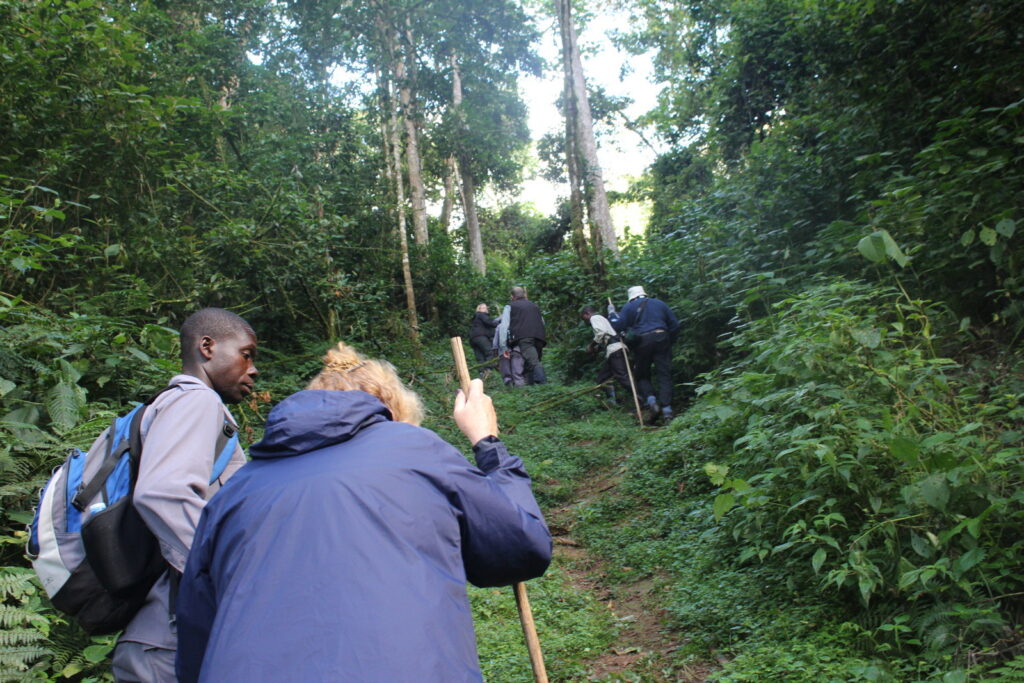
In 2026, we categorize the physical demands based on the specific primate activity you choose.
Activity | Endurance Level | Terrain Difficulty | Vertical Gain |
Standard Trek | Moderate | 2–6 Hours | 200m – 500m |
Habituation (CHEX) | High | 4–8 Hours | 400m – 800m |
Batwa Trail Walk | Low/Moderate | 1–3 Hours | Minimal |
Birding (Waterfalls) | Moderate | 3–5 Hours | Moderate |
The Ready Answer: Most travellers require a “Moderate” fitness level. This means being able to walk at a steady pace for 3 miles on uneven ground with occasional steep inclines.
One factor often overlooked in 2026 is Elevation. Bwindi sits between 1,160m and 2,607m (3,800 to 8,500 ft).
As discussed in our previous guides, Bwindi is divided into four sectors. Your fitness level should dictate which permit we secure for you.
Located in the north, Buhoma offers the most “level” trails. If you are concerned about your fitness, this is the sector for you. The forest is less vertical, and the gorilla families here often stay closer to the park boundaries.
Nkuringo offers the most breathtaking views of the Virunga Volcanoes, but it comes at a physical cost. You start at the top of a ridge and descend into the valley, meaning your “climb” happens at the end of the day when you are most tired.
These sectors offer a mix of ridge-walking and valley-diving. They are ideal for those who hike occasionally but aren’t looking for a mountaineering expedition.
| Sector / Park | Estimated Difficulty | Terrain Characteristics | Average Trek Time | Best For |
| Buhoma (North Bwindi) | Easy – Moderate | Low altitude (~1,500m), gentler slopes, well-maintained trails. | 2–4 Hours | Seniors, families, & first-timers. |
| Ruhija (East Bwindi) | Moderate | High altitude (~2,340m). Undulating ridges rather than steep valleys. | 3–5 Hours | Birders & those seeking quiet trails. |
| Rushaga (South Bwindi) | Moderate – Challenging | High density of gorillas, but steep, muddy ravines and thick undergrowth. | 3–6 Hours | Habituation Experience (4 hours). |
| Nkuringo (South Bwindi) | Very Challenging | Steepest vertical climbs. Requires descent into valleys and climb back out. | 4–7+ Hours | Fit hikers & adventure seekers. |
| Volcanoes (Rwanda) | Variable | Bamboo forests with open clearings; generally easier footing than Bwindi. | 2–5 Hours | Luxury travellers & those short on time. |
If you are planning your 2026 safari, we recommend a simple but effective training regimen starting 12 weeks before departure.
What if you aren’t “fit” by 2026 standards? You can still trek. We utilise three specific supports to bridge the gap:
As noted in our $1,500 Habituation Guide, the physical requirements for the 4-hour experience are double those of a standard trek.
Physical fitness isn’t just about the hike; it’s about the recovery. In 2026, luxury lodges in Bwindi have specialised in “Post-Primate Recovery.”
Your gear acts as a force-multiplier for your fitness.
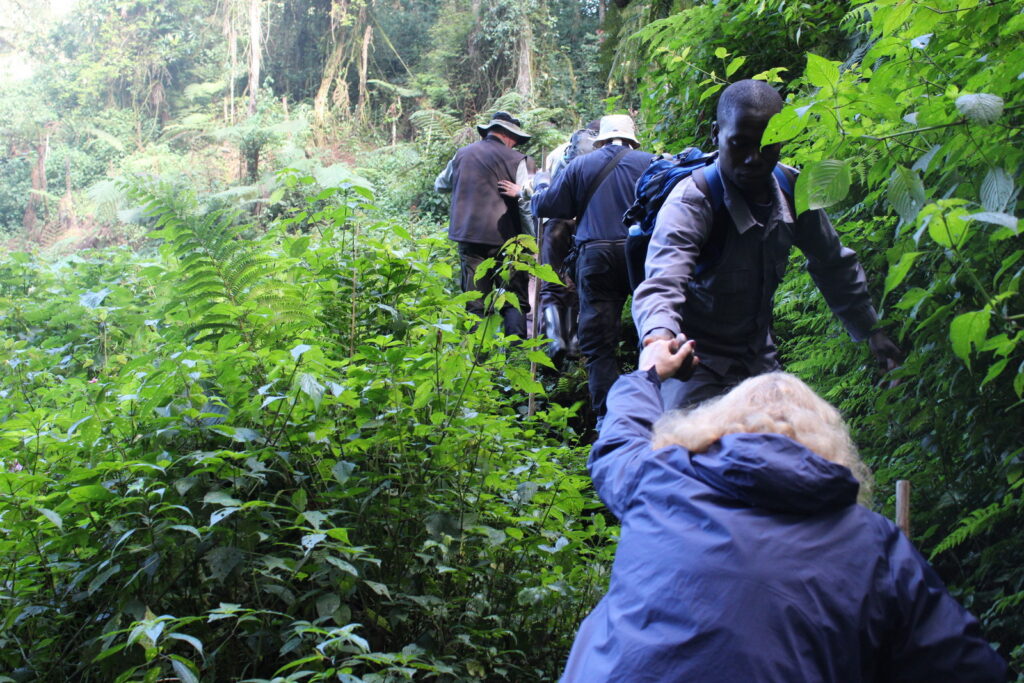
While a moderate level of fitness is the “safe” requirement, the most important muscle in Bwindi is your mindset. The forest is humid, the mud is real, and the slopes are steep, but the moment you see the first tuft of black fur, the fatigue vanishes.
Are you unsure of which sector fits your current fitness level? At Primate World Safaris, we conduct a “Pre-Safari Fitness Interview” to match you with the right sector and the right gorilla family.
Would you like us to send you our recommendations or a list of lodges that offer the best on-site physiotherapy and massage?