
Is 2026 the Year for a Family Safari? Age Limits and Child-Friendly Activities in East Africa

Age Limits and Child-Friendly Activities in East Africa

For decades, the African safari was seen as the “final frontier” for travelers, an experience reserved for retirees or honeymooners. However, as we move into the 2026 travel season, a seismic shift has occurred. High-end families are no longer waiting for the “perfect age”; they are seeking out “The Great Classroom” of East Africa to give their children a global perspective that no textbook can replicate.

But planning a family expedition to Uganda, Kenya, or Rwanda is not as simple as booking a beach resort. It requires navigating strict age limits, managing regional logistics, and selecting activities that keep a seven-year-old as engaged as a seventy-year-old.
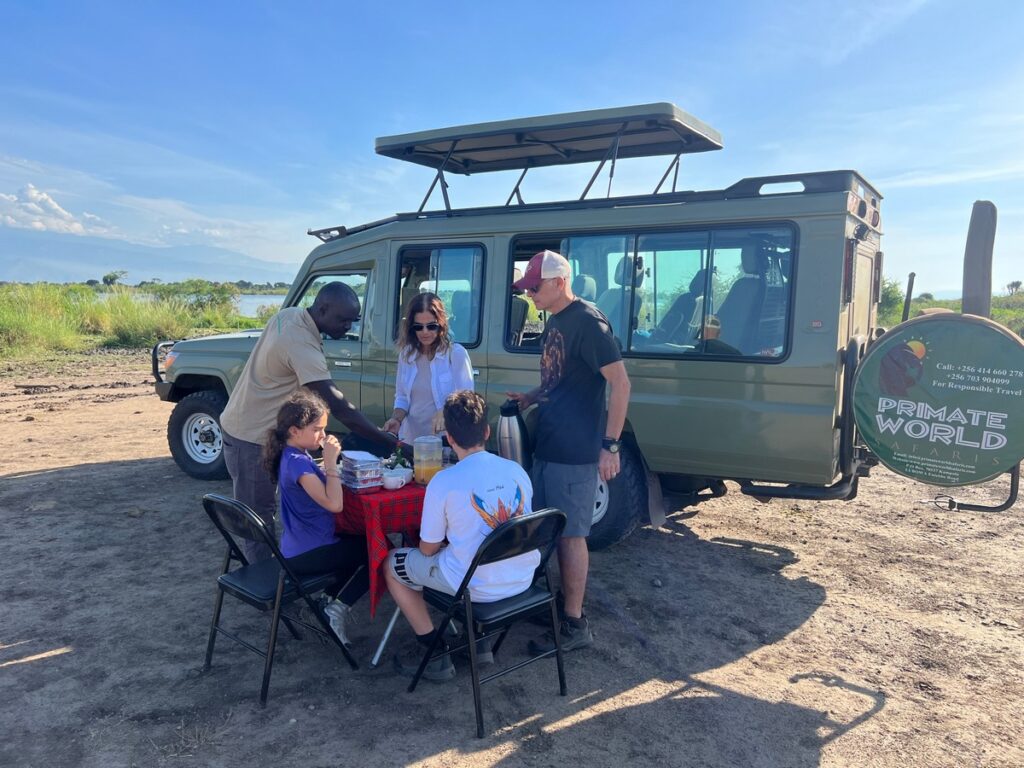
Is 2026 the Year for a Family Safari

1. The Big Question: What is the “Perfect Age” for a Safari?

In 2026, the consensus among luxury travel experts is that ages 8 to 12 (the “Tween” years) are the “Golden Window” for a first safari. At this age, children are old enough to follow safety protocols and handle 4-hour game drives, yet young enough to be completely captivated by the “magic” of the bush.

The Developmental Breakdown:

  • Ages 0–5 (The Explorer Phase): Possible, but logistically heavy. Focus on fenced lodges and private villas. Activities are largely camp-based (butterfly catching and crafts).
  • Ages 6–10 (The Junior Ranger Phase): Ideal for classic savannah safaris in the Masai Mara or Serengeti. Children can actively participate in tracking and bird identification.
  • Ages 15+ (The Adventure Phase): The threshold for primate trekking. At 15, the entire “East African Menu,” including gorillas and chimpanzees, becomes available.


2. Understanding 2026 Age Limits: The Non-Negotiables

“Can my 12-year-old go gorilla trekking?” To avoid heartbreak at the park gates, parents must understand the rigid legal frameworks of the Uganda Wildlife Authority (UWA) and the Rwanda Development Board (RDB).

Primate Trekking (Gorillas & Chimps)

  • The Limit: Strictly 15 years and older.
  • The Reason: Mountain gorillas share 98% of human DNA but lack our immunity to common childhood illnesses like mumps or chickenpox. Furthermore, the discipline required to remain silent and still when a 400-pound Silverback approaches is rarely found in younger children.
  • The 2026 Exception (Uganda Only): In very specific cases, Uganda may grant “special permission” for 13 or 14-year-olds who show exceptional physical maturity and are accompanied by parents who sign an indemnity waiver. However, this is never guaranteed and must be cleared months in advance.

Walking Safaris & Ballooning

  • Bush Walks: Generally 12 to 14 years+. Walking in areas with predators requires a level of height and “predator-prey” psychology that younger children haven’t developed.
  • Hot Air Balloons: Usually 7 years+. Children must be tall enough to see over the basket edge (typically 1.2 meters) and able to stand for the duration of the flight.


3. Child-Friendly Activities: Beyond the Game Drive

In 2026, “Safari Boredom” is a relic of the past. Top-tier lodges have replaced “passive sitting” with Junior Ranger Programs.

Tracking and “Poo-Alogy”

Led by local Maasai or Samburu guides, children learn to identify “who passed here” by studying tracks and droppings. It is a high-stakes game of hide-and-seek that teaches biology and forensics in a way that feels like play.

The “Little Five” Hunt

While parents are focused on the Big Five (Lion, Leopard, etc.), children are challenged to find the Little Five:

  1. Ant Lion
  2. Leopard Tortoise
  3. Elephant Shrew
  4. Rhino Beetle
  5. Buffalo Weaver

This shifts the focus from “waiting for a lion” to “exploring the micro-world,” which is much better suited to shorter attention spans.

Cultural Immersion: The Tribal Exchange

In 2026, cultural visits have evolved from “tours” to “exchanges.” Your children might spend an afternoon with a local community learning to throw a (blunt) spear, making traditional beadwork, or participating in a forest-reforestation project. This “Regenerative Travel” aspect is the highest-rated family activity for 2026.


4. 2026’s Top Family-Friendly Destinations

To maximize your 2026 family safari, you need a mix of high animal density and low “drive-time” fatigue.

Destination

Best For

Top Kid-Friendly Feature

Masai Mara (Kenya)

Classic Big Five

Junior Ranger Academies & Ballooning.

Murchison Falls (Uganda)

Boat-Based Safari

Seeing hippos from a safe, shaded boat (no walking).

Akagera (Rwanda)

Easy Logistics

Fenced lodges and paved roads for smooth travel.

Laikipia (Kenya)

Private Conservancies

Camel trekking and “Fly-Camping” for teens.


5. Logistical Mastery: The “Parents’ Secret” to 2026

In 2026, the difference between a “good” and “great” family safari lies in two words: Private Vehicle.

Why a Private Vehicle is Non-Negotiable

When you share a vehicle with other guests, you are beholden to their schedule. If your toddler has a meltdown or your 8-year-old is “bored with lions,” you cannot leave. A private vehicle with Primate World Safaris allows you to:

  • Dictate the Pace: Head back for a pool dip at 10:00 AM if the kids are restless.
  • Stop for the “Boring” Stuff: If your child loves a specific dung beetle, you can stay for 20 minutes without offending other photographers.
  • Snack Freedom: Safari vehicles are equipped with fridges, essential for the “hangry” moments that can derail a morning drive.


6. Safety and Health in 2026

The most common “Search Intent” for parents is Malaria.

  • The 2026 Advice: Many luxury lodges in Laikipia (Kenya) and parts of Rwanda are located in high-altitude, malaria-free zones.
  • The “Bubble” Safari: For 2026, we see a trend in “Bubble Safaris” where families stay in exclusive-use villas (like Mkombe’s House in the Serengeti or The Enasoit Villa in Laikipia). This provides a controlled environment with private chefs and nannies.


7. The “Teenage Gorilla” Solution: What if the Kids are Under 15?

If you are a parent dreaming of gorillas but your children are 10 and 12, don’t cancel the trip. In 2026, we offer the “Staggered Safari.”
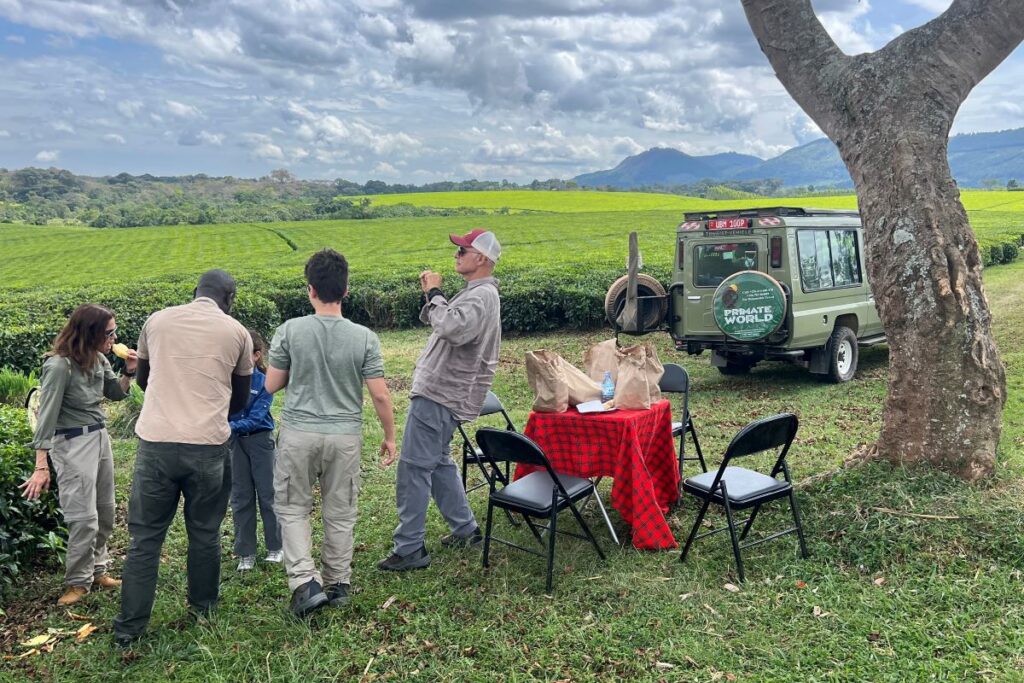
  • While the parents go for a 4-hour Gorilla Habituation, the children stay at the lodge with a professional “Bush Sitter.”
  • These aren’t just babysitters; they are trained educators who take the kids on forest-edge nature walks, teach them to cook local matooke, and visit the local “Gorilla Doctors” clinic to learn about conservation.
  • The family reunites for dinner to share stories, the parents of the Silverback, and the kids of the chameleon they found on a leaf.
Is 2026 the Year for a Family Safari

8. Conclusion: The Legacy of the Bush

A family safari in 2026 is an investment in your children’s “Emotional IQ.” Watching a pride of lions together or learning the history of the Great Rift Valley from a local guide creates a shared family history that lasts longer than any digital gadget.

While the age limits for gorillas are strict, the rest of East Africa is a wide-open playground. Whether it’s your first game drive or a multi-generational reunion, 2026 is the year to bring the family to the wild.


Ready to plan your 2026 Family Odyssey?

Primate World Safaris specializes in multi-generational itineraries that balance adult adventure with child-centric fun.

Contact Us

error: Content is protected !! Do not copy!!