In the high-octane world of African travel, Rwanda is often branded as the Switzerland of Africa, a place of pristine streets, high-end helicopters, and the legendary $1,500 gorilla permit. For many, the assumption is that a Rwandan safari is reserved strictly for the ultra-wealthy.
However, at Primate World Safaris, we’ve spent years deconstructing the luxury-only myth. In 2026, with strategic planning, a deep understanding of the Rwanda Development Board (RDB) discount tiers, and a pivot toward Slow Travel, you can experience the pinnacle of the Land of a Thousand Hills for under $3,000 per person.
This isn’t about cutting corners; it’s about Safari Arbitrage, spending your money where it impacts your experience most and saving it where it doesn’t. Here is your definitive guide to a $3,000 Rwandan masterpiece.
To stay under the $3,000 ceiling, you need a disciplined allocation. In 2026, the cost of a 7-day high-impact itinerary typically breaks down as follows:
| Expense Category | Estimated Cost (USD) | Strategy for 2026 |
| Gorilla Permit | $1,050 | The Low Season 30% discount is the key. |
| Accommodation (6 Nights) | $900 | Mix of boutique guesthouses and eco-lodges ($150/night). |
| Transport (Private 4×4) | $600 | Shared with a partner (Total $1,200/vehicle). |
| Meals & Local Food | $250 | Eating at local Melange buffets and lodge-inclusive meals. |
| Additional Activities | $200 | Golden Monkeys and Kigali Genocide Memorial. |
| Total | $3,000 | Target Met. |
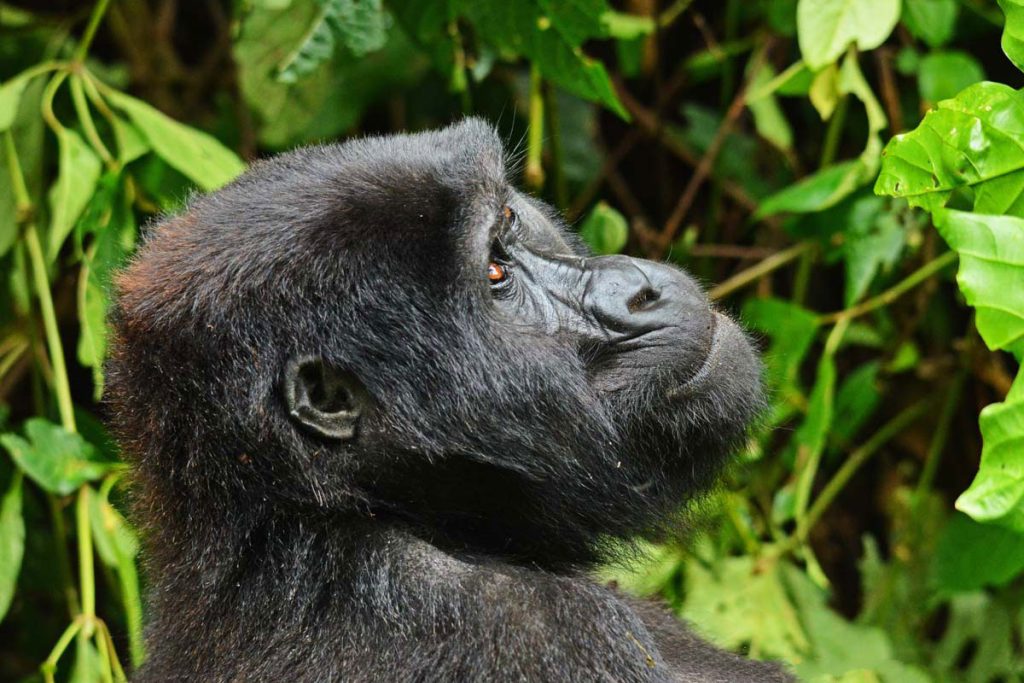
The single biggest obstacle to a budget Rwanda trip is the $1,500 permit. However, the 2026 RDB policy offers a 30% discount ($1,050 total) during the low season months (November to May).
To qualify for the $1,050 rate, you must spend at least two nights in either Akagera National Park or Nyungwe National Park (or one night in each).
In 2026, Rwanda has seen a surge in Tier 3 value lodges, places that offer clean, authentic, and safe environments without the $1,000-a-night price tag of the international brands.
Ground transport is often the silent budget killer. A private 4×4 with a driver-guide usually costs around $200 per day in 2026.
If you are traveling from within Africa in 2026, your path to a sub-$3,000 trip is even easier thanks to regional visa and permit policies.
Not at all. Rainy in Rwanda usually means a heavy downpour for an hour, followed by beautiful sunshine. The gorillas don’t care about the rain; in fact, they often move to lower elevations during the wet season to eat bamboo shoots, making your trek shorter and easier.
Yes, Rwanda’s public bus system is the best in East Africa. You can take a bus from Kigali to Musanze (near the gorillas) for about $5. However, you will still need a 4×4 to reach the actual park headquarters on the morning of your trek.
If you plan to cross into Uganda or Kenya, buy the $100 EATV. If you are only staying in Rwanda, most nationalities pay $50 for a 30-day visa (or get it for free if you are from the Commonwealth, AU, or La Francophonie).
If you eat at luxury lodges, yes ($40+ per meal). If you eat at local Melange restaurants in Kigali or Musanze, you can get a massive, delicious buffet of plantains, beans, rice, and beef for $5 to $10.
At Primate World Safaris, we believe that the soul of Rwanda shouldn’t be gated behind a $10,000 price tag. By leveraging the November–May discount and selecting high-character, local-owned lodges, you can witness the majesty of the mountain gorillas and still have change from $3,000.
Would you like us to draft a 7-day Budget Master itinerary that specifically uses the $1,050 permit discount and the best local lodges for your 2026 dates?