
Chimpanzee Tracking in Kibale Forest: The 2026 Definitive Primate Guide

The 2026 Definitive Primate Guide

In 2026, Kibale National Park has solidified its reputation as the “Primate Capital of the World.” While gorilla trekking often takes the spotlight, chimpanzee tracking in Kibale offers a high-octane, vocal, and physically dynamic experience that is entirely unique.

As we continue our 2026 series for Primate World Safaris, this guide focuses on the nuances of Kibale’s rainforest, the latest permit structures, and the tactical choices between standard tracking and the full-day habituation experience.
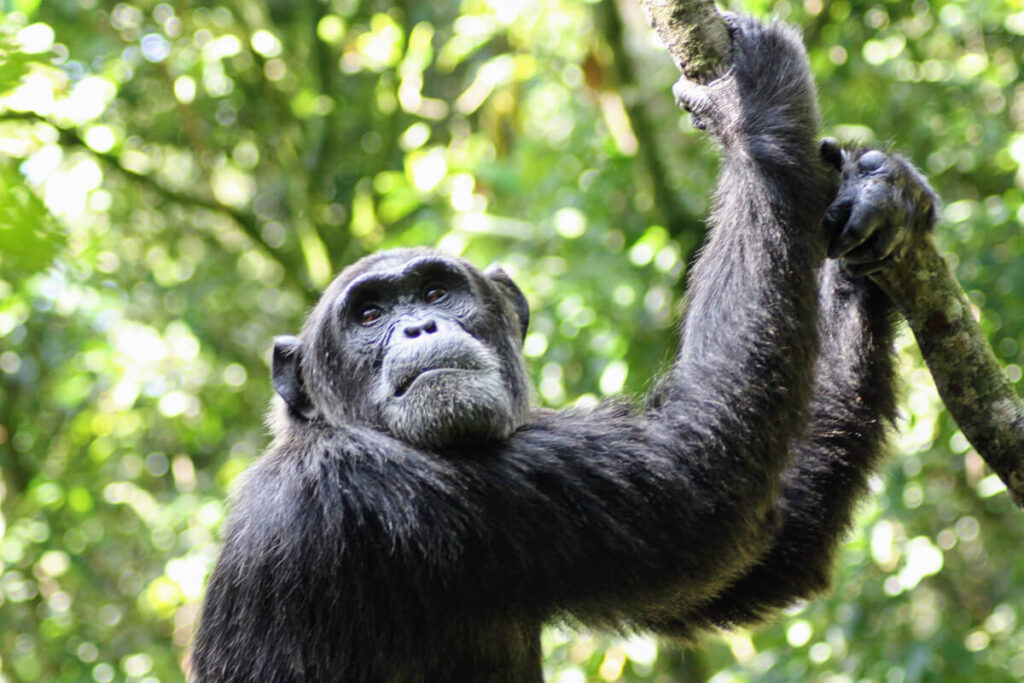
Chimpanzee Tracking in Kibale

1. The Kibale Difference: A Multi-Primate Symphony

Kibale is not just about chimpanzees. It is one of the most biodiverse ecosystems in Africa, housing 13 different primate species.

  • The Canopy Layers: On a 2026 trek, your eyes will spend as much time in the upper canopy as on the forest floor. You are likely to spot Red Colobus, L’Hoest’s Monkeys, and the Grey-cheeked Mangabey before you even hear your first chimp “pant-hoot.”
  • The Atmosphere: Unlike the quiet, brooding stillness of a gorilla encounter, a chimpanzee trek is loud. The forest vibrates with territorial drumming on buttress roots and the haunting screams of a community in motion.


2. 2026 Tracking Options: Standard vs. Habituation

In 2026, the Uganda Wildlife Authority (UWA) will offer three daily shifts for standard tracking and a limited number of spots for the Chimpanzee Habituation Experience (CHEX).

Feature

Standard Chimp Tracking

Chimpanzee Habituation (CHEX)

Time with Chimps

1 Hour

4 to 6 Hours

Daily Shifts

8:00 AM, 11:00 AM, 2:00 PM

6:30 AM (One shift)

Max Group Size

6 People

4 People

Experience Goal

Focused sighting/photography

Behavioral study/Immersion

2026 Permit Cost

$250 USD

$300 USD

2026 Pro-Tip: The 11:00 AM “Mid-Morning” shift has become a favorite for photographers. By this time, the forest floor is dappled with sunlight, and chimps often descend from the high canopy to rest and socialise at eye level.


3. Age Limits & Family Planning (2026 Updates)

One of the most frequent questions we receive at Primate World Safaris concerns age. In 2026, the rules are strictly enforced at the Kanyanchu Visitor Centre.

  • Minimum Age: The official age limit for chimpanzee tracking in Kibale is 15 years old.
  • The “Junior Ranger” Alternative: If you are traveling with children under 12, Kibale now offers a “Bushcraft” program. While adults are in the forest, children are guided by specialized rangers to find “hidden” forest treasures, learn to identify bird calls, and participate in photography workshops.
  • Why the Limit? Chimpanzees are highly susceptible to human respiratory illnesses. Furthermore, their speed and occasional aggression mean that participants must be capable of following sharp, rapid instructions from the rangers.


4. Physicality: The “High-Speed” Safari

While we detailed Fitness Requirements for gorillas, chimpanzee tracking requires a different kind of stamina.

  • The Terrain: Kibale is relatively flat compared to the vertical ridges of Bwindi, but the pace is faster. Chimpanzees can move at speeds of 25 mph (40 km/h) through the undergrowth.
  • The “Bushwhack”: You will often find yourself scrambling over fallen Mahogany trees and through dense ferns.
  • The Grounding: In the dry season (June–August), the floor is carpeted in leaves. In the “Green Season” (March–May), expect slippery mud. Waterproof gaiters are a mandatory 2026 gear item to prevent safari ants from entering your boots.


5. Where to Stay: 2026 Luxury & Eco-Lodges

Kibale’s lodging scene has seen a massive upgrade for the 2026 season, focusing on “Sustainable Opulence.”

Lodge Name

Best For…

2026 Highlight

Chimpundu Lodge

Luxury & Spa

Private bathtubs overlooking the forest canopy.

Kyaninga Lodge

Architecture & Views

Perched on a volcanic crater lake with Rwenzori views.

Primate Lodge

Proximity

Located inside the park, you can walk to the briefing.

Turaco Treetops

Families/Teens

Interconnecting rooms and a pool for post-trek cooling.


6. The 2026 Logistics: How to Get There

The “Fly-In” model we discussed for Bwindi also applies here.

  • The Kasese Connection: Some 2026 travelers fly from Entebbe to the Kasese Airstrip. From there, it is a scenic 1.5-hour drive past the “Mountains of the Moon” (the Rwenzoris) to Kibale.
  • The Queen Elizabeth Loop: Because Kibale is only 2 hours from Queen Elizabeth National Park, the standard 2026 itinerary combines Morning Chimp Tracking with an Afternoon Boat Safari on the Kazinga Channel.


7. Photography in the “Green Cathedral.”

Photography in Kibale is notoriously difficult due to the low light under the dense canopy.

  1. ISO Management: You will likely need to shoot at ISO 1600–3200 to maintain a shutter speed fast enough to freeze a moving chimp.
  2. Focus Tracking: 2026 mirrorless cameras with “Animal Eye-AF” (Auto Focus) are game-changers here, as they can lock onto a chimp’s eyes even behind thin vines.
  3. No Flash: As per UWA regulations, flash is strictly prohibited.
Chimpanzee Tracking in Kibale

Conclusion: The Heartbeat of the Forest

Chimpanzee tracking in Kibale is a raw, visceral experience. It is the perfect counterbalance to the quiet dignity of a gorilla trek. In 2026, with improved permit systems and world-class luxury lodges like Chimpundu, Kibale has become an essential pillar of any East African safari.

Ready to join the community?

At Primate World Safaris, we recommend booking your 2026 Kibale permits at least 6 months in advance, particularly if you want the exclusive 4-person Habituation Experience.

Would you like us to check the 2026 permit calendar for a “Primate Double” (Gorillas and Chimps) for your preferred dates?

Contact Us

error: Content is protected !! Do not copy!!