
The Coffee & Tea Trail: A Foodie’s Guide to the Highlands of Kenya and Uganda

The Coffee & Tea Trail: A Foodie’s Guide to the Highlands of Kenya and Uganda

In the high-altitude misty ridges of East Africa, a new kind of safari is brewing. While the Big Five continue to draw crowds to the savannahs, the 2026 travel season is seeing a massive surge in Agro-Tourism. For the modern foodie, the volcanic soils of the Kenyan and Ugandan highlands offer a journey into the Origin of the world’s most beloved beverages.

From the legendary Arabica of Mount Elgon to the vast emerald carpets of Kericho tea, this is your definitive guide to the 2026 Coffee & Tea Trail.
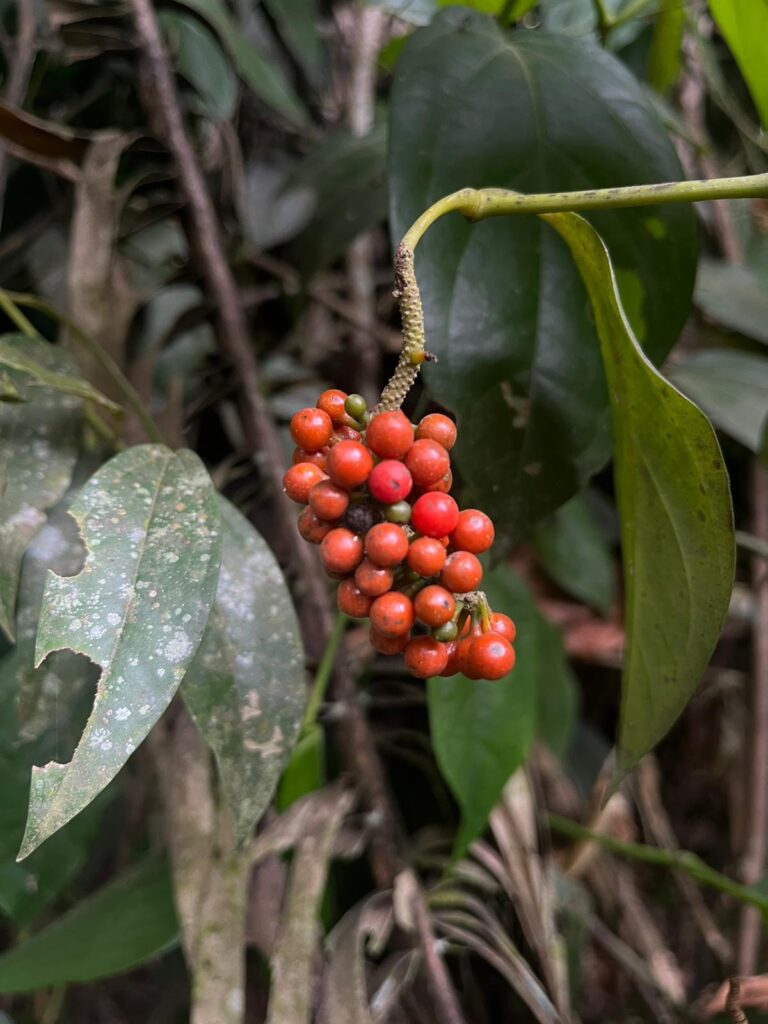
The Coffee & Tea Trail

1. The Highland Terroir: Why Geography Matters

East Africa’s unique topography, defined by the Great Rift Valley and dormant volcanic peaks, creates the perfect Goldilocks conditions for speciality crops.

Region

Primary Crop

Altitude (ASL)

Flavor Profile

Central Kenya (Nyeri/Kiambu)

SL-28 Arabica Coffee

1,500m – 2,100m

Bright acidity, blackcurrant, winey.

Western Kenya (Kericho)

Black & Purple Tea

2,000m – 2,200m

Bold, brisk, malty.

Mount Elgon (Uganda)

Bugisu Arabica

1,600m – 1,900m

Chocolatey, rich, low acidity.

Western Uganda (Fort Portal)

High-Altitude Tea

1,500m – 1,800m

Smooth, floral, earthy.


2. Kenya: The Black Gold and Purple Tea Revolution

Kenya is the undisputed heavyweight of speciality coffee. In 2026, the trend has moved beyond simple tours into Cupping & Craft workshops.

The Coffee Legend: Fairview Estate (Kiambu)

Just a short drive from Nairobi, the Fairview Estate offers a Farm-to-Cup masterclass.

  • The Experience: You aren’t just a spectator. You walk through the 100-year-old trees, learn the Wet Processing method, and enter the Liquoring Room.
  • 2026 Highlight: The estate has introduced Roast-Your-Own sessions, where you can take home a bag you personally monitored through the Maillard reaction.

The Tea Pioneer: Kiambethu (Limuru)

Tucked away in the cool Tigoni hills, Kiambethu is one of Kenya’s oldest tea farms.

  • The Experience: The legendary lunch on the veranda is still the star. However, in 2026, the focus has shifted to Purple Tea, a Kenyan-exclusive variety packed with anthocyanins (the same antioxidants found in blueberries).
  • The Nature Walk: The trail includes a trek through an indigenous forest where you can spot Colobus monkeys between the rows of tea bushes.


3. Uganda: The Hidden Gem of the Rwenzoris and Elgon

Uganda is often called the Pearl of Africa for its wildlife, but for a foodie, it is the land of Organic Micro-lots.

The Elgon Circuit: Sipi Falls Coffee

The slopes of Mount Elgon produce the famous Bugisu Arabica.

  • The Experience: This is community tourism at its best. Local cooperatives lead you through smallholder gardens. You’ll try the Traditional Mortar method, grinding beans by hand in a wooden mortar and pestle before roasting them over an open flame.
  • The Pairing: Nothing beats a cup of freshly brewed Bugisu coffee while looking at the 100-meter drop of Sipi Falls.

The Tea Horizon: Fort Portal & Kibale

As you move toward the gorilla forests, the landscape turns into a manicured green sea.

  • The Setup: Many luxury lodges (like Kyaninga Lodge) are situated directly on tea estates.
  • The 2026 Trend: Tea Plucking Competitions. Guests join local pickers (who can pluck up to 50kg a day) to learn the precise two leaves and a bud technique.


4. The 2026 Agro-Safari Itinerary (7 Days)

If you want to link these experiences, this is the most efficient foodie loop:

  • Day 1-2: Nairobi/Kiambu (Kenya) – Morning coffee tasting at Fairview; Afternoon high tea at Kiambethu.
  • Day 3: Kericho (Kenya) – Overnight at a historic tea plantation house; explore the world’s largest continuous tea landscape.
  • Day 4: Kisumu → Mbale (Border Crossing) – Cross from Kenya into Eastern Uganda.
  • Day 5: Mount Elgon (Uganda) – Sipi Falls coffee hike and traditional roasting workshop.
  • Day 6: Fort Portal (Uganda) – Visit the industrial tea factories and enjoy a Tea & Chimpanzee combo in Kibale.
  • Day 7: Kampala/Entebbe – Farewell cupping at an urban speciality cafe (e.g., Endiro Coffee).


5. Frequently Asked Questions (FAQ)

When is the best time for a Coffee & Tea Tour?

For coffee, the Harvest Seasons are best for seeing the action:

  • Kenya: October – December (Main crop) and June – August (Fly crop).
  • Uganda: March – June and September – December.

Tea is harvested year-round, so any month is great for the green carpet views!

Can I buy beans directly from the farmers?

Yes, and in 2026, it is encouraged. Buying at origin ensures more money stays with the cooperatives. Most estates accept M-Pesa (Kenya) or Airtel/MTN Money (Uganda), so keep your mobile wallet topped up.

How physically demanding are these trails?

The coffee tours on Mount Elgon involve some steep hiking (moderate fitness required). The tea tours in Limuru and Kericho are generally gentle walks through rolling hills.

Do I need to book in advance?

For popular spots like Kiambethu or Fairview, at least 48 hours’ notice is required as they prepare fresh, farm-to-table lunches for guests.
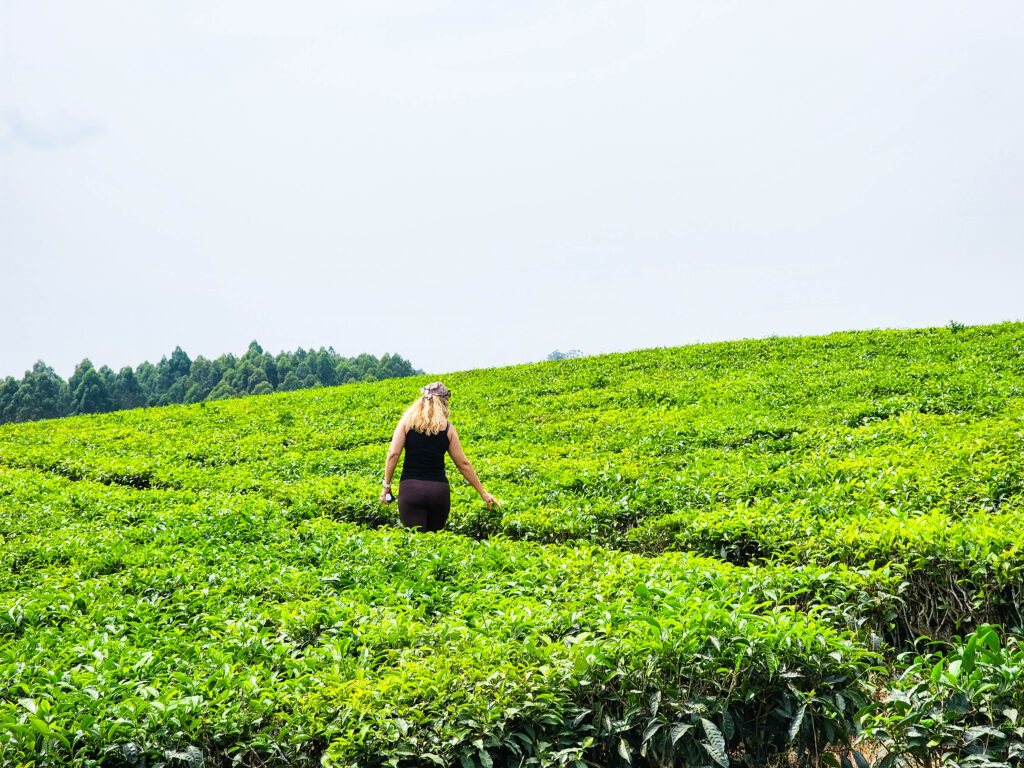
The Coffee & Tea Trail

6. Conclusion: The Soul of a Sip

In 2026, the luxury of travel is no longer just about the lodge; it’s about the story. The Coffee & Tea Trail connects you to the hands that harvest and the soil that sustains. It is a slow, sensory, and deeply rewarding alternative to the high-octane game drive.


Ready to start your highland journey?

At Primate World Safaris, we can integrate a Barista-Level coffee tour into your Bwindi gorilla itinerary.

Contact Us

error: Content is protected !! Do not copy!!