
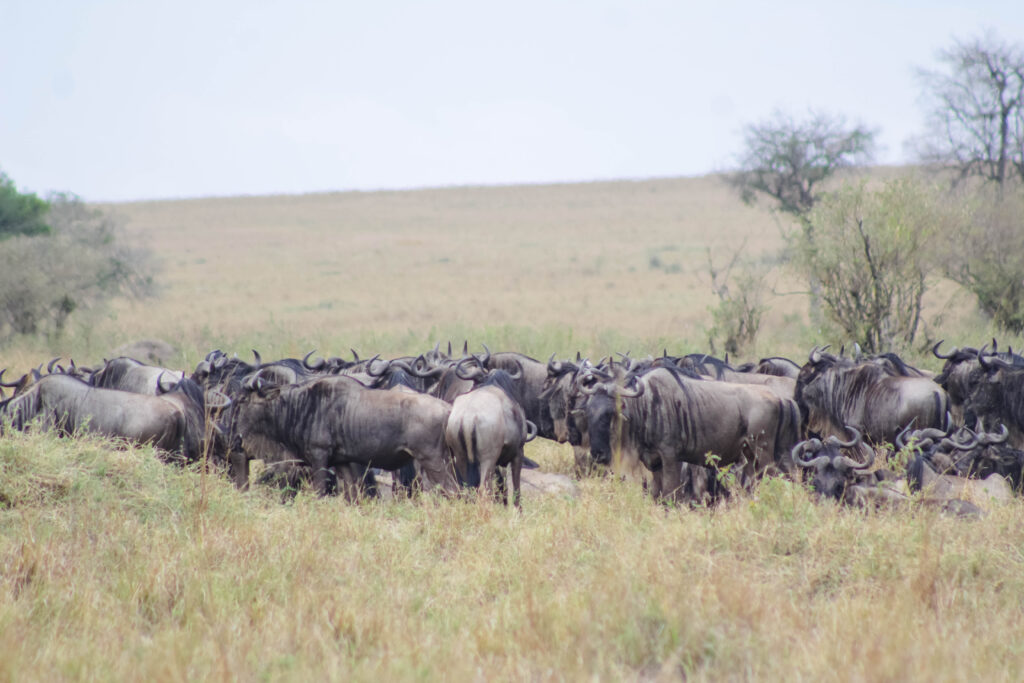
In the lexicon of African travel, the “Great Migration” is often used as a catch-all term for the movement of 1.5 million wildebeest across East Africa. However, for the discerning 2026 traveler, the distinction between the Kenyan and Tanzanian experience is vital. While the Masai Mara offers a dramatic “snapshot” of the crossing, Tanzania’s Serengeti National Park provides the full cinematic epic.
Spanning nearly 15,000 square kilometers, nearly ten times the size of the Masai Mara, the Serengeti is not just a park; it is a self-sustaining ecosystem. In 2026, as travelers seek more exclusive, less-crowded encounters, Tanzania stands alone as the world’s premier wildlife theater.
1. The 2026 Migration Calendar: A Year-Round Spectacle
The most significant misconception in safari planning is that the migration is a “summer event.” In reality, the 2026 migration is a continuous, circular journey. Because Tanzania hosts over 80% of the migration’s annual route, it offers world-class viewing regardless of your travel month.
Month | Migration Location | Key Highlight |
January – March | Southern Serengeti (Ndutu) | Calving Season: 8,000 calves born daily; high predator action. |
April – May | Central & Western Serengeti | The Green Season: Massive columns move through lush landscapes. |
June – July | Western Corridor (Grumeti) | Grumeti River Crossings: Nile crocodiles and “The First Drama.” |
August – October | Northern Serengeti (Mara River) | The Great Crossings: Iconic, life-and-death river hurdles. |
November – December | Eastern & Central Serengeti | The Return: Fast-moving herds heading south for the rains. |
When comparing Tanzania to other safari destinations in 2026, several factors elevate the Serengeti to a “Tier 1” status.
In 2026, “Luxury” is defined by the absence of other people. The Masai Mara’s small size often leads to “vehicle clusters” around a single lion. In the Serengeti, the vastness allows for a Private Safari Experience. Even during the peak river crossing season in the North (Lamai Triangle), the sheer number of crossing points (1 to 11) means you can watch the drama without a dozen other Land Cruisers in your frame.
Tanzania is the only place to witness the Southern Serengeti Calving. In February 2026, the short-grass plains of Ndutu became a nursery. This isn’t just about cute calves; it is the most intense period for big cat sightings. Cheetahs, lions, and hyenas take advantage of the vulnerable newborns, providing raw, unfiltered nature that you simply cannot find in Kenya during this time.
Historically, the “Long Rains” were avoided. However, the 2026 trend is shifting toward the Green Season Safari.
To experience the migration effectively in 2026, we utilize the “Airstrip-to-Lodge” model.
Tanzania has mastered the “Mobile Camp” and the “Permanent Manor.” For 2026, we recommend a “Split-Stay” strategy.
Camps like Olakira Migration Camp or &Beyond Serengeti Under Canvas move twice a year. In 2026, these are the “Gold Standard.” They are positioned within earshot of the grunting herds, providing a 24-hour immersion in the migration.
6. The “Mara River Crossing” Reality Check
While the river crossings (August–September) are the most famous, they are also the most unpredictable.
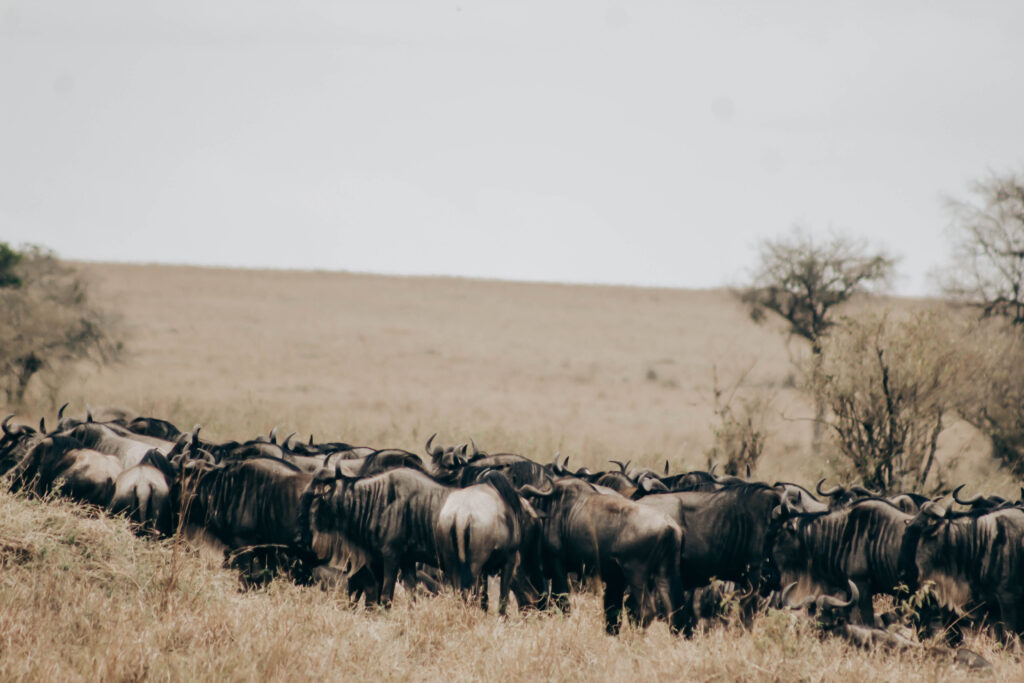
While other destinations offer glimpses of Africa’s majesty, the Serengeti is the anchor. In 2026, the migration remains the world’s greatest wildlife spectacle, and Tanzania remains its only true home. Whether you are watching a newborn calf take its first steps in the South or witnessing the thundering river crossings in the North, the Serengeti offers a scale of life that is fundamentally humbling.
At Primate World Safaris, we don’t just book a lodge; we track the rain. We know exactly where the 1.5 million will be on your specific travel dates.
Would you like us to check the 2026 permit and lodge availability for the North (River Crossings) or the South (Calving Season) for your family?