
In 2026, Rwanda successfully shed its reputation as strictly a high-end only destination. While the $1,500 gorilla permits in Volcanoes National Park grab the headlines, a parallel world of raw adventure and affordable exploration has emerged along the country’s western frontier.
For the budget-conscious traveler, the Congo Nile Trail (CNT) and the emerald waters of Lake Kivu offer the ultimate Slow Safari. Stretching 227 kilometers from Rubavu in the north to Rusizi in the south, this trail isn’t just a path; it’s a window into the soul of rural Rwanda. At Primate World Safaris, we believe that some of the most profound African experiences don’t require a five-star price tag; for A Backpacker’s Guide to the Congo Nile Trail and Lake Kivu, they just require a sturdy pair of boots and a curious spirit.
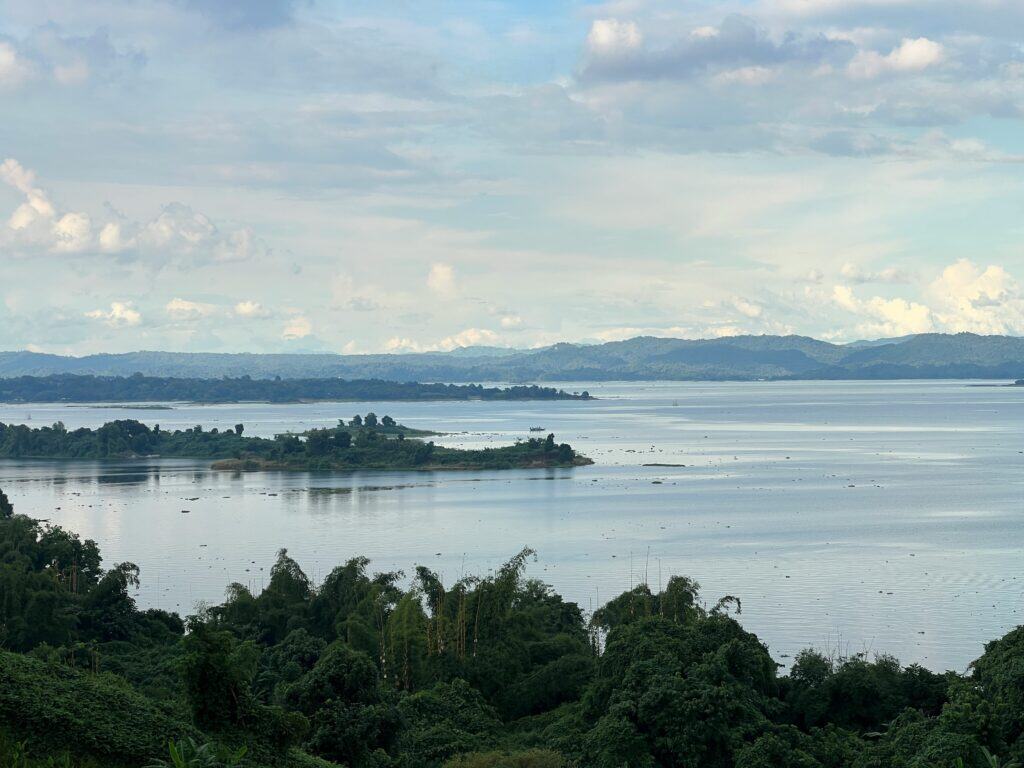
The Congo Nile Trail is a masterpiece of geography. It skirts the divide between the Nile and Congo river basins, offering a rollercoaster of terraced hills, coffee plantations, and lakeside vistas.
Pro Tip: In 2026, the trail is better marked than ever. However, downloading the CNT 2026 Offline Map is still essential for navigating the smaller communal paths through the tea estates.
Lake Kivu is one of Africa’s Great Lakes, but unlike Lake Victoria, it is Bilharzia-free, making it the perfect (and free) swimming hole after a long day on the trail.
Town | Vibe | Best Budget Stay (2026) |
Rubavu (Gisenyi) | Lively, beachy, border-town energy. | Inzu Lodge (Eco-tents from $20) |
Karongi (Kibuye) | Quiet, majestic islands, sunset views. | Home Saint Jean (Dorms from $15) |
Rusizi (Cyangugu) | Tropical, humid, gateway to Nyungwe. | Peace Guesthouse (Camping from $10) |
You don’t need a private 4×4 to see the best of Western Rwanda. Here is how to do it using local RITCO buses and motos.
In 2026, Rwanda will be nearly a cashless society. For city buses and the inter-city RITCO lines, you must have a Tap&Go card. You can buy these for $1 at any major bus station.
Avoid Tourist Menus. Look for the Mélange (Lunch Buffet). For about 3,000–5,000 RWF ($2–$4), you get a massive plate of local staples: matooke (steamed bananas), beans, rice, cassava, and occasionally meat. It’s the highest calorie-per-dollar fuel for the trail.
If you are an African resident (South African, Egyptian, etc.), always carry your residency card. In 2026, many community lodges and park-adjacent activities offer up to 40% off for ROA residents.
Yes. Rwanda is consistently ranked as one of the safest countries in the world. On the trail, you will mostly encounter farmers and children. However, as with any travel, it is best to reach your destination before sunset and stay in established guesthouses.
For hiking, it is not mandatory but highly recommended. A local guide (approx. $20/day) acts as a translator and cultural bridge. For cycling, unless you are an experienced bike mechanic, a guide is vital for handling repairs on the remote dirt sections.
Yes. There are designated campsites established by the Rwanda Development Board (RDB) about every 3–6 hours of cycling apart. Most charge a small fee ($5–$10) and provide basic amenities like pit latrines and water access.
The Dry Seasons (June–September and December–February) are best. During the rainy season, the thousand hills become thousand mudslides, and the trail can be nearly impassable for bikes.
If you are cycling and don’t want to carry a heavy pack, many local moto-taxis will transport your bag to your next guesthouse for a negotiable fee (approx. $10).
Rwanda on a shoestring is more than just a cheap holiday; it is an immersion. While the luxury lodges offer a polished view of Africa, the Congo Nile Trail offers a real one. It’s the sound of the evening, Night Fishermen singing on Lake Kivu, the smell of drying coffee beans, and the hospitality of a village family offering you a seat on their porch.
Are you ready to swap the 4×4 for a mountain bike or a pair of hiking boots? At Primate World Safaris, we specialize in the Adventure Logic of Rwanda. We can help you arrange bike rentals, book local guides, or plan your boat-hopping logistics along the Kivu belt.
Would you like us to send you our 2026 Backpacker’s Kit List, specifically designed for our Congo Nile Trail?