
Fly-Camping in the Serengeti: Sleeping Under the Stars

Sleeping Under the Stars with No Fences

For the traveler who has seen the Big Five from the safety of a 4×4 and stayed in the world’s most luxurious safari lodges, a new question arises in 2026: What does the Serengeti feel like when the engine stops and the walls disappear?

Fly-camping is the answer. It is the rawest, most authentic form of safari available today. Forget the glamping of permanent sites; fly-camping is about temporary, lightweight fly-tents set up in remote corners of the Serengeti where vehicles aren’t allowed. It is just you, a mosquito net, a bedroll, and the untamed African night.

At Primate World Safaris, we’ve seen a surge in Expeditionary Travel for 2026, as guests from South Africa, the UK, and Egypt seek to reconnect with the wilderness on a visceral level.
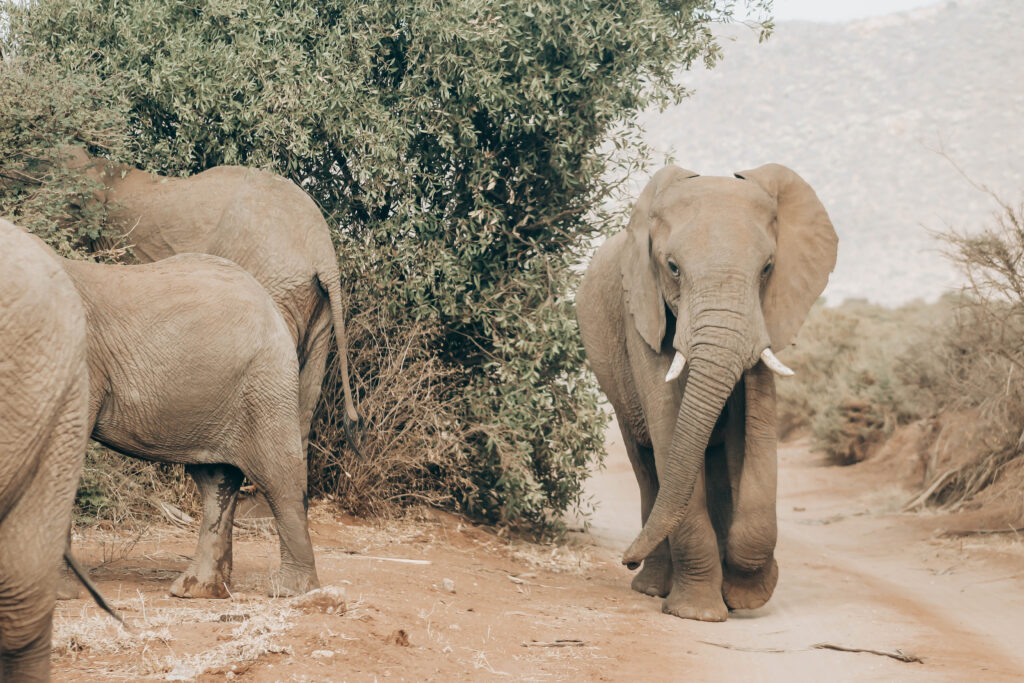
Fly-Camping in the Serengeti

1. What Exactly is Fly-Camping?

The term fly-camping comes from the traditional practice of sleeping under nothing but a fly-sheet (a waterproof tent cover). In 2026, while the tents have become more sophisticated, the philosophy remains the same: minimalist, mobile, and deep in the bush.

  • The Setup: You typically arrive at your fly-camp on foot after a guided walking safari. The camp is set up specifically for your arrival and dismantled the next morning, leaving zero trace on the environment.
  • The Fence-Free Reality: There are no electric fences. Your security is an armed ranger, a crackling campfire, and the natural respect wildlife has for a human presence centered around fire.
  • The Comfort Level: While it is back-to-basics, it is not roughing it. You sleep on a comfortable mattress with high-quality linens, and a private bush shower (a bucket of hot water hung from a tree) provides one of the best views in the world.


2. Why 2026 is the Year for Fly-Camping

With the expansion of tourism in the Serengeti, the Central Seronera can sometimes feel crowded. Fly-camping is the ultimate escape.

  • Exclusivity: Fly-camps are only permitted in Special Campsite zones. You will not see another vehicle or human for miles.
  • Sensory Immersion: Without the hum of a generator or the walls of a lodge, your senses sharpen. You hear the sawing sound of a distant leopard, the crunch of a hyena’s jaw, and the persistent whoop of the Serengeti night.
  • The 2026 Tech Balance: While the experience is ancient, the safety is modern. Our guides in 2026 use satellite communication and thermal imaging for perimeter checks, ensuring absolute safety without intruding on the wild feel.


3. The Best Locations for Fly-Camping in the Serengeti

Not every part of the park is suitable for fly-camping. At Primate World Safaris, we focus on three distinct zones for 2026:

Region

Best Time

The Highlight

Northern Serengeti (Lamai)

July – Oct

Watching the Migration herds gather near the Mara River.

Southern Serengeti (Ndutu)

Dec – March

Sleeping amidst the Calving Season with predators nearby.

Western Corridor (Grumeti)

June – July

Deep immersion in the thickets near the Grumeti River.

4. A Typical Under the Stars Itinerary

What does a 24-hour fly-camping experience look like?

  • 3:00 PM: Leave your main lodge on foot with an armed ranger and expert tracker.
  • 5:30 PM: Arrive at a clearing where your fly-tents are already pitched.
  • 6:30 PM: Sundowners by the fire. The sky turns from orange to a deep, star-studded violet.
  • 7:30 PM: A three-course meal cooked over the open coals (often traditional Swahili lamb stew or grilled game).
  • 9:00 PM: Retiring to your bed. The mosquito net is your only window to the stars.
  • 6:00 AM: Wake up to the smell of fresh coffee and the Dawn Chorus of the Serengeti’s 500 bird species.
 

5. Safety: Sleeping with Predators

The most common question we get at Primate World Safaris is: Are we safe?

  • The Ranger: You are always accompanied by a highly trained, armed TANAPA (Tanzania National Parks) ranger and our senior guides.
  • The Campfire: Fire is a natural deterrent for most African wildlife. The night watch team keeps the fire burning and uses spotlights to monitor the perimeter.
  • Animal Behavior: Animals generally see a tent or a camp as a solid, non-prey object. They will often pass by out of curiosity but rarely approach.
 

6. Frequently Asked Questions (FAQ)

1. Is there a toilet?

Yes. We set up a private short-drop or eco-loo with a wooden seat. It is discrete, private, and environmentally friendly.

2. Can children go fly-camping?

Most operators, including Primate World Safaris, have a minimum age of 12 or 16 years for fly-camping due to the walking involved and the nature of the experience.

3. What should I pack for just one night?

Keep it light. A headlamp, your camera, warm layers for the night (it gets cold!), and a power bank. Leave your main luggage at the base lodge.

4. How much does it cost?

Fly-camping is often an add-on to a luxury safari. In 2026, expect to pay between $450 and $900 per person for the overnight experience, in addition to your standard lodge fees.

5. Do I need to book in advance?

Yes. Because fly-camping requires special permits and mobile logistics, we require at least 3 months’ notice to secure the best Hidden campsites.
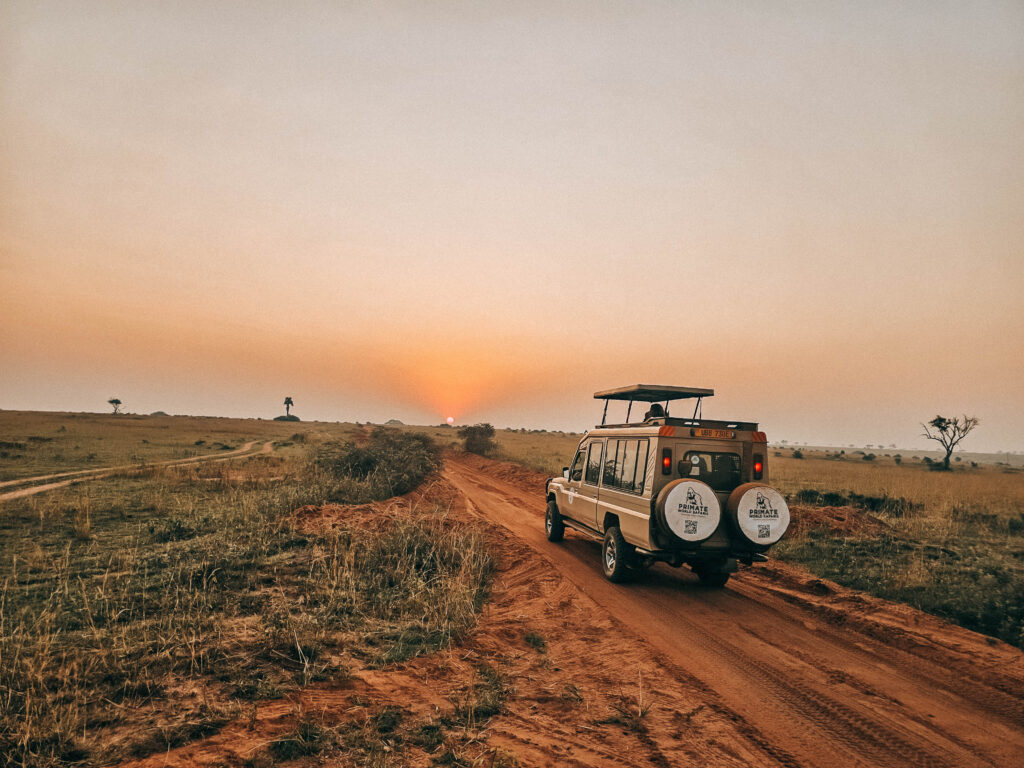
Fly-Camping in the Serengeti

Conclusion: The Soul of the Safari

In 2026, Luxury is no longer defined by the thread count of your sheets, but by the lack of boundaries between you and the earth. Fly-camping in the Serengeti is a return to the soul of the safari, a reminder that we are but small visitors in a vast, ancient world.


Are you brave enough to spend a night without fences?

At Primate World Safaris, we specialize in these high-intensity, low-impact adventures.

Contact Us

error: Content is protected !! Do not copy!!