
Chimp Tracking in Kibale vs. Nyungwe: Where to Find the Best Primate Sightings

The Definitive 2026 Comparison

In 2026, the choice between Uganda’s Kibale National Park and Rwanda’s Nyungwe Forest is the primary dilemma for primate enthusiasts. While both offer a window into the lives of our closest relatives, the terrain, sighting reliability, and logistical “feel” of these two ancient forests couldn’t be more different.

As a premier partner in East African travel, Primate World Safaris has evaluated both destinations against the latest 2026 standards to help you decide where to invest your time and resources.
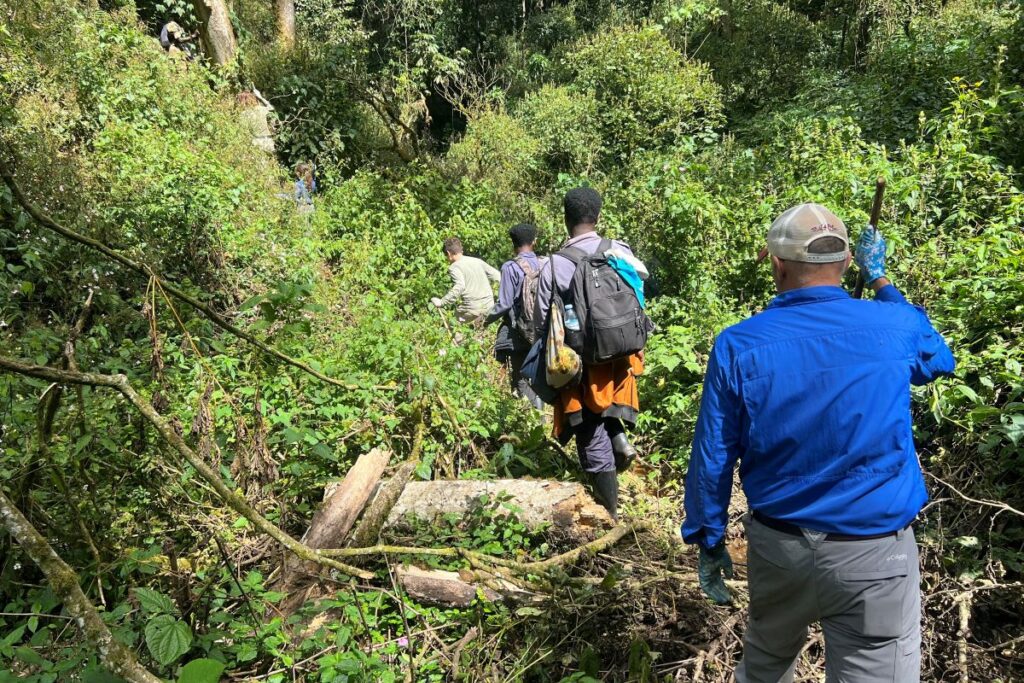
Chimp Tracking in Kibale vs. Nyungwe

Chimp Tracking in Kibale vs. Nyungwe

Choosing between Kibale and Nyungwe is not about which forest is “better,” but which experience aligns with your travel style. Kibale is often called the “Primate Capital of the World” for its sheer density, while Nyungwe is celebrated for its rugged, prehistoric beauty and high-altitude adventure.

  1. Sighting Reliability: The “99% vs. 80%” Factor

If your primary goal is a guaranteed sighting, Kibale National Park holds the crown.

  • Kibale (Uganda): With over 1,500 chimpanzees and multiple fully habituated communities, the success rate for sightings in Kibale consistently hits 99%. The chimps here are often found on the forest floor, allowing for intimate, eye-level photography.
  • Nyungwe (Rwanda): Sighting success in Nyungwe is approximately 80%. The forest is vast (over 1,000 $km^2$), and the terrain is steeper. Chimps here tend to stay higher in the canopy, and tracking them requires a bit more “detective work” from the rangers.
  1. The Terrain: “Flat & Fast” vs. “Steep & Deep”

For the 2026 traveler, physical fitness is a major deciding factor.

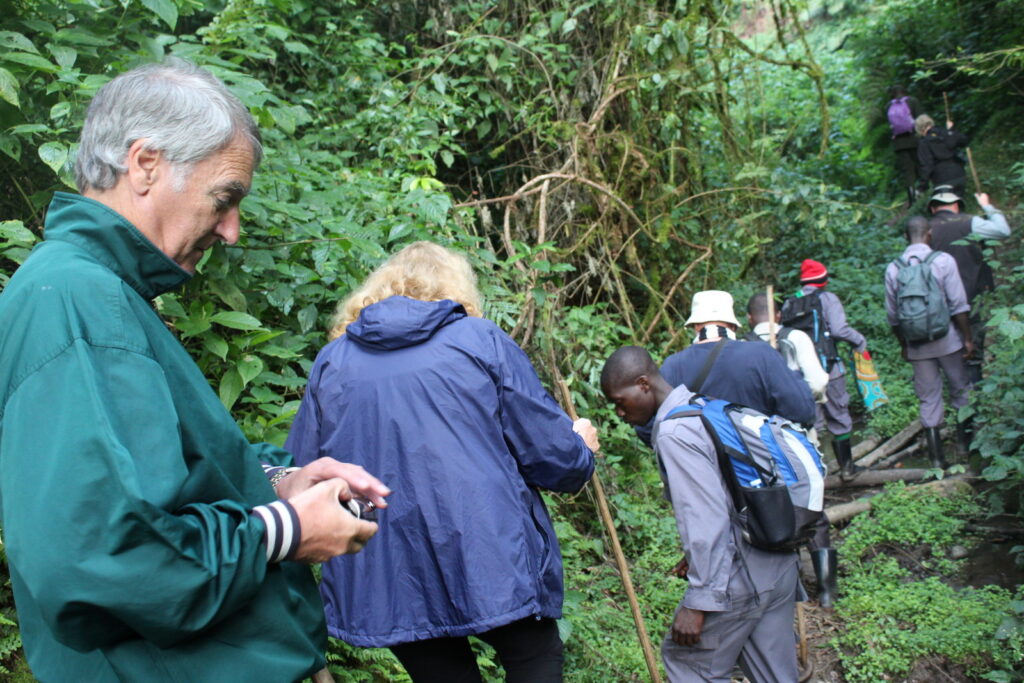
  • Kibale’s Terrain: Mostly flat or gently undulating. It is accessible for a wider range of ages and fitness levels. A typical trek lasts 2 to 3 hours.
  • Nyungwe’s Terrain: This is a high-altitude rainforest characterized by steep ridges and deep valleys. Tracking here is physically demanding and often requires 4 to 6 hours of strenuous hiking. If you enjoy a “challenge,” Nyungwe is your destination.


  1. Logistics and Pricing (2026 Update)

Pricing has shifted for the 2026 season. Here is the current breakdown for Foreign Non-Residents:

Feature Kibale National Park (Uganda) Nyungwe Forest (Rwanda)
Permit Cost $250 $250 ($150 permit + $100 park fee)
Start Time 8:00 AM & 2:00 PM 5:00 AM
Max Group Size 6 – 8 People 8 People
Habituation? Yes ($300) No

Strategic Note: Kibale offers an afternoon session, which is perfect for travelers arriving from Queen Elizabeth National Park. Nyungwe requires a very early 5:00 AM start, meaning you must stay at a lodge within the park periphery.


  1. The “Habituation” Advantage

One of Kibale’s strongest selling points in 2026 is the Chimpanzee Habituation Experience (CHEX).

While a standard trek in either park gives you exactly one hour with the chimps, Kibale’s Habituation permit allows you to spend 4 to 6 hours with a semi-habituated group. You join researchers as they follow the chimps from their morning nests. This is currently not an option in Nyungwe, where only the standard one-hour trek is available.
 

  1. Beyond the Chimps: Secondary Attractions

  • In Nyungwe, the famous Canopy Walkway is a 2026 “must-do.” Suspended 70 meters above the forest, it offers a bird’s-eye view of the ancient trees that you simply cannot get in Uganda.
  • In Kibale, the Bigodi Wetland Sanctuary is the perfect afternoon add-on. It’s a community-run project where you can see up to 8 other primate species and the stunning Great Blue Turaco.
Chimp Tracking in Kibale vs. Nyungwe

The Verdict: Which One Should You Choose?

  • Choose Kibale if: You want the highest possible chance of a sighting, prefer easier hiking, or want the extended “Habituation” experience.
  • Choose Nyungwe if: You are already in Rwanda for gorilla trekking, you love dramatic mountain scenery, or you want to combine your trek with the iconic Canopy Walk.


Would you like us to create a “Primate Double-Header” itinerary that combines the best of both Kibale and Nyungwe into one trip?

Contact Us

error: Content is protected !! Do not copy!!