
Crossing the African continent from the southern tip of Cape Town to the ancient monuments of Cairo is a journey of 10,000 kilometres through wildly varying climates, cultures, and terrains. In 2026, as borders become more fluid but environmental regulations tighten, your packing list must be smarter, lighter, and more versatile than ever.
Whether you are navigating the misty Gorilla forests of Uganda, the scorching sands of the Sahara, or the sophisticated streets of Nairobi, this guide ensures you have everything you need without the travel fatigue of an overstuffed bag.
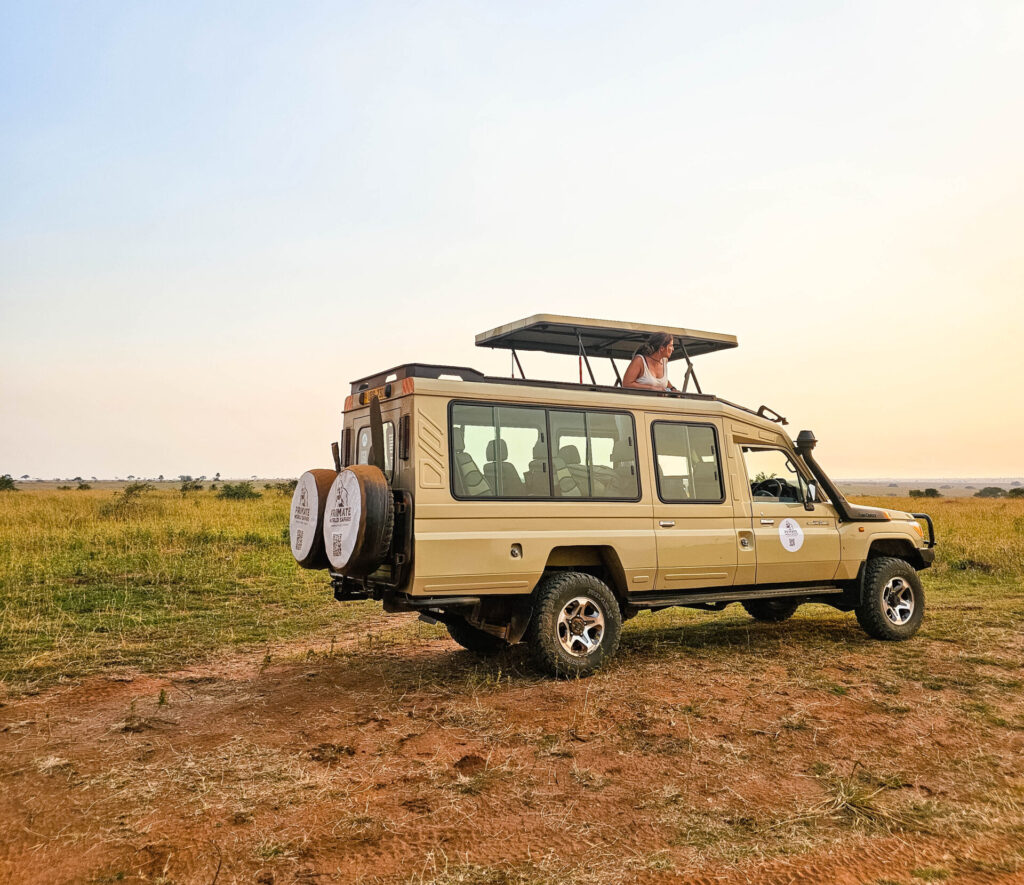
1. The Luggage Strategy: Soft Over Hard
In 2026, the Cape to Cairo route often involves bush planes, overland trucks, and regional trains.
You will experience everything from 5°C mornings in the Ngorongoro Crater to 40°C afternoons in Sudan.
The Must-Have Wardrobe
Item | Quantity | Why? |
Moisture-wicking T-shirts | 4–5 | Synthetic or Merino wool; avoids the sweat-soak of cotton. |
Convertible Trousers | 2 pairs | Zip-offs are a cliché because they work. Shorts for the day, long pants for mosquito protection at night. |
Lightweight Fleece/Sweater | 1 | Essential for desert nights and early morning game drives. |
Waterproof Rain Shell | 1 | |
Modest Wear | 1 set | Long skirt/trousers and a scarf for religious sites in Ethiopia and Egypt. |
Walking Shoes/Boots | 1 pair | Sturdy, broken-in trail runners or lightweight hiking boots. |
Flip-flops/Sandals | 1 pair | For camp showers and beach days in Zanzibar or the Red Sea. |
Pro Tip: Avoid camouflage or military-patterned clothing. In many African countries (including Zimbabwe and Uganda), it is illegal for civilians to wear camo and can lead to questioning by authorities.
With the 2026 rollout of satellite internet across the continent, staying connected is easier, but keeping your gear charged remains a challenge.
Border crossings are where the Cape to Cairo journey is won or lost.
Yes. In 2026, Kenya, Rwanda, and Tanzania have strict bans on single-use plastic bags, including Ziplocs. Use reusable silicone pouches or cloth bags for organisation to avoid fines at the border.
Absolutely. Most lodges and hostels offer bucket washes for a small fee. However, note that in many cultures, it is taboo for staff to wash undergarments. Pack a small bar of travel soap to do your own basics.
While mobile money (M-Pesa) and cards are widely used in cities, US Dollars (printed after 2021) are still the king of the border. Carry $500–$800 in small denominations for visa fees and emergency tips, hidden in a money belt.
South Africa is quite liberal with dress codes. However, as you move north into Ethiopia, Sudan, and Egypt, modest dressing becomes a sign of respect. Women should always have a large scarf in their daypack to cover their shoulders or hair when entering mosques or rural villages.
The secret to a successful Cape-to-Cairo trip is versatility. Every item in your bag should serve at least two purposes (e.g., a sarong that acts as a towel, a headscarf, and a privacy screen). By packing light, you stay mobile, stay safe, and keep your focus where it belongs: on the incredible landscapes of the African continent.