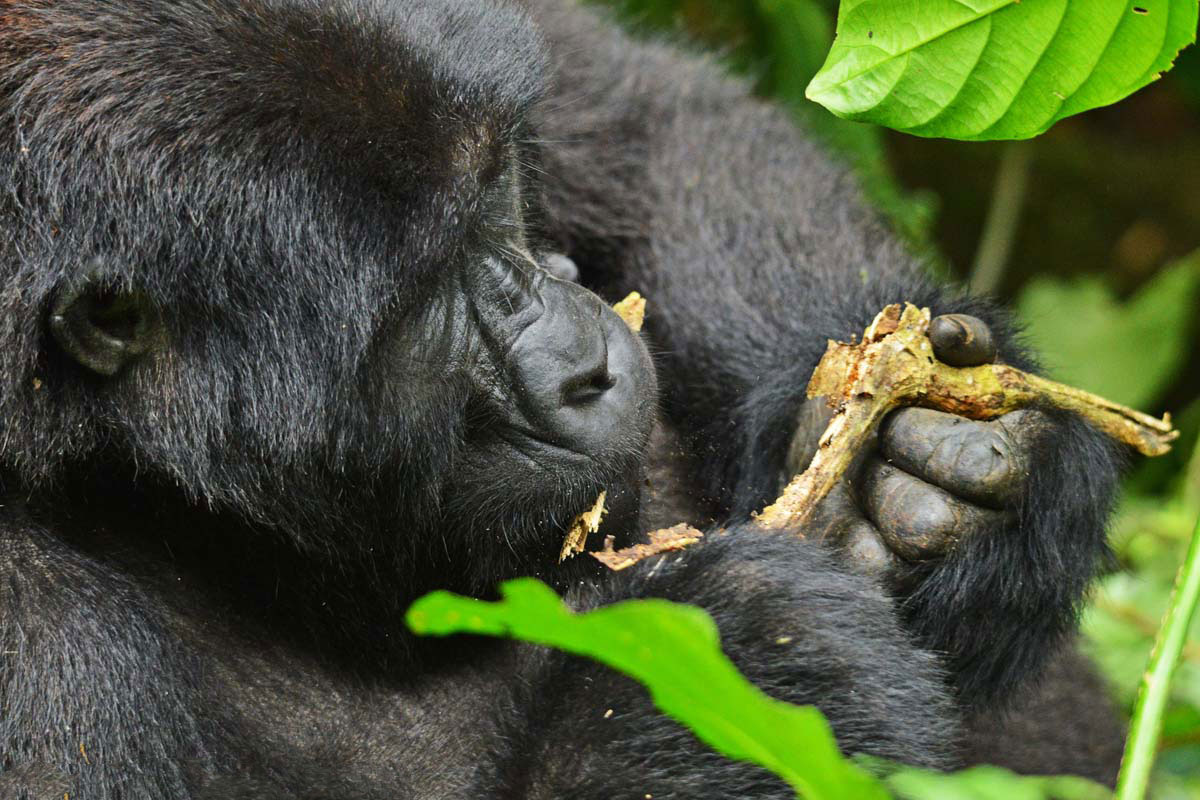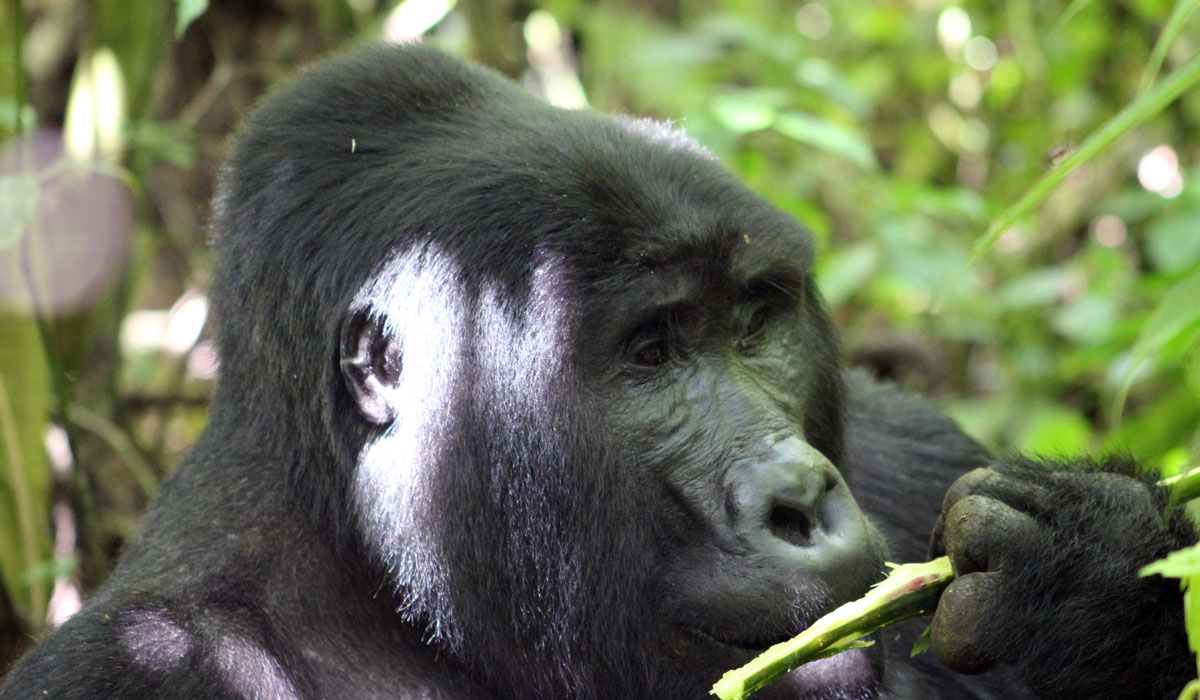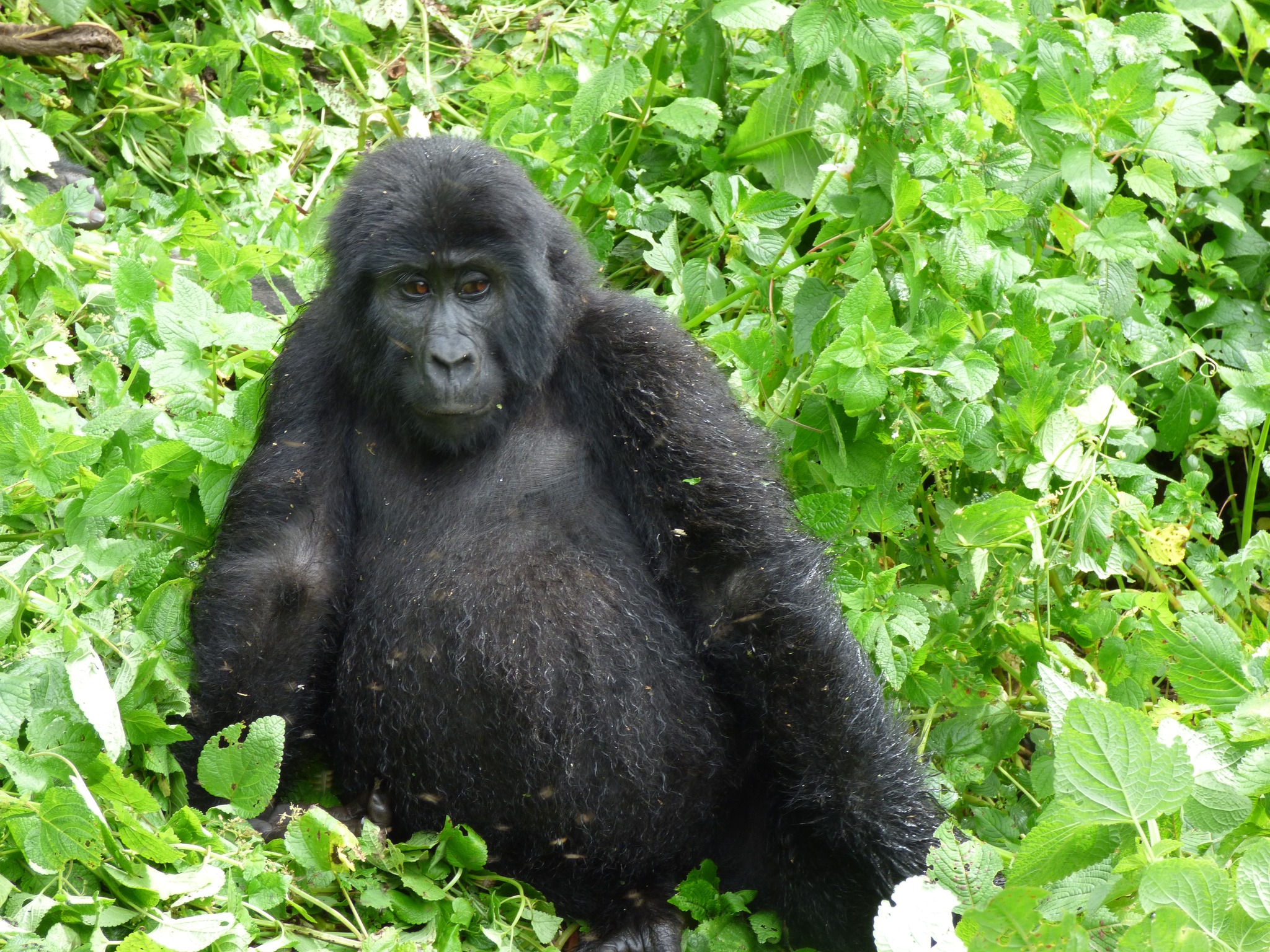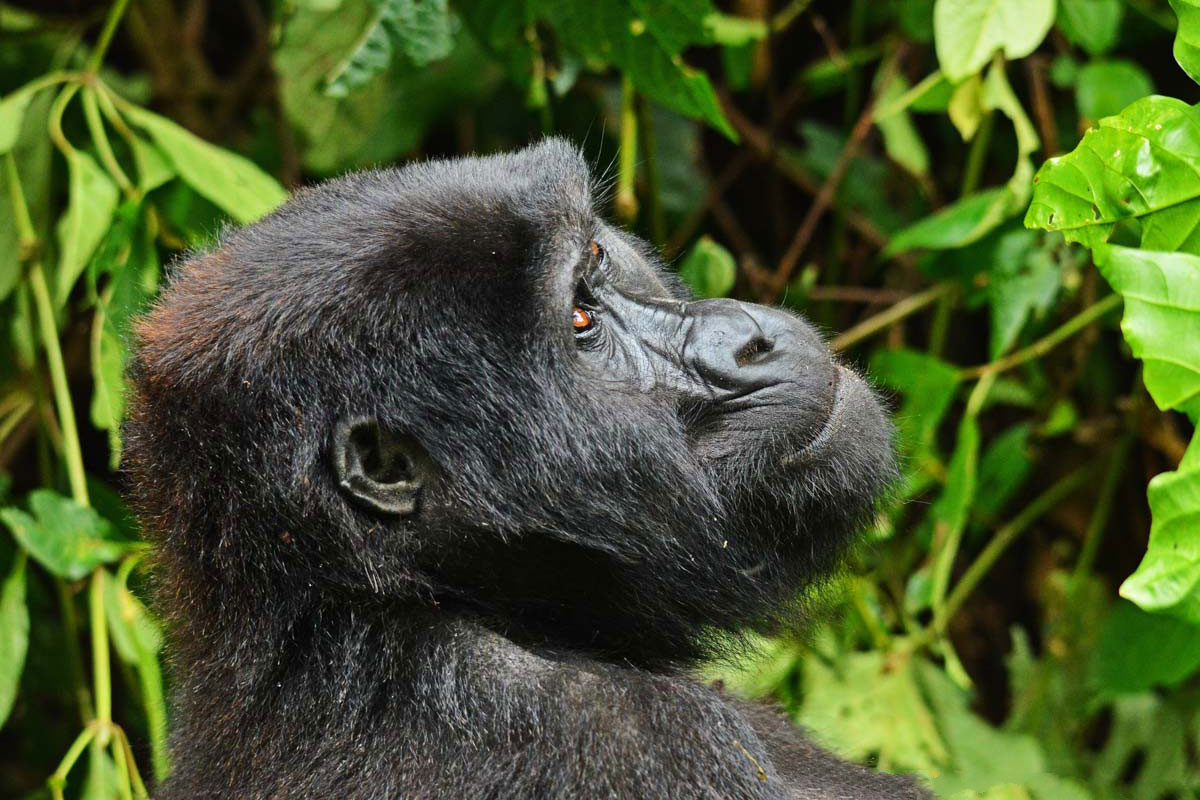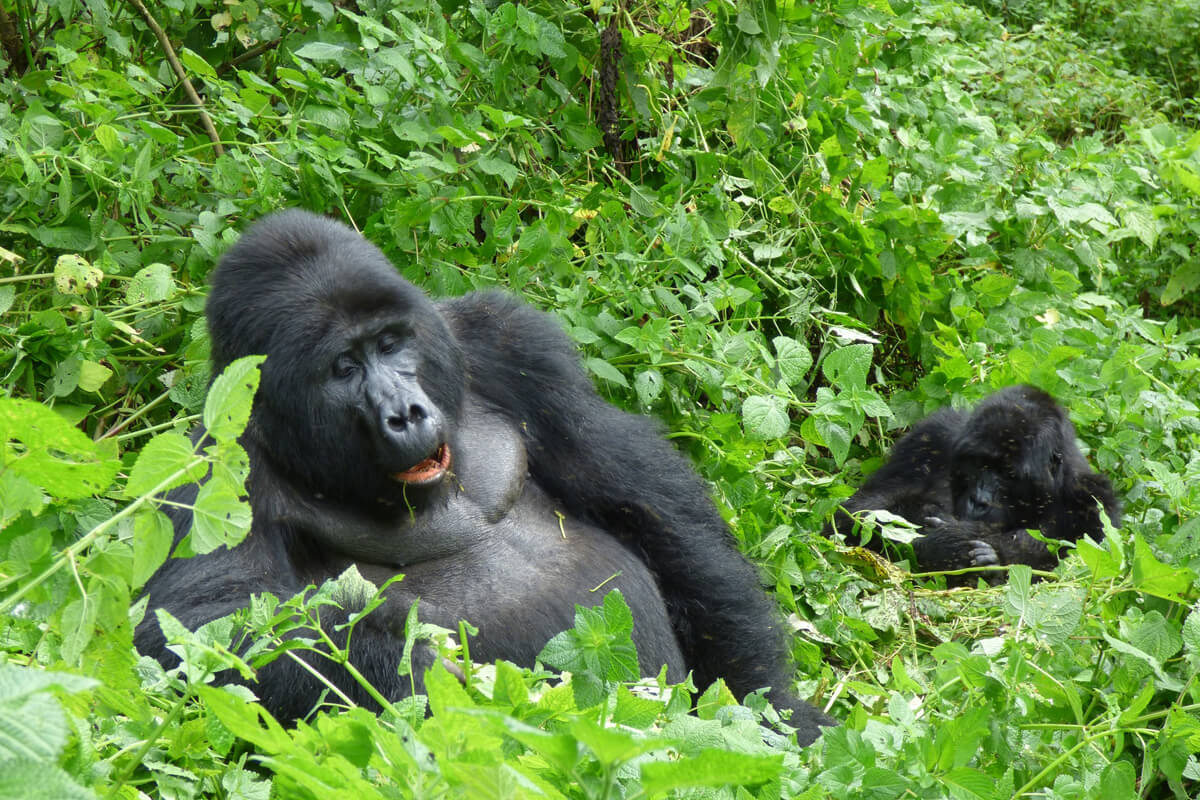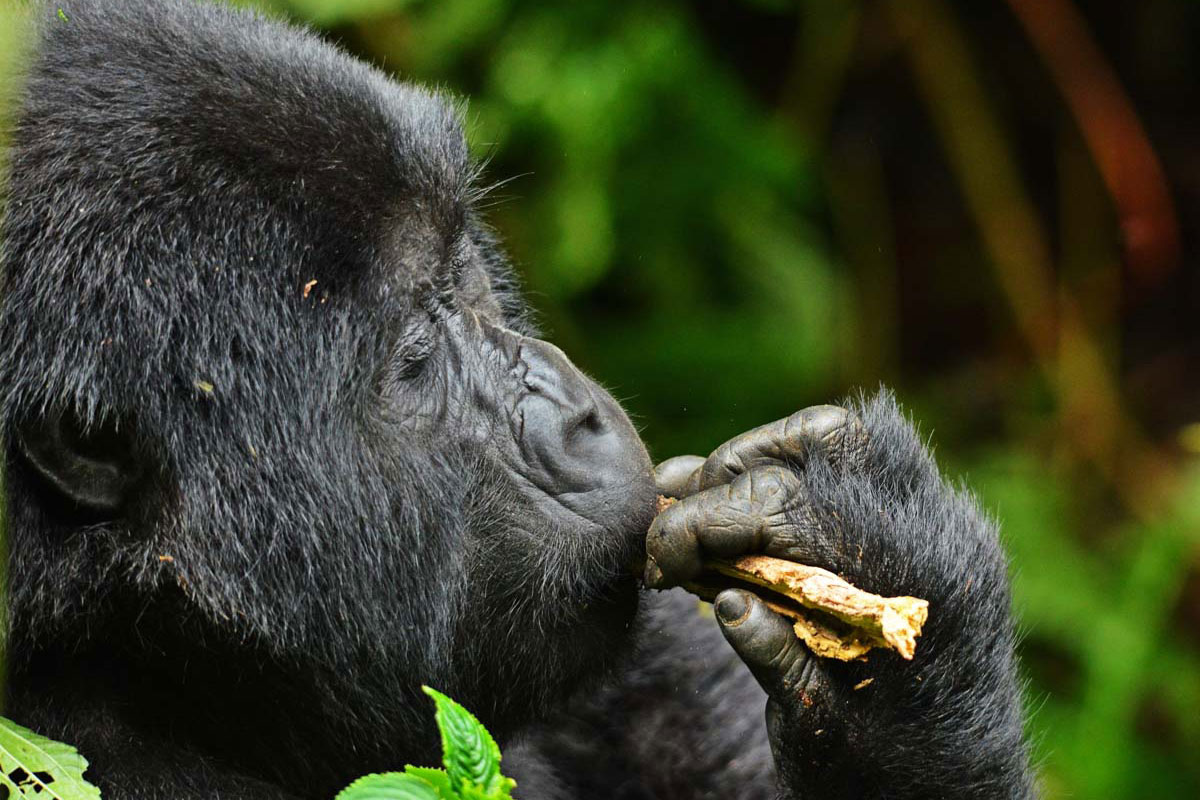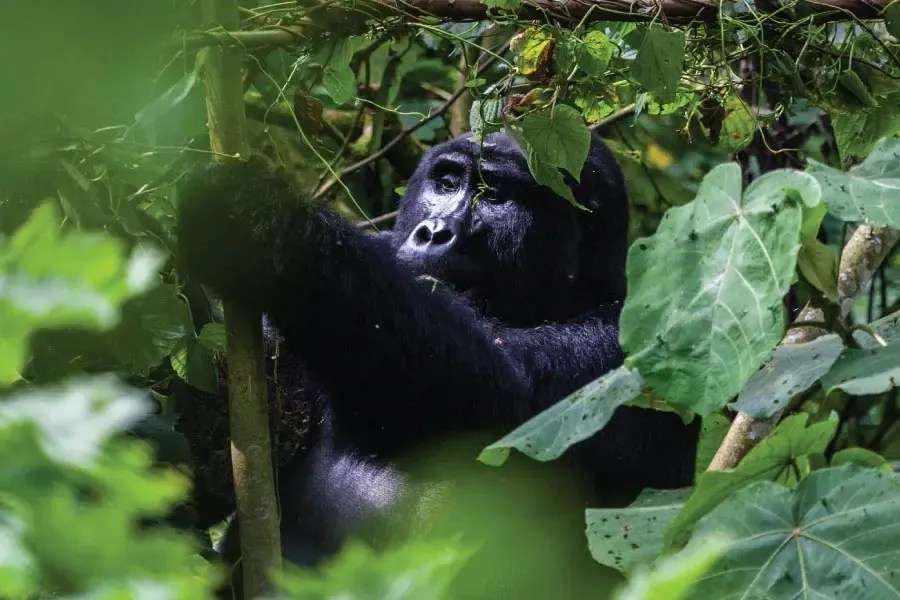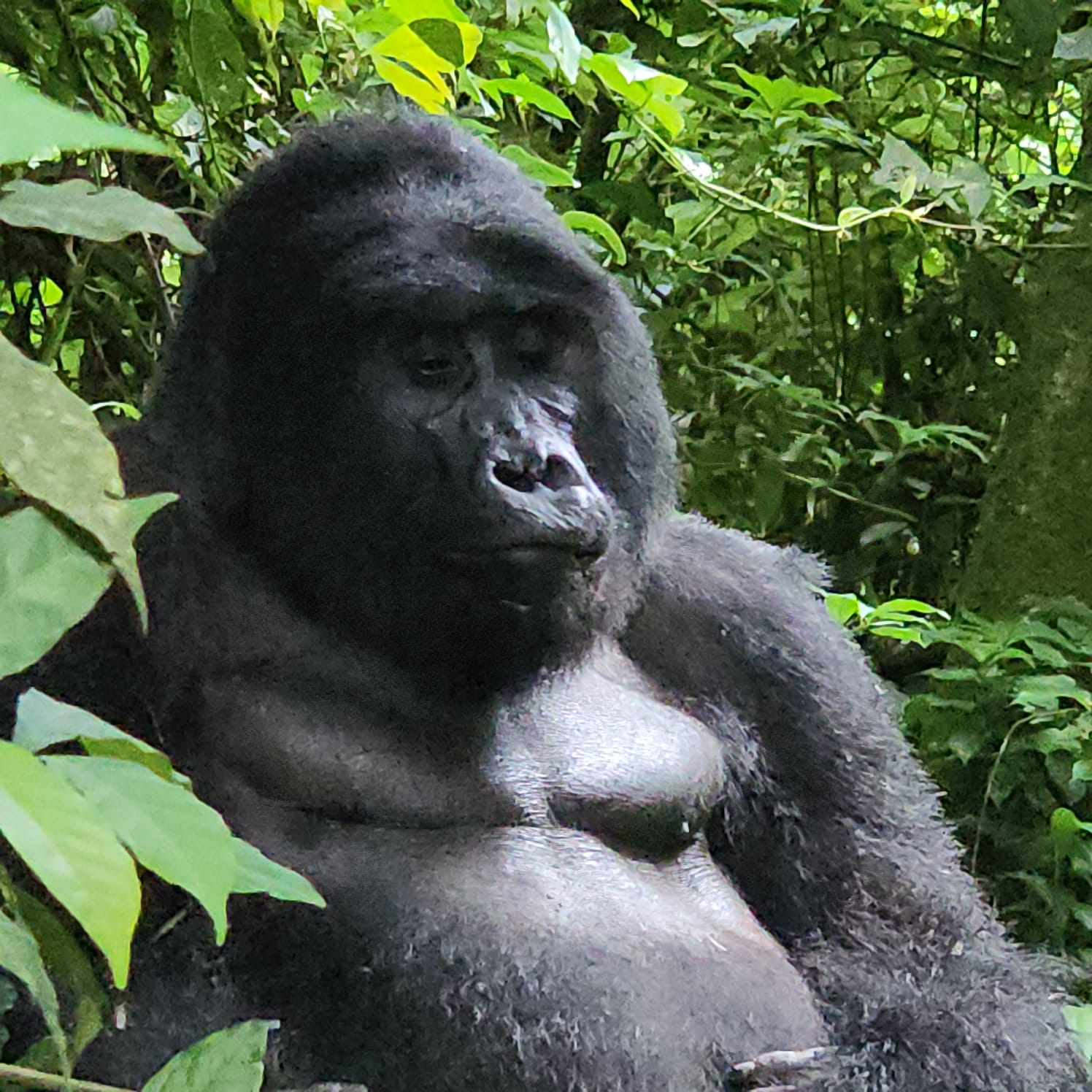
Gorilla Trekking Safaris in Africa and Gorilla Trekking Tours in Rwanda & Uganda. Gorilla tracking safari tour is probably the most sought-after African wildlife experience. A gorilla trek involves hiking through thick natural rainforests in search of the endangered mountain gorillas. After finding the gorillas, guests spend around 1 hour observing them in their natural environment.
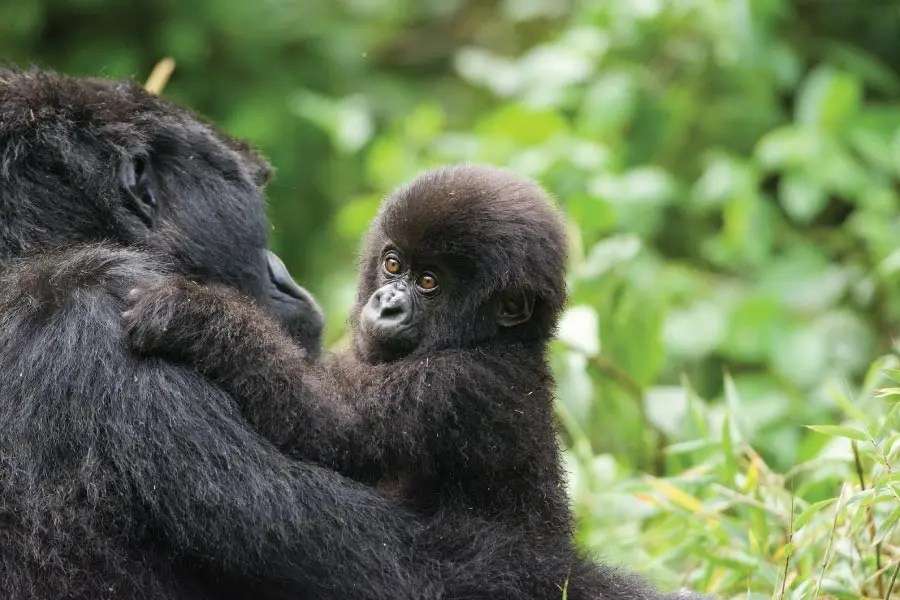
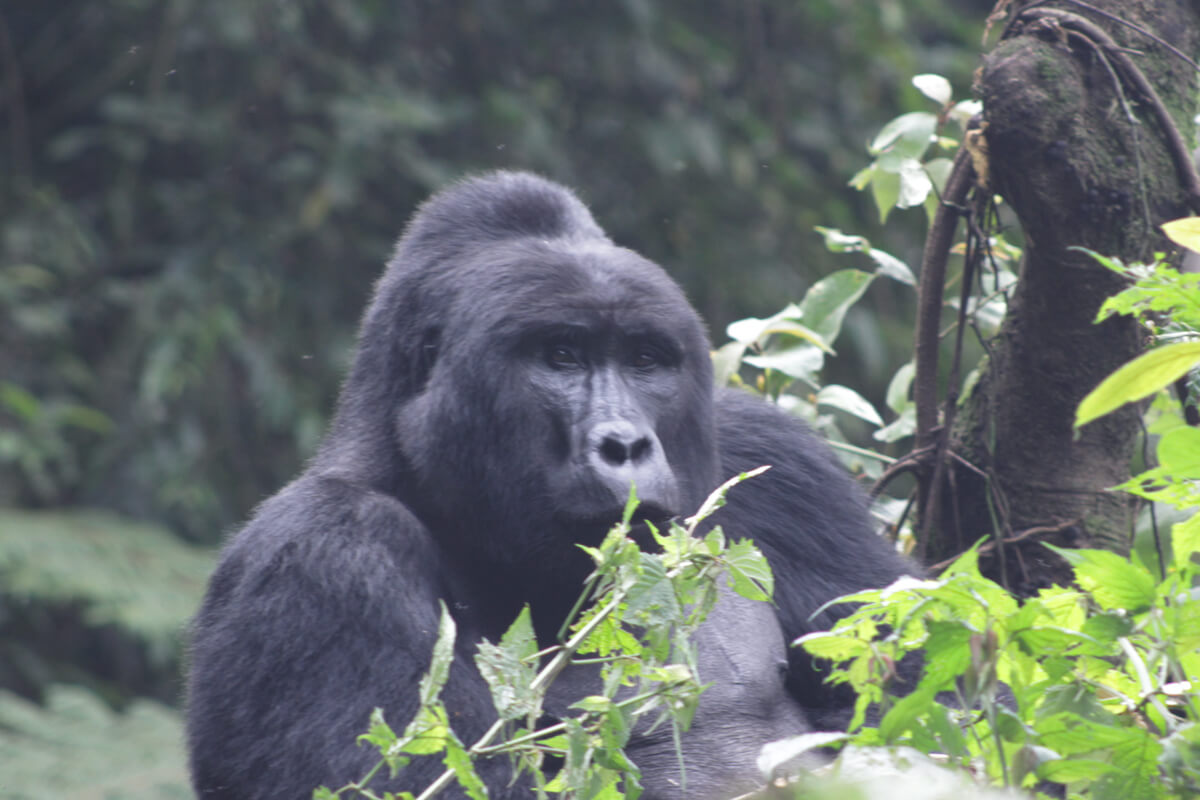
Seeing young gorillas play and learn from their parents while the dominant silverback quietly leads the group is an experience like no other. A personal encounter with gorillas is humbling, enlightening, and gratifying. Our gorilla tracking safaris present the opportunity for such magical encounters in both Uganda and Rwanda.
Take a look at the safari packages shared below for some inspiration for your own gorilla trekking safari holiday. Most trips include other fantastic attractions and experiences. Additionally, feel free to reach out to us for a fully custom-made safari. This can be designed with all your needs, budget, and schedule as the basis.
Every visitor must obtain a gorilla trekking permit before entering the forest. In Uganda, permits are issued by the Uganda Wildlife Authority and grant access to one guided gorilla trek plus a full hour spent observing a habituated gorilla family in the wild.
Because permits are limited and demand is extremely high during peak travel months, we recommend securing your permit several months in advance. Booking through an experienced safari operator simplifies the process considerably, ensuring your permit, accommodation, and transportation are coordinated around the correct trekking sector. This helps avoid unnecessary travel times and maximizes your overall safari experience.
Both Uganda and Rwanda offer remarkable opportunities to see mountain gorillas in their natural habitat, but the experiences differ in important ways. Uganda is often preferred by travelers seeking a longer and more diverse safari experience, combining gorilla trekking with wildlife viewing in destinations such as Queen Elizabeth National Park, Murchison Falls, and Kibale Forest.
Rwanda is known for easier accessibility, with Volcanoes National Park located just a few hours from Kigali International Airport. However, Uganda generally offers better overall value and a greater variety of safari experiences. For travelers looking for the most comprehensive primate and wildlife adventure, Uganda remains the preferred choice.
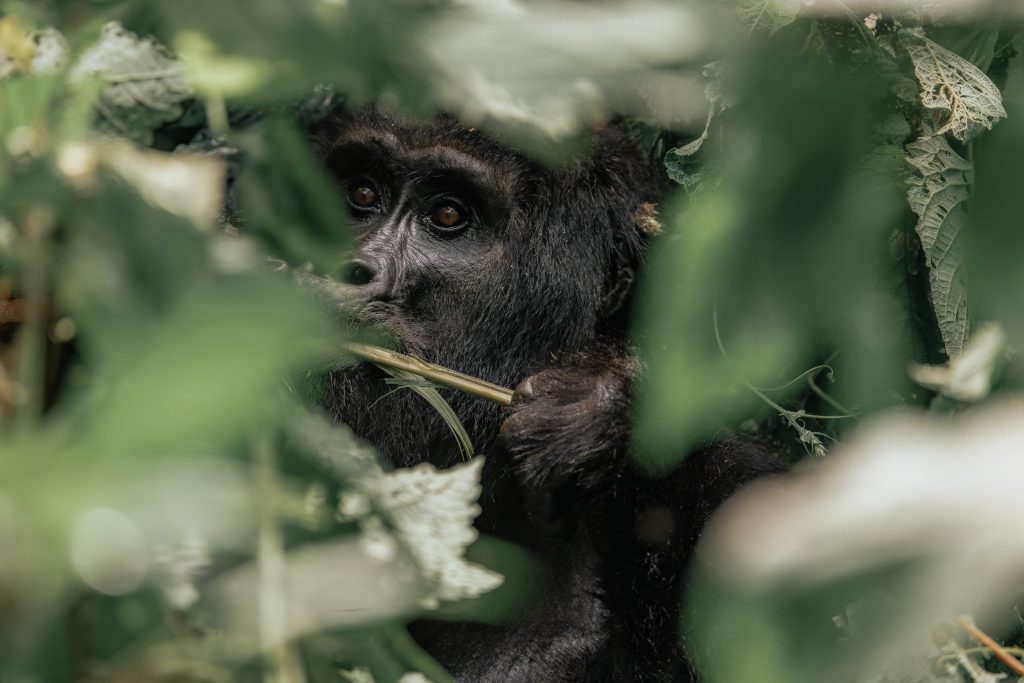
Uganda is home to two extraordinary destinations for mountain gorilla trekking: Bwindi Impenetrable National Park and Mgahinga Gorilla National Park. Bwindi is by far the most popular choice, hosting the majority of Uganda’s habituated gorilla families across four trekking sectors Buhoma, Ruhija, Rushaga, and Nkuringo. The park’s ancient rainforest, dramatic hills, and incredible biodiversity make it one of Africa’s most rewarding wildlife destinations.
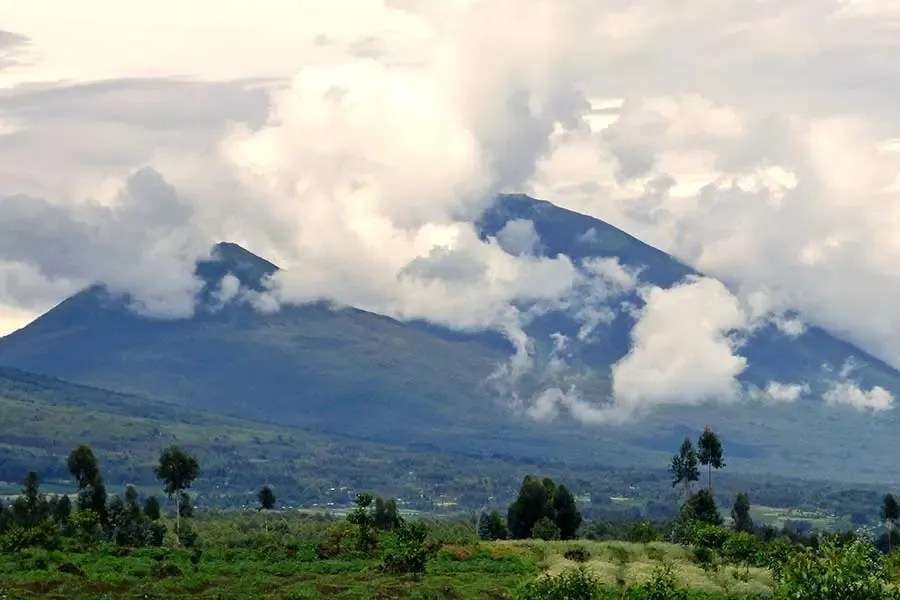
Mgahinga Gorilla National Park offers a more intimate trekking experience on the slopes of the Virunga Volcanoes. While smaller than Bwindi, it is renowned for its spectacular scenery and the opportunity to combine gorilla trekking with golden monkey tracking. Both parks offer exceptional encounters with mountain gorillas, but Bwindi provides greater permit availability and a wider choice of trekking routes and accommodations.
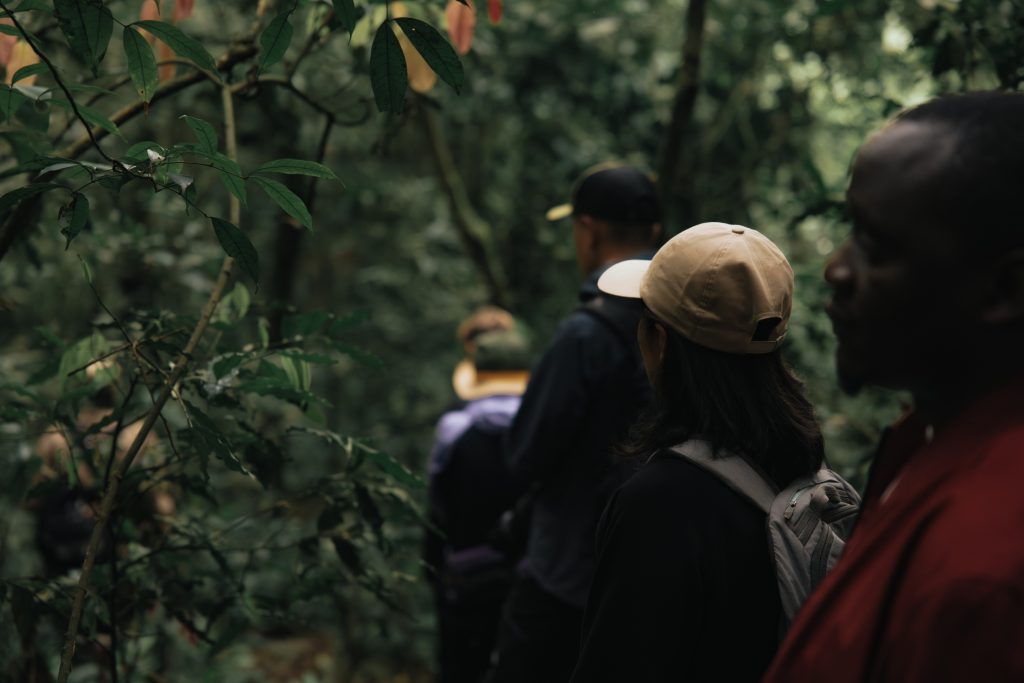
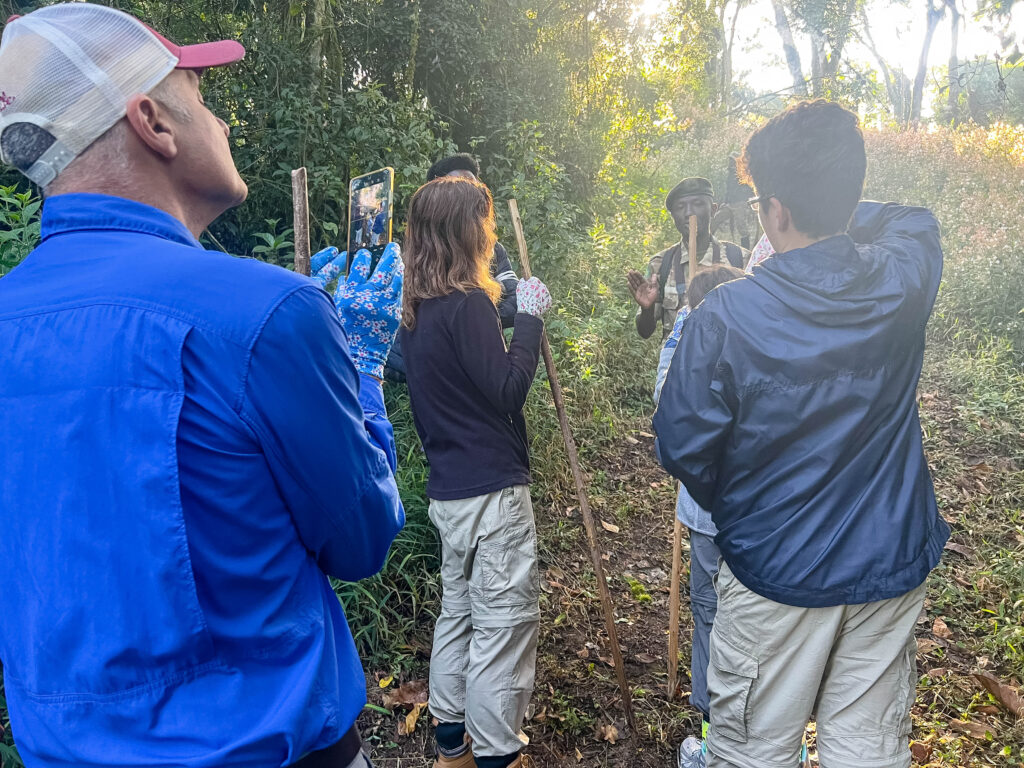
Your gorilla trekking adventure begins early in the morning with a briefing from Uganda Wildlife Authority rangers. During the briefing, visitors learn about gorilla behavior, safety guidelines, and the conservation efforts that help protect these endangered primates. Small groups are then assigned to specific gorilla families and accompanied by experienced guides into the forest.
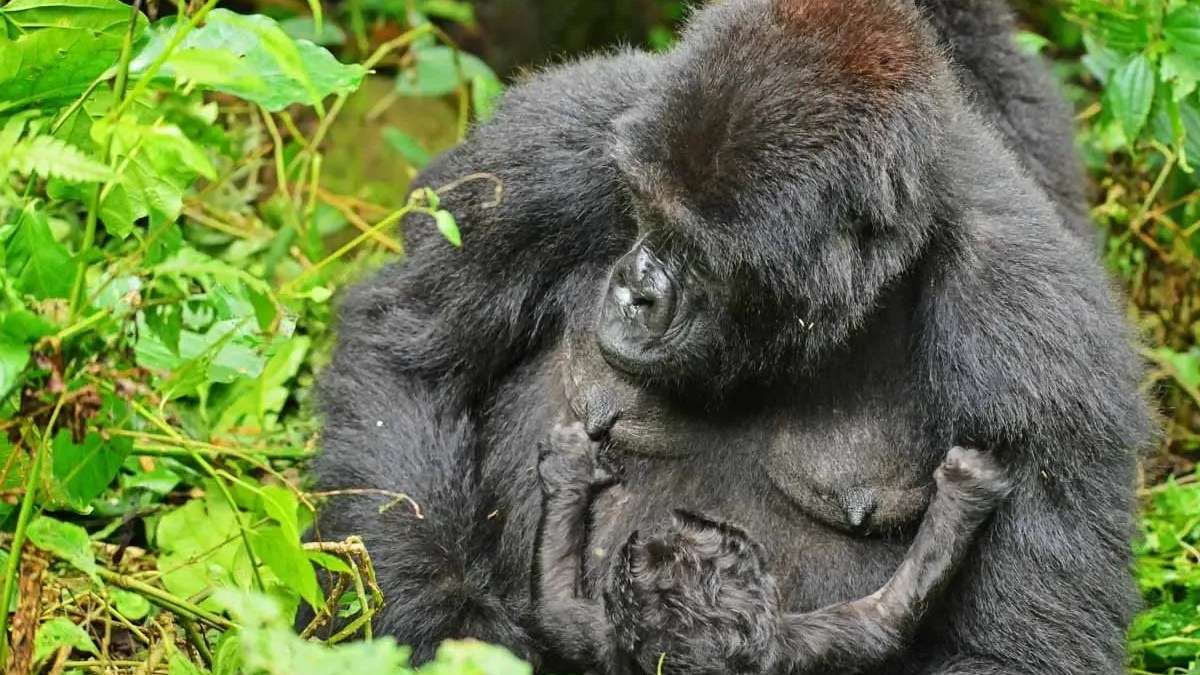
The trek itself can last anywhere from one to several hours depending on the location of the gorillas on that particular day. Once the gorilla family is located, visitors are allowed one unforgettable hour in their presence. Watching young gorillas play, mothers care for infants, and the dominant silverback oversee the group is often described as one of Africa’s most moving wildlife experiences.
The total cost of a gorilla trekking safari depends on several factors including permit fees, accommodation, transportation, guide services, and the overall length of your itinerary. Budget travelers often combine gorilla trekking with affordable lodges and road transfers, while luxury safaris may include charter flights, exclusive lodges, and personalized guiding services.
For most travelers, the greatest expense is the gorilla permit itself, followed by accommodation near the trekking sector. By traveling during shoulder seasons, sharing transportation, or combining gorilla trekking with other Uganda wildlife destinations, visitors can often achieve excellent value without compromising the experience.
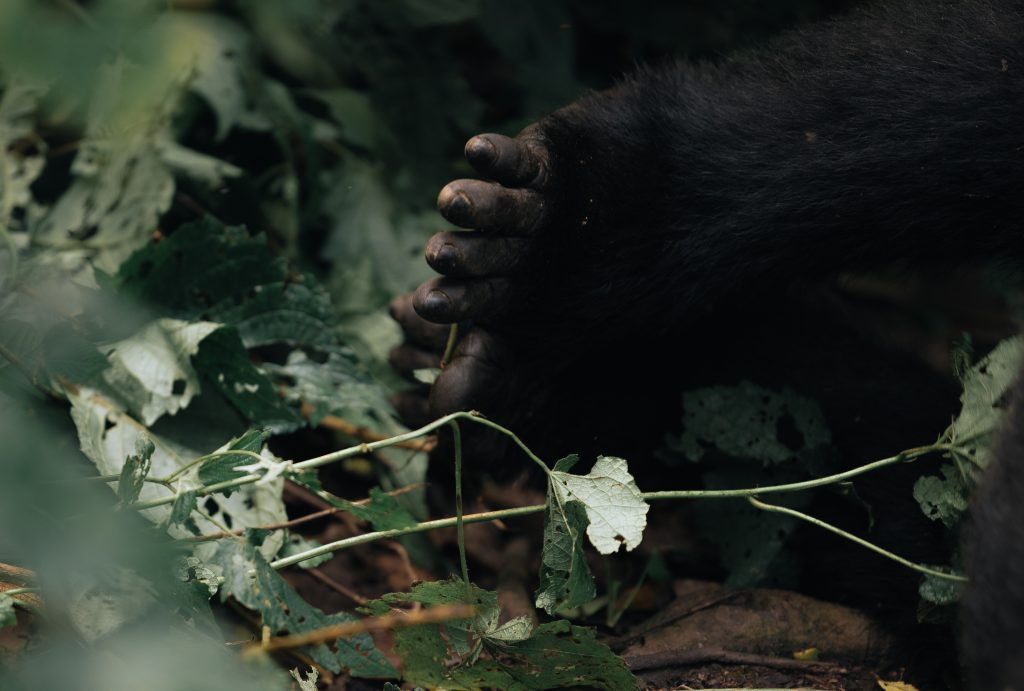
For travelers seeking a deeper and more immersive encounter, Uganda offers the unique Gorilla Habituation Experience in Bwindi Impenetrable National Park. Unlike standard treks, which allow one hour with a fully habituated gorilla family, this experience provides up to four hours alongside researchers, trackers, and conservation teams.
The Gorilla Habituation Experience offers unparalleled insight into gorilla behavior, communication, feeding habits, and family dynamics. It is considered one of the most exclusive wildlife encounters in Africa and is ideal for photographers, wildlife enthusiasts, and conservation-minded travelers.
Mountain gorilla habitat consists of dense rainforest, uneven terrain, and occasionally muddy trails. Proper clothing can make a significant difference to your comfort during the trek. Long trousers, long-sleeved shirts, waterproof hiking boots, and lightweight rain gear are highly recommended.
Many experienced trekkers also pack gardening gloves for navigating vegetation, gaiters for muddy conditions, insect repellent, and a small daypack for water and snacks. Dressing in neutral colors and layering clothing helps visitors adapt to changing temperatures throughout the day.
Mountain gorillas are one of the world’s greatest conservation success stories. Through collaborative efforts involving wildlife authorities, conservation organizations, researchers, and local communities, mountain gorilla populations have steadily increased over recent decades.
Every gorilla trekking permit directly contributes to conservation programs, ranger patrols, veterinary care, and community development initiatives surrounding protected areas. By choosing a responsible gorilla trekking safari, visitors play an active role in safeguarding the future of these remarkable animals and the forests they call home.
Yes. Gorilla trekking in Uganda is generally considered safe when conducted through official channels and park regulations are followed. Treks are led by trained rangers from the Uganda Wildlife Authority, who brief visitors, monitor gorilla movements, and enforce viewing rules designed to protect both people and animals. The main risks are usually non-criminal: steep terrain, mud, slips, fatigue, altitude changes, and unpredictable weather. Visitors should wear sturdy hiking boots, carry water, and use a walking stick if needed. Because mountain gorillas are susceptible to human respiratory diseases, sick travelers may be refused participation; masks or distancing rules may apply depending on current health protocols. Uganda’s gorilla tourism areas, especially Bwindi Impenetrable National Park and Mgahinga Gorilla National Park, are managed tourism zones with established security and conservation systems. Follow ranger instructions at all times during the trek.
A gorilla trek has two time components: the hike itself and the viewing period. Once your assigned gorilla family is located, visitors are allowed one hour with the gorillas during a. The hike can be much shorter or much longer depending on where the gorillas moved overnight. In practice, the total excursion commonly ranges from 2 to 8 hours, including briefing, hiking, gorilla viewing, and the return walk. Some groups are reached in under an hour, while others require several hours through steep forest terrain. Fitness level, weather, trail conditions, and the park sector all influence duration. Treks in Bwindi Impenetrable National Park often vary more because of the park’s rugged topography. Plan the day as a full-day activity, carry water, snacks, rain protection, and expect a flexible schedule.
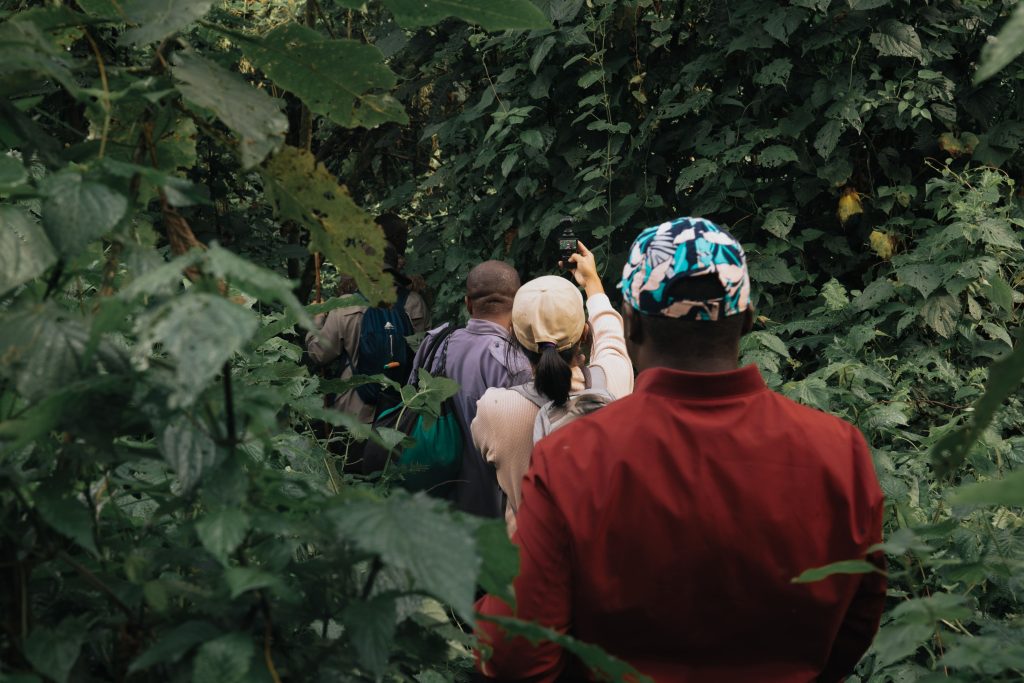
The minimum age for standard gorilla trekking in Uganda is 15 years. The rule is set by the Uganda Wildlife Authority and applies in Bwindi Impenetrable National Park and Mgahinga Gorilla National Park. The age limit exists for several reasons: children may struggle with long, steep hikes; maintaining the required distance and quiet behavior can be difficult; and gorillas are vulnerable to human-borne diseases. Park officials may request proof of age if a traveler appears near the cutoff. Exceptions are rare and should not be assumed when planning a trip. Families with younger children often split activities, with eligible participants trekking while others visit cultural sites, community projects, nature walks, or wildlife areas nearby. If you are booking through a tour operator, provide all travelers’ ages in advance so permits are issued correctly and alternative activities can be arranged where needed.
Yes. Many older travelers successfully complete gorilla treks in Uganda. Age alone is not the deciding factor; mobility, cardiovascular fitness, balance, and overall health matter more. If you have knee, hip, respiratory, or heart conditions, discuss the trek with your doctor before booking. Uganda offers practical accommodations for less-mobile visitors, including porter support, walking sticks, and in some sectors a sedan-chair/stretcher service carried by a team of local porters for an additional fee. Request these arrangements well in advance through your operator or lodge. Rangers often try to assign easier or shorter-access gorilla families when availability allows, but terrain and gorilla movements cannot be guaranteed. Choose a lodge close to your trekking sector, avoid overloading the itinerary with long road transfers, hydrate well, and pace yourself. With realistic expectations and proper support, many seniors find the experience both manageable and deeply rewarding.
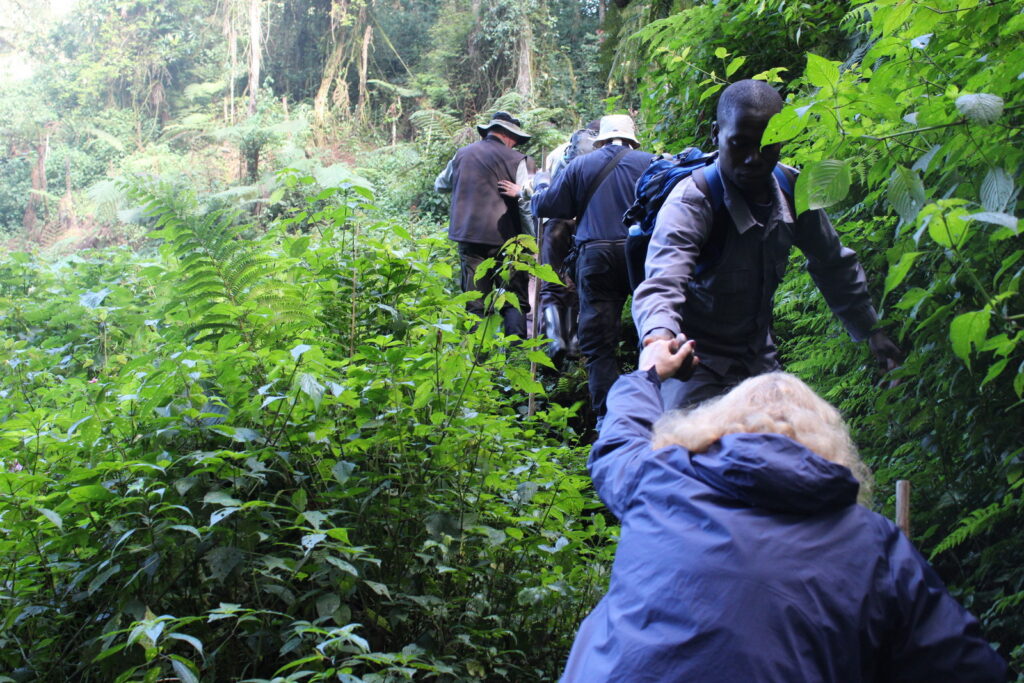
Gorilla trekking and gorilla habituation are different experiences with different permits, durations, and conservation purposes. On a standard trek, visitors hike to a fully habituated gorilla family and spend one hour with the group once found. The permit is cheaper than habituation and is available in more sectors. Gorilla habituation is a specialized experience offered in limited areas of Bwindi Impenetrable National Park. Visitors join researchers and rangers working with a semi-habituated family that is still becoming accustomed to human presence. The permit is more expensive, group sizes are smaller, and guests may spend up to four hours with the gorillas after locating them. Habituation is usually more physically demanding, less predictable, and aimed at travelers seeking a longer, more immersive encounter and insight into gorilla research and management.
There is no single universally “best” sector of Bwindi Impenetrable National Park; the right choice depends on your itinerary, budget, road connections, and hiking preference. Buhoma is the classic northern sector with long-established lodges and good access from western Uganda. Ruhija sits at higher elevation and often feels quieter, with excellent birding opportunities. Rushaga has the largest concentration of habituated gorilla families and is the main base for the gorilla habituation experience. Nkuringo offers dramatic scenery and a more remote feel, but terrain can be steep. Gorilla sightings are excellent across all sectors because permits are issued only for monitored habituated groups. Rather than chasing a mythical “best sector,” choose the sector that minimizes transfer time and matches your fitness level. Your lodge location should ideally be in the same sector as your permit.
For the best choice of dates and sectors, book Uganda gorilla permits 6–12 months in advance, especially for travel in June–September and December–February. Permits are limited, tied to a specific date and sector, and can sell out well before peak travel periods. If your schedule is fixed, secure permits first and build flights and accommodation around them. Last-minute permits sometimes appear through cancellations, but relying on that is risky for international trips. Travelers using the gorilla habituation experience should book even earlier because availability is smaller. Reputable operators can often check real-time inventory with the Uganda Wildlife Authority and place permits on hold while payment is arranged. After booking, verify the permit holder names exactly match passport details, confirm the trekking sector, and understand amendment and cancellation policies before final payment. Early booking usually yields better lodge choices and smoother logistics.
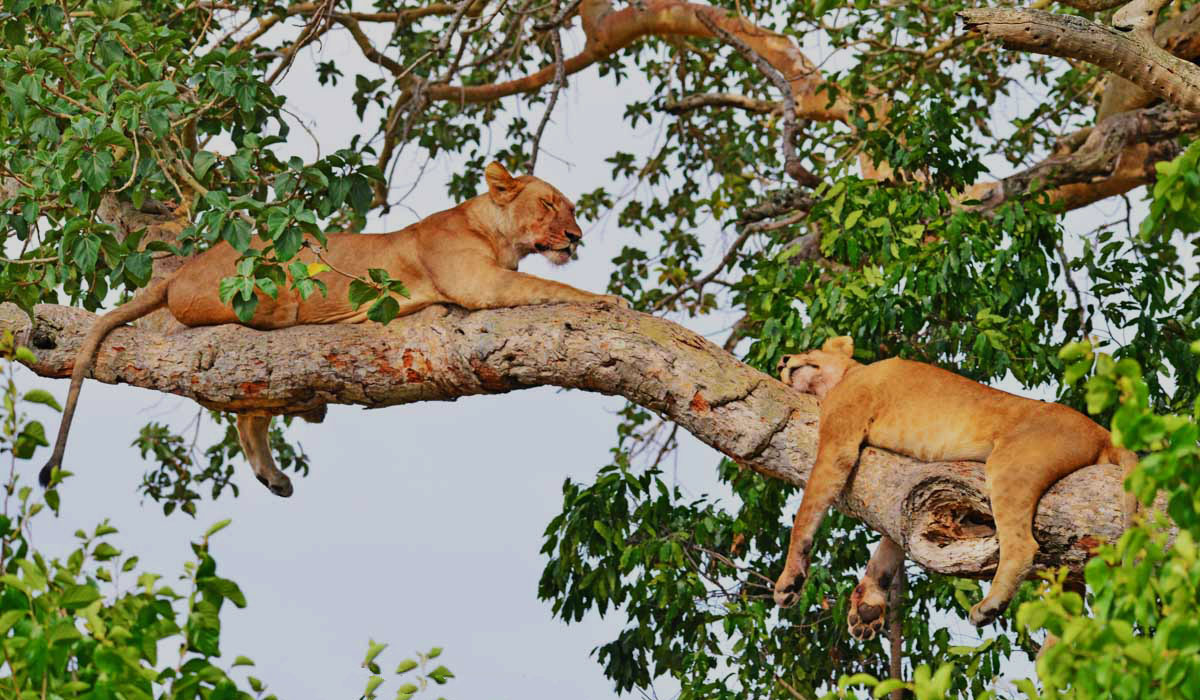
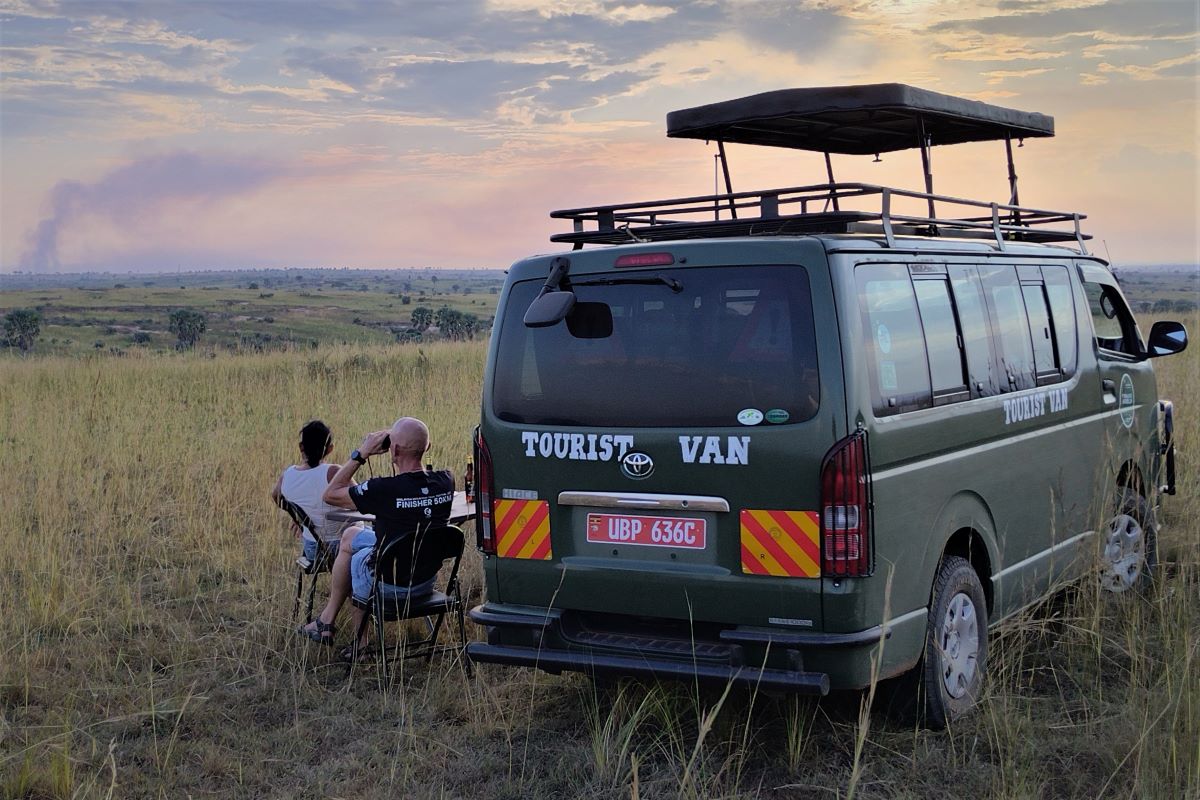
Absolutely. Combining gorilla trekking with a classic wildlife safari is one of Uganda’s strongest advantages because the country offers both mountain gorillas and major savannah parks within the same itinerary. A common route links Bwindi Impenetrable National Park or Mgahinga Gorilla National Park with Queen Elizabeth National Park for tree-climbing lions, boat cruises, elephants, and buffalo. Longer trips may add Murchison Falls National Park for giraffes, hippos, crocodiles, and the Nile, or Kibale National Park for chimpanzee trekking. The main planning challenge is travel time: road transfers can be lengthy, so many visitors choose a 6–10 day itinerary or add a domestic flight for comfort. A well-designed combined trip balances one demanding gorilla trekking day with lighter game drives and boat activities before or afterward.
The biggest percentage of people who come on our trips for gorilla tacking usually combine gorillas with other interesting activities to make for a more wholesome safari. Gorillas can been combined with any other activities you are interested in.
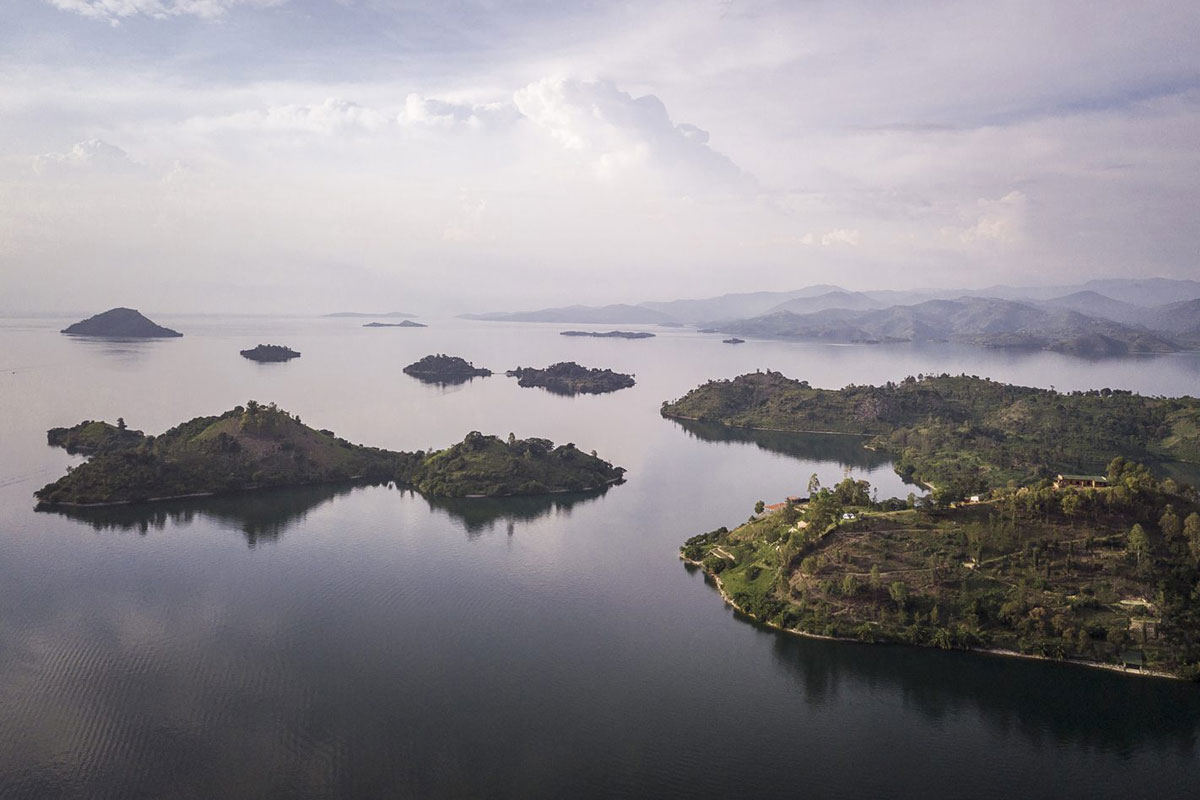
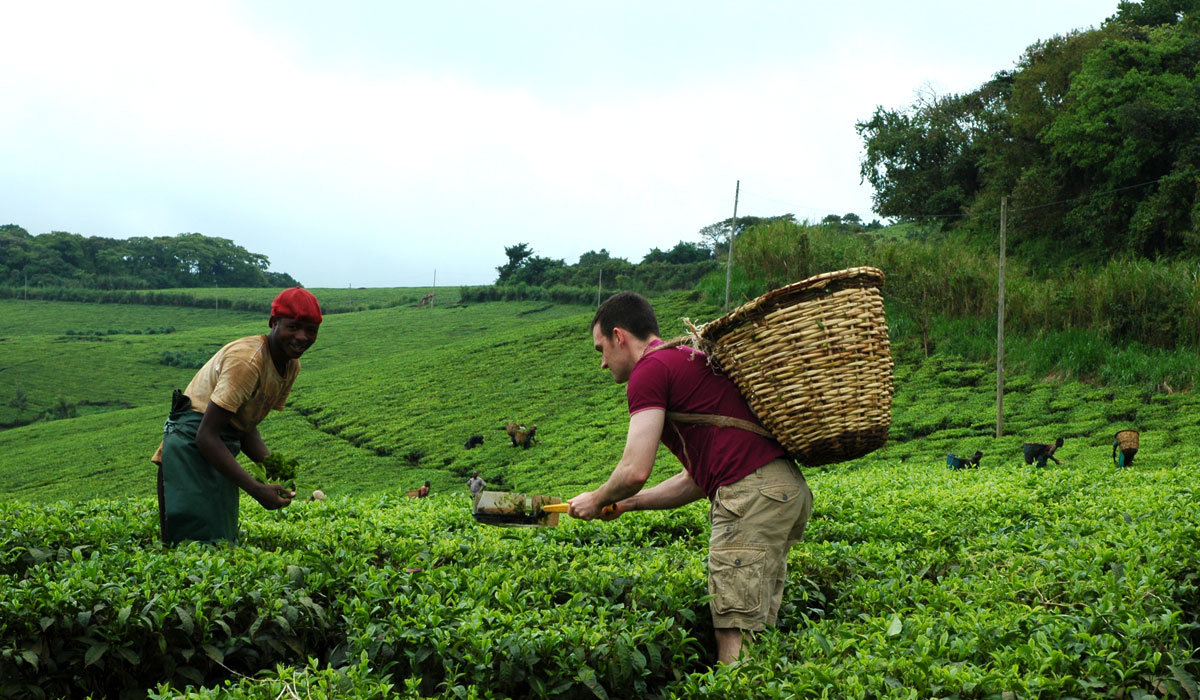
The common combinations are adding wildlife viewing, birding, relaxing on a beautiful lake, cultural encounters, white water rafting among others. Places like Queen Elizabeth National Park, Lake Mburo National Park, Lake Bunyonyi, Lake Kivu and Mgahinga Mountains are located near the home of gorillas and offer very many activities that can interest both the young and the old.
To best see how we combine gorillas with other activities, take a look at our longer safari packages of more than 4 days. This will give you an idea of how everything would flow.
As of 2026, a standard Uganda gorilla trekking permit for foreign non-residents is generally US$800 per person per trek, while East African Community citizens pay substantially less under resident rates. Permit prices can change, so always verify the current tariff with the Uganda Wildlife Authority before booking. The permit covers park entry for the trek, ranger guidance, conservation fees, and one hour with a habituated mountain gorilla family once located. It does not usually include transport, accommodation, porter fees, tips, or visas. Because permits are quota-based and tied to a specific date, sector, and gorilla family, availability becomes limited quickly in peak months. Booking through a licensed Uganda tour operator can simplify permit procurement, itinerary coordination, and payment logistics. Confirm inclusions, cancellation terms, and transfer times before paying.
Treks normally continue in rain. Bwindi Impenetrable National Park and Mgahinga Gorilla National Park are tropical mountain forests where showers can occur even in drier months. Rangers may adjust the pace, route, or safety advice if trails become slippery, but permits are not automatically canceled because of ordinary rain. The practical impact is that mud increases, vegetation becomes wet, visibility may vary, and hiking can feel more strenuous. Pack a waterproof jacket, rain cover for your backpack, quick-dry layers, gaiters if you use them, and gloves for grabbing vegetation. Waterproofing cameras and phones is important. Ironically, light rain can sometimes make the forest feel quieter and more atmospheric. If weather becomes genuinely dangerous, such as severe storms, landslides, or other safety threats, park authorities make operational decisions, but routine rain is considered a normal part of the gorilla trekking experience.