
In 2026, the global fascination with the Great Migration has reached a fever pitch. While the dramatic river crossings of the Maasai Mara and Serengeti are the main stage, the real theater of the wild happens in the wings. For the seasoned safari-goer, the migration is not just about the million-strong herds of wildebeest; it is about the unprecedented concentration of apex predators that follow them.
At Primate World Safaris, we have observed a shift in travel trends. Our clients are no longer satisfied with just seeing a lion; they want to witness the strategy, the stealth, and the raw power of a hunt. To see this, you have to know where these predators hide. They don’t stand in the open plains waiting for a meal; they utilize the Hidden Geometry of the savannah.
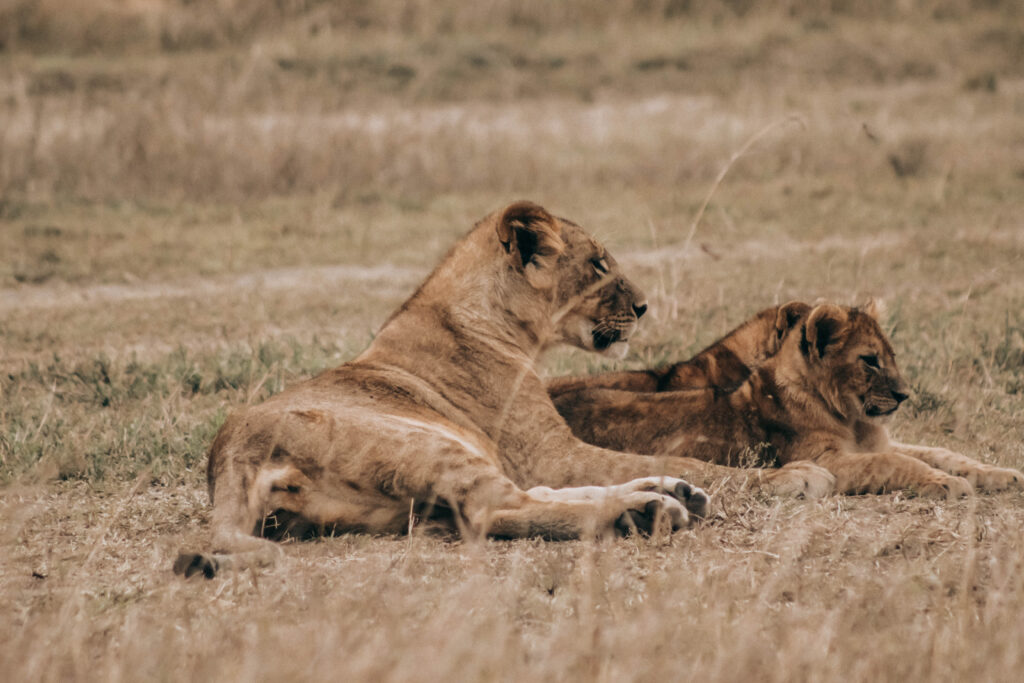
During the August–October peak in the Maasai Mara and the January, March calving season in the Southern Serengeti, predator density reaches its highest levels on the continent.
Predator | Hunting Style | Best Hidden Location | 2026 Probability |
Lion | Ambush / Pride Coordination | Tall Red Oat Grass & Luggas | 95% |
Leopard | Solitary / Vertical Ambush | Riverine Croton Thickets | 70% |
Cheetah | High-Speed Pursuit | Termite Mounds & Flat Plateaus | 85% |
Spotted Hyena | Endurance / Opportunistic | Underground Dens & Shallow Pools | 90% |
Nile Crocodile | Aquatic Ambush | Submerged Rocks (Mara River) | 99% |
In the Maasai Mara, the Red Oat Grass grows tall and thick after the rains. By August, it turns a golden-bronze color that perfectly matches a lion’s coat.
Leopards are the most elusive predators of the migration. While the lions are in the grass, the leopards are in the trees.
Unlike the ambush-heavy lion and leopard, the cheetah needs visibility. However, they still need to hide their approach.
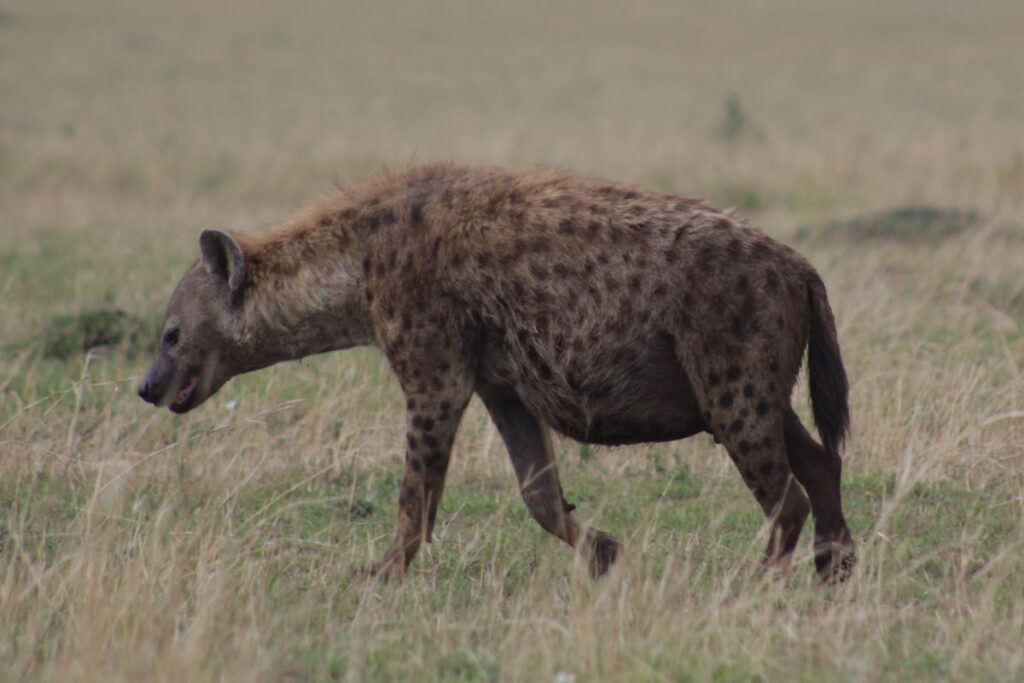
Often unfairly maligned, the hyena is a highly successful predator that accounts for more migration kills than lions in certain sectors.
While not a land predator, the crocodile is the primary architect of the River Crossing drama.
In 2026, the Golden Window for hunting action is July to September in the Maasai Mara and January to March in the Southern Serengeti. Predators are most active at dawn (6:00 AM) and dusk (6:30 PM), though river crossings can trigger mid-day hunts.
Yes. In the National Reserve, off-roading is strictly prohibited. In private conservancies like Mara North, guides are often allowed to drive off-track (responsibly) to follow a hunt, giving you a front-row seat to the action.
Our 2026-spec safari vehicles are designed to be invisible to the animals. As long as you remain inside the vehicle and stay quiet, the predators view the car as a neutral object. They will often walk within inches of the tires.
While Uganda has the Big Five, the Great Migration predators (specifically the high-density lion and cheetah populations) are a Kenya/Tanzania phenomenon. However, Uganda offers Tree-Climbing Lions in Ishasha, which is a specialized predator experience you can’t find in the Mara.
For predators, you need a Fast lens (f/2.8 or f/4) because they are most active in the low light of dawn and dusk. A 400mm lens is the 2026 standard for capturing the intensity in a lion’s eyes without disturbing the hunt.
The Great Migration is a story of movement, but the predators are the story of patience. By looking beyond the river and into the red oat grass, the luggas, and the fever trees, you discover the true heartbeat of the savannah.
At Primate World Safaris, we don’t just take you to the herds; we take you to the shadows where the real action happens. Our 2026 Predator Specialists are guides who have spent decades learning the individual territories of the Mara’s big cats.
We have two Specialist Predator slots remaining for our September 2026 itinerary in the Mara North Conservancy.