
In the world of primate safaris, most travelers are familiar with the Golden Hour, that sixty-minute window permitted for standing in the presence of mountain gorillas or habituated chimpanzees. But for the true adventure seeker in 2026, one hour is merely an introduction.
Chimpanzee Habituation (CHEX) is the deep-dive alternative. It is an immersive, raw, and intellectually stimulating encounter that takes you behind the scenes of wildlife conservation. Instead of visiting a finished product, a troop already bored by human presence, you join researchers in the active process of acclimating semi-wild chimps to people.
At Primate World Safaris, we’ve seen a significant shift in 2026: travelers are increasingly choosing the 4-hour habituation over the 1-hour trek. Here is why four hours isn’t just more time, it’s a completely different experience.
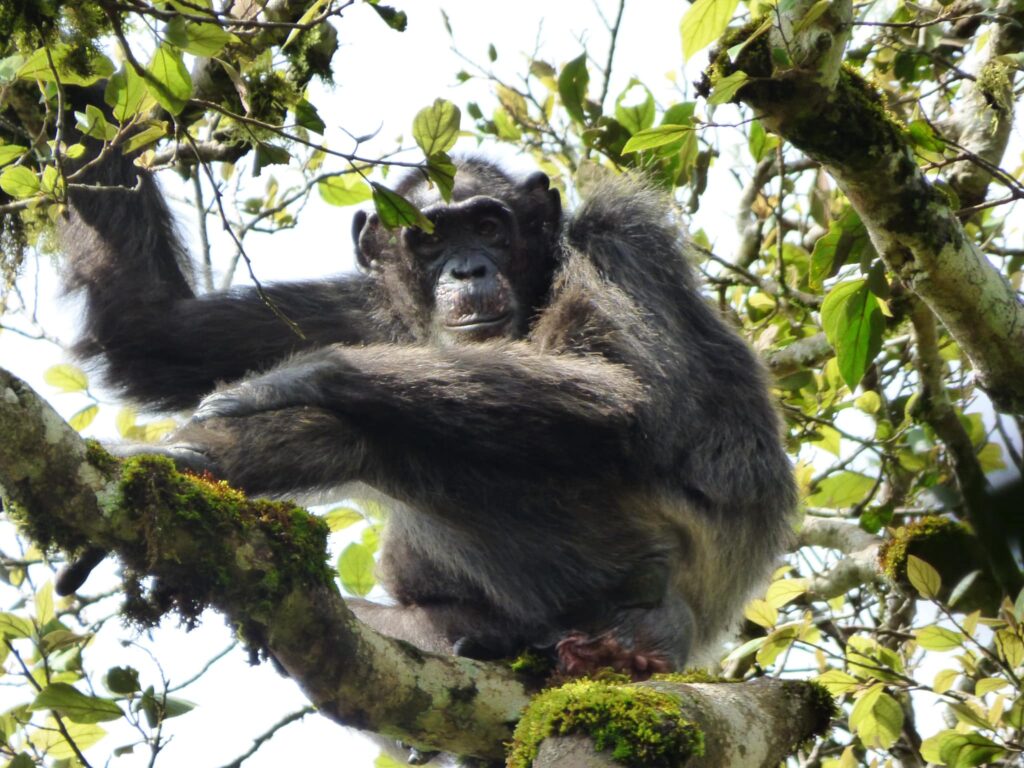
During a standard 1-hour trek, you typically catch a tableau. You see a chimp grooming, perhaps a mother nursing, or a high-ranking male patrolling. It’s beautiful, but it’s a snapshot.
In four hours, you witness a storyline. You see the social hierarchy in flux. In 2026, researchers in Kibale National Park, the Primate Capital of the World, are tracking complex family dynamics that only reveal themselves over time. You might watch a young male attempt to challenge an alpha, fail, and then spend the next hour politicking with other males to build a coalition.
Activity | 1-Hour Trek | 4-Hour Habituation |
Socializing | Brief grooming sessions. | Complex power struggles and coalition building. |
Feeding | Watching them eat fruit. | Strategic hunting for colobus monkeys or honey. |
Nesting | Seeing empty nests from the night before. | Watching them de-nest at dawn or build new ones. |
Movement | Static viewing in one spot. | High-speed forest patrols alongside the troop. |
When you book a habituation permit, you aren’t just a tourist; you are a participant. You are accompanied by Uganda Wildlife Authority (UWA) researchers and primatologists.
In 2026, this experience has become a Living Classroom. The researchers explain the individual personalities of the chimps, the mischievous one, the peacekeeper, or the new mother. You learn how to identify individuals by their ear notches, graying hair, or facial scars. This level of intimacy is impossible to achieve in a sixty-minute window.
For wildlife photographers, the 1-hour trek is often a race against the clock. The light in the rainforest is notoriously difficult, flickering through the canopy.
A 4-hour habituation removes the panic of the shot. It allows you to:
Kibale National Park is popular. During peak seasons (June–August), standard treks can feel a bit crowded, even with the group limits.
Habituation permits are far more exclusive. In 2026, only 4 visitors are allowed per habituation group per day. While standard treks might have multiple groups in the same sector, the habituation team often heads deeper into the forest, far from the established trails. If you value silence and the feeling of being the only human in the woods, the 4-hour permit is your ticket to solitude.
While the cost is higher, the per-minute value of habituation is actually superior.
Yes. Because these chimps are semi-habituated, they are more mobile and less predictable. You may need to move quickly through the undergrowth to keep up with them. We recommend a moderate level of fitness for the 4-hour experience.
For a true habituation experience, you must be at the Kanyanchu Visitor’s Centre by 6:00 AM. The goal is to reach the chimps before they de-nest (wake up and leave their night nests).
Unlike the 1-hour trek, you cannot return to the lodge for lunch. You must pack:
Yes, the minimum age for both chimpanzee trekking and habituation in Uganda is 15 years old.
Absolutely. Kibale is home to 13 species. During your 4 hours, it is highly likely you will spot Red Colobus, L’Hoest’s Monkeys, and Grey-cheeked Mangabeys as they often occupy the same forest strata as the chimps.
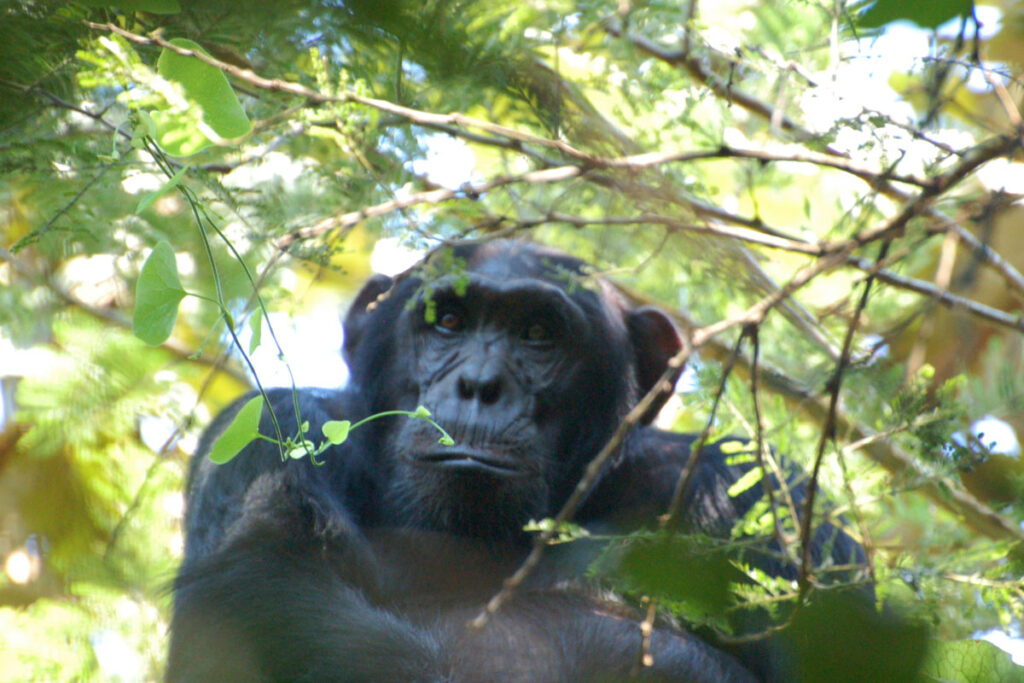
If you are coming to Africa to check a box, the 1-hour trek is perfect. But if you are coming to understand, to observe, and to connect, the 4-hour habituation is the only choice. It is the difference between watching a movie trailer and seeing the full feature film.
In 2026, as the world moves faster, there is a profound luxury in spending four hours sitting quietly in the mud of an ancient forest, watching our closest relatives navigate their world.
At Primate World Safaris, we specialize in securing the limited 4-person-per-day habituation permits.