
For travelers seeking the most immersive primate encounter in the world, 2026 has solidified the Chimpanzee Habituation Experience (CHEX) in Kibale National Park as the premier choice. While a standard trek provides a brief, one-hour “snapshot” of a habituated troop, the habituation experience offers a four-hour window into the raw, unscripted lives of our closest biological relatives.
At Primate World Safaris, we view this as more than just a tour; it is a full-day scientific immersion. Here is your definitive authority guide to the Kibale habituation experience for the 2026 season.
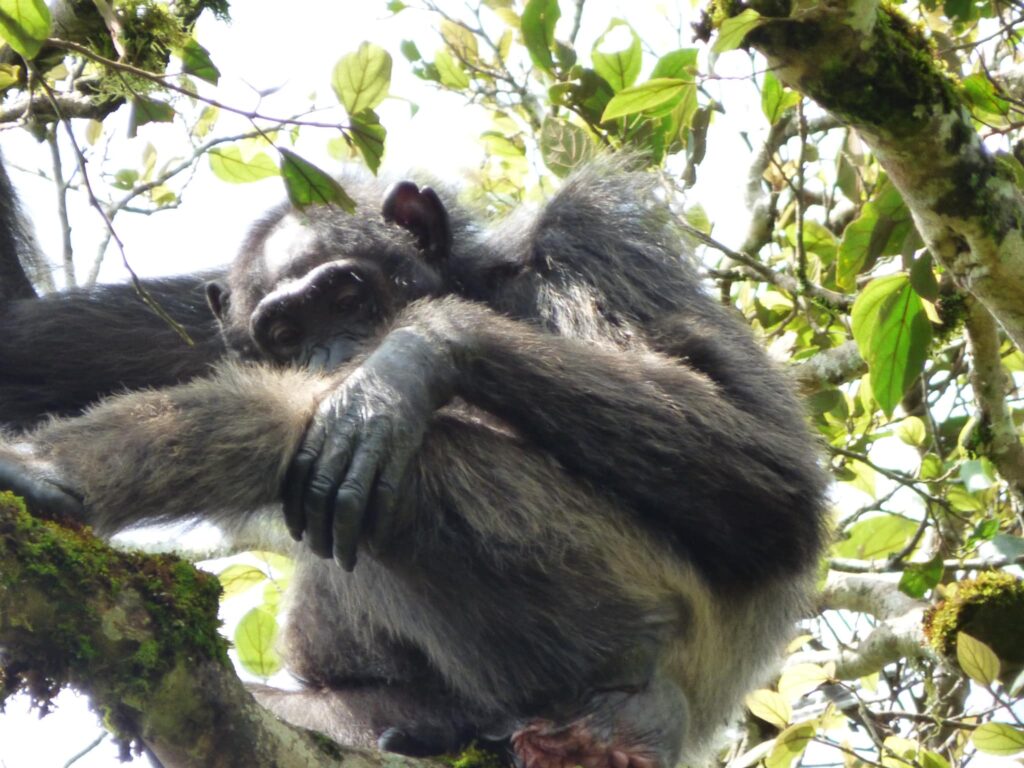
In 2026, the primary question from travelers remains the same: “Why should I choose habituation over a standard trek?” The difference lies in the state of the chimpanzees and the depth of the encounter.
Logistics are the foundation of any high-end safari. As of the current 2024–2026 UWA tariff cycle, permits for the habituation experience have been adjusted to reflect the exclusivity of the activity.
The 2026 CHEX Permit Table
Category | Permit Cost (per person) | Time Allowed with Chimps |
Foreign Non-Resident | $300 USD | 4 Hours |
Foreign Resident (Uganda) | $250 USD | 4 Hours |
East African Citizen | UGX 250,000 | 4 Hours |
A standard hour with chimpanzees is often a flurry of photography. A four-hour encounter allows you to put the camera down and observe complex social dynamics.
The day begins at dawn. You often reach the community just as they are descending from their overnight nests. The first hour is dominated by vocalizations, the famous “pant-hoots” that signal the start of the day, and intense foraging as the group moves toward fruiting trees.
Once the morning hunger is satisfied, the group settles. This is the “Golden Window” for behavior observation. You will witness:
Chimpanzees often take a mid-day break during the heat. Sitting in the stillness of Kibale with 20+ primates dozing around you is a spiritual experience. This is when researchers will help you identify individuals by their facial scars, ear shapes, and distinct personalities.
In 2026, the greatest value of the $300 permit is the presence of the UWA researchers.
Unlike a standard guide, these researchers have spent years following this specific troop. They can explain the “politics” of the group, who is challenging the Alpha male, which mother is most protective, and the specific meanings behind different vocalizations. This transformational education turns a “wildlife sighting” into a “life lesson.”
While Kibale is open year-round, the “Golden Month” strategy (as discussed in previous guides) applies here too.
Because you are spending twice the time in the forest compared to a standard trek, your gear requirements are more stringent.
With a 6:00 AM start time, your choice of lodge can mean the difference between an extra hour of sleep and a 4:00 AM wake-up call. In 2026, we recommend three tiers of lodging based on proximity:
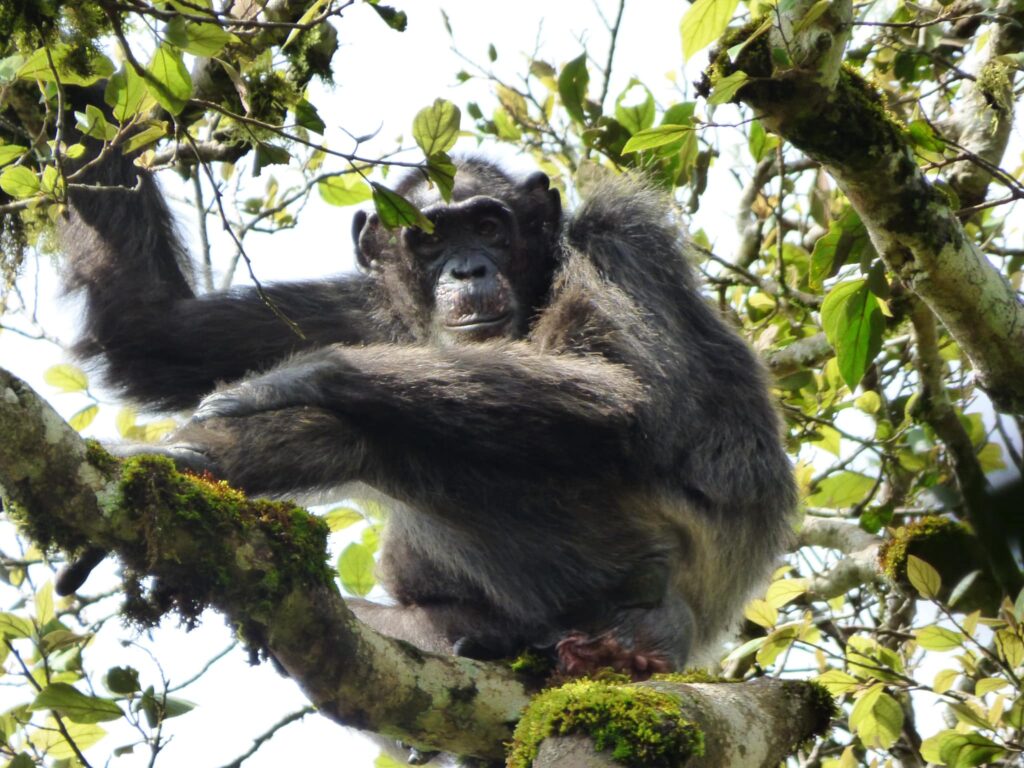
By choosing the Chimpanzee Habituation Experience, you are directly funding the salaries of the researchers who protect Kibale’s 1,500 chimpanzees. In 2026, tourism revenue is the primary shield against habitat loss and poaching. Your four hours in the forest ensure that these communities will remain for generations to come.
Primate World Safaris has a dedicated desk for UWA permit synchronization. Because there are only 12 habituation permits available daily across the entire park, we recommend booking your 2026 dates at least 2-6+ months in advance.