Gorilla trekking packing list for 2026

The Ultimate Gorilla Trekking Packing List: The Luxury Edition

A gorilla trekking expedition in the Bwindi Impenetrable Forest or Volcanoes National Park is a profound journey into the heart of the natural world. In 2026, the “gold standard” for this adventure has shifted. It is no longer just about survival in the rainforest; it is about utilizing high-performance gear to enhance your comfort, maximize your photography, and ensure your presence supports the conservation of the mountain gorilla.

This guide outlines the essential “Trust Stack” of gear for the modern luxury traveler, separated by technical performance and intent.
 

Gorilla trekking packing list


1. Technical Apparel: The “Triple-S” System

In the humid, high-altitude environments of Uganda and Rwanda, traditional cotton is your enemy. For 2026, we recommend the Triple-S System: Synthetic, Seamless, and Sustainable.

The Base Layer: Moisture Management

Humidity in the rainforest often exceeds 80%. You need moisture-wicking fabrics that pull sweat away from the skin to prevent “jungle chill” during stationary observation hours.

  • Recommendation: Look for TENCEL™ lyocell or high-end recycled polyamide shirts.
  • Key Feature: BUGTech™ or NosiLife integrated fabrics. In 2026, these permanent insect-shield treatments are essential for repelling tsetse flies and mosquitoes without the need for constant chemical sprays.
  • Color Palette: Stick to “Safari Sage,” “Katavi Khaki,” or “Antelope Brown.” Avoid blue and black (which attract tsetse flies) and bright whites or neons (which can startle wildlife).


The Mid-Layer: Regulated Warmth

Mornings in the Virunga Mountains can be as cold as 10°C (50°F).

  • The 2026 Choice: A lightweight, packable micro-fleece or a “Shacket” (shirt-jacket) made from recycled wool. It should be breathable enough to wear under a raincoat but warm enough for a pre-dawn briefing.


The Outer Shell: 100% Waterproofing

The “Impenetrable Forest” earned its name for a reason; it rains year-round.

  • Requirement: A high-spec GORE-TEX® or similar breathable waterproof jacket.
  • Pro Tip: Ensure your jacket has “pit zips” (underarm ventilation). You will be hiking up steep volcanic slopes; without ventilation, you will be as wet from sweat on the inside as you are from rain on the outside.


2. Footwear & Extremities: The “Foundation of the Trek.”

Your feet are your most important asset. A single blister can ruin a $1,500 trekking permit.

High-Traction Hiking Boots

  • The Standard: Mid-to-high-cut waterproof boots with aggressive “Lugs” (sole tread).
  • 2026 Innovation: Many luxury travelers are now opting for Vegan-certified technical boots (like those from Vivobarefoot or La Sportiva), which offer the same protection as leather but dry 40% faster.
  • Critical Advice: “Break in” your boots at least 3 weeks before arrival. The mud in Bwindi is unforgiving to stiff, new leather.


The “Ant-Proof” Sock Strategy

  • The Kit: Moisture-wicking merino wool socks (e.g., Smartwool or Darn Tough).
  • The Tactic: You will be instructed to tuck your trousers into your socks. This prevents the famous “Safari Ants” from crawling up your legs. It may not be a fashion statement, but it is a functional necessity.


Protective Gardening Gloves

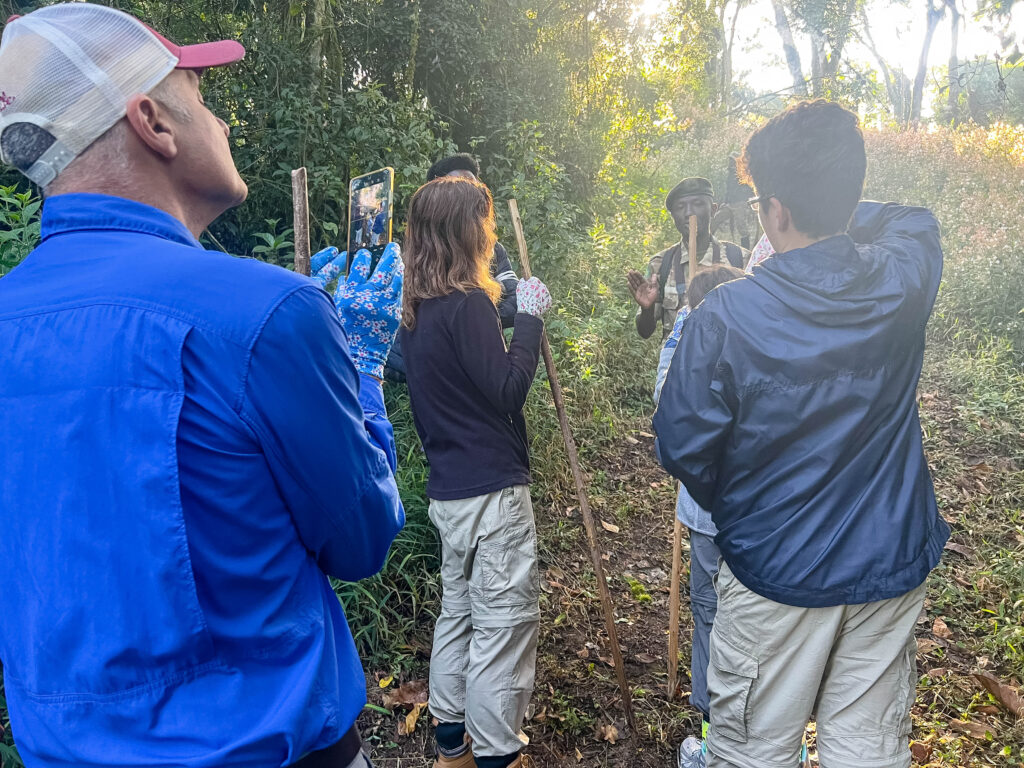
It sounds counterintuitive for a luxury safari, but a pair of sturdy gardening gloves is a top-three essential. When navigating steep terrain, you will instinctively grab onto vines, branches, and roots, many of which have thorns or “stinging nettles.”


3. The 2026 Tech & Photography Kit

Photography rules have tightened in 2026 to protect gorilla eye health and group peace.


Camera Gear for the “Dark Jungle”

The forest canopy is thick, meaning you are often shooting in “Low Light” conditions.

  • The Body: A Mirrorless camera (Sony A7 IV, Canon R6 II) with excellent High-ISO performance.
  • The Lens: A 70-200mm f/2.8 is the “sweet spot” lens. It allows you to capture intimate portraits from the required 7-10 meter distance while letting in enough light to keep your images sharp.
  • The Rule: NO FLASH. Flash photography is strictly prohibited and can lead to immediate removal from the forest.


Power & Storage

  • Batteries: Bring at least three fully charged batteries. Cold mountain air and high-ISO shooting drain power rapidly.
  • Storage: 128GB high-speed SD cards. You will likely take 500+ photos in your one-hour window; you don’t want to be deleting files while a silverback is posing.


The “Silent” Revolution

In 2026, rangers prefer guests who use Silent Shutter modes. The “clack-clack” of traditional DSLRs can be disruptive to the calm of a gorilla family.


4. Health, Safety & The “Bio-Security” Pack

Gorillas share 98% of our DNA, making them highly susceptible to human respiratory diseases. In 2026, biosecurity is a pillar of “Regenerative Travel.”

The “Clean” Kit

  • Face Masks: While outdoor mask mandates have relaxed globally, you may still be required to wear a N95 or surgical mask when within 10 meters of the gorillas.
  • Hand Sanitizer: Use it before and after the trek.
  • Symptom Check: If you have a cold or the flu, you will be prohibited from trekking. Primate World Safaris recommends comprehensive travel insurance that covers “Medical Cancellation” for this reason.

Personal First Aid

Your lodge will have a kit, but your daypack should contain:

  • Blister Plasters (Compeed): Essential.
  • Rehydration Salts: The humidity causes rapid electrolyte loss.
  • Anti-Histamines: For unexpected plant stings or insect bites.
  • Sunscreen (SPF 50+): Even under the canopy, the equatorial sun at 2,000m is intense.


5. The “Daypack” Essentials: Your Jungle Life-Support

Your porter (highly recommended to hire one for $15–$20) will carry your main pack, but you should have access to these items:

  1. Water: At least 2–3 liters. Use a reusable bladder (like a CamelBak) to minimize plastic waste.
  2. Lunch & Snacks: Your lodge will pack a “Trekkers Lunch.” Supplement this with high-protein energy bars or dried fruit.
  3. Rain Cover: Ensure your backpack has a built-in waterproof cover.
  4. Binoculars: 8×42 is the standard for spotting rare birds or monkeys in the canopy before you reach the gorillas.


6. What NOT to Pack (The 2026 “No-Fly” List)

  • Plastic Bags: Both Uganda and Rwanda have strict bans on single-use plastics.

  • Camouflage Patterns: In many East African countries, “Camo” is reserved for the military. Stick to solid earth tones.
  • Drones: Strictly prohibited in National Parks without highly specialized, pre-cleared commercial permits ($500+ fee).
  • Strong Perfumes: Scents can attract unwanted insects and disturb the gorillas’ keen sense of smell.


Summary Checklist for your 2026 Journey

Category

Must-Have Item

Why?

Footwear

Broken-in Waterproof Boots

Stability & Grip

Hand Wear

Gardening Gloves

Protection from Nettles/Thorns

Tech

70-200mm f/2.8 Lens

Low-light Portraiture

Safety

N95 Face Mask

Primate Bio-security

Clothing

Long-sleeved BUGTech™

Insect & Scratch Defense

Logistics

Gorilla Permit (Original)

No Permit = No Trek

Gorilla trekking packing list

The Final Word on 2026 Prep

Gorilla trekking is a physical and emotional investment. By packing with intent, you transition from being a spectator to a prepared explorer. With the Gorilla trekking packing list, you allow yourself the mental space to put the camera down, look into the eyes of a 400-pound Silverback, and realize that you are standing in the presence of our closest ancient relatives.


Ready to secure your 2026 dates?


Would you like us to check the current permit availability for the Bwindi or Volcanoes sectors for your preferred travel month?

Contact Us

error: Content is protected !! Do not copy!!