
The year 2026 has ushered in a new era of “Adventure Independence” across East Africa. With the expansion of 4G networks deep into the Serengeti and the modernization of stretches of the Entebbe-Kampala Expressway, the dream of the Self-Drive Safari is more accessible than ever.
However, for first-timers, the decision between taking the wheel and hiring a professional guide is the most critical in the planning process. In the wild, “Safety” isn’t just about avoiding crime; it’s about navigating unpredictable terrain, interpreting animal behavior, and managing logistical crises 50 miles from the nearest town.
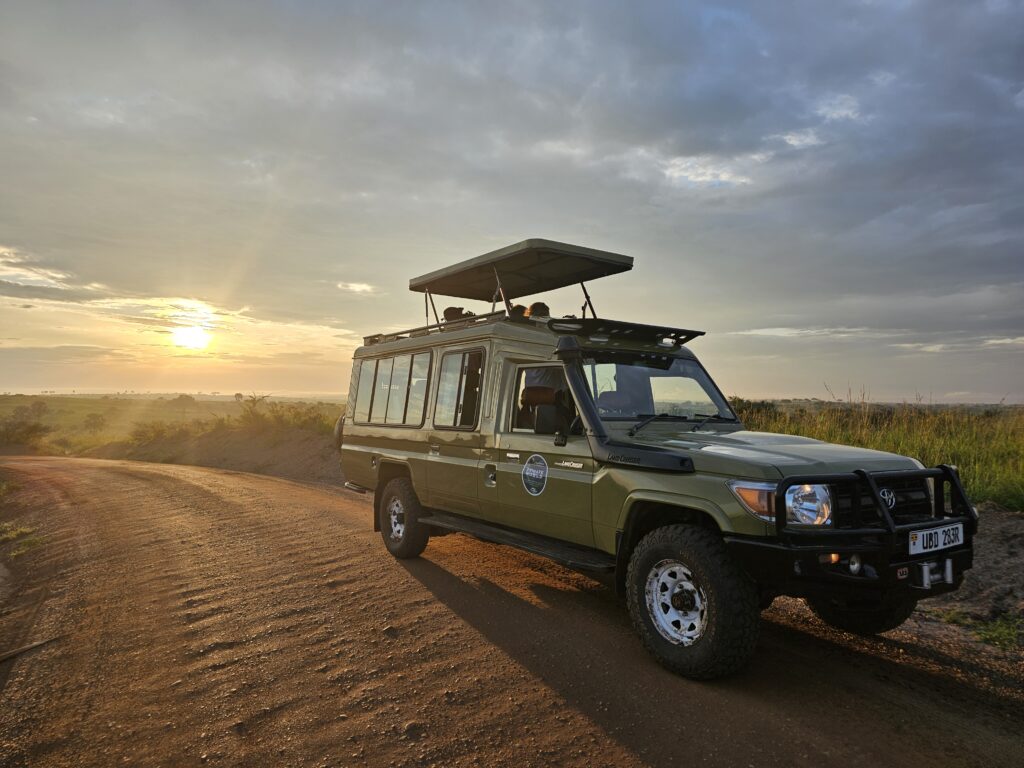
Before we dive into the nuances, let’s look at how these two modes of travel compare across the five primary safety pillars of a 2026 safari.
Safety Pillar | Self-Drive Safari | Guided Safari |
Wildlife Encounters | Moderate Risk: Requires self-education on “Elephant Etiquette” and “Lion Boundaries.” | Low Risk: Guides are experts in reading “bluff charges” and animal body language. |
Navigation | High Risk: GPS can be unreliable in forests; “shortcuts” often lead to swamp-traps. | Low Risk: Guides know the unwritten tracks and seasonal road washouts. |
Mechanical Security | Moderate Risk: You are the mechanic. Breakdowns in the bush are high-stress. | Low Risk: Most guides are Bush Mechanics and have 24/7 fleet backup. |
Road Safety | High Risk: Navigating Boda Boda chaos and unmarked speed bumps is exhausting. | Low Risk: You are a passenger; your driver understands the local road hierarchy.” |
Health & Emergency | Moderate Risk: You must manage your own first aid and evacuation calls. | Low Risk: Guides are trained in Wilderness First Aid and carry satellite links. |
For 90% of first-timers in 2026, the Guided Safari remains the gold standard for safety. A guide is more than a driver; they are a cultural interpreter and a biological early-warning system.
In Uganda and Kenya, road safety is less about signs and more about intuition.
When you encounter a Silverback in Bwindi or a Lion pride in the Mara, a guide is your insurance policy.
Self-driving in 2026 is for the “Seasoned First-Timer”, someone who has driven in challenging environments elsewhere (like the Australian Outback or the Icelandic Highlands) and wants total privacy.
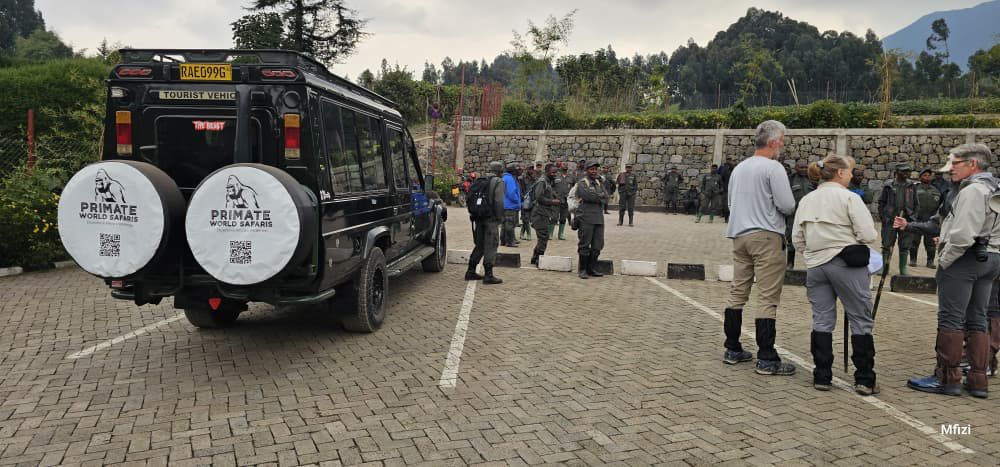
In 2026, companies like Primate World Safaris and Jackal Wild Adventures have equipped their fleets with:
For many, “Safety” includes health and social comfort. In a post-pandemic world, some travelers feel safer in their own “bubble,” avoiding the shared air of a group tour.
If you are dead-set on a self-drive for your first 2026 trip, not all parks are created equal.
Destination | Self-Drive Rating | Safety Reason |
Buhoma, Uganda | ❌ Not Recommended | The roads are steep, narrow, and prone to landslides in the rain. |
Murchison Falls, UG | ✅ Recommended | Wide, well-graded tracks in the Buligi sector; harder to get lost. |
Maasai Mara, KE | ⚠️ Caution | Black cotton soil can trap a 4×4 in minutes during a sudden downpour. |
Akagera, Rwanda | ✅ Recommended | Small, well-signposted, and incredibly safe infrastructure. |
A flat tire in your driveway is a nuisance; a flat tire in the Kidepo Valley at 5:00 PM is a crisis.
If you can’t decide, many 2026 travelers are opting for the “Guided-Start” model.
If you choose to go it alone in 2026, you must adhere to these four commandments:
For your first foray into the “Pearl of Africa” or the “Magical Mara” in 2026, the Guided Safari is the safer, more rewarding choice. While the allure of the open road is strong, the cognitive load of navigating “the wild” can actually detract from your experience.
A guide doesn’t just keep you safe; they liberate you to be a tourist, to look at the lion through your binoculars rather than looking at the temperature gauge on your dashboard.