
In 2026, Rwanda will have successfully shed its reputation as a destination reserved solely for the $1,500-a-night elite. While the mountain gorillas of the Virungas remain the country’s high-status crown jewels, a parallel world of raw adventure and affordable exploration has flourished along the country’s western frontier.
For the budget-conscious traveler, especially those joining us via the seamless Turkish Airlines link, the Congo Nile Trail (CNT) represents the ultimate Slow Safari. Stretching 227 kilometers from Rubavu in the north to Rusizi in the south, this trail offers a window into the soul of rural Rwanda for less than the cost of a single night in a luxury forest villa.
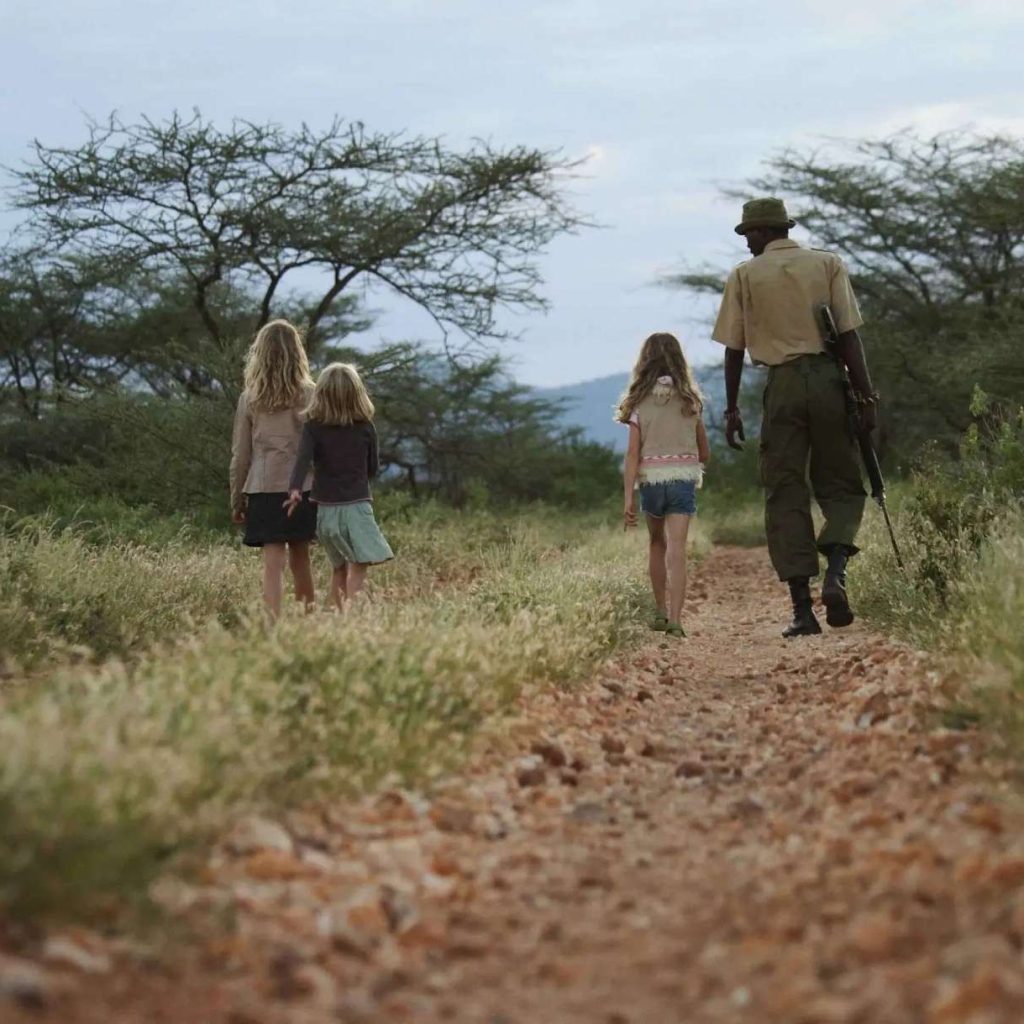
The Congo Nile Trail is a masterpiece of topography. It skirts the ridge that divides the Nile and Congo river basins, offering a rollercoaster of terraced hills, coffee plantations, and lakeside vistas.
Rwanda is nearly a cashless society in 2026. To survive the trail on a shoestring, you must master the local digital economy.
| Item | Cost (USD) | Cost (Local Equivalent) |
| Dorm Bed / Eco-Tent | $15 – $25 | ~20,000 – 32,000 RWF |
| Local Buffet (Mélange) | $2 – $4 | ~3,000 – 5,000 RWF |
| Bike Rental (Per Day) | $30 | ~38,000 RWF |
| Local Guide (Optional) | $20 | ~25,000 RWF |
| Public Boat Transfer | $5 | ~6,500 RWF |
You don’t need a five-star lodge to get a five-star view of Lake Kivu. Our Primate World Safaris scouts have identified the best value-for-money stays for the 2026 high season:
For travelers from Poland, Romania, and the Czech Republic, 2026 has made Rwanda more accessible than ever.
Yes. Rwanda remains one of the safest countries in the world in 2026. The trail is well-marked, and the local communities are used to seeing hikers and bikers. However, we always recommend reaching your destination before sunset, as mountain roads are unlit.
Technically, yes. Using apps like Maps.me or Waze is reliable in 2026. However, a local guide (approx. $20/day) acts as a cultural bridge, helps with bike repairs, and ensures your money stays within the local village economy.
Yes! Unlike many of Africa’s Great Lakes, Lake Kivu is Bilharzia-free and has no hippos or crocodiles. It is the perfect (and free) recovery tool for sore muscles after a day of cycling.
Look for the Mélange sign. This is a local buffet where you get a massive plate of matooke (steamed bananas), beans, rice, and cassava for about $3. It is the highest calorie-per-dollar fuel available on the trail.
The Dry Seasons (June–September and December–February) are best. During the rainy season, the unpaved sections of the trail can become gorilla-glue mud, making cycling nearly impossible.
The Congo Nile Trail is proof that the Land of a Thousand Hills is accessible to anyone with a pair of sturdy boots and a sense of wonder. While the ultra-luxury lodges offer a sanitized version of the wild, the trail offers the real thing: the smell of drying coffee, the laughter of village children, and the mist rising off Lake Kivu at dawn.
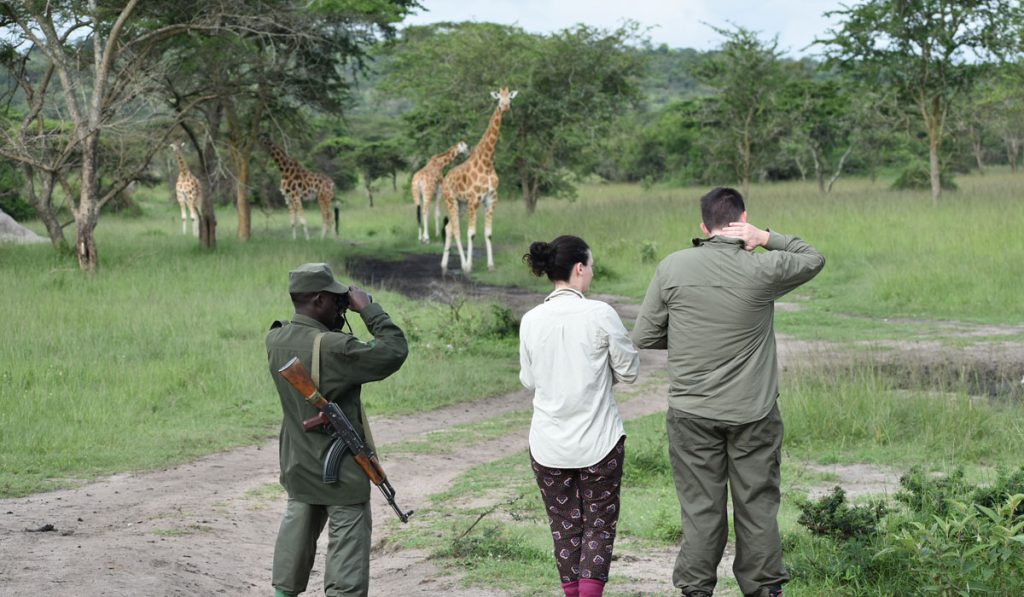
At Primate World Safaris, we can help you organize a budget-friendly bike rental or a hybrid Boat & Bike itinerary that hits all the scenic high points.
Would you like us to draft a 5-day budget itinerary for the Congo Nile Trail, including the best local Mélange stops and boat schedules?