
What to Expect During a Gorilla Briefing: The Critical First Hour of Your 2026 Safari

The Critical First Hour of Your 2026 Safari

The success of a gorilla trek in 2026 isn’t determined in the middle of the jungle; it is determined at 7:30 AM on the park headquarters’ lawn. This is the Mandatory Morning Briefing.

For many travelers, the briefing is seen as a mere formality. However, as your 2026 thought partner at Primate World Safaris, I can tell you that this hour is where the logistics of your “Pearl of Africa” adventure come to life. It is where groups are formed, families are assigned, and the “Rules of the Forest” are established to ensure the safety of both humans and primates.
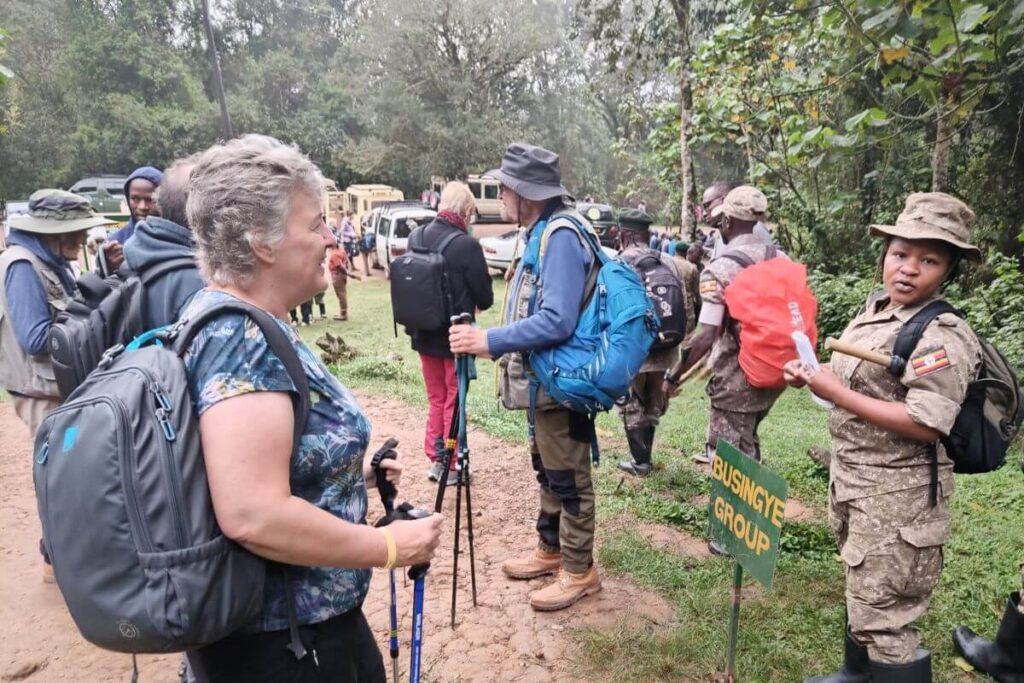
What to Expect During a Gorilla Briefing

1. The 2026 Briefing Timeline

In 2026, the Uganda Wildlife Authority (UWA) streamlined the morning process to ensure treks begin as early as possible, maximizing your chances of finding gorillas before they move deep into the valleys.

Time

Activity

Importance

7:00 AM

Arrival & Registration

Mandatory passport verification and permit check.

7:30 AM

The Formal Briefing

Education on gorilla behavior and safety protocols.

8:00 AM

Group Allocation

Assignment to a specific gorilla family (8 people max).

8:30 AM

Meet Your Team

Introduction to your Lead Ranger, Trackers, and Porters.

9:00 AM

Departure

The trek officially enters the forest boundary.


2. Step 1: Verification and the “Digital Check.”

Upon arrival at any of Bwindi’s four sectors (Buhoma, Ruhija, Rushaga, or Nkuringo), the first step is the verification of documents.

  • The 2026 Protocol: You must present your original passport and a valid permit. Rangers cross-reference these to ensure you meet the 15-year age limit we discussed in our Family Planning Guide.
  • Health Screening: In 2026, rangers are highly vigilant. If you are visibly coughing or sneezing, you may be disqualified from the trek to protect the gorillas from human-borne respiratory diseases.


3. Step 2: The “Rules of the Jungle” Presentation

The Head Warden will gather all trekkers to explain the “Do’s and Don’ts.” 

  • The 7-Meter Rule: You must maintain a distance of at least 7 meters (23 feet). Even if a curious infant approaches you, you are instructed to slowly back away.
  • The “Cough” Protocol: If you must cough or sneeze, you are taught to turn your head away and cover your face with your elbow or a mask.
  • Voice and Movement: You are reminded to keep your voice low and avoid sudden movements or direct eye contact, which a Silverback might interpret as a challenge.


4. Step 3: Group Allocation and the “Fitness Match.”

This is the most critical part of the morning. In 2026, rangers use the briefing time to observe the physical condition of travelers.

  • The Custom Fit: If you have followed our Physical Fitness Requirements guide and feel “safari-fit,” you can request a “Medium” or “Tough” family. If you are a senior or have mobility concerns, the rangers will attempt to assign you to a family that has been spotted closer to the park boundary.
  • The 2026 Strategy: At Primate World Safaris, our guides often arrive 30 minutes early to speak with the wardens, advocating for a specific family allocation that matches our clients’ photography or fitness goals.


5. Step 4: Meeting the “Support Squad.”

Once groups are formed, you are introduced to your Ranger Guide and Trackers.

  • The Lead Ranger: Your primary point of contact. In 2026, all Lead Rangers are armed, not to harm gorillas, but to scare off forest elephants or buffalo with “warning shots” if necessary.
  • The Trackers: These experts are already in the forest. They leave at dawn to find the spot where the gorillas nested the previous night and follow their trail. During the briefing, your Ranger is often in radio contact with them to get “Live Coordinates.”
  • The Porters: You will be invited to hire a porter (approx. $20 USD). As we’ve noted before, this is the best $20 you will spend in 2026. They carry your bag and, more importantly, provide a “hand of support” on slippery 45-degree slopes.


6. The “Cultural Kickoff” (Specific Sectors)

In sectors like Buhoma and Rushaga, the briefing is often preceded by a local community performance. Traditional dances and songs from the Batwa or Bakiga people provide a high-energy start to the day. It is a reminder that in 2026, your permit fee is directly supporting the livelihoods of the people living on the forest’s edge.


7. What to Carry to the Briefing Area

Don’t leave these in the car! You should have them on your person the moment you step out at HQ:
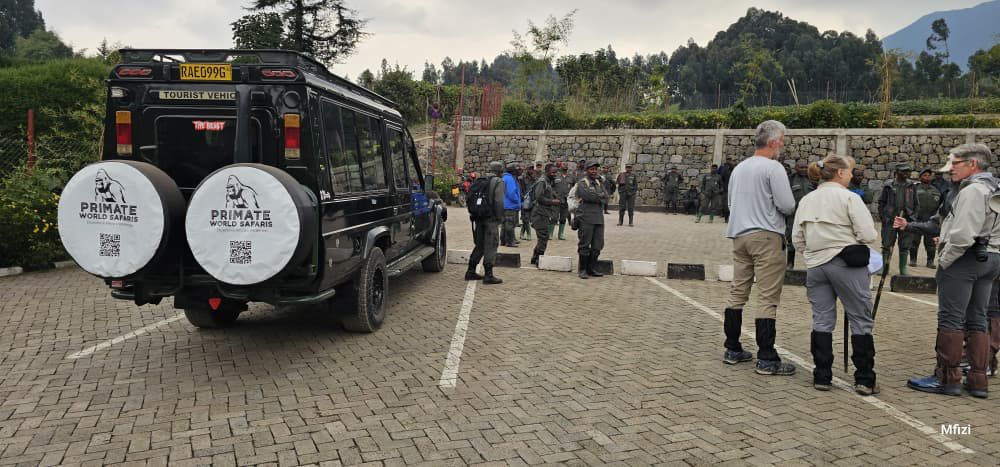
  1. Water: At least 2–3 liters.
  2. Lunch Box: Provided by your lodge.
  3. Rain Jacket: Even if the sun is out, Bwindi is a rainforest.
  4. Gardening Gloves: To protect your hands during the briefing, if you need to lean on vegetation while standing.
What to Expect During a Gorilla Briefing

8. Conclusion: From Spectator to Adventurer

The briefing is the moment the “dream” of the safari becomes a reality. It transitions you from a lodge guest into a focused trekker. By the time the Head Warden says, “Enjoy your trek,” you will have a clear understanding of the gravity and the glory of the experience ahead.

Are you ready to stand on the lawn at Buhoma?

At Primate World Safaris, our driver-guides handle the “Early Bird” registration for you, ensuring you are first in line for the best family allocations.

Would you like us to prepare a “Briefing Cheat Sheet” you can keep on your phone to remember the 10 core safety rules during your 2026 trek?

Contact Us

error: Content is protected !! Do not copy!!