
Choosing between Kenya and Tanzania for a maiden voyage into the African wilderness is a high-stakes decision. In 2026, the landscape of East African travel has shifted significantly. Both nations have invested heavily in infrastructure, luxury “Fly-In” logistics, and conservation-led experiences.
For the first-timer, the choice is no longer about which country has more animals; both are world-class, but rather about the rhythm of the journey, the budgetary value, and the logistical ease. At Primate World Safaris, we’ve analyzed the 2026 data to help you crown the winner for your debut safari.
Before diving into the nuances, it is essential to understand the structural differences between these two titans of the safari world.
Feature | Kenya (The Pioneer) | Tanzania (The Titan) |
Main National Park | Maasai Mara | Serengeti |
Logistical Pace | Faster, “Fly-In” focused | Slower, “Circuit” focused |
Luxury Availability | High density of boutique camps | Vast, exclusive private concessions |
Ease of Access | Superior (Jomo Kenyatta Int. Airport) | Moderate (Kilimanjaro or Dar es Salaam) |
Cost Profile | Generally more accessible/mid-range | Higher “Park Fees” & luxury entry point |
Best For | Families & “Time-Poor” Travelers | Adventure-seekers & “Slow Travel” Fans |
Kenya is often the winner for first-timers in 2026 because it is the most “user-friendly” safari destination.
While the Serengeti is larger, the Maasai Mara offers incredible wildlife density in a smaller area. For a first-timer, this means you spend less time “searching” and more time “viewing.” In 2026, the private conservancies bordering the Mara (like Naboisho and Olare Motorogi) have become the gold standard for those wanting to avoid the crowds we discussed in our [March in the Mara] guide.
Kenya wins on the “Hybrid” front. In 2026, you can have a world-class morning game drive in the Mara and, by 4:00 PM, be sipping a sundowner on the white sands of Diani Beach thanks to direct domestic flight paths that bypass Nairobi.
If Kenya is about accessibility, Tanzania is about immensity.
The “classic” first-timer route in Tanzania involves the Northern Circuit: Lake Manyara, the Ngorongoro Crater, and the Serengeti.
Tanzania has leaned heavily into the “Private Concession” model. If you have the budget, staying in a private reserve like Grumeti allows for off-roading and night drives, activities that are restricted in the main national parks.
For many first-timers, the Migration is the “Why.” In 2026, the timing remains the same, but the logistical strategy has changed.
Month | Where is the Migration? | Winner for First-Timers |
July – September | Maasai Mara (Kenya) | Kenya (River crossings are iconic here) |
January – March | Southern Serengeti (Tanzania) | Tanzania (Calving season; see March in the Mara for comparison) |
April – June | Central Serengeti (Tanzania) | Tanzania (The “Long Rains” provide value) |
As we’ve discussed in our Customizable Family Safari and Senior Safety guides, logistics are the “invisible” part of a successful safari.
In 2026, Tanzania’s government increased park fees significantly. A first-timer should expect to pay roughly 20–30% more for a similar level of luxury in Tanzania compared to Kenya.
In 2026, the most popular “First-Timer” move is not choosing one over the other, but combining one with a Uganda Gorilla Trek.
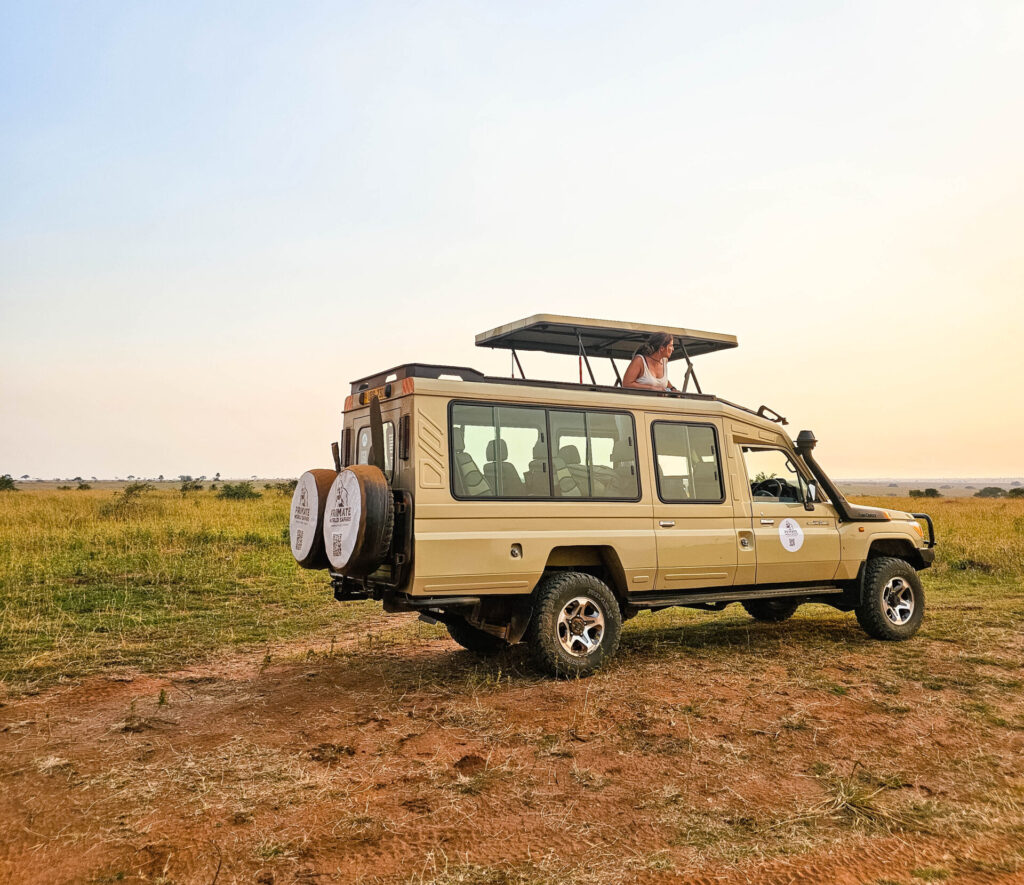
At Primate World Safaris, we specialize in the “Cross-Border Masterpiece.” We can design a trip that captures the best of the Mara’s cats and the Serengeti’s plains before flying you to the forest for the gorillas.
Would you like us to send you a 12-day “East African Highlights” quote that includes both the Maasai Mara and the Ngorongoro Crater for 2026?