Serengeti Calving Season 2026: Why You Must Visit the Ndutu Plains Before April

Why You Must Visit the Ndutu Plains Before April

In the grand theatre of African wildlife, the Great Migration is often synonymous with the perilous river crossings of August. However, for the discerning luxury traveler in 2026, the true “Gold Standard” of the Serengeti ecosystem occurs much earlier in the year.

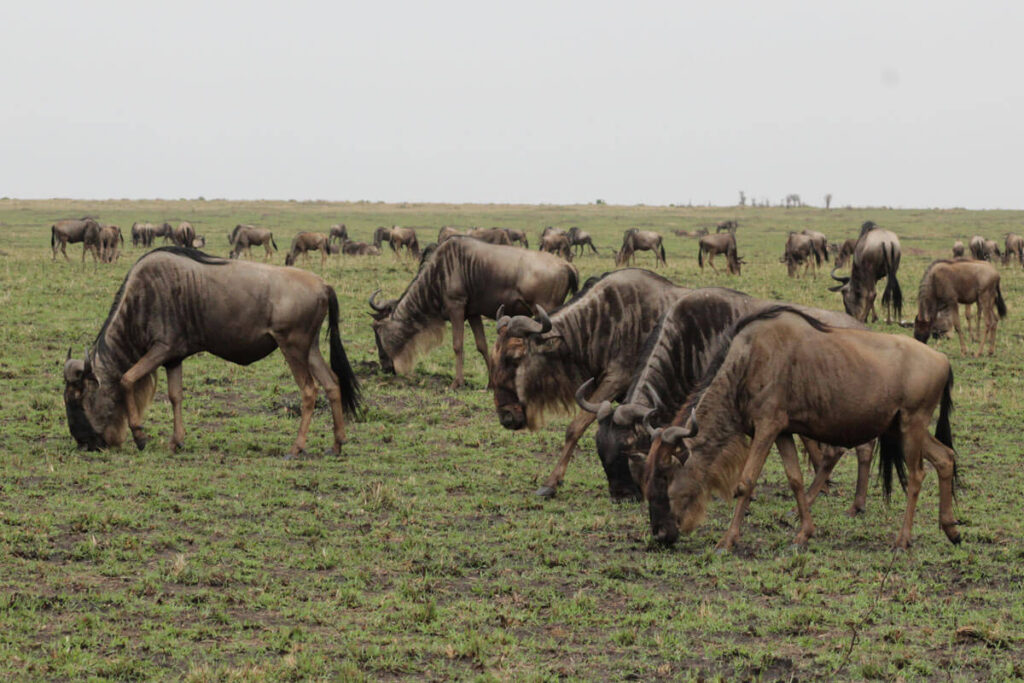
Between January and March 2026, the focus of the natural world shifts south to the Ndutu Plains. This is the Wildebeest Calving Season, a synchronized biological marvel where half a million calves are born in a matter of weeks. If you seek the rawest form of the circle of life, breathtaking predator-prey interactions, and the lush “Green Season” landscapes, you must reach Ndutu before the herds begin their northward trek in April.
Serengeti Calving Season


1. The Science of the “Golden Window.”

Why does the migration settle in Ndutu? The answer lies in the soil. The Ndutu Plains, situated on the border of the Southern Serengeti and the Ngorongoro Conservation Area, sit atop volcanic ash from the nearby Giant Crater Highlands.

The Mineral-Rich Grasses 

The short-grass plains of Ndutu are exceptionally high in phosphorus, calcium, and magnesium. For a pregnant wildebeest, these minerals are essential for milk production and the rapid bone development of her calf.


2026 Timing Breakdown:

  • January: The “Arrival.” Herds pour into the southern plains following the short rains of November/December.
  • February: The “Peak.” Over 8,000 calves are born daily. This is the most intense window for wildlife viewing.
  • March: The “Training Ground.” Calves grow stronger, and predator action remains at its zenith as the herds prepare to move.
  • April: The “Departure.” As the plains dry, the herds move toward the Central Serengeti (Seronera), marking the end of the Ndutu season.


2. The Great Birth: Nature’s Most Synchronized Event

One of the most profound sights of the 2026 calving season is the sheer scale of life. Unlike humans, wildebeest have a “synchronized birthing” strategy. By having nearly 500,000 calves born within a three-week window, they overwhelm predators through sheer numbers, a tactic known as “predator satiation.”

The “Five-Minute” Miracle

A wildebeest calf is one of the most remarkable newborns in the animal kingdom. To survive the lions and hyenas of the Ndutu plains, a calf must:

  1. Stand within 3 to 7 minutes of birth.
  2. Run fast enough to keep pace with the herd within 30 minutes.
  3. Navigate the “hidden valley” and marshlands of Ndutu by the end of its first day.

Witnessing this struggle for life, and the tender bond between mother and calf, is the emotional heartbeat of a February safari.


3. Predator Paradise: The High-Stakes Hunt

Where vulnerable life is abundant, there is an equal concentration of death. The Ndutu calving season offers arguably the best predator viewing in Africa.

The Big Cats of Ndutu

  • Cheetahs: The open, short-grass plains are the preferred hunting ground for the world’s fastest land animal. Ndutu is one of the few places in the Serengeti where you can see a cheetah hunt from start to finish without obstruction.
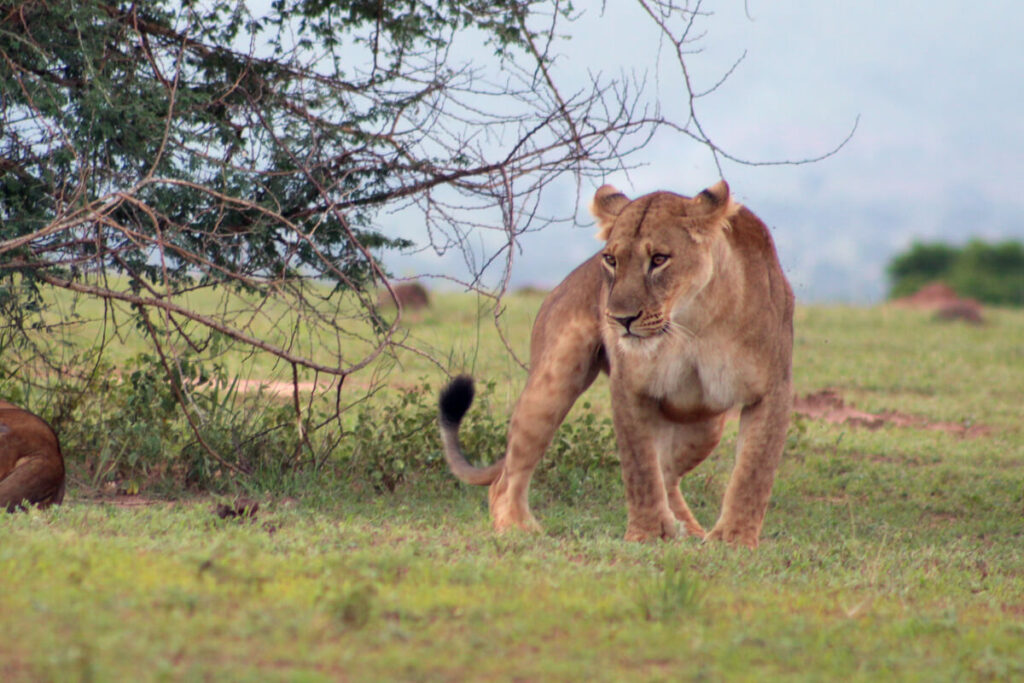
  • Lions: Resident prides in the Southern Serengeti grow fat and powerful during this season. You will often see prides of 15+ lions lounging near Lake Masek, waiting for the herds to approach the water.
  • Leopards: While more elusive, the acacia woodlands surrounding Lake Ndutu provide the perfect camouflage for these “silent hunters.”

Unlike the main Serengeti National Park, the Ndutu region allows for off-road driving (under strict ranger guidelines). This means your guide can position the vehicle strategically for a front-row seat to a hunt, which is a significant advantage for 2026 wildlife photographers.


4. Exclusive 2026 Luxury Lodging in Ndutu

To experience the calving season properly, you must stay in the heart of the action. In 2026, the trend is toward “Mobile Migration Camps”, ultra-luxury tented suites that follow the herds.

Top-Tier Recommendations:

  1. Mwiba Lodge: Located on a private 51,000-hectare reserve west of Ndutu. It offers total exclusivity away from the main safari crowds, featuring a sophisticated “Stone-Age” design.
  2. Lemala Ndutu Tented Camp: A seasonal mobile camp perfectly positioned between December and March. It offers a “rustic-chic” atmosphere that makes you feel part of the wilderness.
  3. Sanctuary Kusini Camp: Built around a cluster of giant rocky outcrops (kopjes), this camp offers a panoramic view of the migration path and is famous for its “cosmic safaris” (stargazing).
  4. Ndutu Safari Lodge: The historic anchor of the region. If you want to be exactly where the pioneers of Serengeti research stayed, this is the place.


5. Beyond the Migration: A Multidimensional Safari

While the wildebeest are the stars, Ndutu in 2026 offers a variety of experiences that most travelers overlook:

  • Olduvai Gorge: A short drive away lies the “Cradle of Mankind,” where the Leakey family discovered some of the most important hominid fossils in history.
  • Lake Ndutu & Lake Masek: These alkaline lakes attract massive flocks of Flamingos during the wet season, creating a pink fringe against the green plains.
  • The Rare Birds: March is peak time for migratory birds. Look for the colorful European Roller or the majestic Secretary Bird stalking through the grass.


6. Planning Logistics: Why “Before April” is Crucial

The transition from March to April is one of the most dramatic shifts in the Serengeti.

The April Transition:

  • The Long Rains: In April, the heavy rains begin. While the landscape is beautiful, the black-cotton soil of Ndutu becomes notoriously difficult to navigate, and most mobile camps pack up.
  • The Herd Movement: The “nutritional window” closes as the grass matures. The herds begin to form long, noisy columns heading toward the Western Corridor and Central Serengeti.
  • The Loss of Exclusivity: As the herds move into the central Seronera region, they meet the crowds of day-trippers from Arusha. Ndutu in February/March remains a sanctuary for those who book early.


7. The 2026 Safari Trust-Stack 

Here is the essential 2026 Ndutu Checklist:

Requirement

Details for 2026

Visa

Tanzania e-Visa ($50 – $100) – Apply 3 weeks in advance.

Vaccinations

Yellow Fever (if coming from Uganda/Kenya), DTP, and Malaria Prophylaxis.

Permits

Ngorongoro Conservation Area fees + Serengeti National Park fees.

Flights

Charter flight from Arusha (ARK) to Ndutu Airstrip (45 mins).

Photography

400mm+ lens for predators; wide-angle for the “Sea of Wildebeest.”

Serengeti Calving Season

8. Conclusion: The Most Emotional Safari in Africa

The Serengeti Calving Season is not just a wildlife viewing trip; it is an immersion into the visceral reality of nature. It is the sound of thousands of lowing mothers, the sight of a cheetah at full sprint, and the quiet dignity of a calf taking its first breath under a vast African sky.


In 2026, Ndutu is the place to be. By April, the magic moves on. If you want to witness the “Nursery of the Great Migration,” the time to book your 2026 expedition is now.


Contact Us

error: Content is protected !! Do not copy!!