
In the high-stakes world of luxury wildlife travel, the Gorilla Habituation Experience (GHEX) in Uganda’s Bwindi Impenetrable Forest stands as one of the most expensive single-day permits on the continent. At $1,500 per person, it commands a significant premium over the standard $800 trekking permit.
As we navigate the 2026 safari season, travelers are increasingly asking: “Does the four-hour encounter offer enough value to justify the $700 price jump?” To answer this, we must look beyond the clock and into the heart of primatology, conservation, and the unique psychological impact of “The Long Sit.”
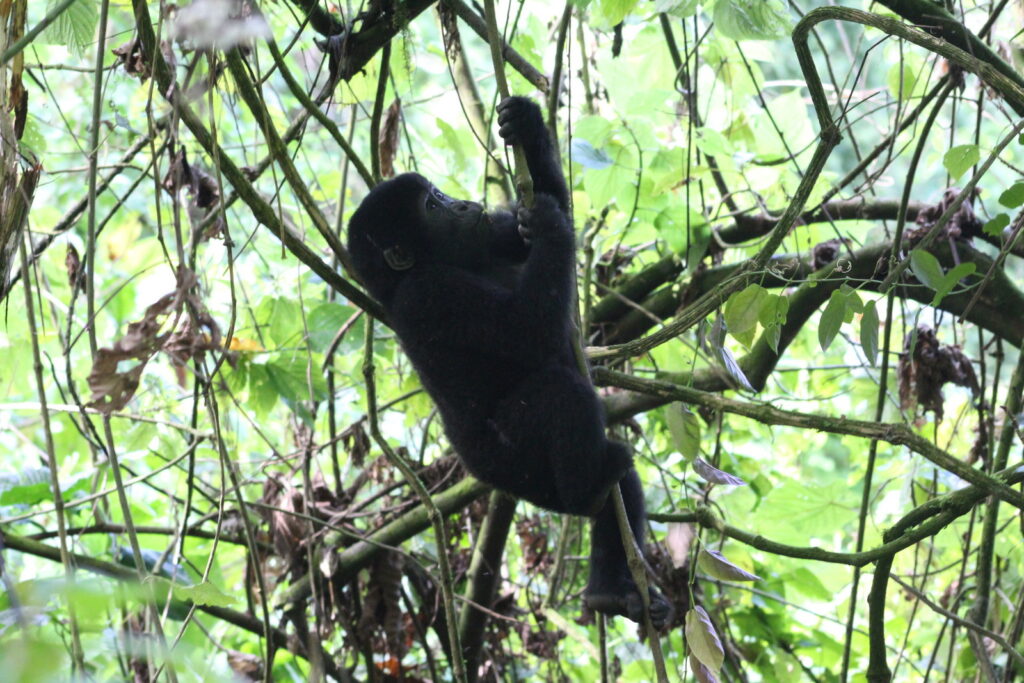
To understand the value, one must first define the product. Habituation is the process of gently and gradually training wild mountain gorillas to tolerate the presence of humans without changing their natural behavior.
Unlike a standard trek, where you visit a “fully habituated” group that essentially treats humans like moving rocks, the Habituation Experience targets “semi-habituated” families. In 2026, this experience is exclusively available in the Rushaga and Nkuringo sectors of southern Bwindi. You are not just a spectator; you are a participant in a scientific process that takes 2 to 5 years to complete.
In 2026, the luxury of “space” is the most expensive commodity in travel.
For many, yes. With only four people, there is no “back row.” You have a direct line of sight to the Silverback at all times. You can whisper questions to the lead researcher without competing with seven other voices. This intimacy creates a “private tour” atmosphere that justifies a significant portion of the price gap.
When skeptics look at the $1,500 price tag, they see a “high cost.” When analysts look at it, they see “high value.”
Permit Type | Total Cost | Observation Time | Cost Per Hour |
Standard Trek | $800 | 1 Hour | $800 |
Habituation (GHEX) | $1,500 | 4 Hours | $375 |
From a purely financial perspective, the Habituation Experience is 53% cheaper per hour than the standard trek. For travelers who have flown halfway across the world, spending four times as much time with the world’s most famous primates for less than double the price is a logical “upgrade.”
During a standard 60-minute trek, you are in a race against the clock. Most guests spend the first 20 minutes frantically taking photos, the next 20 minutes checking their settings, and only the final 20 minutes actually “being” there.
The 4-hour window allows for a Narrative Arc:
Is the 4-Hour Gorilla Habituation Experience worth $1,500 if you are too tired to enjoy it? The habituation experience is significantly more grueling than standard trekking.
Insight: If you have knee issues or low stamina, the $800 trek is a much better value.
For the 2026 photographer, the Habituation Experience is the only choice.
High-net-worth travelers are increasingly “impact-focused.” In 2026, the $1,500 permit fee is a direct investment in the Uganda Wildlife Authority’s (UWA) most vital research.
Because habituation starts earlier than standard trekking, your choice of lodge is a logistical “must.” To get the best value for your $1,500 permit, you should stay as close to the Rushaga Park Headquarters as possible.
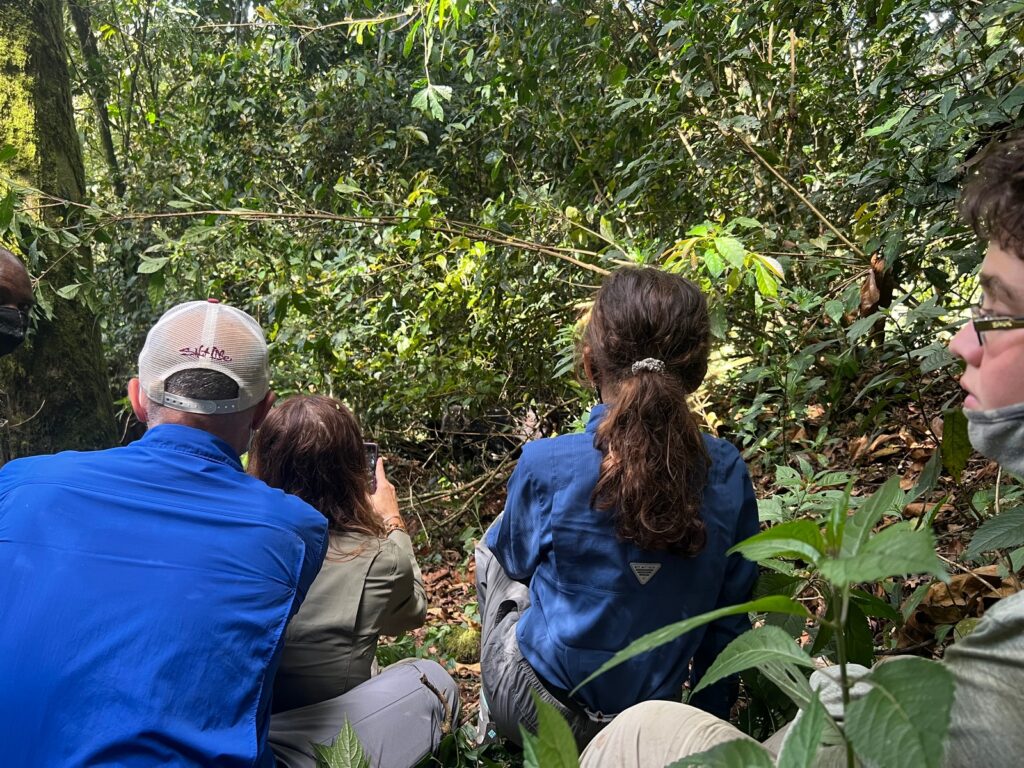
Bwindi’s habituation experience isn’t just a tour; it’s an apprenticeship in the wild. In 2026, it remains the most exclusive wildlife encounter in East Africa.
Primate World Safaris has a direct link to the UWA permit system. Because only 4 people can go per day, these permits are usually gone 8 months in advance. Would you like me to check the availability for March or September 2026 right now?