In the high-stakes realm of primate conservation and elite wildlife travel, Gorilla Trekking remains the world’s most profound terrestrial encounter. As we navigate the travel landscape, the quest to stand within meters of a 400lb Silverback has transcended simple tourism; it is now a Standard of Truth for those seeking a high-fidelity connection with our evolutionary cousins.
At Primate World Safaris, we treat your trek as a tactical deployment. Choosing the right destination involves more than just a pin on a map; it requires an audit of the Permit Arbitrage, Terrain Complexity, and Logistical Grit of each sector. Whether you seek the raw, vertical challenges of Uganda or the high-gloss luxury of Rwanda, this master list identifies the premier theaters for this encounter.
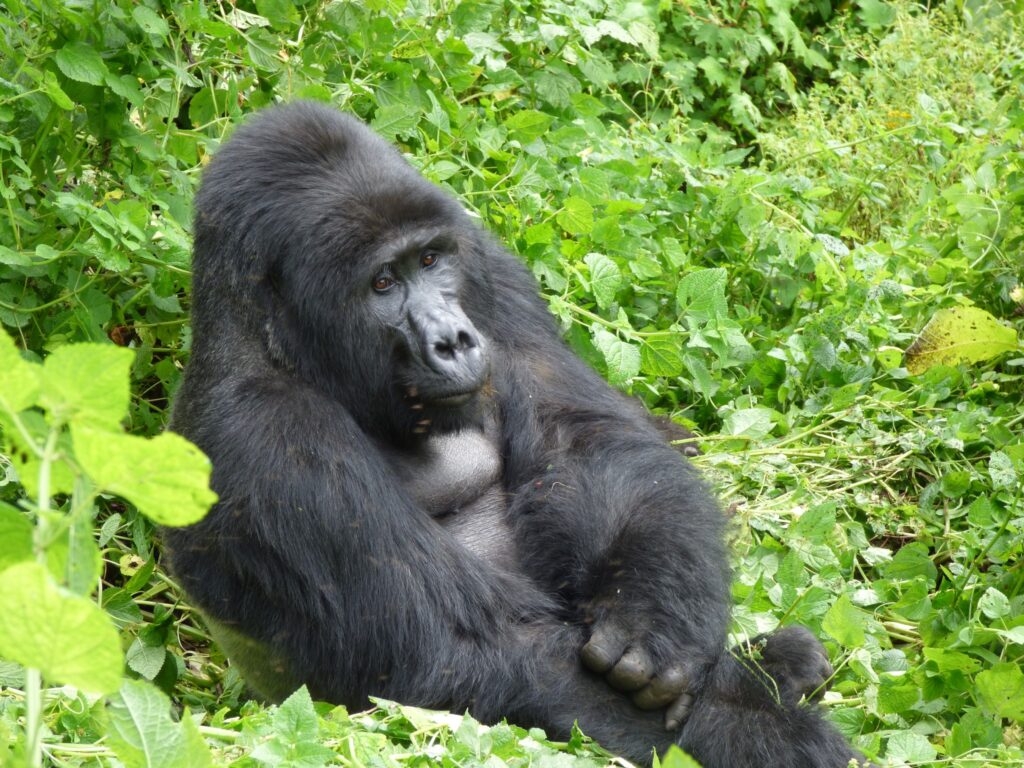
Commonly referred to as the Crown Jewel of primate tracking, Bwindi is the most biodiverse and statistically significant gorilla habitat on the planet.
Bwindi contains over 50% of the world’s remaining mountain gorilla population. The park is divided into four distinct tactical sectors, each offering a unique biometric challenge and environmental backdrop.
Rwanda has successfully pivoted to an Ultra-High-End tourism model. For the traveler, Volcanoes National Park (Parc National des Volcans) offers the most streamlined, high-fidelity logistical path from an international airport to the gorilla trailhead.
While the permit cost is the highest in the region ($1,500 USD), the ROI is found in Ease of Movement.
Often overshadowed by its larger neighbor, Bwindi, Mgahinga offers a Niche Strategy for those who prefer volcanic landscapes and fewer crowds.
For the High-Risk, High-Reward explorer, Virunga represents the rawest form of gorilla trekking.
As of now, Virunga is frequently subject to Security Variability. While it is the most affordable destination (with permits often priced around $400–$600), travelers must be aware of the following:
Understanding the Financial Engineering of a safari is crucial. Permit prices have stabilized to support high-level conservation and community revenue sharing.
Destination | Permit Fee (FNR) | Best For | Lead Time |
Uganda (Standard) | $800 USD | Diverse Terrain / Value | 6–10 Months |
Uganda (Low Season) | $600 USD (May/Nov) | Budget Strategy | 4–6 Months |
Rwanda (Standard) | $1,500 USD | Luxury / Ease | 4–8 Months |
DR Congo | $450 USD | Budget / Adventurous | Variable |
In Uganda, 20% of your permit fee is funnelled directly into local communities. This ensures that the residents of Bwindi and Mgahinga view the gorillas as an asset to be protected rather than a competitor for land.
While gorilla trekking is a year-round activity, the Grit of the Road and the Physicality of the Forest change with the rainfall cycles.
No gorilla trek is easy. You are navigating the Albertine Rift, characterized by volcanic silt, tangled vines, and elevations up to 3,000 meters.
At Primate World Safaris, we recommend hiring a porter ($20 USD) regardless of your fitness level. This is a mission-critical community link that provides a Human 4×4 stabilizer on slippery slopes and ensures your $15,000 camera gear remains secure.
To maintain your Standard of Truth in the forest, your gear must be technical and fit-for-purpose:
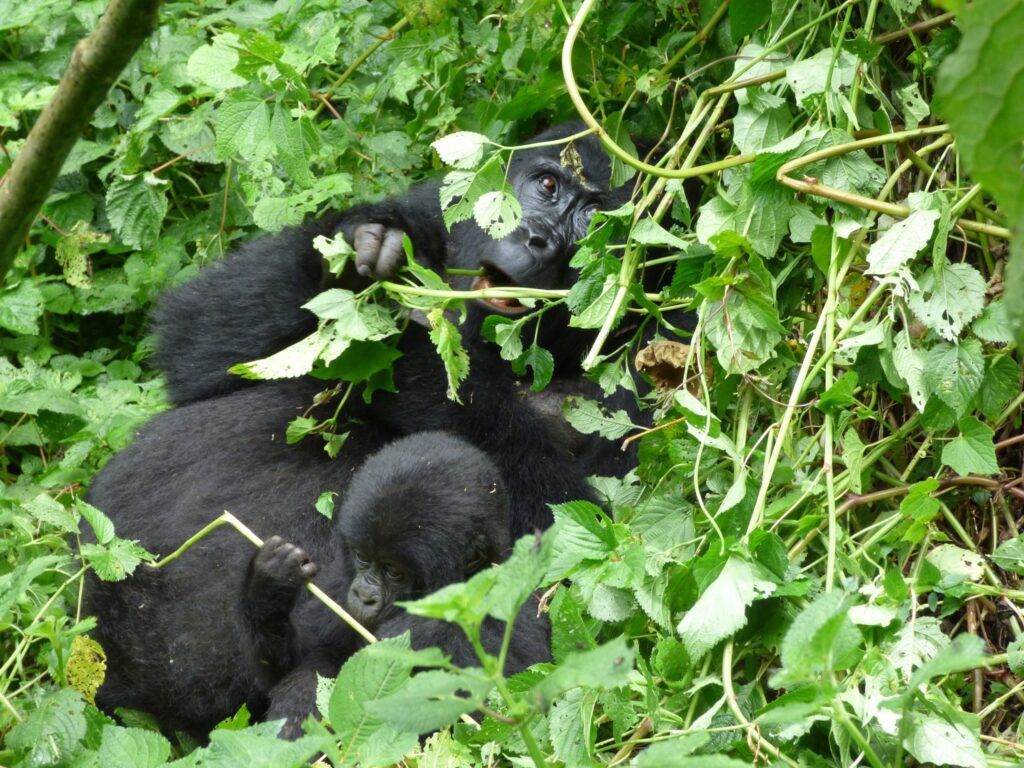
Choosing the best place for gorilla trekking involves striking a balance between capital, Time, and Physicality. Uganda offers the most diverse and high-value experience, while Rwanda provides the ultimate in seamless luxury.
Our architects at Primate World Safaris monitor the UWA and RDB portals hourly. We can assist in securing your preferred sector and synchronizing your logistics to ensure your encounter is defined by the primates, not the paperwork.
Would you like us to run a 24-hour availability check for the $800 Bwindi Peak Season permits or the $1,500 Rwanda Luxury slots for your preferred dates?