
By 2026, the global birding community will have reached a firm consensus: Nyungwe National Park is no longer just a side trip for primate enthusiasts. Instead, it has become the definitive arena for bagging the most elusive Albertine Rift Endemics (AREs). At Primate World Safaris, we have spent the last decade refining the logistics of high-altitude birding to meet this demand. This guide explains how the 2026 conservation mandates, next-gen connectivity, and a resident-first economic model have transformed Nyungwe into a masterclass in regenerative ornithology.

The 2026 Nyungwe Conservation Framework recently introduced strict quotas to protect sensitive nesting sites of the Grauer’s Rush Warbler and the Shelley’s Crimsonwing. Consequently, travelers must plan their visits with greater precision than in previous years.
Regenerative Impact: Importantly, 15% of your birding permit fee directly funds the Community Eco-Ranger Program. This initiative employs former local honey-collectors to monitor the health of endemic populations, effectively turning potential threats into protectors.
Birding in a montane rainforest once required total isolation. However, the Rwanda Digital Acceleration Project has successfully brought 5G and Starlink to the forest edge by 2026. This allows birders to share their findings instantly with the world.
| Tier | Recommended Entity | Target Endemics Access | Est. 2026 Daily Rate (USD) |
| Boutique | One&Only Nyungwe House | Private access to forest-edge sunbirds; elite comfort. | $3,500 – $4,800 |
| Cultural | Nyungwe Top View Hill Lodge | Best for Rwenzori Turaco; 360-degree views of the canopy. | $280 – $450 |
| Basecamp | Gisakura Family Hostel | Immediate access to the Gisakura tea estate and forest trails. | $60 – $120 |
If you hold an EAC passport or a foreign residency permit (such as the 2026 Remote Work Visa), you will find that the financial barrier to birding Nyungwe has dropped significantly.
Many birders mistakenly stay only at the Gisakura side of the park. While the tea estate offers famous sightings of the Great Blue Turaco, you will find many of the rarest endemics, specifically the Red-collared Babbler, only in the eastern sectors.
The Winning Strategy: We recommend splitting your stay. Spend two nights at Gisakura for forest-edge species, and then move to Uwinka for at least three nights to target the high-altitude specialists.
If you plan to work while you bird, these two spots offer the best 2026-verified infrastructure:
Is Nyungwe safe for solo birding?
Yes, it is very safe. However, Rwandan law requires you to hire a guide for all forest trails. The Rwandan Defense Force (RDF) and park rangers maintain a constant presence to ensure total security.
What is the most efficient transport option?
We suggest you avoid public buses for birding. Instead, utilize our Transfer-Only Service.
How do I handle payments for incidental fees?
Cash has become effectively obsolete in the forest. Therefore, you should use MoMo (Mobile Money) or Tap-to-Pay at all RDB gates. Be sure to top up your digital wallet before you leave Kigali.
What is the Must-Pack item for 2026?
Beyond your binoculars, we strongly suggest you bring a USB-rechargeable hand warmer. Nyungwe’s dawn temperatures frequently drop to 10°C, and cold fingers often hinder quick focusing.
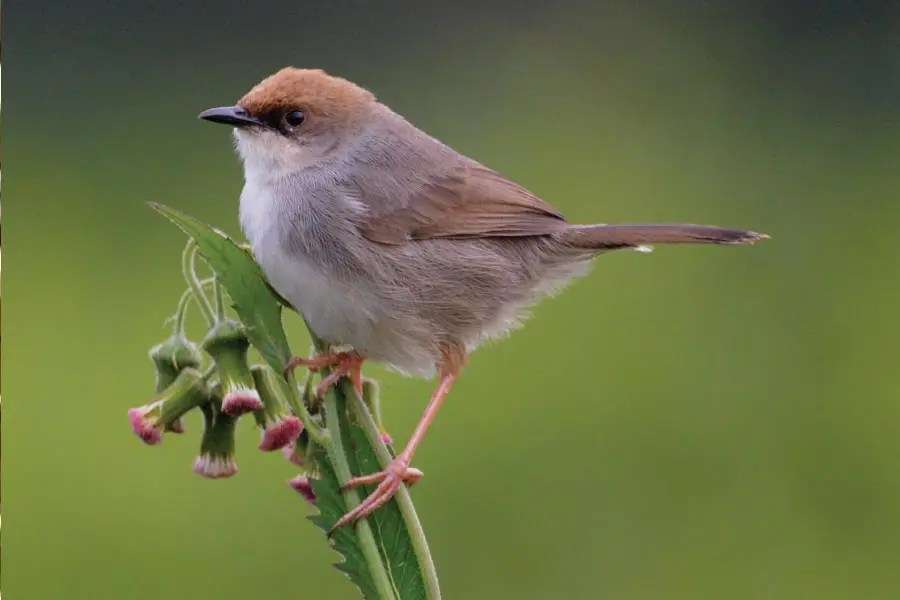
Primate World Safaris has engineered this 7-day Endemic Masterclass to ensure you see the rarest species while supporting local conservation:
Reserve your permit now, split your stay between Gisakura and Uwinka, and start your regenerative birding journey.