
In the previous decade, “sustainable travel” was the gold standard, a promise to minimize footprints and “do no harm.” But as we navigate the 2026 safari season, a more profound philosophy has taken root in Uganda: Regenerative Travel. Regenerative travel doesn’t just aim for a net-zero impact; it seeks to leave the destination better than it was found. It is an intentional, restorative approach to tourism where every gorilla permit, every night spent in a lodge, and every community encounter acts as a catalyst for ecosystem revival and social equity. In Uganda, this isn’t just a trend; it is the survival strategy for the “Pearl of Africa.”
To be categorized as “Regenerative” in 2026, a safari must go beyond recycled towels and plastic-free bottles. It must prove Reciprocity.
In 2026, leading operators are no longer just spectators of nature; they are its architects. Regenerative safaris now integrate Reforestation Corridors. For example, in the Kyambura Gorge, travelers support the “Kyambura Community Project,” which has successfully reclaimed a 3-kilometer buffer zone to reconnect a lost chimpanzee corridor. Guests don’t just see the chimps; they can participate in indigenous tree planting that ensures the troop’s survival for the next century.
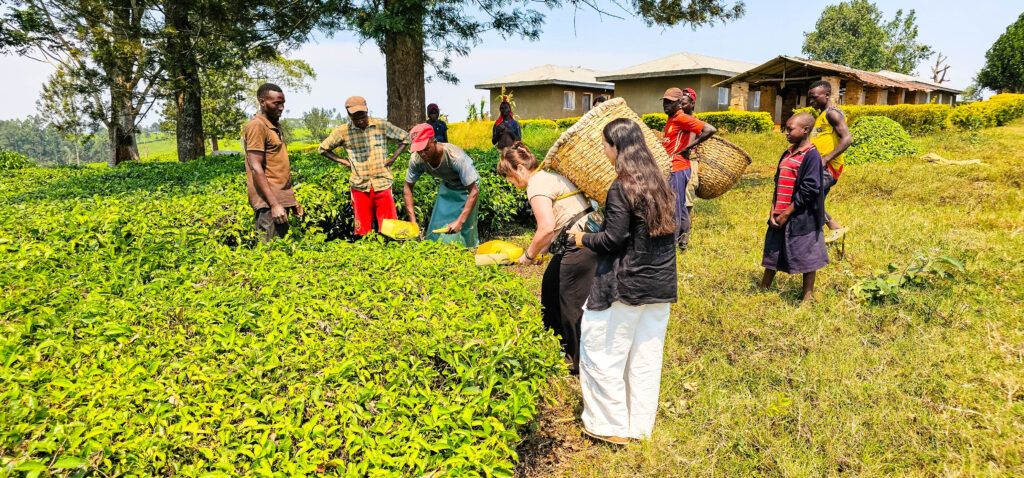
Regeneration means moving away from “cultural voyeurism.” In 2026, projects like the Kara-Tunga Arts & Tours hub in Karamoja allow the Karimojong people to own the narrative.4 Instead of a 20-minute dance performance, travelers engage in “Experiential Tourism,” staying in community-owned lodges where 100% of the profit remains in the region to fund water facilities and traditional art preservation.
A regenerative safari ensures that the “Safari Dollar” reaches the park-boundary communities, who are the true custodians of the land. In 2026, the Uganda National Tourism Policy emphasizes Public-Private-Community Partnerships (PPCPs). Research shows that community-led initiatives in Queen Elizabeth National Park now generate six times more revenue for local families than traditional models, directly reducing poaching by providing viable economic alternatives.
For the high-end traveler, these properties represent the pinnacle of “Luxury with Heart.”
Lodge | The Regenerative Act | 2026 “Impact” Factor |
Kyambura Gorge Lodge | Reclaimed a former coffee processing plant. | Funding the Kyambura Chimpanzee Corridor. |
Kyaninga Lodge | Hand-carved from sustainable timber. | Runs the Kyaninga Child Development Centre for disabled youth. |
Nile Safari Lodge | 100% Solar & Greywater recycling. | Supports the “Adopt a Family” village initiative in Murchison. |
Clouds Mountain Lodge | Community-owned (Nkuringo Project). | Direct revenue to healthcare for gorilla-boundary villages. |
A major shift in 2026 is the “Quiet-cation” or the “Slow Safari.” Regenerative travel discourages the “Big Five Check-box” mentality. Instead, travelers are encouraged to stay longer in one region, perhaps 5 nights in Bwindi instead of 2, to deeply understand the social fabric of the forest.
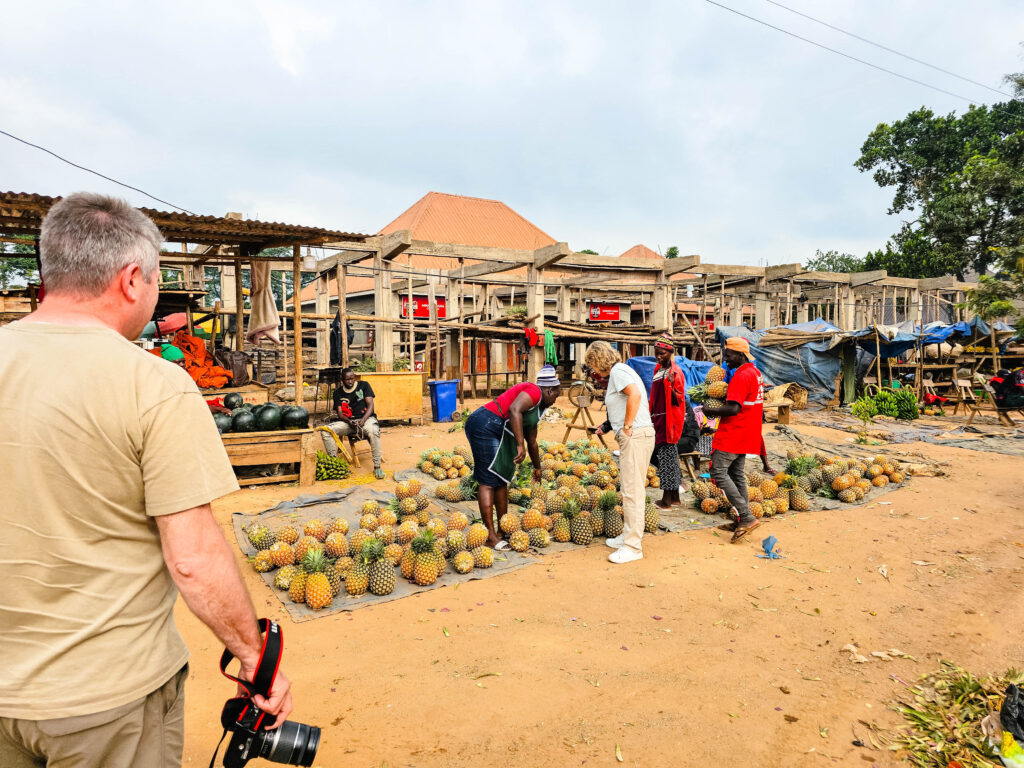
While flying is efficient, the 2026 regenerative traveler often chooses “Slow Roads.” By traveling overland in specialized 4x4s, guests stop at roadside cooperatives, engage with the Kitara Foundation for Sustainable Tourism, and purchase “Authentic Only” crafts. This ensures that the tourism spend is distributed across the rural landscape, not just at the national park gates.
How does a traveler know if their trip is truly regenerative? In 2026, the Kitara Foundation and Uganda Wildlife Authority (UWA) introduced a “CBT Quality Seal” for Community-Based Tourism Organizations.
When you book a habituation experience or a village walk, look for this seal. It guarantees:
This isn’t just a holiday; it’s a contribution to a nation’s future.
To participate in regenerative travel in 2026, you must arrive with Intention.
In 2026, Uganda is no longer just a destination for “Wildlife Viewing.” It is a destination for Personal and Planetary Transformation.
When you choose a regenerative safari with Primate World Safaris, you aren’t just a tourist. You are a collaborator in a grand experiment to see if humans and nature can thrive in perfect harmony. You leave with photos of gorillas, but you leave behind a cleaner forest, a stronger school, and a more resilient community.
Let us curate your 2026 Regenerative Safari. We don’t just show you Uganda; we help you heal it.