
Safari Overview
The Guide to Ethical Wildlife Encounters helps travelers experience East Africa responsibly while protecting wildlife, cultures, and ecosystems. At Primate World Safaris, ethical travel shapes every Wildlife Safari, Family Safari, and Safari Holiday across Uganda, Kenya, Tanzania, and Rwanda. This Guide explains how responsible choices improve animal welfare and strengthen conservation efforts. Travelers often ask whether ethical Safaris still deliver unforgettable Game Drives and Walking Safaris. The answer remains clear. Ethical travel enhances sightings while preserving natural behavior. This Guide supports Family-Friendly Safaris, Walking Tours, Hiking trips, and luxury safaris that respect wildlife. It also explains how travelers can combine gorilla trekking and hiking while maintaining conservation values. Ethical decisions create deeper connections with nature and people. They also protect Africa’s wildlife heritage for future generations.
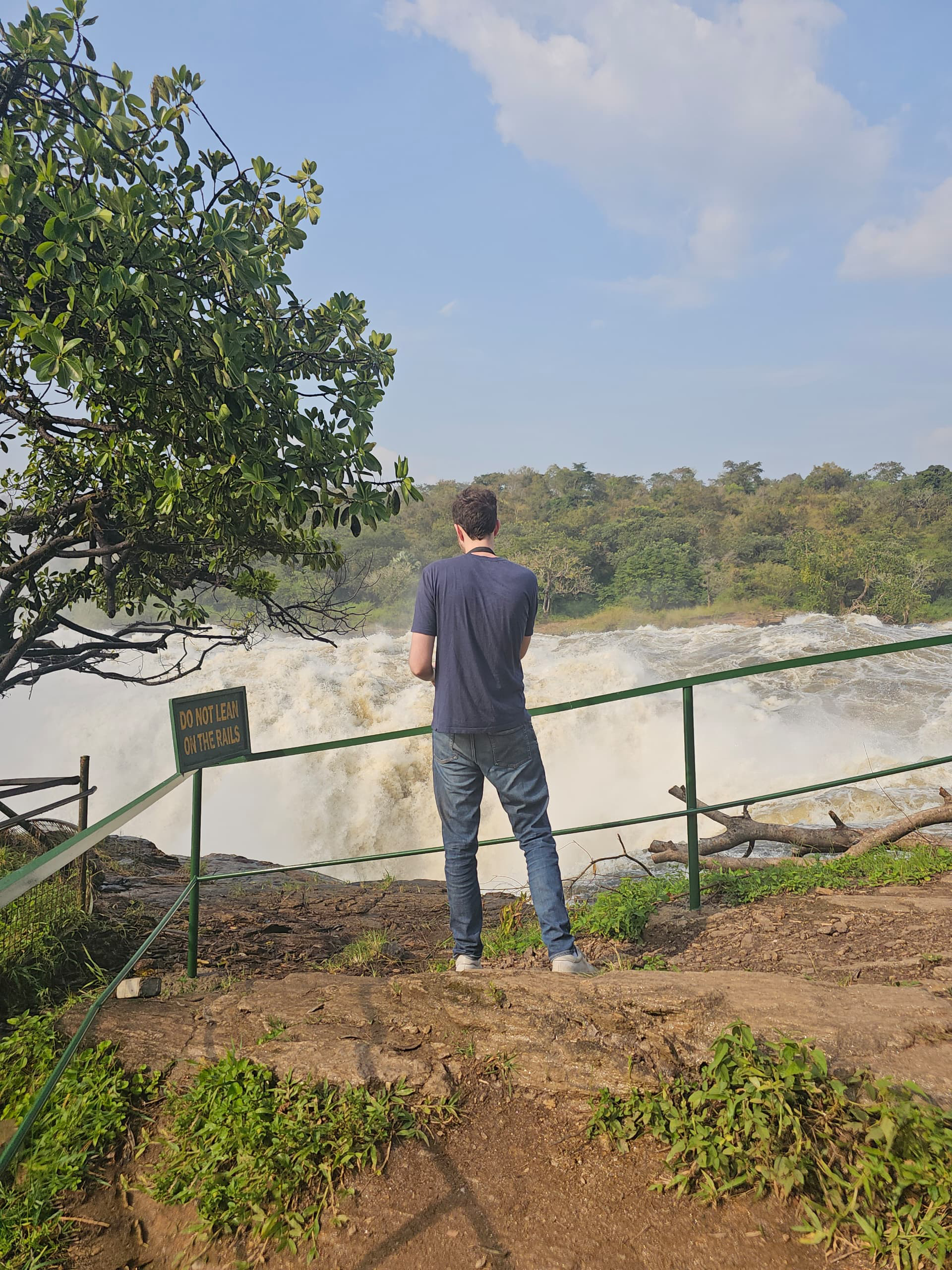
What Ethical Wildlife Travel Means
Respecting Wildlife and Natural Habitats
The Guide to Ethical Wildlife Encounters defines ethical travel as wildlife observation that respects natural behavior and habitat integrity. Ethical Safaris avoid interference, feeding, or close contact. Instead, they promote distance, patience, and awareness. Travelers planning Family Tours or Family Holidays often ask whether ethical Wildlife Safaris suit children. This Guide confirms that ethical practices create safer and more educational experiences for families. In Uganda and Rwanda, ethical gorilla trekking limits group size and viewing time. In Kenya and Tanzania, ethical Game Drives follow park rules and animal movement patterns. Walking Safaris and Walking Tours encourage quiet observation and interpretation rather than pursuit. Ethical travel allows animals freedom of choice. It also preserves ecosystems for Hiking tours, snorkelling excursions, and future Safari Holidays.
Guide to Ethical Wildlife Encounters: Hands-Off Wildlife Viewing
Why Distance Protects Animals and Travelers
The Guide to Ethical Wildlife Encounters strongly supports hands-off wildlife viewing. Touching or feeding wild animals changes their behavior and increases stress. Ethical Wildlife Safaris rely on binoculars, zoom lenses, and experienced guides. Families planning Family-Friendly Safaris often wonder if children can still enjoy close experiences. This Guide confirms that observation from a safe distance improves learning and appreciation.
In Uganda and Rwanda, gorilla trekking rules maintain a distance to protect both gorillas and humans. In Kenya and Tanzania, ethical Game Drives stop at respectful viewing ranges. Walking Safaris follow animal trails without interference. Hiking trips near wildlife corridors maintain safe buffer zones. Distance builds respect, ensures safety, and strengthens conservation outcomes across East Africa.
Guide to Ethical Wildlife Encounters: Respecting Natural Animal Behavior
Quiet Observation and Responsible Photography
The Guide encourages travelers to observe wildlife without disruption. Loud noises, chasing animals, or blocking paths cause stress and alter behavior. Ethical Wildlife Safaris prioritize calm observation and patience. Travelers often ask whether ethical practices reduce photography opportunities. This Guide explains that ethical viewing produces more authentic and rewarding images. Animals behave naturally when undisturbed.
Family Trips benefit from this approach because children learn respect for nature. Walking Safaris and Walking Tours emphasize awareness and silence. Game Drives follow animal movement rather than forcing encounters. This approach applies across Uganda, Kenya, Tanzania, and Rwanda. Ethical travel enhances wildlife encounters while preserving natural rhythms.
Guide to Ethical Wildlife Encounters: Avoiding Exploitative Activities
What Ethical Safaris Never Include
The Guide to Ethical Wildlife Encounters clearly outlines activities travelers should avoid. Riding elephants, petting predators, or posing with captive animals causes harm. Ethical Wildlife Safaris never use animals as props. Families planning Family Holidays sometimes ask if such activities support conservation. This Guide clarifies that exploitation undermines animal welfare and conservation goals.
Ethical Safaris in Kenya and Tanzania avoid captive displays and performance shows. In Uganda and Rwanda, ethical operators focus on conservation education and habitat protection. Walking Safaris and Hiking tours maintain wildlife dignity. Ethical travel rejects shortcuts and promotes long-term sustainability.
Guide to Ethical Wildlife Encounters: Supporting Conservation Efforts
Choosing Responsible Safari Operators
The Guide emphasizes the importance of selecting responsible operators. Ethical Wildlife Safaris invests in conservation, research, and community development. Primate World Safaris partners with organizations that support habitat conservation and local community development. Travelers planning Family Safaris or luxury safaris often ask how their choices make a difference.
This Guide explains that the responsible Tours fund ranger patrols, education programs, and wildlife monitoring. In Uganda and Rwanda, gorilla permits directly support conservation. In Kenya and Tanzania, park fees protect ecosystems. Ethical Walking Tours and Hiking Trips support community guides. Every ethical choice strengthens East Africa’s conservation future.
Guide to Ethical Wildlife Encounters: Green Flags to Look For
Signs of Responsible Wildlife Experiences
The Guide to Ethical Wildlife Encounters helps travelers identify ethical operators through clear indicators. Ethical Wildlife Safaris allow animals freedom of movement and choice. They never guarantee sightings. Families often ask if this uncertainty affects Family-Friendly Safaris. This Guide explains that unpredictability reflects authentic wildlife experiences.
Ethical operators share transparent conservation goals and accreditation details. Walking Safaris provide educational briefings. Game Drives follow park guidelines strictly. Hiking tours respect protected areas. These green flags confirm ethical standards across Uganda, Kenya, Tanzania, and Rwanda.
Guide to Ethical Wildlife Encounters: Red Flags to Avoid
Warning Signs of Unethical Practices
The Guide to Ethical Wildlife Encounters warns travelers about unethical attractions. Close contact experiences signal poor welfare standards. Animals performing tricks indicate exploitation. Captive wildlife in hotels or bars raises serious concerns. Families planning Family Trips should avoid these settings.
This Guide advises travelers to research carefully and trust their instincts. Ethical Safaris never prioritize entertainment over welfare. Walking Safaris and Wildlife Safaris should always respect animal dignity. Avoiding red flags protects wildlife and preserves authentic safari experiences.
Preparation Before Travel
Research, Questions, and Responsible Packing
The Guide to Ethical Wildlife Encounters encourages preparation before travel. Travelers should research operators, read reviews, and ask detailed questions. Families planning Family Tours benefit from clear communication about ethics and safety.
This Guide also promotes responsible packing.
- Avoid wildlife products.
- Carry reusable items.
- Respect local regulations.
Ethical preparation supports conservation across Uganda, Kenya, Tanzania, and Rwanda. It also enhances experiences during Walking Tours, Hiking trips, snorkelling adventures, and Safari Holidays.
Cultural Respect and Community Engagement
Ethics Beyond Wildlife
The Guide to Ethical Wildlife Encounters extends ethics to cultural interactions. Respecting local communities strengthens responsible tourism. Ethical Safaris supports cultural visits that honor traditions and consent. Families on Family Holidays enjoy meaningful exchanges with local guides, artisans, and storytellers.
Walking Tours in villages promote understanding. Hiking tours introduce travelers to mountain communities. This Guide highlights how cultural respect complements wildlife conservation. Ethical travel values people and nature equally.
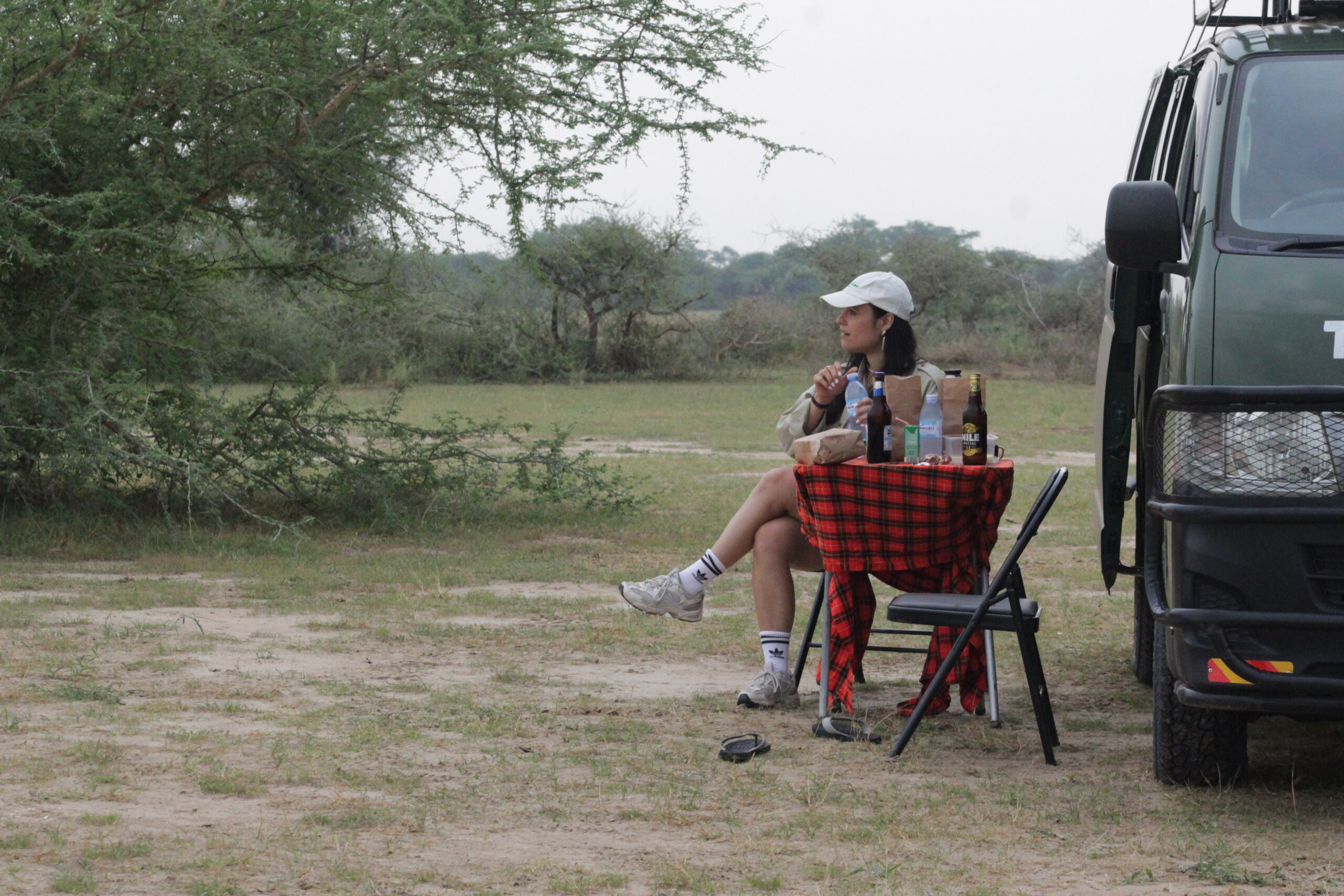
Guide to Ethical Wildlife Encounters: Combining Gorilla Trekking and Hiking
Adventure with Responsibility
The Guide shows how travelers can combine gorilla trekking and hiking responsibly. In Uganda and Rwanda, strict trekking rules protect primates. Hiking trips in nearby mountains follow conservation guidelines. Families often ask if such combinations suit Family-Friendly Safaris. This Guide confirms that they do when planned carefully. Ethical operators balance adventure with conservation. This approach enriches Safari Holidays while protecting fragile ecosystems.
Why Ethical Travel Matters
Protecting Africa’s Wildlife Future
The Guide to Ethical Wildlife Encounters highlights the long-term impact of responsible travel. Ethical choices preserve habitats, support communities, and protect wildlife. Travelers who choose ethical Safaris become conservation partners, families on Family Trips model responsible behavior for future generations. Walking Safaris, Game Drives, Hiking tours, and luxury safaris all benefit from ethical foundations. Primate World Safaris believes ethical travel defines quality tourism. This Guide ensures East Africa remains wild, vibrant, and protected.
generic mobic 15 mg
generic mobic 15 mg
linezolid antibiotic cost
linezolid antibiotic cost
avanafil stendra tablet price
avanafil stendra tablet price
cenforce 150 sildenafil 150mg
cenforce 150 sildenafil 150mg
semaglutide ozempic dosage
semaglutide ozempic dosage
metronidazole 500mg tablets side effects
metronidazole 500mg tablets side effects
acyclovir (zovirax) cream walgreens
acyclovir (zovirax) cream walgreens
orlistat 60mg alli
orlistat 60mg alli
toradol information
toradol information
ketorolac tromethamine safety
ketorolac tromethamine safety
ketorolac time to effect
ketorolac time to effect
ivermectin safety FAQ
ivermectin safety FAQ
minoxidil duration study
minoxidil duration study