
An African safari is an adventurous, guided journey into the wilderness to observe and photograph free-roaming wildlife in their natural habitats. Far from a standard vacation, a safari is an immersive experience designed to bring travelers face-to-face with the earth’s most intact ecosystems, vast savannas, and rich cultural heritages.
While the modern safari industry has evolved into a global benchmark for luxury, adventure, and eco-tourism, the concept itself carries deep historical, linguistic, and operational roots.
The word safari is firmly rooted in East African history. It entered the English language in the mid-19th century through the journals of early European explorers, who adapted it from the Swahili word safari, which translates literally to a long journey.
Swahili speakers originally derived the term from the Arabic noun safar (سَفَر), meaning travel, touring, or a trip.
[ Arabic: Safar (سَفَر) ] ──> [ Swahili: Safari ] ──> [ English: Safari (1850s) ]
(To Travel) (A Long Journey) (Wilderness Expedition)
In its original context, the word had nothing to do with wild animals or camouflage clothing; any trip, whether for trade, migration, or family visits, was a safari. Today, however, the term specifically denotes an organized terrestrial expedition focused on wildlife observation across the African continent.
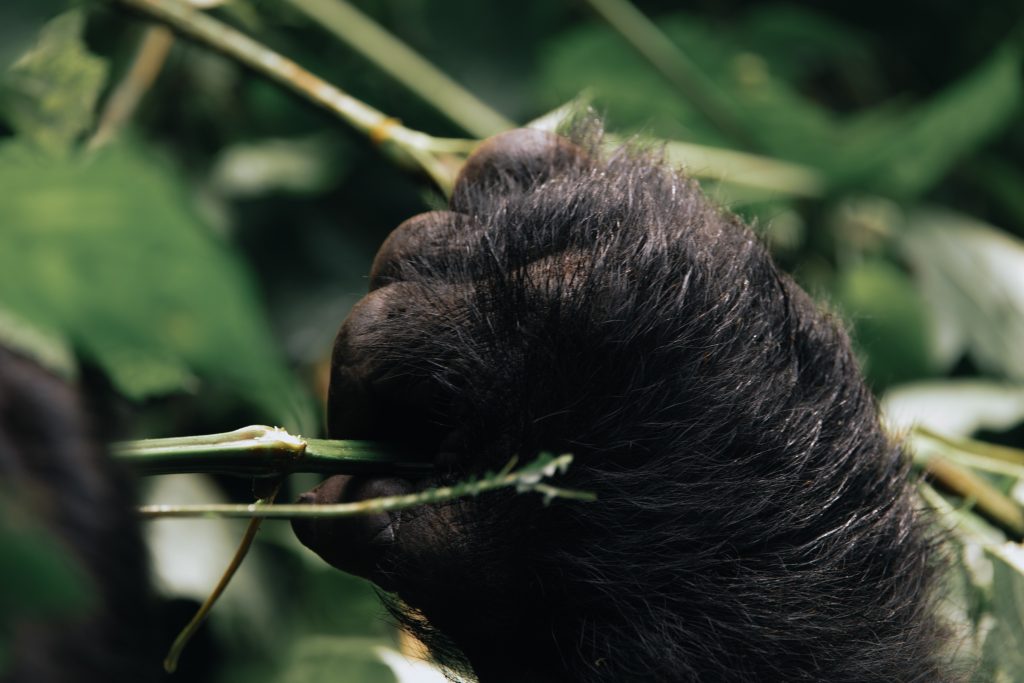
While a safari itinerary can be highly customized, several foundational elements define the quintessential African wilderness experience.
Game drives are essential for wildlife viewing. Travelers use customized, open-sided 4×4 vehicles to explore national parks and private reserves. The windowless design provides unobstructed, 360-degree views for photographers.
Accompanied by a professional expert guide and a tracker, game drives typically occur twice daily: at sunrise and late afternoon. These specific windows match the peak activity hours of apex predators and large herbivores before the midday heat sets in.
Historically, the term Big Five was coined by big-game hunters during the colonial era to identify the five most dangerous and difficult African animals to hunt on foot.
In the modern conservation era, the guns have been entirely replaced by lenses, and the term has been successfully rebranded as the ultimate wildlife-viewing checklist.
Modern safaris offer a broad spectrum of lodging options that integrate seamlessly with the natural landscape. These accommodations are built under strict eco-tourism guidelines to ensure low environmental impact.
The modern travel industry has expanded the traditional game drive into a diverse menu of specialized wilderness experiences, catering to different physical fitness levels, budgets, and specific interests.
| Safari Style | Primary Transit Mode | Core Focus / Activity | Ideal Regional Destinations |
| Overland Safari | Custom 4×4 expedition trucks | Multi-day, multi-country long-distance journeys; camping & tracking | East and Southern Africa circuits (e.g., Nairobi to Cape Town) |
| Walking Safari | Foot travel through the bush | Micro-ecosystems, tracking footprints, flora, and insect life on foot | Zambia (Luangwa Valley), South Africa (Kruger) |
| Specialty: Primate Trekking | High-altitude rainforest hiking | Deep-forest navigation to locate endangered mountain gorillas and chimps | Uganda (Bwindi, Kibale), Rwanda (Volcanoes NP) |
| Specialty: Photographic / Birding | Static customized vehicles or boats | Specialized technical lighting, birding lifelists, hides, and long lenses | Botswana (Okavango Delta), Kenya (Maasai Mara) |
Overland safaris are extended, multi-day, and often multi-country expeditions. Traveling in heavy-duty, custom-built safari trucks, these journeys combine long-distance highway driving with wilderness tracking, rural cultural interactions, and community bush camping. This is an exceptional, highly cost-effective format for long-term travelers who want to see the changing topography of the continent transition across borders.
For travelers wanting to step out from behind the safety of vehicle frames, walking safaris offer the ultimate sensory connection to the wild. Guided by armed park rangers and indigenous trackers, these trekking expeditions intentionally slow the pace down.
Instead of chasing large predators, walking safaris focus on tracking fresh paw prints, understanding animal droppings, identifying medicinal plant life, and studying the delicate, complex balance of the local ecology.
Specialty safaris cater directly to niche passions rather than general sightseeing:
An African safari is a purposeful journey that directly contributes to environmental sustainability. By turning wildlife into an invaluable economic asset through responsible eco-tourism, safari-goers directly fund the ongoing protection of these majestic habitats for generations to come.
Uganda is a destination that defies expectations, offering a raw, unscripted look at our natural world. While navigating the current 2026 travel landscape requires careful planning and a reputable partner, the rewards of standing meters away from a silverback gorilla or witnessing the sheer power of Murchison Falls are entirely life-changing.
The secret to a flawless, safe, and profoundly moving Ugandan safari lies in expert execution.
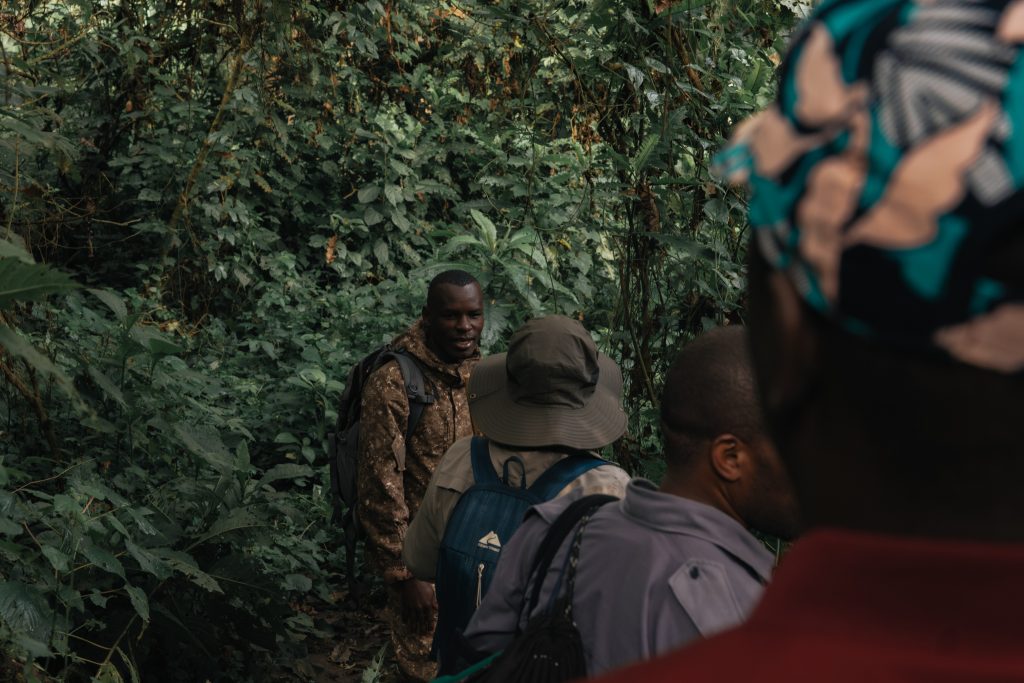
Don’t just dream about the mist-veiled rainforests of Bwindi or the tree-climbing lions of Ishasha, let’s make it a reality. Our specialized team handles every logistical detail, from securing highly coveted UWA gorilla permits to navigating real-time travel updates, health regulations, and luxury eco-lodge reservations.
Whether you are looking for a high-intensity adventure in Jinja, a dedicated photographic expedition, or an immersive multi-day luxury safari across the western circuit, we build custom itineraries designed around your specific passions.
Your journey into the heart of wild Africa begins with a single step. Let’s map it out together.