
Kenya vs Tanzania safari, best time to see the Great Migration
For wildlife lovers and safari enthusiasts, few experiences rival the spectacle of the Great Migration. The annual movement of millions of wildebeest, zebra, and accompanying predators across East Africa is a bucket-list moment that draws travelers from around the world. When planning a Kenya vs Tanzania safari, one core question often arises: where and when is the best time to see the Great Migration, and how should you balance a Maasai Mara or Serengeti quest with other iconic experiences, such as gorilla trekking in Bwindi?
Understanding the Great Migration
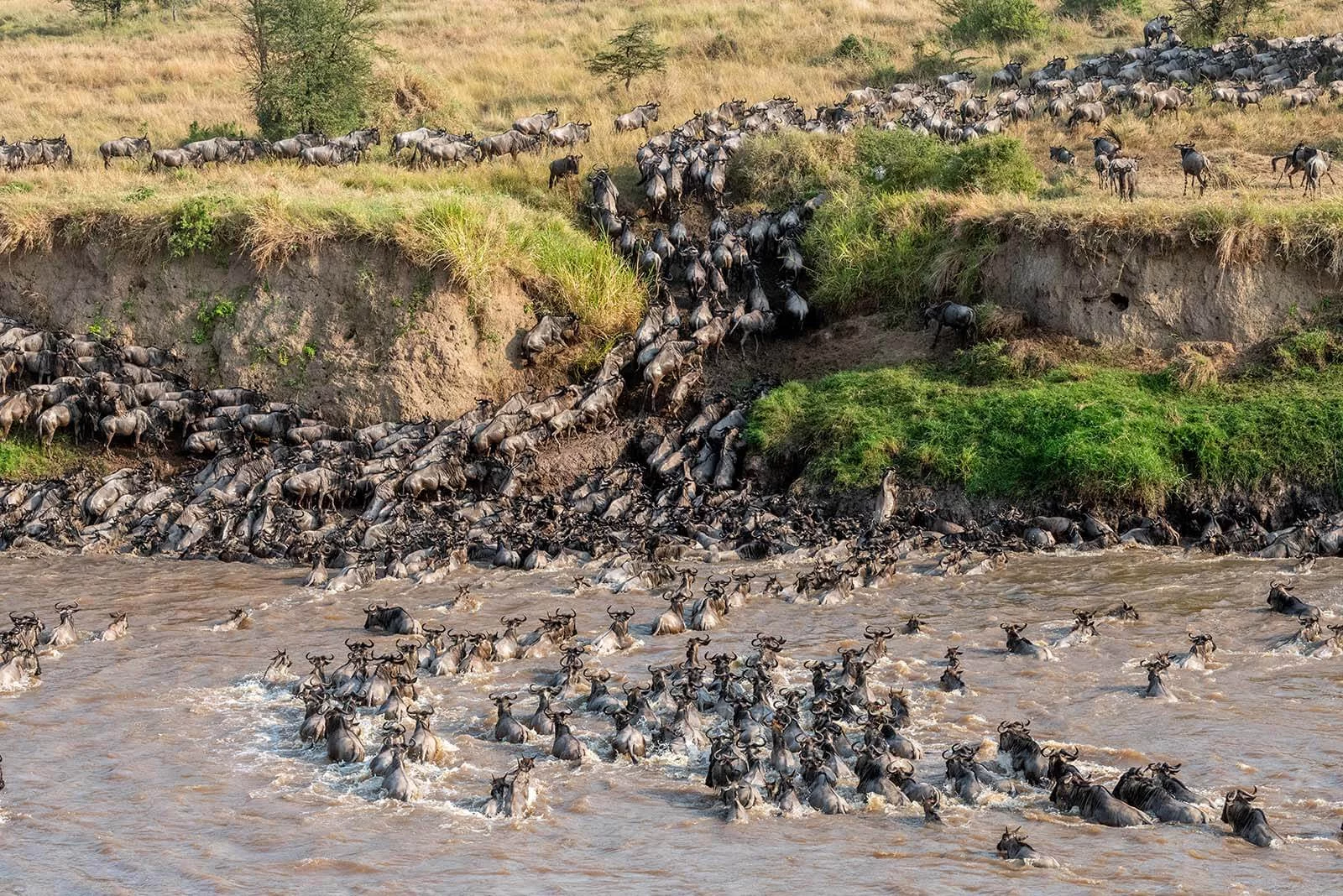
The Great Migration is not a single event but a cyclical, multi-region movement that spans roughly a year. Millions of wildebeest travel across vast plains in search of fresh grazing, following rainfall patterns that shape river crossings, predation opportunities, and herd dynamics. Zebras and other herbivores often follow closely, while predators such as lions, cheetahs, and hyenas capitalize on the abundance of prey.
Key factors that influence Migration timing and visibility:
- Rainfall patterns and grass growth in the Serengeti Mara ecosystem
- River crossings at the Mara and Grumeti, as well as the Sand and Rufiji systems in Tanzania
- Predator density and daytime visibility
- Road access, park regulations, and conservation practices
For a Kenya vs Tanzania safari, you’ll want to understand how these factors play out in each country’s flagship reserves and how weather patterns shift year to year. While the migration is legendary in both countries, the best viewing windows can differ by location and year.
Seasonal Dynamics: Kenya vs Tanzania
The Maasai Mara (Kenya)
- The Mara is arguably the most iconic stage for the migration’s dramatic river crossings and dense herds. Peak river-crossing spectacles typically occur from late July through October, with a crescendo around August and September.
- Pros: High-density wildlife concentrations, dramatic predators in action, comfortable infrastructure for Western travelers, and shorter flight connections from Nairobi.
- Cons: Heavy visitor concentration during peak season, potential road congestion, and higher lodge prices in peak months.
The Serengeti (Tanzania)
- The Serengeti hosts a complementary arc of the migration. Early season wildlife movement can begin as early as June, with significant crossings from July through October, often overlapping with the Mara but offering different terrain and vantage points.
- Pros: Vast savannahs, more varied accommodation options, potential for longer game drives, and less crowding in some areas, excellent light for photography.
- Cons: Distances are larger; some areas require longer drives or domestic flights to reach prime viewpoints.
The Amboseli, Ngorongoro, and Nearby Corridors
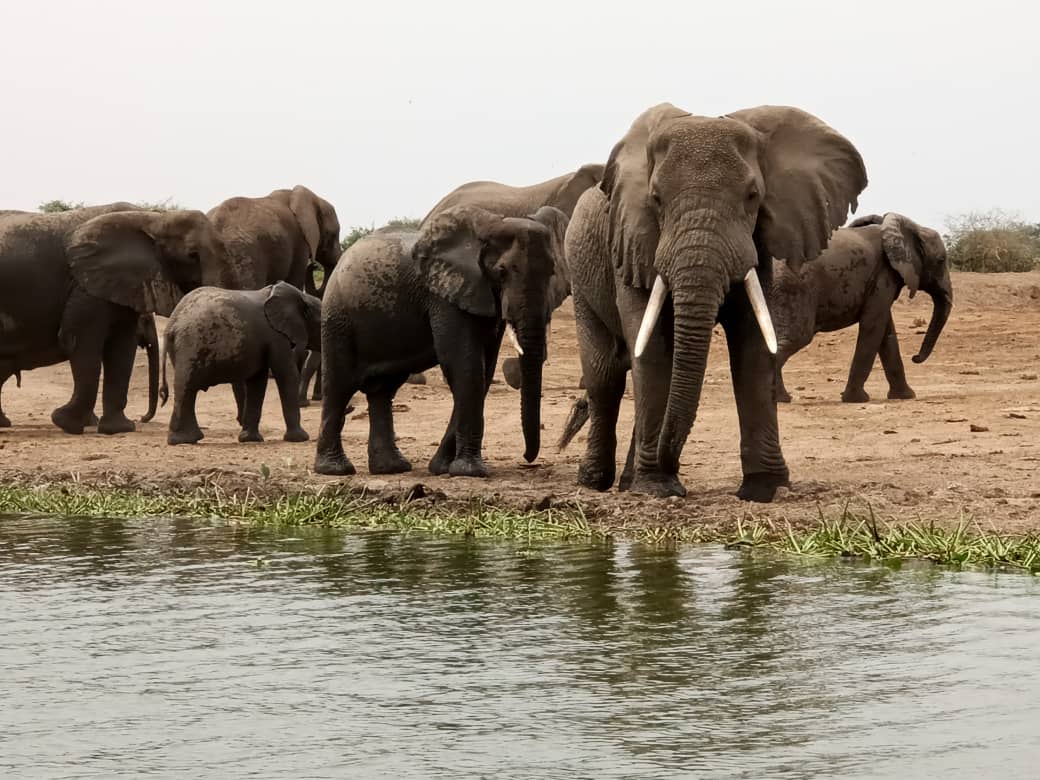
- Amboseli National Park (Kenya) offers dramatic elephant populations and a backdrop of Mount Kilimanjaro on clear days.
- Ngorongoro Crater (Tanzania) provides a unique, enclosed ecosystem with dense wildlife concentrations, though it’s not a migration corridor itself; it pairs well with Serengeti safari plans.
- Migration viewing opportunities depend on seasonal rainfall and river timing; Amboseli and Ngorongoro can complement a Mara Serengeti itinerary by providing different scenery and wildlife spectacles.
Best Time to See the Great Migration
The timing hinges on geography, weather, and yearly rainfall patterns. Here’s a practical breakdown to help you decide where and when to go, keeping in mind the possibility of combining Kenya and Tanzania in one trip.
By Region: Kenya, Tanzania, and Cross-Border Considerations
- Kenya (Maasai Mara): Peak action tends to be July to October, with late July often marked as the bustling start of major river crossings. If your main aim is the classic river crossing spectacle, plan your safari to maximize Mara exposure during these months.
- Tanzania (Serengeti): The Serengeti hosts overlapping but staggered migration waves. Peak viewing can align with July and October in central and western corridors, especially around the Grumeti and Mara Tarime areas. December to March can also offer unique spectacles, such as calving seasons and different predator dynamics.
- Cross-border itineraries: Some travelers book a combined Kenya-Tanzania itinerary to catch migration phases in both countries. This approach requires careful planning to optimize flight legs, park fees, and lodge availability. A well-structured cross-border plan may include Mara-based safaris in Kenya followed by a Serengeti loop in Tanzania, or vice versa, depending on flight schedules.
Month-by-Month Overview
- January–March: Generally off-peak for the migration, but calving in the southern Serengeti can attract predators and create exciting sightings. Fewer crowds and lower rates, but less dense migration herds in certain areas.
- April–May: Wet season in many zones; migration may be dispersed. This period is excellent for birds and landscape photography, with lush scenery and fewer vehicles.
- June: Herds begin moving toward the northern Serengeti and Mara corridor in anticipation of the peak season. Light crowds and comfortable temperatures.
- July–October: The core migration season in Kenya and Tanzania. Peak river crossings, dramatic predator action, and high wildlife density. This window offers the most iconic safari experiences but requires advance planning for accommodations.
- November–December: Short, drier window with a return of some migratory fronts and birthing seasons in parts of Tanzania. Lodges may offer better rates, and the landscapes can be superb for photography as grasses recede.
How to Plan a Kenya vs Tanzania Safari for Migration
Road vs Air Mobility
- Road safaris: Offer intimate wildlife encounters and the flexibility to stop for closer encounters with wildlife. The Mara and Serengeti road networks are generally good, but weather can affect accessibility, especially during the shoulder seasons.
- Air safaris: Internal flights save time and reduce long drives; they’re especially helpful for reaching far-flung areas such as the eastern Mara or central Serengeti without long land transfers. Flight schedules can influence the exact timing of your game drives and hotel check-ins.
Tip: A balanced itinerary often uses a combination of both: a few days of road safaris in high-density zones, followed by short domestic flights to cross between regions and maximize time on safari.
Lodging Styles and Migration Hotspots
- Luxury lodges and tented camps: Often positioned near prime migration corridors, they offer expert guides, superb cuisine, and excellent transportation arrangements.
- Mid-range options: Comfortable and family-friendly, balancing access to wildlife with budget considerations.
- Seasonal camps: Some camps operate only during peak migration periods, offering exclusive experiences with limited capacity.
- Gorillas and primates: If you’re considering Bwindi, plan a separate leg of the journey. Bwindi is a long-haul detour from the East African plains but can be integrated with itineraries in Uganda or Rwanda to create a multi-faceted wildlife adventure.
Wildlife Viewing Tips and Safety
- Early morning and late afternoon game drives tend to yield the best sightings due to animal activity and cooler temperatures.
- Stay in designated areas and follow your guide’s instructions for safety and conservation concerns.
- Bring a versatile lens (200–400mm range or longer for wildlife portraits) and a lightweight, weather-sealed camera bag for comfort in hot, dusty conditions.
- Respect local communities and park rules; support conservation by choosing accredited lodges and guides.
Pairing Safari with Gorilla Trekking in Bwindi
If you’re inspired by primates and want to combine East Africa’s megafauna with one of the world’s premier gorilla trekking experiences, Bwindi Impenetrable National Park in Uganda offers an extraordinary opportunity to encounter endangered mountain gorillas in their natural habitat. While Bwindi is geographically separate from Kenya and Tanzania’s main migration routes, it’s feasible to imagine a multi-country itinerary that includes:
Key considerations for combining Bwindi with migration-focused safaris:
If Bwindi is a priority, consider a staggered itinerary with migration-focused safaris in Kenya or Tanzania first, followed by a gorilla trekking adventure in Bwindi. This approach minimizes travel fatigue and allows for more focused wildlife experiences.
Practical Tips for a Smooth Experience
Health, Safety, and Responsible Travel
- Vaccinations and health: Check current travel health requirements, including malaria prophylaxis, routine vaccines, and any country-specific advisories.
- Safety: Follow your guide’s instructions during game drives. Avoid leaving vehicles in prohibited areas and respect wildlife distances.
- Conservation: Choose eco-conscious lodges and operators that support local communities and park conservation projects. This sustains the habitats and benefits local livelihoods.
Budgeting, Timing, and Booking Windows
- Peak season pricing: July–October tends to have higher rates and quicker bookings. Plan well in advance (6–12 months) to secure preferred camps.
- Shoulder seasons: May to June and November to December can offer better rates with still-accessible migration sightings, depending on weather and park regulations.
- Permits and park fees: Migration-focused safaris typically involve multiple park fees (Kenya and Tanzania) and potential national park entry charges. Factor these into your budget.
Conclusion and Next Steps
A Kenya vs Tanzania safari centered on the Great Migration offers an extraordinary opportunity to witness one of nature’s grandest spectacles. Whether you’re drawn to the dramatic river crossings of the Maasai Mara in Kenya, the expansive savannahs and varied landscapes of the Serengeti in Tanzania, or a combined itinerary that moves you across borders, the timing strategy matters. By aligning your travel with the core migration months, leveraging internal flight networks, and selecting lodges in proximity to the migration corridors, you maximize your chances of memorable wildlife encounters.
If you’re an enthusiast who also loves primates, consider adding a Bwindi gorilla trekking extension. While it requires careful planning and longer travel horizons, it transforms your safari into a multi-faceted, high-value wildlife experience that showcases both Africa’s iconic herbivores and its most intimate primates.
Call to Action
Ready to plan your immersive Kenya vs Tanzania safari and chart the best time to see the Great Migration for your preferred dates? Contact Primate World Safaris today to receive a tailored itinerary that