
Packing Checklist for an African Safari: Essential Gear, Tips, and Gorilla Trekking Considerations
An African safari promises breathtaking wildlife encounters, unforgettable landscapes, and once-in-a-lifetime moments. To ensure you maximize every moment from morning game drives to evening sundowners, you need a thoughtfully curated packing plan. This guide, the Packing Checklist for an African Safari, blends practical gear, region-specific considerations, and optional gorilla trekking add-ons. Whether you’re hopping from Poland, the Czech Republic, Romania, or neighboring nations, or coming from Australia or New Zealand, here’s a comprehensive, actionable checklist that helps you travel lighter, smarter, and more comfortably.
Why a targeted packing approach matters
- Climate variability: Deserts, savannas, and rainforests each demand different layers and protection.
- Wildlife viewing comfort: Neutral-toned clothing reduces glare and helps blend into the environment.
- Health and safety: Appropriate clothing, gear, and medications reduce risk in remote areas.
- Gorilla trekking considerations: Additional gear and stricter rules apply in gorilla habitats.
This guide uses practical, market-aware insights to help travelers from Eastern Europe, Australia, and New Zealand, as well as those planning gorilla trekking, pack effectively for an African safari.

Core packing categories
1) Clothing and layering
Packing light and smart is essential. Africa’s climates vary by region and season, so layering is your best strategy.
- Base layers: Lightweight moisture-wicking tops (long or short sleeve) for sun protection and sweat management.
- Shirts: 3–4 neutral-colored field shirts (khaki, olive, sand) to blend with wildlife and avoid attracting insects.
- Pants/shorts: 2–3 lightweight trekking pants with convertible options work well; avoid bright colors.
- Jacket: Light fleece or deal-weather jacket for early morning drives; a compact windbreaker for cool evenings.
- Outer layer: A breathable, waterproof shell for rain or mist.
- Layering items: A thermal layer for high-altitude or cooler nights (especially for gorilla trekking seasons in East Africa or mountain regions).
- Headwear: Wide-brim hat for sun, beanie for chilly mornings, and a neck gaiter for dust.
- Footwear:
- Sturdy walking shoes or light hiking boots (waterproof preferred).
- Comfortable sandals or slip-ons for lodge downtime.
- For gorilla trekking: lightweight, sturdy boots with good grip; consider gaiters if hiking through tall grass or mud.
- Socks: Quick-dry socks (3–5 pairs) with a couple of wool options for cooler weather.
Tips for readers from Eastern Europe and travelers booking from Poland:
- Choose multi-day travel outfits that mix and match. This minimizes luggage while maximizing outfits.
- Pack clothing in neutral tones (earthy greens, browns) to stay inconspicuous around wildlife.
2) Safari-appropriate gear
- Binoculars (8×32 or 10×42) with a neck strap and lens cleaning cloth.
- Camera gear: A DSLR or mirrorless body with at least one telephoto lens (200–600mm is ideal), plus a wide-angle for landscapes; bring extra memory cards and a backup battery pack.
- Tripod or monopod: Optional but helpful for safari photography; consider a compact travel tripod.
- Headlamp or flashlight with red-light option for night-time wildlife watching near lodges.
- Power bank and solar charger: To keep devices charged on longer game drives or remote lodges.
- Universal adapters: Africa commonly uses Type C, D, G, and several others; pack a universal multi-adapter.
- Water bottles: Reusable stainless steel bottles to stay hydrated; consider a filter straw for remote trips.
- Dry bags or zip-locks: To keep electronics and clothing dry during rain or river safaris.
- Sunglasses and sunscreen: SPF 30+ with broad-spectrum protection; polarizing sunglasses help with glare on open savannas.
- Insect protection:
- DEET-based repellents or picaridin-based products (check local regulations for concentration limits).
- Permethrin-treated clothing (apply to outer garments; do not apply to skin).
- Mosquito net for tents if staying in remote camps.
- Travel towel: Quick-drying microfiber towel for transfers or lodges.
- Dry shampoo and personal care: Lightweight options to stay fresh between lodge visits.
3) Health and safety essentials
- Personal medications: Bring an ample supply of any prescription meds, plus a copy of the prescription.
- First aid kit: Include bandages, antiseptic wipes, antiseptic cream, adhesive tape, pain relievers, anti-diarrheal medication, electrolyte packets, and blister care.
- Vaccination and guidance: Check current advisories for your travel route (e.g., malaria prophylaxis, vaccines). Always consult your travel clinic for up-to-date requirements.
- Travel insurance: Ensure you have comprehensive coverage, including medical evacuation, trip cancellation, and gear coverage.
- Water purification: Water purification tablets or a compact filter for longer safaris or remote camps.
- Hygiene supplies: Hand sanitizer, wet wipes, tissues, and a small pack of biodegradable soap for quick washes.
- Sunscreen lip balm: SPF 30+ to prevent chapped lips, which are common on drives.
Notes for Eastern European travelers:
- Consider a vitamin D supplement if you’re traveling from regions with lower sun exposure during your trip window.
4) Travel documents and money management
- Passport and visas: Check visa requirements for your intended country or countries; some Eastern European travelers might need visas, while others may obtain them on arrival.
- Copies: Keep digital copies of passport, visas, health documents, and bookings.
- Cash and cards: Local currency for tips and incidentals, plus a credit card with no foreign transaction fees.
- Travel itinerary: Printed and digital copies of your safari schedule, lodge confirmations, and contact numbers.
- Travel locks: TSA-approved locks or equivalent for luggage security.
5) Luggage and packing strategy
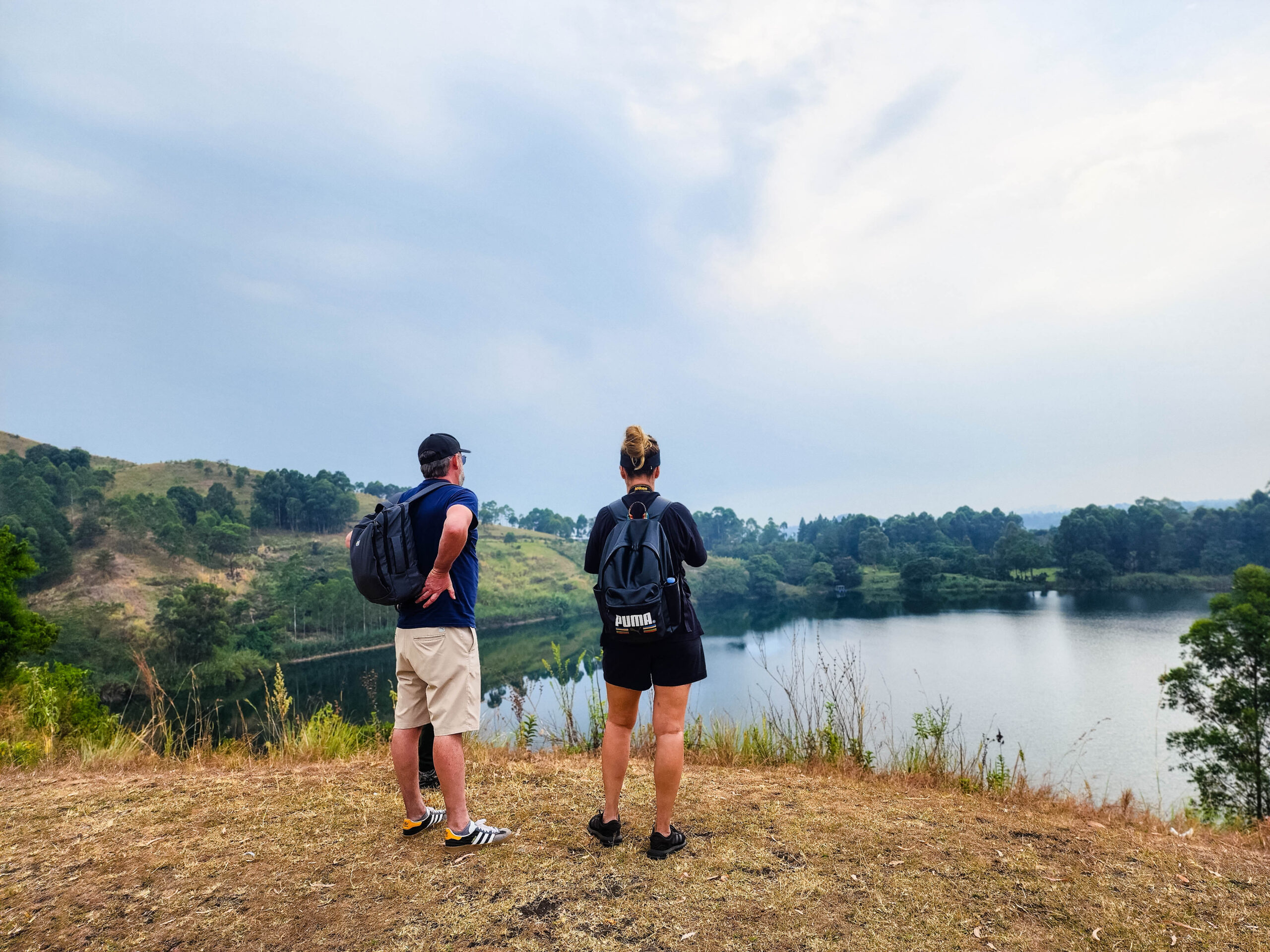
- Carry-on essentials: A small backpack with your essentials, water, sunscreen, insect repellent, a lightweight jacket, and a rain cover.
- Check-in luggage:
- For most safaris, 1–2 large suitcases or soft-sided bags and 1 daypack per person is standard.
- Soft duffel bags are often recommended as they fit better in game-drive vehicles with limited space.
- Packing technique:
- Use packing cubes to organize clothing by category (base layers, tops, bottoms).
- Roll clothing to minimize wrinkles and save space.
- Place a change of clothes in your carry-on in case of luggage delays.
6) Special considerations for gorilla trekking
If your safari includes gorilla trekking (popular in Rwanda, Uganda, or parts of East Africa), add:
- Long-sleeve shirts and lightweight gloves: Protect against thorns, branches, and cool mornings.
- Sturdy hiking footwear: Clean and worn-in to navigate uneven jungle trails.
- Moisture-wicking base layers: To manage sweat and humidity.
- Rain gear: Lightweight rain jacket or poncho; rainforest trekking can be damp and misty.
- Altitude readiness: Some gorilla trekking locations involve hilly terrain; pack a light snack for energy and consider acclimatization if coming from lowlands.
Note for readers from Eastern Europe planning gorilla treks: Tanzania and Kenya do not host gorilla treks; Rwanda and Uganda are the prime destinations for gorilla trekking. If you’re combining a traditional safari with gorilla trekking, plan the itinerary carefully to minimize backtracking and optimize flight connections.
Section-by-section: detailed packing lists
-
Essential gear for all travelers
- Passport, visas, and travel documents stored in a secure, easily accessible place
- Lightweight daypack for morning drives
- Reusable water bottle and hydration reminders
- Small first-aid kit with personal medications
- Interchangeable clothing layers for temperature shifts
- Compact camera gear with spare batteries and memory cards
-
Climate-specific additions
- Dry season safari (hot, dusty): bandana or scarf, dust-proof camera bag, extra face coverings
- Wet season safari (humid, rainy): quick-dry clothing, rain-tested shell, waterproof bag covers
- High-altitude or cooler nights: warm fleece, thermal base layers
-
Tech and connectivity
- Power adapters and surge protectors
- External battery packs and solar chargers
- Offline map apps and translation apps for regional dialects
- Secure storage for digital copies of documents
-
For families and groups
- Kid-friendly items: travel games, small snacks, a lightweight tablet for in-flight entertainment
- Extra sunscreen and hats for children
- Safety considerations: supervise wildlife interactions and follow lodge guidelines
Practical examples and scenarios
- Example 1: Eastern Europe to East Africa (Poland to Kenya) for a 10-day safari
- Pack: 4 neutral shirts, 2 pairs of neutral pants, light jacket, hat, sunglasses, binoculars, camera with telephoto lens, chargers, packing cubes, reversible belt, small rain poncho
- Gorilla trekking option: If visiting Rwanda or Uganda after Kenya, add a lightweight rain jacket, gaiters, and sturdy hiking boots
- Example 2: Australia to East Africa, combined countries for a 12-day safari
- Pack: 3–4 moisture-wicking shirts, 2 pairs of pants, sun protection, insect repellent, comfortable walking shoes, lens hood for sun glare, travel towel
- Example 3: New Zealand to East Africa (Auckland to Serengeti) for a combined wildlife and photography trip
- Pack: Extra memory cards, tripod, comfortable shoes for lodge nights, camera rain cover, sun hat, and a compact first-aid pouch
Expert tips to reduce packing weight
- Choose versatile clothing pieces that can be dressed up or down for lodge dinners.
- Use travel-sized toiletries and consider solid shampoo/soap to save space and avoid liquid restrictions.
- Prioritize essential electronics and consider a shared charging hub for couples or groups to reduce duplicate items.
How to tailor this checklist for gorilla trekking
Gorilla trekking requires distinct preparation:
- Confirm the trekking permit window and age restrictions (usually 15+ in most gorilla-trekking regions).
- Pack lighter, breathable layers, and minimize heavy luggage since trackers may require mobility and quick transitions.
- Align your gorilla trekking schedule with your safari route to avoid backtracking.
- Respect the environment: stay on designated paths, avoid loud noises, and maintain a respectful distance from the gorillas.
Note: Gorilla trekking is not available everywhere on the continent. Rwanda and Uganda (specifically Volcanoes National Park and Bwindi/Mgahinga) are the classic gorilla destinations, with some other East African parks offering limited opportunities. If your trip includes both safari and gorilla trekking, plan reversals (e.g., start with gorillas to allow recovery from altitude or fatigue before embarking on a longer safari drive).
Credible sources and expertise
- Travel safety and health guidance: consult the latest guidelines from reputable health organizations (CDC, WHO) and regional travel clinics for malaria prophylaxis and vaccines.
- Conservation and responsible travel principles: look to established organizations such as the World Travel & Tourism Council (WTTC) and the International Union for Conservation of Nature (IUCN) for best practices.
- Flight and visa specifics: always verify with official airport and government websites for up-to-date visa requirements and airline policies.
While this guide reflects best-practice packing ideas, always tailor to your specific itinerary, lodge requirements, and local conditions. If you’re planning a gorilla trek or a combined itinerary, consult your safari operator to confirm any additional restrictions or gear recommendations.
Practical sample packing checklist
- Clothing: 4 tops, 2–3 bottoms, 1 light jacket, 1 fleece, 1 rain shell
- Footwear: 1 pair hiking boots, 1 pair sandals
- Accessories: hat, sunglasses, bandana, scarf
- Tech: camera with lens, spare battery, memory cards, chargers, universal adapter
- Health: personal medications, basic first-aid kit, insect repellent, sunscreen, lip balm
- Travel essentials: passport, visas, copies, insurance, cash/cards, packing cubes, dry bags
- Gorilla trek add-on: long-sleeve shirts, lightweight gloves, gaiters, sturdy boots
Clear call-to-action and next steps
Ready to transform packing into a smooth, stress-free part of your African safari planning? Primate World Safaris can tailor a regional packing plan to your exact itinerary, departure country, and whether your trip includes gorilla trekking.
- Comment your route and dates, and I’ll customize a region-specific packing list.
- A downloadable, pre-filled 1-page packing checklist for your safari route is available on request.
- Schedule a complimentary pre-trip consultation to review your gear, luggage limits, and contingency plans.
If you found this Packing Checklist for an African Safari helpful, share it with fellow travelers planning from Eastern Europe, Australia, or New Zealand. For more region-specific packing advice, contacting Primate World Safaris ensures your gear aligns with your safari route and the gorilla trekking plan, maximising comfort and wildlife viewing opportunities.
Final note
Packing for an African safari requires balancing practicality, region-specific considerations, and future adventure goals like gorilla trekking. By following this Packing Checklist for an African Safari, you’ll travel lighter, stay comfortable, and focus fully on the remarkable wildlife and landscapes you came to experience. Safe travels, and may your safari be filled with awe-inspiring moments and responsible, respectful exploration with Primate World Safaris.