
Integrating the Batwa Legacy into Your High-End Safari
In 2026, travel has evolved into a Value-Engineered investment in biodiversity and personal legacy. At Primate World Safaris, we no longer just sell trips; we architect logistical missions. One of the most critical elements of a strategic Uganda itinerary is the inclusion of the Batwa people. Known as the Keepers of the Forest, this indigenous community offers a profound counter-narrative to the standard wildlife trek.
The Batwa lived in the forests of western Uganda for thousands of years. However, the gazetting of national parks in the early 1990s changed their lives forever. Today, integrating their story into your journey is not just a cultural choice; it is a tactical necessity for a well-rounded 2026 expedition.
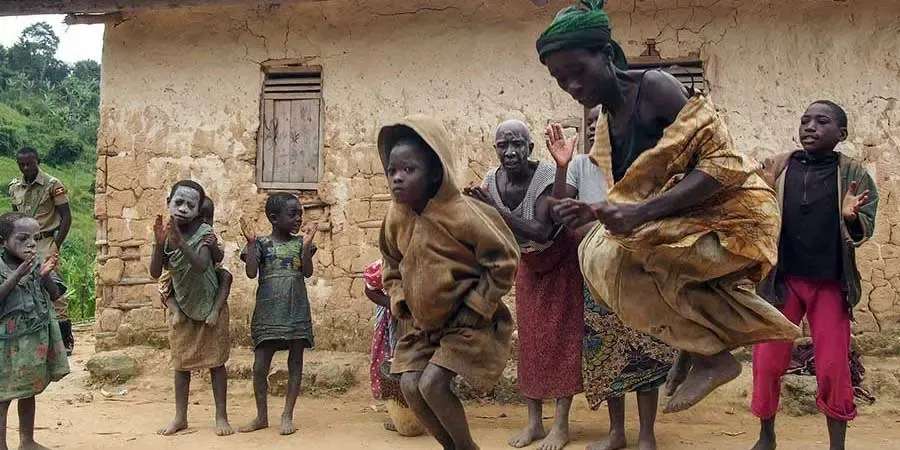
When to Encounter the Forest Keepers
|
Month |
Primate Tracking |
Batwa Cultural Experience |
Strategic Value |
|
Jan – Feb |
Peak. Dry forest floors. |
Excellent. Clear skies for outdoor rituals. |
High Cost / High Clarity |
|
Mar – May |
Wet. Lush and emerald. |
Intimate. Fewer crowds in Batwa villages. |
Low Cost / High Immersion |
|
Jun – Aug |
Peak. The high season. |
Vibrant. Larger communal performances. |
Peak Demand / Social Vibe |
|
Sep – Oct |
Transition. Best light. |
Optimal. Perfect for photography sessions. |
Balanced Value / Pro-Light |
|
Nov – Dec |
Lush. High-value months. |
Spiritual. Dramatic afternoon mist. |
Best Green Season ROI |
The History of the Batwa
The Batwa people rank among the most ancient indigenous communities in East Africa. Their roots trace back over 60,000 years, long before modern agricultural groups arrived. In Uganda, they primarily occupied the Bwindi, Mgahinga, and Semuliki forests.
These forests provided everything: sanctuary, food, and spiritual connection. The Batwa lived in harmony with mountain gorillas, viewing them as forest brothers rather than prey. However, the conservation movement of the 1990s led to their eviction. Authorities gazetted Bwindi and Mgahinga as national parks to protect the gorillas. Unfortunately, the government evicted the Batwa with almost no compensation. This made them conservation refugees in an unfamiliar world without trees.
A Culture of Cooperation and Subsistence
The Batwa maintain small, closely-knit communities. They live in extended family groups and rely on mutual support. Cooperation drives their communal decision-making. While every member has a voice, elders hold significant influence. They guide the community through modern challenges using ancient wisdom.
Hunting and Gathering Mastery
Historically, the Batwa relied on the forest for subsistence. They mastered hunting with bows, arrows, and specialized traps. Men hunted small game like duikers, while women gathered fruits and tubers. They viewed the forest as an endless pharmacy. Even today, Batwa guides can identify hundreds of medicinal plants that modern science is only beginning to study.
Oral Traditions and Dialects
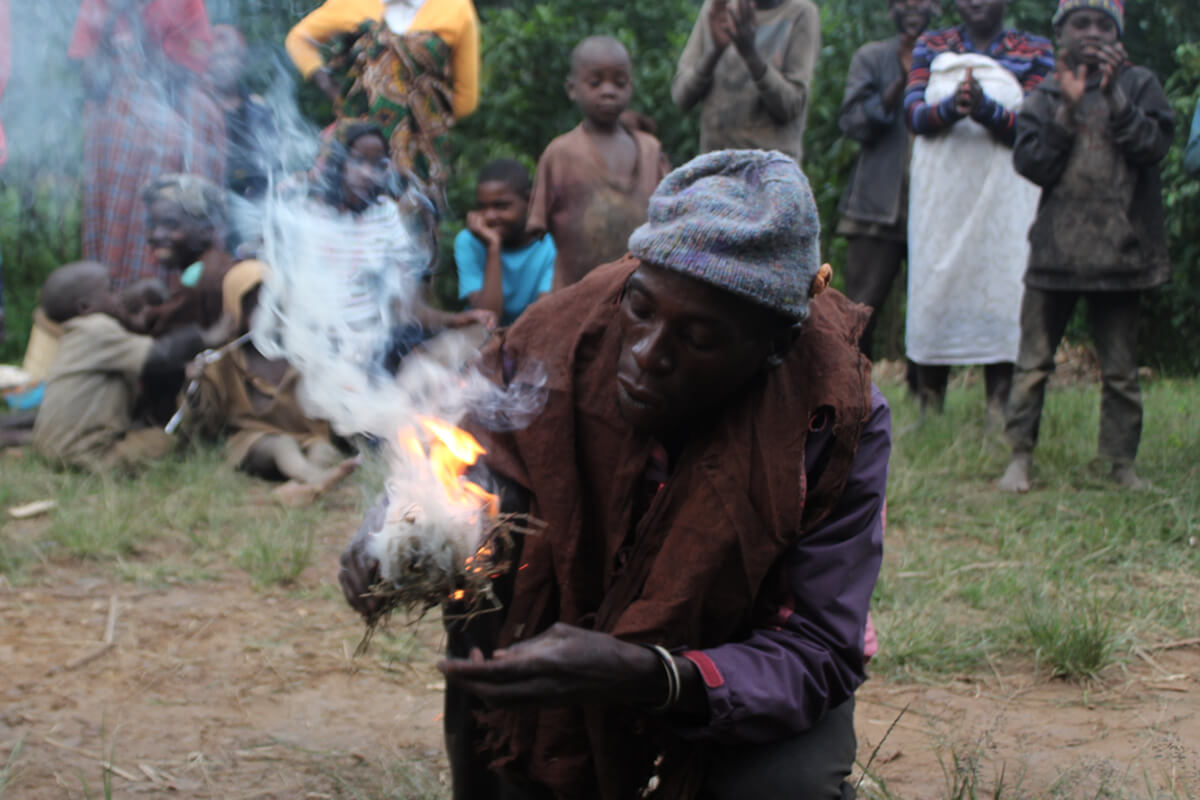
A rich oral tradition defines Batwa identity. They use storytelling, songs, and dance to pass down history. These performances preserve cultural knowledge for children who no longer live in the forest. While many Batwa now speak regional languages like Rufumbira, they maintain distinct dialects that connect them to their roots.
2026 Accommodation Guide
|
Tier |
Recommended Entity |
Strategic Edge |
2026 Est. Daily Rate |
|
Boutique |
Clouds Mountain Gorilla Lodge |
Starlink Ultra; private butlers; elite Batwa access. |
$1,250 – $1,700 |
|
Cultural |
Mount Gahinga Lodge |
80 Mbps Wi-Fi; Batwa heritage site on-property. |
$600 – $950 |
|
Basecamp |
ViaVia Entebbe (Pre-trek) |
5G Hub; nomad social vibe; best shuttle link. |
$130 – $250 |
Digital Connectivity in the Bush
In 2026, a Digital Blackout is a choice, not a technical limitation. Terrestrial fiber and 5G have expanded into the Bwindi foothills.
- The Fiber Revolution: Lodges like Mount Gahinga Lodge now offer dedicated workspaces. You can track primates at dawn and lead a global team meeting by 4:00 PM.
- 5G Corridors: The 2026 Safari Connect Initiative brought 5G towers to park gates. You can now upload 4K footage of a Batwa dance before you leave the village.
The Batwa Cultural Experience
Displaced Batwa created the Batwa Experience to share their heritage and educate their children. This initiative provides visitors with a window into their traditional forest lifestyle.
Batwa guides lead you through Bwindi Impenetrable National Park. They share knowledge of forest ecosystems and hunting techniques. You can witness traditional dances and music performances. These rituals provide insight into their spiritual beliefs. Visitors can also watch artisans weave baskets or craft bows.
The Batwa Trail
The Batwa Trail offers a deeper, more physical immersion. Unlike the village-based experience, this trail takes you deep into the forest of Mgahinga. You see ancient hideouts and hunting grounds.
The journey ends at the Ngarama Cave. This massive lava tube served as a shelter and a royal palace for Batwa kings. Inside the darkness, guides share rituals and songs that echo through the stone. It is a haunting, powerful experience that represents the soul of the forest.
Treating Culture as an Add-on
The biggest mistake travelers make in 2026 is treating the Batwa visit as a 30-minute stop. Actually, these people are the primary stakeholders of the forest. If you rush the experience, you miss the nuance of their struggle and the depth of their knowledge.
Dedicate a full afternoon to the Batwa. Engage with the elders. Purchase their handcrafted goods directly. This ensures your capital reaches the community without being diluted by middlemen.
Modern Challenges and the Path Forward
Loss of land remains the biggest hurdle for the Batwa. Many families now work as agricultural laborers on the lands of other ethnic groups. This transition often leaves them in poverty.
Batwa children face significant barriers to education. Discrimination and a lack of resources often keep them out of school. Healthcare also remains a challenge. Limited facilities exist in Batwa settlements. Displacement has even begun to erode their traditional language.
Efforts to Preserve the Legacy
In 2026, several initiatives work to address these challenges:
- Cultural Heritage Centers: These generate income through tourism and crafts.
- Education Programs: NGOs now fund literacy programs for Batwa youth.
- Healthcare Access: Mobile clinics now reach remote settlements.
- Land Rights Advocacy: Groups continue to fight for legal recognition of Batwa land claims.
Recommended Nomad Spots for 2026
If you use the Uganda Remote Work Visa, these two spots are the ultimate strategic bases:
- Entebbe, Uganda: Specifically ViaVia Entebbe. Located 10 minutes from the airport, it is the social headquarters for 2026 nomads. Its lakeside 5G workspace is unmatched.
- Kigali, Rwanda: Specifically, Norrsken House. Many Batwa travelers fly into Kigali for easier access to Mgahinga. This tech hub offers the fastest fiber in East Africa.
The Transfer-Only Service
Navigating the Pearl of Africa requires a logistics partner. We offer the Primate World Transfer-Only Service, we provide a private transfer between major hubs like Kigali and Bwindi. This allows you to bypass logistical headaches while maintaining your productivity on the move.
Essential FAQs for the 2026 Explorer
Is it safe to visit Batwa communities?
Yes, these communities are extremely welcoming. UWA rangers and local guides ensure your safety. The Batwa view tourism as a vital lifeline for their cultural survival.
What is the best way to handle transport?
Avoid public buses. Use our private transfers. Since these vehicles are silent, they reduce environmental impact. They also provide a smoother ride through the volcanic terrain.
What should I pack for the Batwa Trail?
Pack a Universal eSIM for connectivity. Bring sturdy hiking boots and long trousers for the forest. Also, carry a small amount of local currency (UGX) if you wish to buy crafts directly from the artisans.
How do payments work in the villages?
Cash is becoming obsolete, but still useful in remote areas. However, many Batwa cooperatives now use MoMo (Mobile Money) or Tap-to-Pay via mobile hubs. Top up your digital wallet before you leave the city.
The Value-Engineered Batwa Heritage Itinerary
Are you ready to commit to a more meaningful journey? Primate World Safaris has engineered this 5-day tactical circuit:
- Day 1: Entebbe Arrival. Settle into ViaVia Entebbe. Prep your gear in the 5G lounge.
- Day 2: The Safari Shuttle. Private transfer to the Mgahinga Sector. Check into your lodge and connect to the high-speed bush Wi-Fi.
- Day 3: The Batwa Trail. Spend the day deep in the forest. Explore the Ngarama Cave and learn ancient survival tactics.
- Day 4: Gorilla Tracking. Combine your cultural knowledge with a trek to see the mountain gorillas. Witness the harmonious relationship firsthand.
- Day 5: Departure. Return to Kigali or Entebbe via our high-bandwidth shuttle for your flight home.