
What To Pack For Your Tanzania Safari
In 2026, a safari is no longer just a vacation; it is a high-stakes logistical mission requiring precision, adaptability, and a tech-forward mindset. At Primate World Safaris, we understand that your gear is your primary support system. Whether you are navigating the Digital Corridor of Arusha, scaling the thermal gradients of Mount Kilimanjaro, or conducting a remote board meeting from a 5G-enabled villa in Zanzibar, your packing list must be Value-Engineered for peak performance.
Tanzania remains a land of dramatic contrasts from the 0°C mornings on the Ngorongoro Crater rim to the 30°C humid afternoons in Stone Town. This 2000-word tactical guide ensures you maintain a Zero-Footprint presence while maximizing your Return on Experience.
Clothing & Layering
In the 2026 travel landscape, Tourist Fluff is out; technical functionality is in. Your wardrobe must handle rapid temperature shifts without adding unnecessary bulk to your 15kg (33 lbs.) light-aircraft weight limit.
The Safari Neutral Palette
Wildlife viewing in the Serengeti or Tarangire requires you to blend into the savannah. Neutral colors like khaki, olive, and tan are non-negotiable.
- Avoid Blue and Black: These colors are biological magnets for Tsetse flies, which carry sleeping sickness.
- Avoid White: The grit of the road between Arusha and the Central Serengeti will turn white garments a permanent shade of safari dust within hours.
- Avoid Camouflage: Military-style prints are restricted or illegal for civilians in many East African jurisdictions. Stick to professional earth tones.
The 2026 Layering System
| Layer Type | Item Recommendation | Strategic Purpose |
| Base Layer | Moisture-wicking Merino wool or synthetic T-shirts. | Regulates caloric burn and sweat during bush walks. |
| Mid-Layer | Technical Polartec fleece or a lightweight down shacket. | Vital for 5:00 AM game drives when the dew is heavy. |
| Outer Shell | Gore-Tex or DWR-treated rain shell. | Essential for the March-May and Oct-Dec rainy cycles. |
| Legwear | Convertible zip-off trousers (Craghoppers or Columbia). | Seamlessly transition from a chilly morning to a hot afternoon. |
Footwear
Your feet are your most critical asset. In Tanzania, the terrain varies from volcanic dust to sharp coral rag.
- The Primary Boot: Invest in mid-weight, waterproof hiking boots. Ensure they are broken-in at least three months before arrival to prevent blisters during crater descents.
- The Lodge Shoe: Lightweight slip-ons or high-end sandals (like Birkenstocks or Tevas) are essential. In 2026, many luxury lodges and private homes maintain a shoes-off policy to preserve hand-woven Swahili carpets.
- The Zanzibar Water Shoe: If your mission includes the archipelago, pack rugged water shoes to protect against sea urchins and sharp reef structures during low-tide explorations.
High-Speed Heritage
Tanzania’s infrastructure has leaped forward. With 5G towers now flanking major park gates and Starlink becoming a standard at boutique lodges like Clouds or Gran Melia, your tech kit must be optimized for a Work from Anywhere (WFA) reality.
Connectivity & Power
- The Universal Adapter: Tanzania utilizes Type D (round pin) and Type G (square pin). A high-quality universal adapter with multiple USB-C PD (Power Delivery) ports is mandatory.
- Power Resilience: While most 2026 safari vehicles feature integrated USB charging stations, a 20,000mAh Power Bank is your insurance policy against long days in the bush or localized outages.
- Digital Identity: Download the Vodacom M-Pesa SuperApp before arrival. In 2026, Tanzania is a mobile-first economy. Tap-to-pay via M-Pesa is now accepted at most Visa-enabled terminals, even in remote trading centers.
Documentation & Logistics
- e-Visa Precision: Apply for your Tanzania e-Visa at least 3 weeks prior. Carry a digital PDF on your phone AND a physical laminated copy.
- Insurance Cloud: Your travel insurance must specifically cover Medical Evacuation (AMREF Flying Doctors is the regional gold standard).
Cameras & Binoculars
A safari without high-end optics is like a strategy meeting without data; you’re just guessing.
- Binoculars: Bring your own 8×42 or 10×42 optics. Look for nitrogen-purged, waterproof models to survive the fine dust of the Ngorongoro Highlands.
- The 2026 Camera Rig: While smartphones are impressive, the optimal light angles for leopard photography in the Seronera Valley require a Mirrorless Camera with a 100-400mm lens.
- Storage: 4K video files at 60fps will consume space rapidly. Bring at least three 256GB high-speed SD cards and a rugged external SSD for nightly backups.
Health & Bio-Security
In 2026, health is wealth. Your medical kit should be proactive, not reactive.
- Vector Protection: Use a repellent containing 30% DEET or Picaridin. In 2026, malaria remains a risk; consult your physician about Malarone or Doxycycline.
- The Tanzania Tummy Protocol: Pack Ciprofloxacin (or a similar broad-spectrum antibiotic), Imodium, and Oral Rehydration Salts (ORS). The change in diet and mineral content in the water can challenge even the sturdiest digestive systems.
- Hydration Tech: Plastic bottles are increasingly restricted in national parks. A filtered reusable bottle (like LifeStraw or Grayl) allows you to drink safely from lodge taps, saving money and the environment.
Where to Base Your Mission
| Location | Recommended Entity | 2026 Strategic Edge |
| Arusha (Gateway) | Gran Melia Arusha | 1Gbps Fiber; Infinity pool with Mt. Meru views; Elite VIP shuttle link. |
| Serengeti (Bush) | Four Seasons Safari Lodge | Elevated boardwalks; 24/7 wildlife watering hole; 5G coverage. |
| Zanzibar (Coastal) | The Mora Zanzibar | Luxury All-Inclusive; high-speed Wi-Fi in all villas; private jetty. |
| Digital Nomad | ViaVia Arusha | The social headquarters for 2026 creators; budget-friendly with reliable tech. |
The Transfer-Only Service
Navigating the Pearl of Africa and its neighbors requires a logistics partner. At Primate World Safaris, we offer the 2026 Transfer-Only Service, we provide private transfers between Kilimanjaro Airport (JRO), Arusha, and major hub hotels. This allows you to bypass the hustle of local taxi negotiations and remain productive from the moment you touch down.
Mount Kilimanjaro
If your journey includes the Roof of Africa, your packing list shifts from Safari Chic to Arctic Survival.
- Thermal Management: You need a 4-season sleeping bag rated to -20°C. Porters will carry your main duffel (limited to 15kg), so your daypack must be expertly curated.
- The Summit Push: Pack heavy-weight insulated mittens, a balaclava, and high-quality trekking poles. In 2026, the temperature at Uhuru Peak can plummet to -15°C with wind chill, regardless of the season.
- No Cotton: On the mountain, Cotton is King of Killers. It retains moisture and leads to rapid hypothermia. Use only synthetic or wool base layers.
Cultural Intelligence
Tanzania is a country of deep tradition and vibrant culture. Your presence should be respectful and additive.
- The Swahili Starter Pack: Learning Jambo (Hello), Asante (Thank you), and Karibu (Welcome) isn’t just polite; it’s a strategic door-opener in local markets.
- Tipping Culture: Tipping is an integral part of the service economy. In 2026, while digital payments are rising, cash is still king for tips. Carry small denominations ($1, $5, $10) or Tanzanian Shillings (TZS) for your guides, trackers, and lodge staff.
- Photography Ethics: Always ask Naweza kupiga picha? (May I take a photo?) before clicking. In Maasai bomas or Stone Town alleys, a little respect goes further than a big lens.
The 2026 Sustainability Mandate
Tanzania has a strict Ban on Single-Use Plastic Bags. Even the bags used for duty-free shopping can be confiscated at the airport.
- The Workaround: Use reusable silicone Ziploc-style bags for your toiletries and electronics. They are durable, transparent for security, and compliant with 2026 environmental laws.
The High-Impact Itinerary
Are you ready to deploy? A typical 2026 high-value circuit looks like this:
- Days 1-2: The Arusha Integration. Acclimatize at the Gran Melia, test your gear, and finalize your e-Visas.
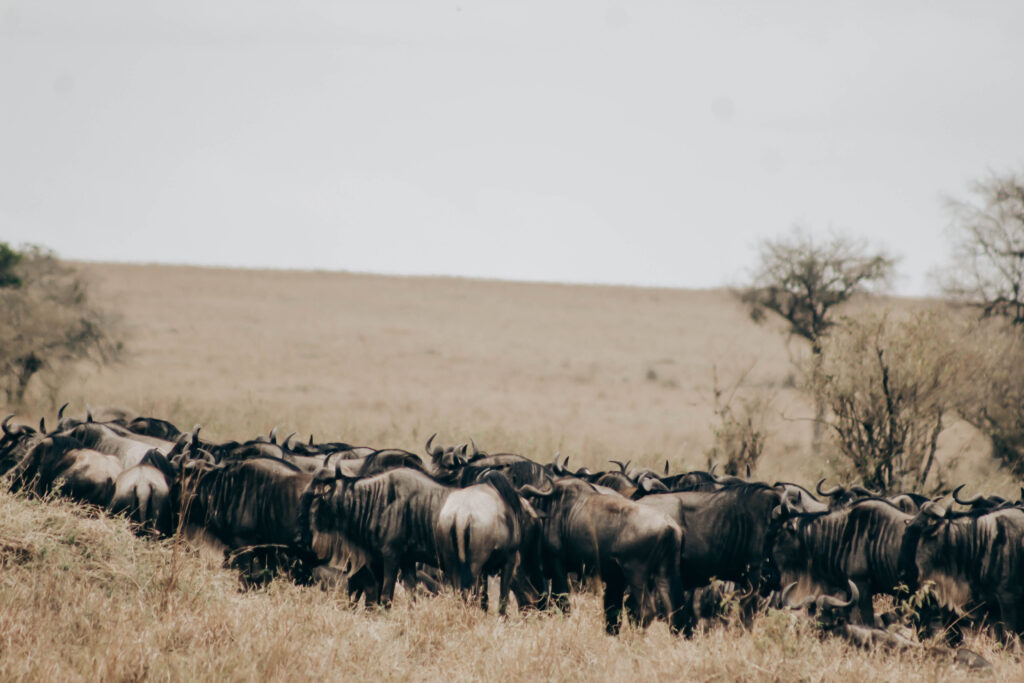
- Days 3-6: The Serengeti Deep-Dive. Track the Great Migration. Focus on optimal light angles for your portfolio.
- Day 7: The Ngorongoro Descent. Experience the world’s largest intact caldera. Use your 10×42 binoculars to spot the elusive Black Rhino.
- Days 8-10: The Zanzibar Pivot. Transfer via bush plane. Swap your boots for flip-flops and your fleece for linen.
- Day 11: The Transfer. Utilize our Transfer-Only Service to return to the airport with your data backed up and your spirit recharged.