
A Comprehensive Cost Breakdown
Planning a safari is an exercise in dreaming. You imagine the golden light of the Savannah, the rhythmic thundering of the Great Migration, and the quiet, breath-holding moment when a mountain gorilla locks eyes with you in the misty forests of Bwindi. However, turning those dreams into reality requires a clear-eyed understanding of the financial landscape.
An all-inclusive safari is designed to remove the stress of logistics, but all-inclusive can mean different things depending on the operator. We believe that transparency is the bedrock of a great adventure. In this guide, we will break down the seven pillars of safari pricing to help you understand where your investment goes and how to maximize every dollar spent in East Africa.
Visas and Entry Requirements
Before you even step foot on African soil, your budget begins with documentation. Navigating the legalities of international borders can feel daunting, but East Africa has made significant strides in simplifying the process for tourists.
The East African Tourist Visa (EATV)
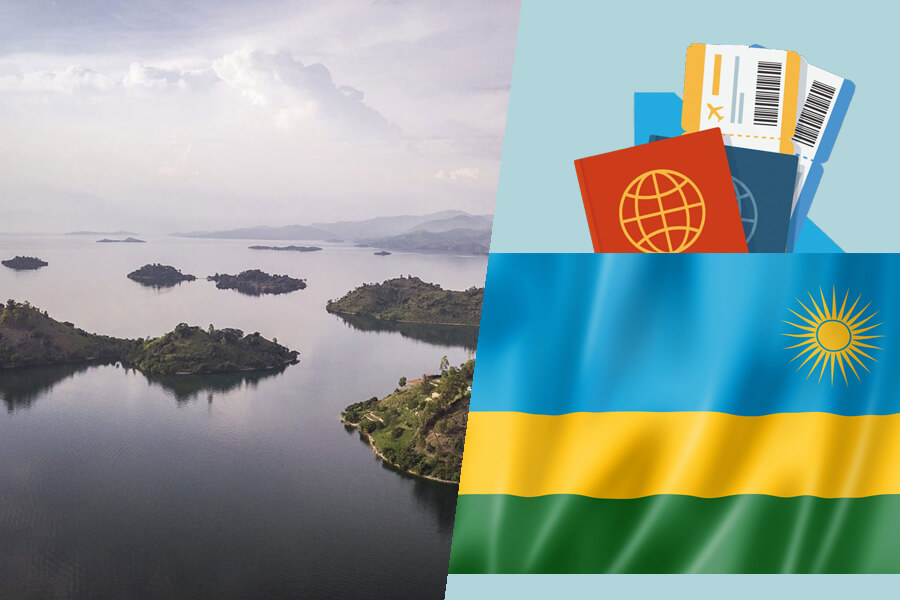
For travelers planning a multi-country odyssey, the East African Tourist Visa is the gold standard. Costing $100 USD, this single sticker grants you entry into Kenya, Uganda, and Rwanda. It is valid for 90 days and allows for multiple entries between these three nations. If you plan to see the gorillas in Rwanda and the Mara in Kenya, this is a significant cost-saver compared to buying individual visas.
Single-Country Options
If your heart is set on just one destination, individual visas generally range from $50 to $100 USD.
- Tanzania: Not currently part of the EATV. A standard tourist visa is $50, though US citizens are required to purchase a $100 multi-entry visa.
- Uganda & Kenya: Single-entry visas are $50.
The Logistics of Application
Most East African nations have transitioned to E-Visa portals. We recommend applying at least three weeks before departure. While Visa on Arrival is still technically possible at many airports, the queues can be grueling after a 15-hour flight. Having your digital approval printed out ensures a smooth transition from the tarmac to your safari vehicle.
International Flights
International airfare is often the largest single expense and the most volatile. Because our guests arrive from London, New York, Sydney, and Tokyo, these costs are rarely bundled into a standard safari package.
Seasonal Fluctuations
The price of your seat is dictated by the Safari Seasons:
- High Season (June–October, December–January): Expect to pay a premium. These months align with the Great Migration and the dry season, making wildlife viewing easier.
- Low/Green Season (March–May, November): You can often find flights for 30–40% less. While this is the rainy season, the landscapes are lush, and the birdwatching is spectacular.
Strategic Booking
To keep costs down, consider Open-Jaw tickets. For example, fly into Entebbe (EBB) in Uganda and out of Nairobi (NBO) in Kenya. This prevents you from having to double back across the region, saving you both the cost of a domestic flight and a full day of travel time.
Accommodation
Accommodation is the heart of your safari experience. In East Africa, budget does not necessarily mean low quality, and luxury can reach heights of opulence that rival the world’s best hotels.
Budget Options ($50 – $150 per night)
Budget travel in the bush often involves tented camps or bandas (small cottages). These are clean, functional, and often located just outside the park boundaries. While you might miss out on a private plunge pool, you are often sharing the same ecosystem as the luxury guests for a fraction of the price.
Mid-Range Options ($200 – $500 per night)
This is the sweet spot for most travelers. Mid-range lodges offer solid structures, ensuite bathrooms with hot showers, and high-quality buffet or three-course meals. Many are situated inside the parks, meaning you can hear the lions roar as you drift off to sleep.
Luxury & Ultra-Luxury ($600 – $2,000+ per night)
At this level, you aren’t just paying for a bed; you are paying for exclusivity and location. Ultra-luxury lodges are often situated on private concessions with exclusive traversing rights, meaning you won’t see another vehicle for days. Expect butler service, fine wines, and architecturally stunning suites that blend seamlessly into the environment.
The All-Inclusive Caveat
When comparing lodge prices, check what is included. Some luxury lodges include all drinks (including premium spirits) and laundry services, while budget lodges may charge extra for a bottle of water or a soda.
Transport
How you move between parks impacts both your budget and your physical comfort.
The Classic 4×4 Land Cruiser
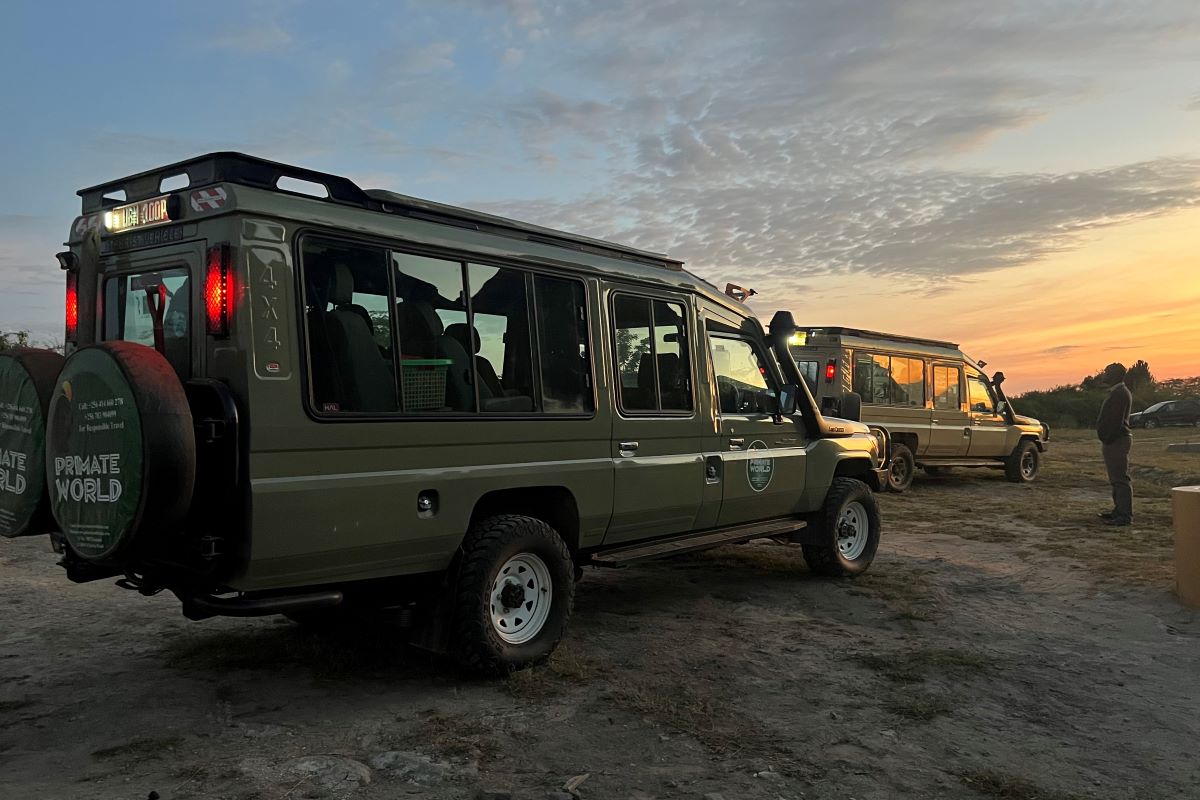
The iconic safari vehicle is a customized Land Cruiser with a pop-up roof. The cost of the vehicle, the driver-guide’s salary, and the fuel are typically fixed daily rates.
- Pro Tip: This cost is shared among the passengers. A solo traveler bears the full cost of the vehicle, while a group of four splits it. This is why safari per person rates drop significantly when traveling as a family or a group of friends.
Fly-In Safaris
For those with limited time, domestic bush flights (Cessnas and Caravans) skip the 8-hour drives. A flight from Arusha to the Serengeti might cost $250–$400, but it saves you a day of travel. While more expensive, fly-in safaris allow you to maximize your time in the wilderness.
Culinary Journeys
Dining on safari is a highlight that many travelers underestimate. Because you are often in remote areas, the logistics of bringing fresh produce to a lodge are complex, which is reflected in the meal cost.
Cultural Flavors
In Uganda and Kenya, you will likely encounter Matooke (steamed green bananas), Ugali (maize porridge), and succulent roasted meats (Nyama Choma). Most lodges cater to international palates, offering a mix of continental breakfasts and multi-course dinners.
Dietary Requirements
We prioritize your health and comfort. Whether you are vegan, gluten-free, or have specific allergies, the lodges need to know well in advance. Because supplies are flown or trucked in from distant cities, last-minute requests can be difficult to fulfill in the middle of the Serengeti.
6. Activity Fees
Activity fees and park permits are often the most misunderstood part of the budget. It is important to remember that these fees aren’t just tickets; they are conservation investments.
The Gorilla Permit
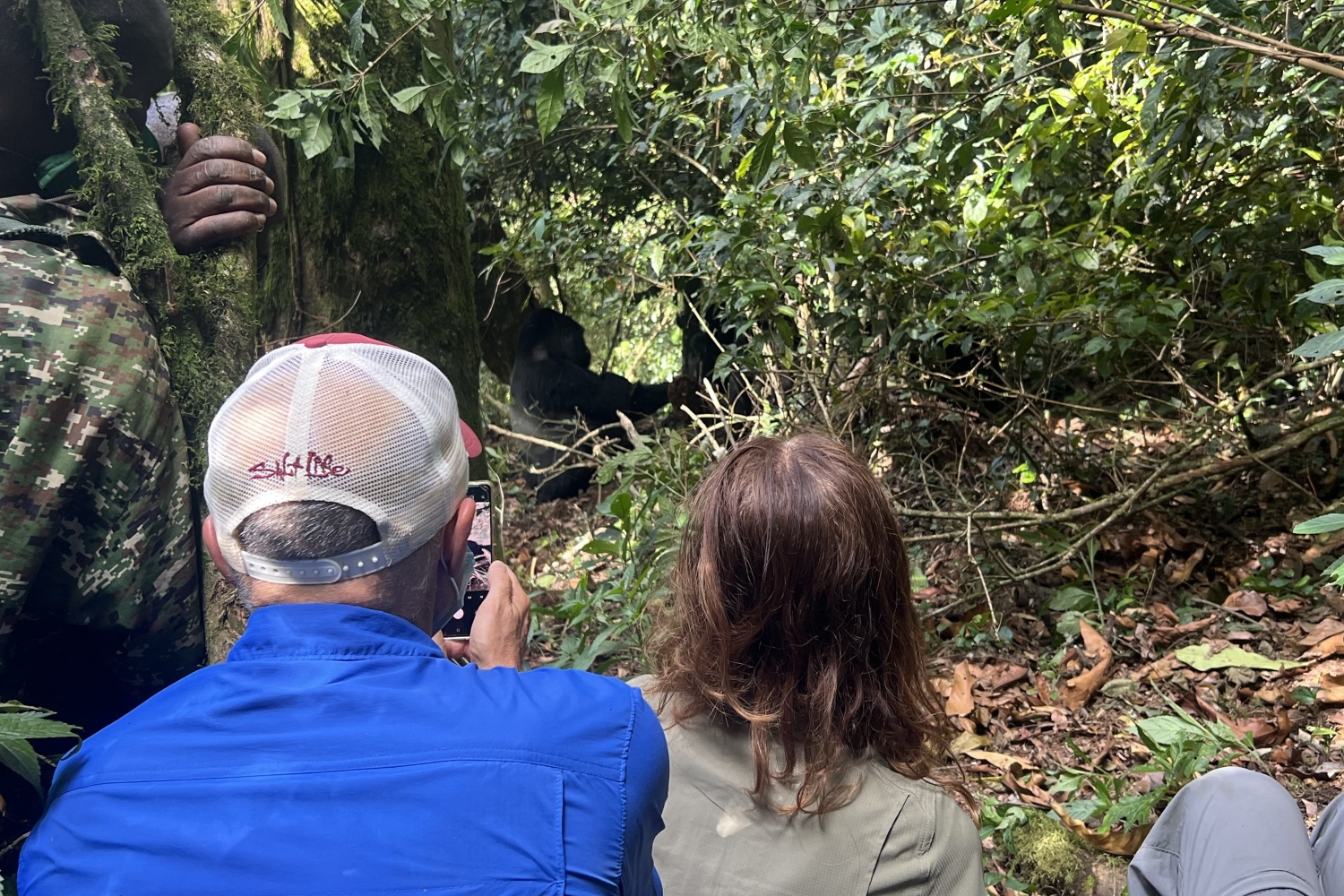
In Uganda, a gorilla trekking permit costs $800, while in Rwanda, it is $1,500. These fees go directly toward the protection of the mountain gorillas, paying for the rangers who guard them 24/7 and the veterinary teams that ensure their survival. While the price is high, it is a once-in-a-lifetime contribution to a successful conservation story.
Park Entry Fees
Each national park charges a daily entry fee (often valid for 24 hours). These range from $40 to $100 per person per day. If your safari lasts 10 days and visits four different parks, these fees can add up to $700 or more per person. In an all-inclusive package, we handle these payments so you don’t have to carry large sums of cash into the parks.
Meals are often thought about in terms of Breakfast, Lunch, and Dinner/Supper. Your meals are often included with your accommodation or planned if you will be stopping for breakfast or lunch on your way.
As we talk with you and try to finalize the details of your safari, we often ask about your dietary preferences or restrictions. This is where you mention any food allergies, preferences, and any other information that can be helpful.
Snacks and roadside treats are usually not included with the cost of a safari and will come from extra cash that you should have for such expenses.
The Extra Safari Cash: Tipping and Treasures
Even in an all-inclusive package, you will want a pocket money fund.
The Art of Tipping
Tipping is an integral part of the safari culture in East Africa. It is a way to show appreciation for the people who make your trip magical.
- Guides: $10–$20 per day, per group.
- Lodge Staff: Many lodges have a community tip box where $5–$10 per day is shared among the cleaners, cooks, and guards.
Souvenirs and Curios
From intricate Maasai beadwork to hand-carved Makonde sculptures, you will find beautiful art you’ll want to bring home. While some shops in major cities take credit cards, roadside markets and rural artisans only accept local currency (Ugandan/Kenyan/Tanzanian Shillings).
Designing a Safari That Fits
The truth is, there is no standard price for a safari because there is no standard traveler. A safari can be a $3,000 rugged adventure or a $30,000 ultra-luxury expedition.
At the end of the day, a safari is an investment in your own perspective. It is the chance to disconnect from the digital world and reconnect with the natural one. By understanding these costs, you can prioritize what matters most to you whether that’s the luxury of a bathtub overlooking the Nile or the thrill of a mobile camping trip following the migration.
We specialize in stitching these seven elements together into a seamless tapestry. We take your budget, your interests (whether it’s photography, birding, or adrenaline sports), and your timeline to create a journey that feels personal.