
Uganda’s Untamed Jewel
Spanning a staggering 3,840 square kilometers, Murchison Falls National Park stands as the largest protected area in Uganda. It is the crown jewel of the country’s conservation efforts, offering a unique and captivating wildlife experience that few places on the African continent can match. From the mesmerizing power of the falls themselves to the diverse flora and fauna that inhabit the park, a visit here promises a blend of raw adventure, serene beauty, and unforgettable memories.
To truly understand Murchison Falls is to understand the Nile. Here, the world’s longest river explodes through a narrow cleft in the Rift Valley escarpment, creating a spectacle of hydraulic power that serves as the centerpiece of this vast wilderness.
A Tale of Two Landscapes
The park is bisected by the Victoria Nile, creating two distinct worlds that cater to different species and offer varied safari experiences.
The Northern Sector
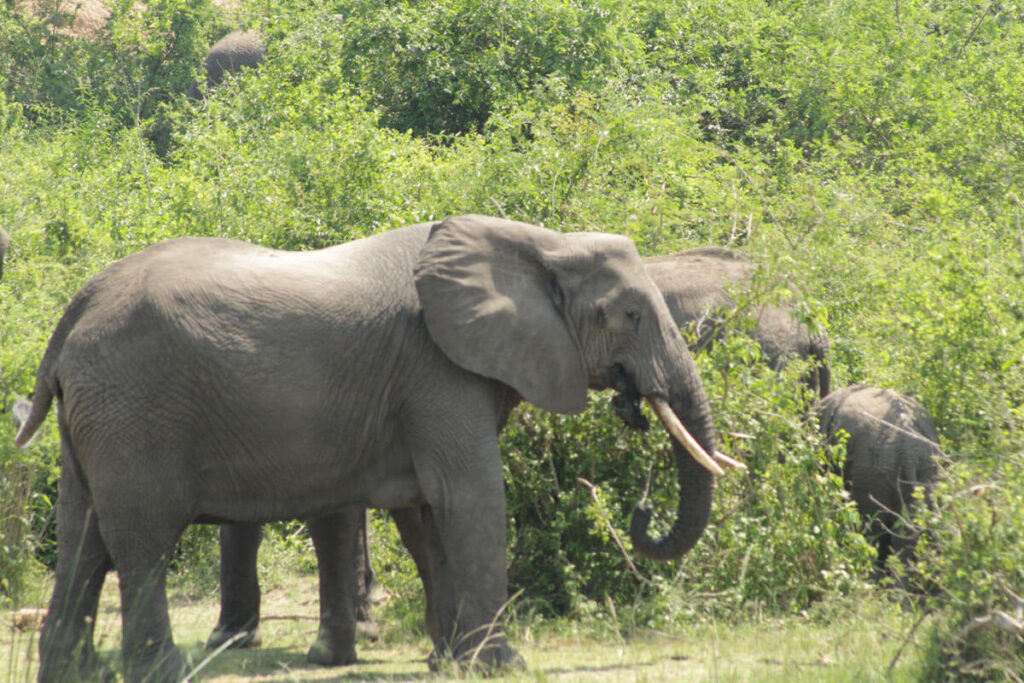
The northern part of the park is the quintessential African safari dream. It features wide-open savannah plains, punctuated by iconic Borassus palms, towering acacia trees, and thick riverine woodlands. This area is the primary territory for the park’s large herbivores and predators. Because of the open vistas, it is a haven for wildlife photography, where the golden hour light hits the tall grass and the silhouettes of giraffes create a scene straight out of a documentary.
The Southern Sector
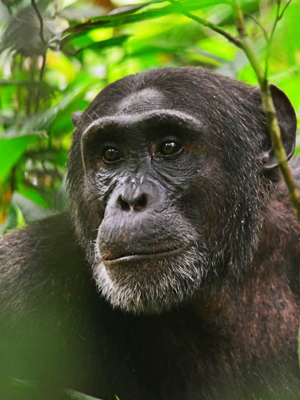
The southern section, on the other hand, provides a stark and beautiful contrast. It is dominated by lush woodlands and dense forest patches, including the famous Budongo Forest nearby. This region serves as a sanctuary for primates, most notably the chimpanzees, and a dizzying array of forest bird species. The air here is cooler, the canopy thicker, and the atmosphere more mysterious.
Getting To and Around the Park
Murchison Falls National Park is located in Northwestern Uganda and is accessible by road from major cities like Kampala and Entebbe. The journey itself is an introduction to the Ugandan countryside, passing through bustling market towns and green landscapes.
Entry Points and Gates
To access the park, you can use various entry points depending on your direction of travel.
- Kichumbanyobo Gate: This is the most popular access point, located about 87 kilometers from the nearest major town, Masindi. It leads travelers through the Kaniyo Pabidi Forest.
- Bugungu Gate: Ideal for those coming from the direction of Lake Albert, offering stunning views of the Rift Valley escarpment.
- Tangi Gate: Convenient for those staying in the northern sector or arriving from the Gulu side.
Navigating the Wild
Within the park, a network of well-maintained game drive tracks allows you to explore its diverse habitats. Whether you are in a custom-built safari vehicle or a private 4×4, these tracks are designed to bring you into the heart of the action while protecting the soil and vegetation.
Timing Your Adventure
While Murchison Falls is a year-round destination, your experience will be dictated by the seasons.
The Dry Seasons (December to February & June to September)
These are widely considered the best times to visit. During these months, the Ugandan sun dries up the seasonal water holes in the bush, forcing animals to congregate around the permanent water bodies, primarily the Nile.
- Visibility: The vegetation thins out, making it significantly easier to spot elusive predators like leopards and lions.
- The Big Five: Your chances of checking off the Big Five (lions, leopards, elephants, buffaloes, and the nearby rhinos at Ziwa Sanctuary) are at their peak during the dry months.
The Emerald Season (Rainy Months)
Don’t discount the wet season (March to May and October to November). The park transforms into a vibrant, emerald-green paradise. This is the best time for birdwatchers, as migratory species arrive, and the landscape is incredibly photogenic, though the thick grass can make animal spotting a bit more of a treasure hunt.
Iconic Experiences
1. The Boat Cruise to the Base of the Falls
No trip to Murchison is complete without a boat safari. As you cruise upstream, you will pass pods of hippos, massive Nile crocodiles basking on the banks, and elephants coming down for a drink. The climax of the trip is the view from the bottom of the falls, where you see the sheer volume of the Nile crashing down into a Devil’s Cauldron of white water.
2. Hiking to the Top of the Falls
For those with a bit of stamina, the hike from the boat landing to the top of the falls is exhilarating. You can feel the ground vibrate beneath your feet as the water squeezes through a gap only 7 meters wide. The mist creates permanent rainbows, offering a sensory experience that photos cannot fully capture.
3. Chimpanzee Trekking in Budongo Forest
In the southern sector, you can trade the safari vehicle for hiking boots. Budongo Forest is home to a large population of habituated chimpanzees. Walking through the mahogany trees to find our closest living relatives is a humbling and deeply moving experience.
Ethical Travel
To ensure that Murchison Falls remains a sanctuary for generations to come, we have outlined five essential guidelines for every visitor.
1. Drive Carefully and Respect the Speed Limit
While driving in the park, maintain a controlled speed of around 40 km/hr. It might be tempting to rush toward a reported lion sighting, but excessive speed is a major threat to the ecosystem. Animals from small reptiles to large elephants frequently cross the tracks. High speeds increase the risk of fatal collisions and create unnecessary dust and noise that distresses the wildlife.
2. Stick to Designated Tracks
The park’s ecosystem is fragile. The tracks have been strategically placed to provide the best views while minimizing soil erosion and habitat destruction. Driving off-track crushes vegetation and can destroy the nests of ground-dwelling birds or small mammals. By staying on the path, you help preserve the wild in wilderness.
3. Take Nothing But Photos (and Leave No Litter)
Littering is one of the most preventable threats to the park. Wildlife, including inquisitive baboons and grazing buffaloes, may ingest trash left behind by humans.
- The Plastic Problem: Plastic waste is particularly lethal; it cannot be digested and often leads to painful blockages and death.
- The Golden Rule: If you pack it in, pack it out. Every wrapper and bottle should return to the lodge or the city for proper disposal.
4. Don’t Feed the Wildlife
It might seem like a harmless interaction to toss a piece of fruit to a monkey, but feeding wildlife is dangerous. It alters their natural behavior, making them food conditioned. Animals that associate humans with food can become aggressive nuisances breaking into tents, raiding cars, and entering hotel rooms in search of bananas or biscuits. This often ends poorly for the animal, which may have to be relocated or culled due to problem behavior created by humans.
5. Keep a Respectable Distance
All animals in Murchison Falls are wild. Even a seemingly calm elephant or a resting lion can charge in a split second if they feel crowded. Always keep a respectful distance, especially when taking photographs. If an animal stops what it is doing to look at you, you are likely too close. Use a zoom lens to get that close-up shot without invading their personal space.
What to Look For
- Rothschild’s Giraffes: Murchison Falls holds one of the largest populations of this endangered subspecies.
- The Shoebill Stork: A holy grail for birders, this prehistoric-looking bird is often found in the swampy stretches of the Nile delta.
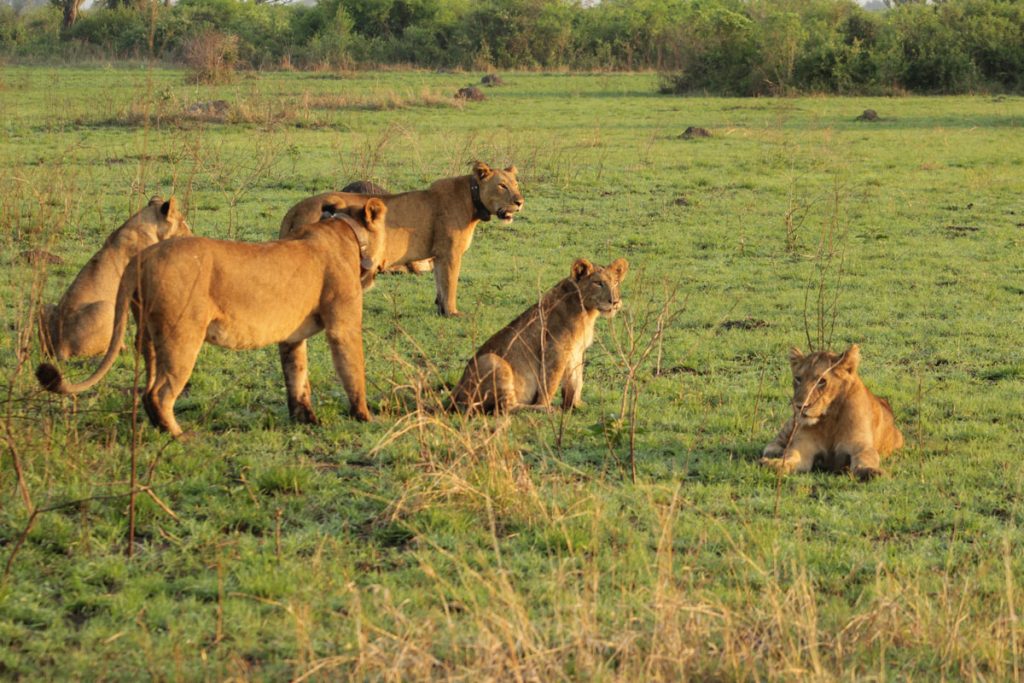
- The Predators: Lions are common in the north, while leopards are more elusive, often seen draped over acacia branches.
- The Giants: Large herds of African elephants and Cape buffalo roam the plains, often moving in majestic processions across the savannah.
Final Thoughts
Visiting Murchison Falls National Park is more than just a vacation; it is a unique opportunity to connect with the primordial heart of the natural world. This park has survived decades of challenges and emerged as a beacon of conservation success in East Africa.
By adhering to the guidelines of responsible travel driving slowly, respecting the boundaries, and protecting the environment you become a partner in this success story. You aren’t just a spectator; you are a guardian of the wild.
Enjoy your journey into the wild responsibly and respectfully. The thunder of the falls is calling.