The 2026 Definitive Safety & Logistical Manifest
For international travelers planning an African expedition, establishing a definitive Standard of Truth regarding safety is an absolute prerequisite. When investing capital and time into a major wilderness journey, vague generalities like exercise caution are insufficient. Consequently, modern explorers require data-driven operational intelligence, real-time epidemiological context, and concrete geographical breakdowns to make informed decisions.
As of May 2026, Uganda remains fundamentally safe for mainstream tourism, provided you operate through a licensed, reputable tour operator and adhere strictly to official travel parameters. The country’s premier wildlife circuits, specifically the high-altitude primate sanctuaries and the primary savannah national parks, remain highly secure, well-insulated zones. Nevertheless, Uganda is currently navigating a period of heightened health surveillance and localized regional security adjustments.
At Primate World Safaris, we prioritize absolute transparency over marketing rhetoric. To help you evaluate the current landscape, this authoritative 2026 intelligence report deconstructs the core safety variables, border protocols, and tactical realities on the ground. Furthermore, it provides the necessary context to ensure your journey is both spectacular and secure.
The 2026 Uganda Security & Health Matrix
Safety is not uniform across any nation; it is entirely dictated by geography. The ledger below outlines the distinct security levels across the country’s primary sectors, enabling you to instantly assess where it is safe to deploy and where you should avoid deployment.
Uganda Regional Operational Risk Ledger
|
Geographic Sector / Asset |
Primary Risk Profile |
2026 Real-Time Status |
Tactical Security Directive |
|
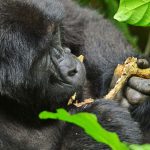
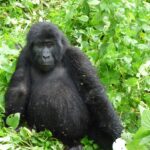
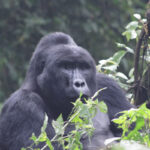
Primate Trekking Circuits
(Bwindi, Mgahinga, Kibale) |
Minimal risk. Exceptional park ranger insulation and military tracking protection. |
Green / Fully Operational. Primate tracking operations are completely unhindered and highly secure. |
Proceed with standard booking. Maintain normal personal property awareness. |
|
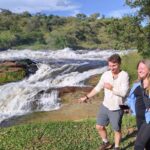
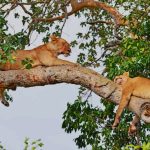
Savannah National Parks
(Murchison Falls, Queen Elizabeth) |
Low risk. Heightened security presence and regular perimeter patrols. |
Green / Fully Operational. High-density game viewing and boat launches are proceeding normally. |
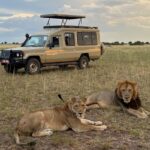
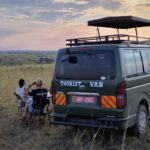
Utilize registered, high-spec 4×4 safari vehicles with veteran driver-guides. |
|
Kampala Urban Sector |
Moderate risk. Petty theft, opportunistic crime, and sporadic traffic congestion. |
Amber / Elevated Vigilance. Heightened security presence following the early 2026 electoral cycles. |
Avoid walking alone at night. Secure valuables; bypass crowded public rallies or unvetted transport hubs. |
|
DRC Western Border Sector
(Within 50km of the border) |
Moderate health and security risk. Active health screenings and border surveillance. |
Amber / Restricted Crossings. Stringent monitoring due to the imported Bundibugyo virus strain. |
Reconsider non-essential border crossing travel. Strictly stick to interior safari transit tracks. |
|
South Sudan Northern Border
(Within 50km of the border) |
High risk. Persistent threat of cross-border banditry and armed rebel incursions. |
Red / Absolute No-Go Zone. Strict government enforcement and military travel restrictions. |
Avoid all travel to this sector entirely. This zone is completely disconnected from tourist tracks. |
1. Health & Disease: Navigating the 2026 Bundibugyo Surveillance
The most critical factor requiring real-time analysis in mid-2026 is the current international health landscape. Following recent developments, the World Health Organization (WHO) and Africa CDC have declared the current outbreak of the Bundibugyo ebolavirus affecting the Democratic Republic of the Congo (DRC) and Uganda a Public Health Emergency of International Concern (PHEIC).
Deconstructing the Data: Kampala vs. The Safari Circuit
While the phrase Ebola outbreak understandably triggers immediate concern, looking closely at the epidemiological data reveals a highly contained situation within Uganda:
- The Origin: The outbreak is heavily concentrated in the Ituri Province of the eastern DRC.
- The Ugandan Cases: In mid-May 2026, Uganda’s Ministry of Health identified two isolated, laboratory-confirmed cases in Kampala. Crucially, these were imported cases involving individuals who had recently traveled directly from the DRC hotspot.
- The Response: The Uganda Ministry of Health, working in lockstep with the WHO and an active Incident Management Support Team (IMST), immediately isolated these individuals, quarantined known high-risk contacts, and activated aggressive contact tracing. There is currently zero evidence of uncontained, locally acquired secondary transmission within Uganda’s general public or safari tracks.
What This Means for Your Travel Logistics
Because the Bundibugyo strain is distinct from the Zaire strain, classic public health interventions, such as rapid isolation, border screening, and strict hygiene protocols, are being deployed with high efficiency.
When arriving at Entebbe International Airport (EBB) or moving through major internal checkpoints, you will encounter heightened health screenings, mandatory temperature checks, and hand sanitization stations. For mainstream travelers, this translates to minor logistical delays rather than a threat to personal safety. The U.S. Centers for Disease Control and Prevention (CDC) maintains a Level 1 Travel Health Notice for Uganda, advising travelers to simply practice usual precautions.
|
Step |
Stage |
Protocol / Actions |
Next Action / Outcome |
|
1 |
Airport Arrival |
Entebbe International Airport Arrival |
Proceed to Mandatory Health Screening |
|
2 |
Mandatory Health Screening |
Thermal Temperature Scanning:
• Non-contact infrared profiling
• Identification of febrile symptoms
Document Verification:
• Verification of Yellow Fever vaccine
• Health declaration screening |
Both checks must be completed successfully |
|
3 |
Clearance & Exit |
PASS |
Seamless Transfer to Safari Escort |
2. Terrorism & National Security: The Perimeter Fortress
Over the past several years, East Africa has maintained a vigilant stance against regional militant groups, specifically the Allied Democratic Forces (ADF) and Al-Shabaab. While the threat of terrorism remains a factor that Western governments highlight in travel advisories, the internal security apparatus within Uganda’s tourism sectors is extraordinarily robust.
The Tourism Police and UPDF Insulation
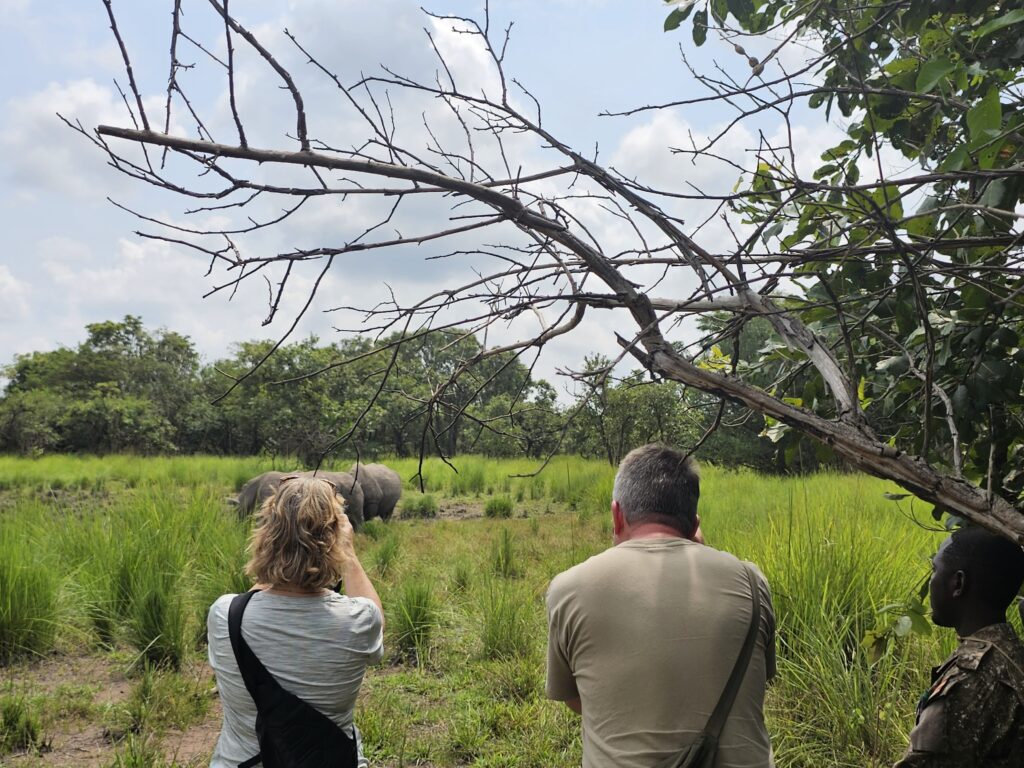
Uganda treats its tourism sector as a vital national security asset. The Uganda Wildlife Authority (UWA) works in direct coordination with the Uganda Peoples’ Defence Forces (UPDF) and a specialized branch known as the Tourism Police. When you deploy to premium primate tracking destinations like Bwindi Impenetrable National Park or Kibale Forest, you are entering a highly fortified ecosystem:
- Armed Ranger Escorts: Every single gorilla trekking group and chimpanzee tracking excursion is accompanied by multiple armed, highly trained UWA rangers who communicate via encrypted radio networks with central military commands.
- Perimeter Patrols: Elite military detachments continuously scout the borders and interior tracks of the national parks, ensuring that wilderness boundaries remain entirely impenetrable to external bad actors.
- Vehicle Checkpoints: Mainstream tourist transit routes feature regular security checkpoints to monitor cargo and passenger manifests, effectively neutralizing logistical vulnerabilities.
Urban Awareness Strategy
While the wilderness is exceptionally secure, urban environments like Kampala require a higher degree of personal awareness. Western embassies continue to advise avoiding large, unvetted public gatherings, political rallies, and crowded transport hubs. When staying in urban areas, our team exclusively utilizes premium, high-security international hotels that feature independent vehicle scanning, luggage x-ray systems, and private security perimeters.
3. Crime and Urban Safety: Tactical Urban Survival
Outside of health and macro-security, petty crime and opportunistic theft represent the most common disruptions facing independent travelers in Uganda. Violent crime against international tourists is exceedingly rare, but financial and property assets must be managed defensively.
Navigating Kampala and Major Urban Centers
Kampala is a vibrant, fast-paced capital, but its high-density population creates opportunities for pickpocketing, phone-snatching, and vehicle break-ins. The U.S. Embassy and local authorities emphasize maintaining a high level of situational alertness:
- The Golden Rule of Wealth Display: Do not wear expensive luxury watches, visible gold jewelry, or carry high-end smartphones loosely in your hand while walking near busy streets.
- The Danger of the Boda-Boda: While local motorcycle taxis (boda-bodas) are a popular mode of transit for residents, they represent a significant safety hazard for tourists due to erratic driving standards. Furthermore, corner-snatching, where a passenger on a passing motorcycle grabs a bag off a walking pedestrian’s shoulder, is a common urban tactic.
- Night Operations: Avoid walking alone after dark anywhere within urban sectors. If you wish to explore Kampala’s culinary or nightlife scenes, always utilize private transport arranged directly through your premium lodge or tour operator.
The Safari Environment Sanctuary
Once you leave the urban sprawl of Kampala and cross into the safari lodge network, the petty crime risk drops to near zero. Premium safari lodges and tented camps operate within private concessions or highly secure community lands, featuring dedicated guard teams and in-room digital safes for your passports, flight manifests, and extra currency.
4. Strict Regional Geography: Zones of Avoidance
Executing a flawless and secure Ugandan safari requires strict adherence to geographic boundaries. The primary travel warnings issued by global regulatory bodies apply almost exclusively to peripheral border zones that are completely disconnected from standard tourist itineraries.
The South Sudan Border Sector
The international travel directive for the northernmost tier of Uganda is absolute: Avoid all travel to areas within 50 kilometers of the South Sudan border. This region faces persistent challenges associated with cross-border tribal conflicts, illicit arms smuggling, and opportunistic banditry. Mainstream tourism operations do not enter or cross this corridor.
The Democratic Republic of the Congo (DRC) Border
The western border of Uganda, stretching along the Albertine Rift, requires nuanced navigation:
- The No-Go Zones: Travelers must avoid non-essential travel directly across the international border into the DRC, as well as the immediate unmanaged border tracks north and south of Lake Albert, due to the risk of regional rebel incursions and the active health surveillance surrounding the Bundibugyo virus.
- The Safe Haven Anomalies: Bwindi Impenetrable National Park and Mgahinga Gorilla National Park both sit along the southwestern edge of this border region. However, due to the intense, multi-layered concentration of UWA rangers, international research stations, and dedicated military battalions, these specific parks are recognized as highly insulated exceptions to the wider border advisory. They are completely secure.
5. The Reputable Tour Operator Dividend: Your Ultimate Safety Shield
When examining travel advisories from the US Department of State or the UK Foreign, Commonwealth & Development Office (FCDO), you will notice a consistent recommendation: travel with an established, registered tour operator. Operating as an independent solo traveler utilizing unvetted public transit introduces unnecessary operational risk; utilizing a premium operator eliminates it.
At Primate World Safaris, we manage safety not as a reactive measure, but as a continuous, foundational workflow.
Safety Infrastructure Framework
|
Operational Component |
Independent Traveling Vulnerability |
The Primate World Safaris Protocol |
|
Transport & Transit |
Reliance on public buses or unvetted local taxis with poor vehicle maintenance records and no tracking. |
Deployment of customized, heavy-duty 4×4 Safari Land Cruisers. Vehicles undergo rigorous multi-point mechanical audits before every launch and are equipped with global GPS tracking and high-frequency long-range radios. |
|
Field Intelligence |
Lack of real-time situational tracking regarding localized protests, health checkpoints, or wildlife shifts. |
Direct, real-time communication channels with the Uganda Wildlife Authority warden network, the Tourism Police, and regional health monitoring boards. Itinerary routes are dynamically optimized to bypass friction points seamlessly. |
|
Emergency Evacuation |
High risk of medical delays in remote areas with limited local clinic infrastructure. |
Every single client manifest includes automatic enrollment in AMREF Flying Doctors emergency evacuation insurance. In the highly unlikely event of a severe medical incident, a fully equipped ICU aircraft is deployed directly to the nearest wilderness airstrip for immediate transport to world-class medical facilities. |
Practical Checklist for a Secure 2026 Uganda Deployment
To ensure your journey through the Pearl of Africa meets the highest standards of safety and efficiency, verify that your pre-travel checklist satisfies the following parameters:
- Official Regulatory Audit: Always review the latest updates on the US Department of State Travel Advisory or the UK Foreign Travel Advice pages at least 72 hours before your international departure.
- Strict Electronic Visa Management: Uganda has fully transitioned to an electronic entry architecture. You must apply for and secure your entry visa via the official Government of Uganda Electronic Visa and Permit Application System website before arrival. Physical visas are no longer issued at the gate.
- Medical Countermeasures: Ensure your Yellow Fever vaccination certificate is valid and accessible, as this is a non-negotiable entry requirement. Speak with a travel health specialist at least six weeks before departure to secure proper malaria prophylaxis, which is essential since early malaria symptoms can mimic other health anomalies, creating avoidable screening delays.
- Independent Medical Evacuation Coverage: Confirm that your primary international travel insurance policy explicitly covers adventure activities (such as high-altitude trekking) and includes substantial medical evacuation coverage.
Final Assessment: Balancing Vigilance with Adventure
Uganda is a country of staggering natural beauty, home to the world’s most profound primate encounters, ancient volcanic landscapes, and resilient communities. The security and health challenges noted in modern travel advisories are real, but they are highly manageable challenges that the Ugandan government handles with immense seriousness and operational competence.
By partnering with an elite operator, maintaining a high level of personal situational awareness, and respecting established geographic boundaries, your journey through Uganda will be characterized not by risk but by world-class discovery, seamless luxury, and deep transformation.
Are you ready to safely orchestrate your 2026 East African deployment?
Our field architects at Primate World Safaris are on standby to engineer a secure, meticulously insulated itinerary tailored precisely to your tracking goals.
Would you like our team to provide an up-to-the-minute field report on lodge security protocols or confirm current trekking permit clearances in Bwindi and Kibale for your upcoming travel window?