
The Blueprint for 2026 Guide
When planning an African expedition, uncovering the Best Tanzania Safari Experience requires a deep understanding of wilderness ecosystems, seasonal animal behavior, and precise logistical planning. In 2026, Tanzania’s Northern Circuit remains the global benchmark for large-scale wildlife viewing, blending raw, prehistoric habitats with a highly organized conservation framework.
A classic 6 to 7-day Northern Circuit itinerary provides an immersive journey through three distinct, world-renowned environments: the limitless open savannahs of the Serengeti, the dense volcanic stronghold of the Ngorongoro Crater, and the ancient elephant sanctuaries of Tarangire.
At Primate World Safaris, we treat every Tanzanian itinerary as a high-performance mission. To ensure your journey balances tactical logistics with awe-inspiring wildlife encounters, this definitive guide provides the ultimate blueprint for navigating the parks, costs, and seasons of this untamed landscape.
1. Top 3 Must-Visit Parks: The Northern Circuit Trinity
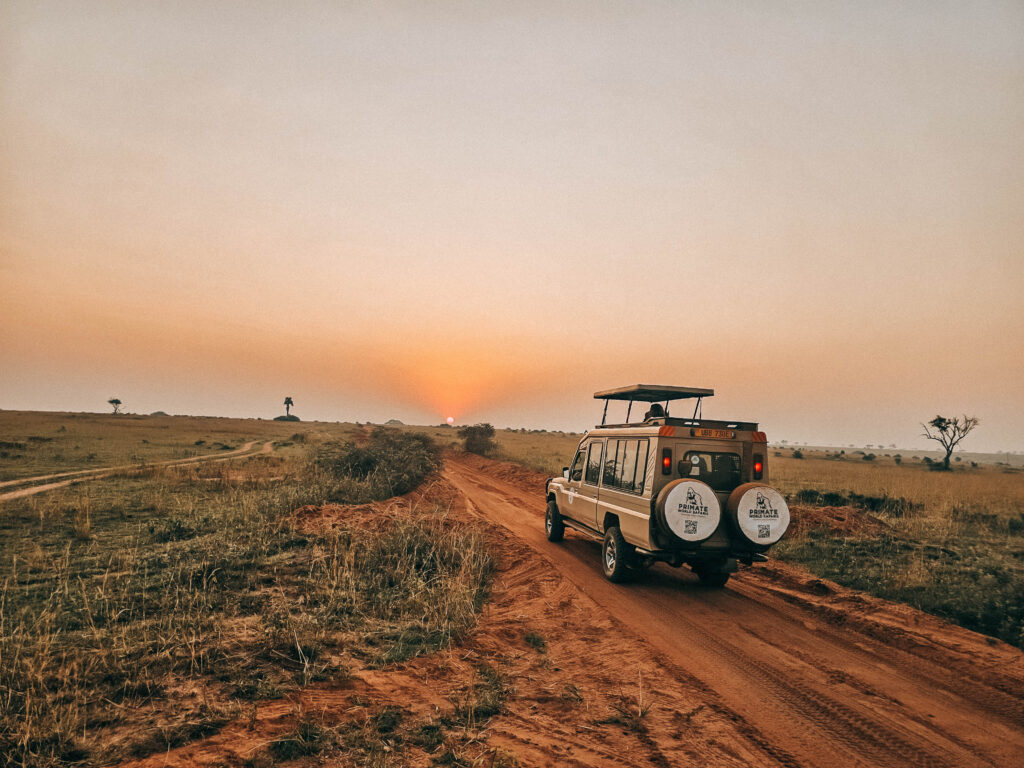
The success of your Tanzania safari depends heavily on targeting ecosystems that offer high-density wildlife viewing. The Northern Circuit is anchored by three protected areas, each delivering a unique biological showcase.
| Destination | Highlight 1 | Highlight 2 |
| Serengeti National Park | Wildebeest Migration | Apex Predators |
| Ngorongoro Crater | Caldera Enclosure | Black Rhino Haven |
| Tarangire National Park | Ancient Baobabs | Massive Elephant Herds |
Serengeti National Park: The Epicenter of the Wild
Spanning nearly 15,000 square kilometers of open plains, Serengeti National Park is the absolute centerpiece of East African wildlife tracking. It serves as the primary arena for the Great Wildebeest Migration, a continuous, cyclical movement of over two million herbivores driven by ancestral survival instincts. The vast, treeless grasslands provide excellent visibility for observing large apex predators, including high-density lion prides, cheetahs, and elusive leopards.
- Optimal Scouting Window: The dry season from June to October is perfect for witnessing dramatic river crossings in the northern corridor. Conversely, December to March offers exceptional viewing on the southern Ndutu plains during the annual calving season.
- Top Experience: A sunrise hot-air balloon safari drifting over the central plains, followed by a champagne bush breakfast served directly on the savannah floor.
Ngorongoro Crater: The Volcanic Stronghold
Formed by the collapse of a massive volcano millions of years ago, the Ngorongoro Crater is the world’s largest intact, inactive volcanic caldera. This UNESCO World Heritage site features 600-meter-high walls that serve as a natural enclosure for roughly 30,000 animals. It offers an incredibly reliable setting for spotting the endangered black rhinoceros alongside healthy populations of bull elephants, spotted hyenas, and golden jackals.
- Optimal Scouting Window: Year-round. The permanent water sources inside the caldera floor ensure animals do not migrate away, guaranteeing dense wildlife viewing regardless of the month.
- Top Experience: An early-morning descent down the steep caldera walls to experience a full-day game drive inside what scientists often refer to as the Garden of Eden.
Tarangire National Park: The Land of Giants
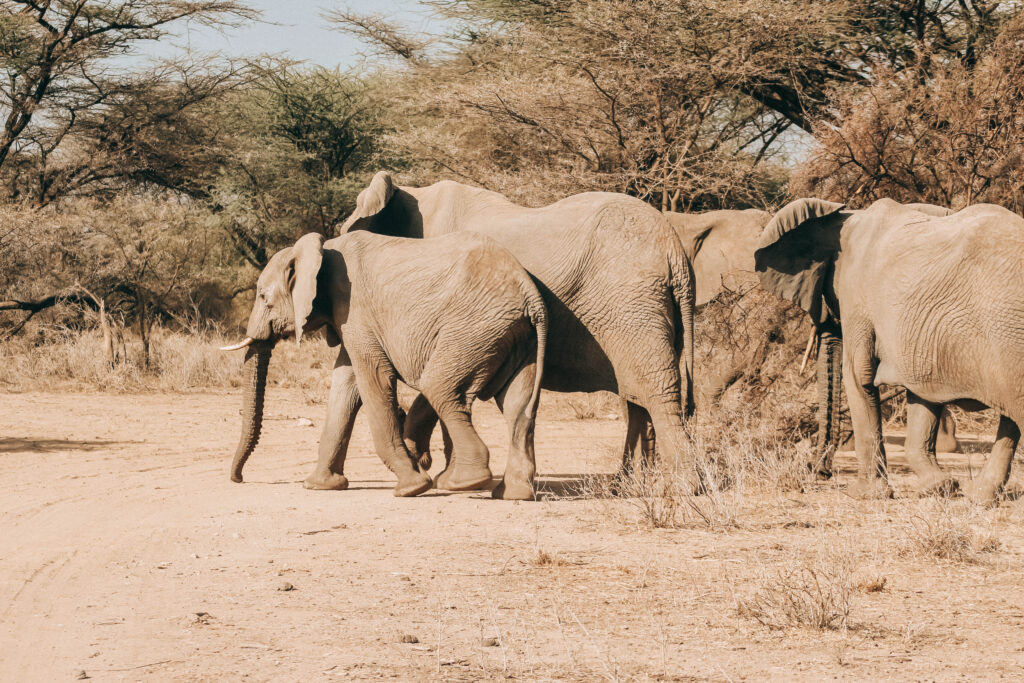
Characterized by a striking landscape of ancient, towering baobab trees and red-dirt tracks, Tarangire National Park is an underappreciated gem on the Northern Circuit. The park is bisected by the Tarangire River, which becomes a vital lifeline for regional wildlife during the dry months. It is globally famous for hosting Tanzania’s largest concentrated populations of elephants, with herds frequently numbering in the hundreds.
- Optimal Scouting Window: July to October. As the surrounding landscape dries up, thousands of elephants, zebras, and wildebeests are forced to congregate along the shrinking river banks.
- Top Experience: Tracking massive breeding herds of elephants as they excavate the dry riverbed for underground water channels beneath the shade of millennial baobabs.
2. Top Cost Factors: The Strategic Blueprint
Understanding why safari quotes vary requires looking at the operational variables that our team manages daily. By structuring these factors into a transparent grid, you can instantly see where your capital is deployed.
Tanzania Safari Budget Shifting Factors
|
Cost Category |
Variable Components |
Real-World Impact on Your Safari Budget |
|
Permits & Government Fees |
Serengeti Entry ($82.60)Ngorongoro Visitor Fee ($70.80)Crater Service Fee ($295/vehicle) |
Non-negotiable baseline expenses fixed by TANAPA and the NCAA. These directly support anti-poaching and conservation, setting a definitive minimum cost floor per day. |
|
Accommodation & Concessions |
Inside Park Boundaries vs. Outside Park GatesLodge Concession Fees ($50 to $70.80/night)Tier Selections (Budget, Mid-Range, Luxury) |
Lodges built inside park borders incur steep government concession fees. Choosing a premium mid-range eco-lodge situated just outside the main gates can save you $100 to $200 per night while offering identical daytime game access. |
|
Group Dynamics & Transport |
Solo Traveler Expenses, Shared Group Outings, Private 4×4 Safari Land Cruiser |
Solo travelers absorb 100% of the private 4×4 Land Cruiser fuel, maintenance, and guide fees ($150 to $250 per day). Exploring as a group of 4 to 6 splits this fixed vehicle expense evenly, drastically reducing the price tag per person. |
3. The Definitive 7-Day Northern Circuit Itinerary
Executing the best Tanzania safari experience requires a logical geographic progression to eliminate Transfer Lag and minimize driving fatigue. This curated 7-day manifest maximizes your tracking time across the region’s top parks.
- Day 1: Base Operations in Arusha. Arrive via Kilimanjaro International Airport (JRO). Transfer to your lodge in Arusha for a detailed pre-safari briefing with your driver-guide. Take this time to audit your camera gear, adjust to the local timezone, and rest before your morning deployment.
- Day 2: Tarangire National Park Exploration. Depart Arusha early for a scenic drive to Tarangire National Park. Spend the afternoon conducting deep-woods game drives along the Tarangire River loop, documenting giant elephant families, tree-climbing pythons, and diverse bird species. Overnight at a permanent tented camp near the park boundary.
- Day 3: Lake Manyara Transit to the Highlands. Drive to Lake Manyara National Park, a scenic gem famous for its alkaline soda lake, pink flamingos, and unique groundwater forests. Scan the mahogany trees for the park’s famous tree-climbing lions. In the late afternoon, ascend the spectacular Great Rift Valley wall to check into your lodge in the Karatu or Ngorongoro highlands.
- Day 4: Ngorongoro Crater Descent to Central Serengeti. Clear the high-security gates of the Ngorongoro Conservation Area early. Descend 600 meters into the crater floor for a focused, 6-hour wildlife tracking mission. Hunt for black rhinos and massive tuskers. After a picnic lunch by the hippo pool, ascend the caldera and drive northwest into the sweeping plains of the Central Serengeti (Seronera).
- Day 5: Full-Day Serengeti Tracking Mission. Dedicate the entire day to exploring the central valley and kopjes (granite rock formations) of the Serengeti. These rocky outcrops serve as excellent lookout points for lions and cheetahs. Track resident wildlife along the Seronera River valley, where leopard sightings are highly reliable.
- Day 6: Western Corridor or Northern Serengeti Push. Depending on the current coordinates of the Great Migration, execute morning game drives tracking the moving herds. In the afternoon, begin a slow, en-route game drive back toward the Ngorongoro Conservation Area, staying at a luxury rim lodge or returning to the Karatu highlands.
- Day 7: Final Tracks and Departure. Conduct a relaxed, morning en-route game drive out of the conservation highlands. Stop at local community centers or cultural artisan galleries if desired. Return to Arusha by mid-afternoon for your outbound flight transfer from Kilimanjaro International Airport.
4. Seasonal Strategy: When to Launch Your Mission
Tanzania’s equatorial climate creates distinct seasonal shifts that fundamentally alter wildlife movement and vegetation density. Aligning your travel window with your tracking goals is critical to a successful trip.
The Peak Dry Season (June to October)
This is universally considered the prime window for high-density predator viewing and tracking the Great Migration.
- The Landscape: The bush thins out dramatically, and natural water holes dry up, forcing thousands of animals to gather along predictable rivers and permanent swamps.
- The Trade-off: High traffic volumes around prime sightings and premium pricing across mid-range and luxury lodges.
The Calving and Green Season (December to March)
A spectacular, highly photogenic window focused on the southern Serengeti and Ndutu plains.
- The Landscape: The short rains transform the dry plains into an emerald carpet of nutrient-rich grass. Millions of wildebeests gather here simultaneously to give birth to hundreds of thousands of calves within a three-week window, triggering intense action from nearby lions, hyenas, and cheetahs.
- The Benefit: Excellent lighting for photography, highly active predator-prey dynamics, and noticeably fewer tourist vehicles.
The Long Rainy Season (April to May)
Characterized by heavy afternoon downpours, this is the time for adventurous travelers looking for an exclusive trip.
- The Landscape: The entire Northern Circuit becomes lush, green, and completely free of dust.
- The Benefit: Lodges cut their nightly rates by up to 40%, and you will often have entire sections of the Serengeti completely to yourself. A private 4×4 safari vehicle is non-negotiable to navigate the muddy tracks safely.
Conclusion: Securing Your 2026 Manifest
The best Tanzania safari experience is a life-changing journey into the heart of wild Africa. By combining the vast landscapes of the Serengeti with the unique volcanic geography of Ngorongoro and the giant elephant herds of Tarangire, the Northern Circuit delivers an unparalleled look at our natural world.
Ready to design your custom Tanzanian expedition?
Our travel architects at Primate World Safaris handle all the logistics, from securing entry permits and booking high-end tented camps to arranging private, customized 4×4 Land Cruisers with top-tier guides.
Would you like our team to run a real-time availability check for luxury tented lodges or generate a custom quote for this 7-day Northern Circuit itinerary based on your travel dates?