
The Ultimate Wildlife Journey Through Uganda
Uganda, celebrated as the Pearl of Africa, is a country of astonishing ecological diversity. It straddles the meeting point of East African savannah and West African jungle, offering travelers a rare biological jackpot: the chance to track mountain gorillas in misty forests and later the same day watch lions roam open plains. This guide explores Uganda’s premier wildlife experiences, the logistics of planning a safari, and the deeper conservation ethos that makes every encounter meaningful.
1. Mountain Gorilla Trekking: Bwindi & Mgahinga
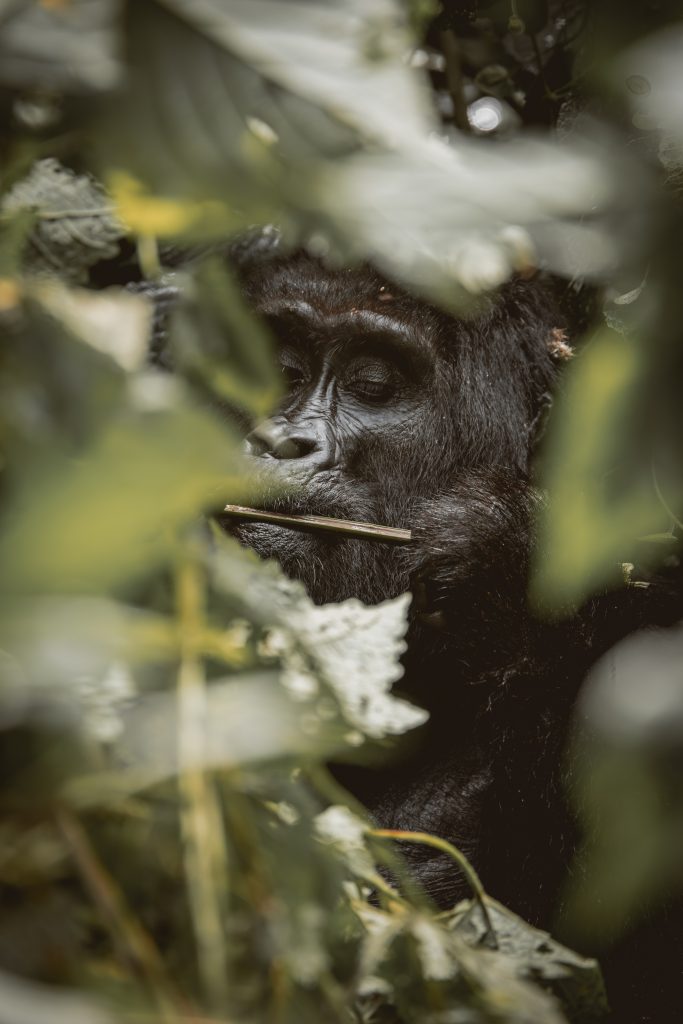
Few experiences rival the raw intimacy of gorilla trekking. Uganda shelters nearly half of the world’s remaining 1,060 mountain gorillas, making it a global sanctuary.
- Bwindi Impenetrable National Park: A UNESCO World Heritage site covering 321 km². Its ancient biodiversity survived the last ice age. The park is divided into four trekking sectors—Buhoma, Ruhija, Rushaga, and Nkuringo, each with unique gorilla families and terrain.
- Mgahinga Gorilla National Park: Part of the Virunga Conservation Area, dominated by extinct volcanoes. The Nyakagezi gorilla group resides here, known for its migratory history but now settled in Uganda.
The Trekking Experience: Begins at 7:30 AM with a safety briefing. Rangers cut paths through dense forest, guided by advance trackers. Encounters last exactly one hour, with strict rules: maintain 10 meters distance and withdraw if ill. Watching a silverback strip leaves while juveniles tumble nearby is profoundly moving, underscoring our evolutionary bond.
2. Chimpanzee Tracking & Habituation
Chimpanzees embody the forest’s kinetic energy, offering insights into social hierarchies and communication.
- Kibale National Park: Known as the Primate Capital of East Africa, it hosts 13 primate species, including over 1,500 chimps. Success rates exceed 95%. Visitors often hear pant-hoots echoing through the canopy.
- Other Sites: Kyambura Gorge (Underground Forest), Budongo Forest (within Murchison Falls), and Kalinzu Forest (budget-friendly).
Chimpanzee Habituation Experience (CHEX): A full-day immersion in Kibale, following chimps from dawn to dusk. Travelers witness hunting, grooming, patrolling, and nesting, gaining a deeper appreciation of their complex lives.
3. Tree-Climbing Lions of Ishasha
In Queen Elizabeth National Park’s Ishasha Sector, lions defy typical behavior by resting in fig trees.
- Reasons for Climbing:
- Cooling breezes above the grasslands.
- Escape from biting tsetse flies.
- Elevated vantage points for hunting.
This phenomenon is unique to Ishasha, offering rare photographic opportunities of entire prides lounging in trees—an unforgettable sight.
4. Murchison Falls National Park: The Nile’s Power
Uganda’s largest and oldest park, where the Victoria Nile squeezes through a 7‑meter cleft before plunging 43 meters.
- Boat Safari: Afternoon cruises reveal elephants, hippos, crocodiles, and birdlife along the banks.
- Game Drives: The northern savannah hosts Rothschild’s giraffes (the largest population worldwide), buffalo, hartebeests, lions, and leopards.
The combination of big game and dramatic landscapes makes Murchison a classic safari destination.
5. Rhino Tracking at Ziwa Sanctuary
Uganda’s rhinos were once extinct but are being reintroduced at Ziwa, a 70 km² sanctuary.
- Experience: Visitors track Southern White Rhinos on foot, guided by armed rangers. Encounters bring travelers within 7–10 meters of these gentle giants.
- Conservation Impact: Permit fees directly fund anti-poaching patrols, making tourism vital to rhino survival.
6. Hidden Jewels: Kidepo Valley & Lake Mburo
Beyond the famous parks, Uganda offers lesser-known but equally rewarding reserves.
- Kidepo Valley National Park: Remote and rugged, ranked among Africa’s finest wildernesses. Features Narus Valley (lush, wildlife-rich) and Kidepo Valley (semi-arid, palm-lined). Unique species include cheetahs, caracals, bat-eared foxes, and ostriches.
- Lake Mburo National Park: Uganda’s smallest savannah park, ideal for walking, biking, and horseback safaris. Lacking elephants and lions, it allows close encounters with zebras, impalas, and elands.
7. Planning Your Safari: Seasons, Permits, Logistics
Uganda’s equatorial climate is warm year-round, but rainfall defines travel windows.
- Dry Seasons (June–Sept, Dec–Feb): Best for wildlife viewing and trekking. Trails are firm, and animals congregate at waterholes.
- Wet Seasons (Mar–May, Oct–Nov): Lush landscapes, excellent birdwatching, and discounted lodge rates.
Permits:
- Gorilla trekking: USD 800 (discounted to USD 600 in April, May, and November). From Jan 2027, habituation permits will rise to USD 1,800.
- Chimpanzee tracking: USD 250 (USD 200 in low season), rising to USD 300 in 2027. Permits are limited and sell out months in advance.
8. Health & Entry Requirements
Preparation is essential for safe travel.
- Vaccinations: A yellow fever certificate is mandatory. Malaria prophylaxis is strongly advised.
- Insurance: Must cover medical evacuation from remote areas.
- Visas: Apply online for Uganda’s e‑Visa. The East Africa Tourist Visa (USD 100) covers Uganda, Kenya, and Rwanda.
9. Packing Essentials
Travelers must prepare for both savannah and rainforest conditions.
- Footwear: Waterproof hiking boots for Bwindi/Kibale; trail shoes for the savannah.
- Clothing: Long-sleeved, moisture-wicking shirts; safari trousers tucked into socks to deter ants.
- Colors: Neutral tones; avoid blue/black (attract tsetse flies).
- Gear: Sunscreen, insect repellent, wide-brim hat, telephoto lens (200–400mm). Flash photography is banned with primates.
10. Uganda’s Magic: Connection Through Wilderness
The guide emphasizes that Uganda’s true gift lies not only in its biodiversity but in the profound sense of connection it fosters. Standing near a silverback gorilla or tracking rhinos on foot delivers raw, transformative encounters that linger long after the journey ends.
Other experiences
- Conservation Ethos: Every permit fee directly supports ranger patrols, habitat protection, and community programs. Uganda’s model shows how tourism can sustain endangered species.
- Cultural Layer: Safaris often intersect with local communities. Visitors may engage with Batwa guides in Bwindi or hear traditional stories in Kidepo, enriching the wildlife experience with human heritage.
- Photography & Storytelling: Uganda’s landscapes, from misty forests to golden savannahs, offer unparalleled opportunities for photographers. Capturing a gorilla’s gaze or lions in trees becomes not just a memory but a story to share.
- Traveler Profiles: Uganda appeals to adventurers seeking physical challenge (gorilla treks), families wanting accessible wildlife (Lake Mburo), and conservationists eager for immersive experiences (CHEX, Ziwa).
- Emotional Impact: Encounters often leave travelers reflective. Watching chimps groom or rhinos graze evokes a sense of humility and responsibility toward nature.
Summary of Uganda’s Premier Wildlife Parks
To help structure your upcoming travel route, this comprehensive table synthesizes Uganda’s elite wildlife destinations, matching each park with its signature species, ideal tracking season, and the specific terrain you will encounter.
| National Park / Reserve | Signature Wildlife Focus | Optimal Travel Months | Ecosystem & Terrain Profile |
| Bwindi Impenetrable | Mountain Gorillas, Albertine Rift Endemic Birds | Jun–Sep, Dec–Feb | Dense, prehistoric afro-montane cloud forest with steep ridges |
| Kibale Forest | Chimpanzees (13 distinct primate species) | Jun–Sep, Dec–Feb | Tropical rainforest interspersed with patches of swamp and grassland |
| Queen Elizabeth | Tree-Climbing Lions, Elephants, Kazinga Channel Hippos | Jan–Feb, Jun–Aug | Classic open savannah, acacia woodlands, moist forests, and craters |
| Murchison Falls | Rothschild’s Giraffes, Nile Crocodiles, Lions, Elephants | Dec–Feb, Jun–Sep | Borassus palm savannah, riverine woodland, and roaring wetlands |
| Ziwa Sanctuary | Southern White Rhinos (tracked entirely on foot) | Year-Round | Protected acacia woodlands and tall tropical savannah bush |
| Kidepo Valley | Cheetahs, Plains Predators, Immense Buffalo Herds | Sep–Mar | Semi-arid savannah valley framed by dramatic, jagged mountain ranges |
| Lake Mburo | Plains Zebras, Impalas, Leopards, Elands | Jan–Feb, Jun–Aug | Sculpted wood savannah, rocky ridges, and a system of tranquil lakes |
Final Preparations: Packing for the Pearl
Before boarding your flight to Entebbe International Airport, ensure your gear list is tailored for both hot savannah drives and damp jungle treks:
-
Footwear: Broken-in, fully waterproof hiking boots with excellent ankle support are non-negotiable for Bwindi and Kibale. Lightweight, breathable trail shoes work perfectly for savannah game drives and Ziwa foot tracking.
-
Clothing Layering: Pack long-sleeved, lightweight, moisture-wicking shirts and durable safari trousers. Tucking your trousers into your socks is a standard, highly effective trick to prevent safari ants from crawling up your legs during forest treks.
-
Color Choices: Stick to neutral earth tones: khaki, tan, and olive green. Avoid bright blue and black clothing, as these colors actively attract tsetse flies in woodland zones.
-
Protection Gear: A high-SPF, reef-safe sunscreen, a wide-brimmed safari hat, and a premium, DEET-based insect repellent are daily essentials.
-
Photography Equipment: A versatile telephoto lens (minimum 200mm–400mm) is crucial for capturing crisp images of savannah predators and tree-climbing lions. However, for gorillas, they are often close enough that a fast prime lens handles the low, dappled jungle canopy beautifully. Remember: flash photography is strictly illegal when interacting with all wild primates.