The Comprehensive Security & Safety Audit
In the high-fidelity landscape of East African exploration, safety is the primary variable in every traveler’s decision matrix. As we navigate a post-election year in the Pearl of Africa, the question isn’t just Is it safe? But rather, how do I optimize my security protocol for a seamless expedition?
At Primate World Safaris, we provide more than just travel logistics; we provide the Standard of Truth. To accurately assess whether Uganda is safe for tourists, we must look at the biometric reality of the field, the regional geopolitical climate, and the tactical measures that separate a successful mission from a logistical failure.
1. The Security Landscape: A Tactical Overview
As of March, Uganda remains a Tier-2 destination (Exercise Increased Caution) according to international advisories from the U.S. State Department and the UK Foreign Office. While the country successfully navigated its January general elections, the current environment is defined by a Peaceful but Vigilant status.
The Safe-Zone Reality
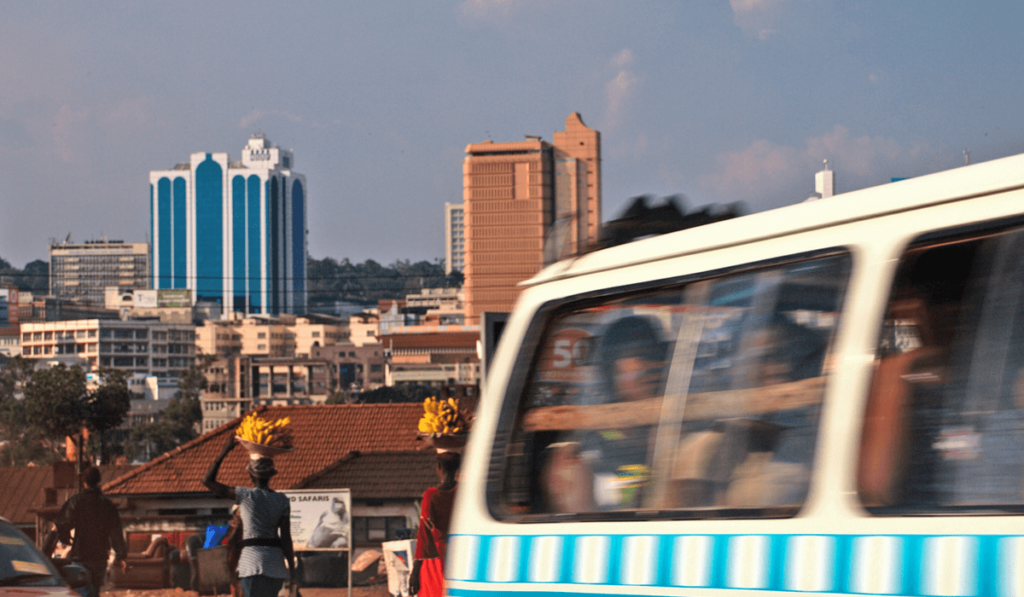
The most critical takeaway for travelers is the Urban-Savannah Divide. While major urban centers like Kampala and Jinja may experience localized political rallies or heightened security presence, Uganda’s primary safari circuits, including Bwindi, Queen Elizabeth, and Murchison Falls, operate in a Status Green environment. These areas are geographically and politically insulated from urban unrest.
|
Region |
Safety Status |
Mission Note |
|
Western Safari Circuit |
High Security |
Heavily patrolled by UWA Rangers; safe for trekking. |
|
Northern Parks (Kidepo) |
Stable |
Requires daylight travel only; remote but highly secure. |
|
Kampala / Urban Centers |
Vigilant |
Risk of petty theft and traffic-related incidents. |
|
DRC Border Zone |
Restricted |
Avoid the 50km buffer zone outside protected park sectors. |
2. Regional Risks: Navigating the DRC Border and Karamoja
Bio-Security and Border Integrity are top priorities. The western border with the Democratic Republic of the Congo (DRC) continues to be a zone of interest due to regional instability.
- The 50km Rule: Official advisories currently recommend avoiding non-essential travel within 50 kilometers of the DRC border, excluding the eastern shores of Lake Albert and the protected sectors of Bwindi and Mgahinga.
- The Human Shield of Tourism: In Bwindi and Queen Elizabeth National Parks, security is a mission-critical constant. Every gorilla trek is accompanied by armed Uganda Wildlife Authority (UWA) rangers and often supported by specialized tourism police. This visibility is not a sign of danger, but a proactive deterrent ensuring the Standard of Truth in visitor safety.
- Karamoja Region: In the northeast, the risk of banditry and inter-tribal cattle-related violence persists. Travelers heading to Kidepo Valley National Park should utilize fly-in safaris or travel with reputable operators who maintain real-time communication with local authorities.
3. The Standard of Truth in Health: Protocols
Health safety is the most frequent variable that affects a traveler’s physical bandwidth. In Uganda, it has significantly refined its health monitoring.
Mandatory & Recommended Vaccinations
- Yellow Fever: A certificate is mandatory for entry.
- Malaria: Remains the #1 health risk. A high-fidelity defense strategy includes Malarone or Doxycycline, plus the Long-Long Rule (long sleeves/trousers) at dusk.
- Mpox & Ebola: While Uganda has a world-class rapid-response system for viral outbreaks (honed during previous cycles), it has seen localized Mpox cases in the region. Monitor official health bulletins, but rest assured that tourist zones are historically excluded from outbreak cordons.
- Water-Borne Safety: Tap water is a No-Go. Always utilize bottled or filtered water, even for brushing teeth in urban hotels.
4. Road Safety: The Greatest Statistical Risk
If we apply the Standard of Truth to the data, the greatest risk to a tourist in Uganda isn’t wildlife or conflict, it’s transportation.
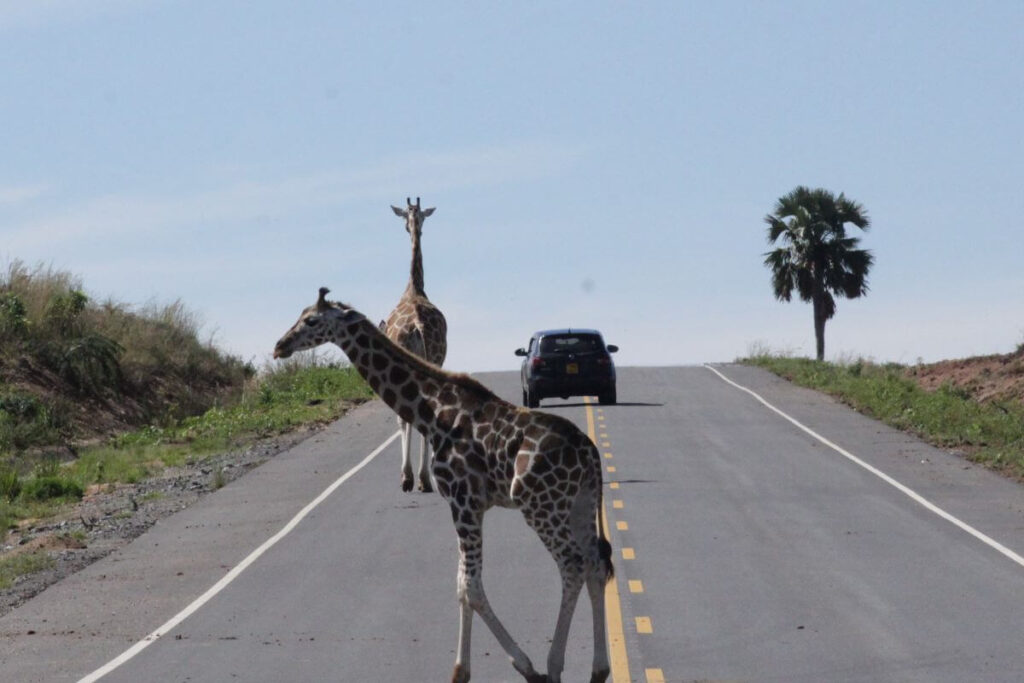
- The No-Night-Driving Protocol: Reputable operators, including Primate World Safaris, enforce a strict 6:00 PM No-Driving Rule. Poor road lighting, wandering livestock, and potholes create a high-risk environment after dark.
- Avoid Public Transport: Matatus (minibus taxis) and boda-bodas (motorbike taxis) are discouraged for international tourists. They are frequently involved in accidents and can be hotspots for petty theft (phone snatching).
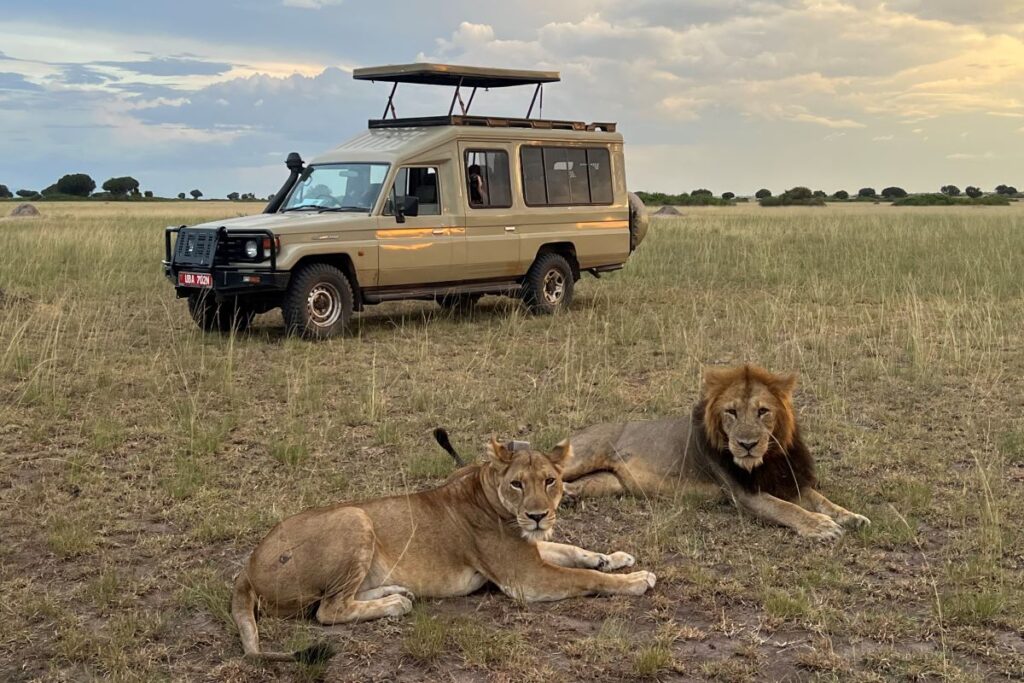
- The Private Safari Advantage: Utilizing a professional driver in a custom 4×4 vehicle isn’t just about comfort; it’s a security strategy. Professional drivers understand local road language and maintain vehicles with high-standard braking systems and tires.
5. Urban Street Smarts: Protecting Your Assets
While violent crime targeting tourists is rare, petty theft is an opportunistic reality in urban environments.
- The Low-Profile Mandate: Do not wear expensive jewelry or flash 8K camera gear in crowded city markets. Keep your digital ecosystem (phones, tablets) tucked away during vehicle transfers in traffic.
- Financial Logistics: Use indoor ATMs located within banks or shopping malls. Avoid carrying large volumes of cash ($100+ equivalent) in your pockets.
- Accommodation Security: Only book lodges and hotels with established security protocols, including perimeter fencing and 24/7 guard presence.
6. LGBTQ+ Travelers: Navigating the Legal Landscape
Travelers must be aware of the 2023 Anti-Homosexuality Act. While the law primarily targets residents, it applies to everyone in the country.
- The Protocol: The Ugandan government has stated that tourists are welcome regardless of orientation; however, discretion is a legal requirement. Avoid public displays of affection (PDA) and refrain from political or social activism regarding this topic while in the country to ensure a smooth mission.