
Queen Elizabeth National Park
Queen Elizabeth National Park (QENP) represents the pinnacle of the Ugandan safari circuit. Nestled in the Western Rift Valley, the park covers nearly 1,978 square kilometers of diverse habitat. While Murchison Falls remains the largest protected area, QENP stands as the most popular due to its unique fission of landscapes ranging from open savannah and humid forests to sparkling crater lakes and fertile wetlands.
1. Geographical Context and the Rwenzori Influence
The park’s ecology depends heavily on its proximity to the Rwenzori Mountains, also known as the Mountains of the Moon. Because the mountains influence local rainfall patterns, the park enjoys a lush, green character that differs from the more arid parks in Northern Kenya.
Geographically, QENP sits between Lake George and Lake Edward. The Kazinga Channel connects these two massive water bodies, creating a 40-kilometer natural artery that supports one of the highest concentrations of hippos in the world. Furthermore, the park’s position on the equator provides a consistent climate, making it a year-round destination for wildlife enthusiasts and researchers.

2. Wildlife Dynamics: The Kasenyi and Ishasha Sectors
To understand the wildlife of QENP, one must distinguish between its two primary sectors. Each offers a distinct biological profile and specialized tracking opportunities.
The Kasenyi Plains: The Predator’s Playground
The Kasenyi Plains, located in the northeastern reach of the park, consist primarily of open savannah. These plains serve as the primary breeding ground for the Ugandan Kob, a sturdy antelope that attracts the park’s densest population of lions.
Early morning game drives here focus on the hunt. Because the grass is relatively short, photographers find optimal light angles for capturing lions and leopards. Specifically, an experienced guide will look for vultures circling overhead or listen for the alarm calls of kobs to locate a fresh kill. Beyond the big cats, you will encounter massive herds of Cape Buffalo and African Elephant, often moving toward the water at sunrise.
The Ishasha Sector: The Tree-Climbing Mystery
In the southern reaches of the park lies the Ishasha Sector, famous globally for its tree-climbing lions. While most lions remain terrestrial, the prides in Ishasha have developed the unique behavior of ascending giant fig trees during the heat of the day.
Biologists suggest several reasons for this behavior:
- Thermal Regulation: The elevated branches provide a cooler breeze than the ground.
- Insect Avoidance: Climbing helps the lions escape the tsetse flies that thrive in the lower grass.
- Vantage Point: The height allows them to monitor the movement of prey across the plains.

3. The Kazinga Channel
The Kazinga Channel is arguably the park’s most significant biological feature. A launch trip (boat cruise) along this channel offers a perspective that vehicle-based safaris cannot match.
As you navigate the 40-kilometer stretch, you will witness a parade of wildlife. Hippos remain the stars of the channel; they congregate in schools of up to 30 individuals, surfacing frequently to huff and spray water. Along the muddy banks, Nile Crocodiles bask in the sun to regulate their body temperature.
Furthermore, elephants often visit the channel in the late afternoon. Observing a multi-generational herd of elephants bathing and playing in the water provides a rare glimpse into their complex social bonds. For the technical photographer, the boat offers a stable platform to capture these interactions against the reflection of the afternoon sun.
4.The Important Birding Area (IBA) Status
With over 600 confirmed species, QENP is a top-tier destination for birdwatchers. The park’s diverse habitats wetlands, forests, and savannahs allow for an incredible variety of avian life.
Key Species and Habitats
- Water Birds: The Kazinga Channel and Lake Munyanyange host the African Skimmer, Pink-backed Pelican, and Great Blue Turaco.
- The Shoebill Stork: While more common in Mabamba Swamp, lucky travelers occasionally spot this prehistoric-looking bird in the marshy edges of Lake George.
- Migratory Species: During the European winter, thousands of birds migrate to the Rift Valley, including the Lesser Flamingo and various raptors.
Birding in QENP requires patience and high-quality optics. Guides often focus on the Maramagambo Forest, where the canopy provides cover for the Black Bee-eater and the African Broadbill.
5. The Volcanic Legacy: Crater Lake Hikes
The park sits atop a volatile geological zone, evidenced by over 72 explosion craters. These massive round basins tell a story of ancient volcanic activity that shaped the Albertine Rift.
The Katwe Salt Works
At Lake Katwe, a hyper-saline crater lake, traditional salt mining has remained unchanged since the 16th century. Miners endure harsh conditions to extract salt from the pans, using techniques passed down through generations. This site offers a poignant cultural contrast to the surrounding wilderness.
The Scenic Crater Drive
For those preferring a vehicular approach, the 27-kilometer crater drive offers breathtaking views of the Twin Lakes and the deep green basins filled with forest. Consequently, this route is a favorite for landscape photographers seeking the perfect infinity horizon shot.
6. Primate Ecology: The Kyambura Underground Forest
The Kyambura Gorge is one of the most striking geographical features in East Africa. Often called the Valley of Apes, this 100-meter-deep gash in the earth contains a self-contained tropical rainforest surrounded by dry savannah.
Chimpanzee Tracking
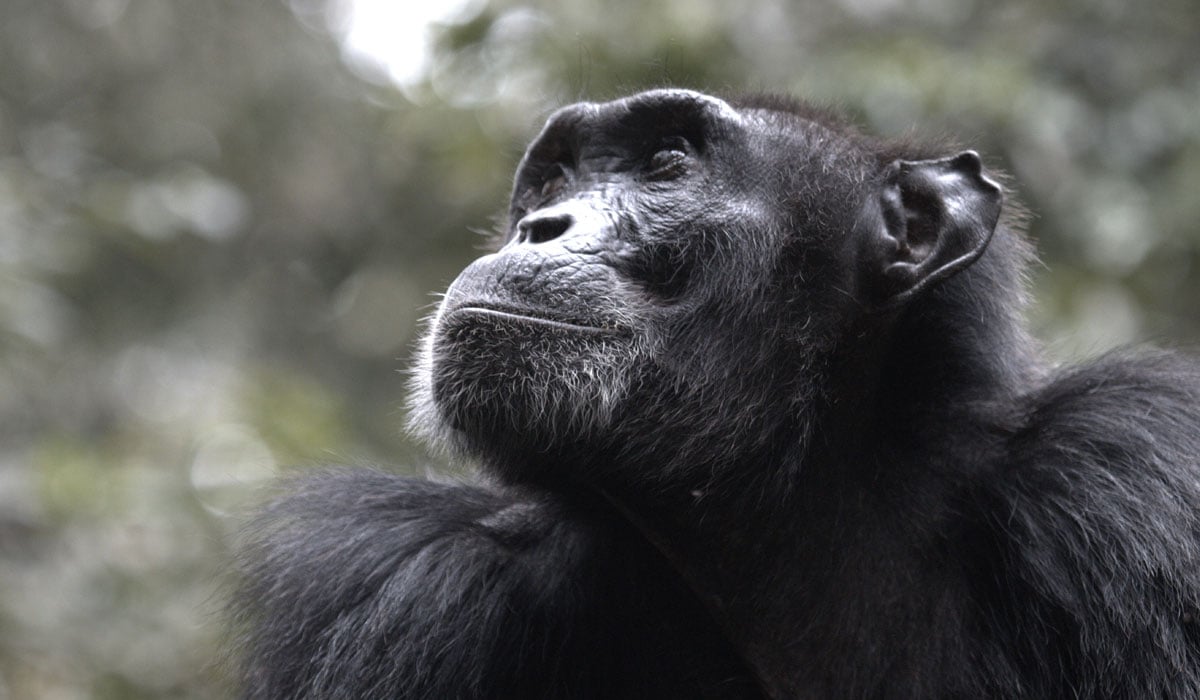
Kyambura is home to a habituated community of Chimpanzees. Tracking these primates involves a steep descent into the gorge, where the temperature drops and the humidity rises. Unlike the mountain gorillas of Bwindi, chimps are highly mobile and vocal. You will often hear their pant-hoots echoing through the gorge long before you see them.
The experience provides a lesson in edge effects how two different ecosystems (forest and savannah) interact. This underground forest also supports several monkey species, including the Black-and-white Colobus and the Red-tailed Monkey.
7. The Maramagambo Forest: Dark Canopy Mysteries
The Maramagambo Forest covers a significant portion of the park’s southern region. It offers a cooler, shaded alternative to the sun-drenched plains.
One of the most popular technical stops is the Bat Cave. A specialized viewing room allows visitors to observe thousands of Egyptian Fruit Bats hanging from the cave ceiling. Interestingly, a large African Rock Python often lives in the cave, preying on the bats a raw example of the predator-prey cycle in action.
8. Conservation Challenges and the UWA Portals
Maintaining a park of this scale requires sophisticated management. The Uganda Wildlife Authority (UWA) utilizes the 2026 Live Portal to monitor animal movements and prevent human-wildlife conflict.
Human-Wildlife Conflict
Because QENP is not fully fenced, wildlife often wanders into neighboring communities. Elephants, in particular, may raid local farmlands. To combat this, conservationists have introduced Bee-hive Fences. Elephants naturally fear bees; therefore, these living fences provide a non-violent way to protect both the farmers’ crops and the elephants’ lives.
The Threat of Poaching
Despite rigorous patrols, poaching remains a concern. The loss of an aged lion or elephant disrupts the social hierarchy of the group. Since it takes nearly 15 years for an individual to reach breeding maturity, the UWA prioritizes the protection of keystone individuals who hold the group’s collective knowledge.
9. Logistical Strategy for the 2026 Season
When planning a technical safari to QENP, timing and logistics are paramount.
Season | Months | Focus |
Dry Season | June – August | Predator tracking; animals congregate at Kazinga Channel. |
Short Rains | Sept – November | Birding and lush green photography. |
Peak Dry | Dec – February | Optimal for Chimp tracking in Kyambura. |
Long Rains | March – May | Best for landscape shots and fewer tourists. |
Most high-end itineraries recommend a minimum of three nights in the park. This allow for one full day in the Kasenyi sector, one afternoon on the Kazinga Channel, and a dedicated morning for either primate tracking or a trip to the Ishasha sector.
Conclusion
Queen Elizabeth National Park is more than just a place to see animals; it is a complex, breathing laboratory of evolution and conservation. From the tree-climbing lions of the south to the underground chimps of the gorge, every corner of this park offers a new technical insight into the natural world.
As we move through 2026, the park continues to balance the needs of modern tourism with the rigid requirements of wildlife preservation. Whether you are a photographer seeking the golden hour on the plains or a scientist studying Rift Valley geology, QENP remains an indispensable chapter in the story of African travel.