The Ultimate Guide to Souvenir and Curio Shopping in Uganda
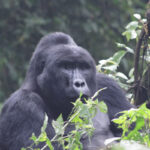
Souvenirs and curios are the physical anchors of our travel memories. They are the items we take home to remind us of the mist rising over Bwindi Impenetrable Forest, the thunder of Murchison Falls, or the warmth of a smile in a bustling Kampala market. In Uganda, shopping for these treasures is not just a commercial transaction; it is a cultural exchange and a vital support system for local communities.
This guide provides a deep dive into the world of Ugandan craftsmanship, helping you make informed, ethical, and meaningful purchases during your safari holiday.
Why Souvenirs Matter
A souvenir is more than an object; it is a memory trigger. Whether it is a hand-woven basket on your dining table or a hand-carved gorilla on your bookshelf, these items allow you to share your journey with friends and family. They turn abstract stories into tangible experiences.
Your decision to buy depends entirely on your personal style. You might seek one statement piece for your home or dozens of small gifts for colleagues. Whatever your goal, we recommend carrying extra safari cash (Uganda Shillings or small-denomination US Dollars) for these purchases. Many rural artisans do not have credit card machines, and having cash ensures you don’t miss out on a one-of-a-kind find.
What to Buy
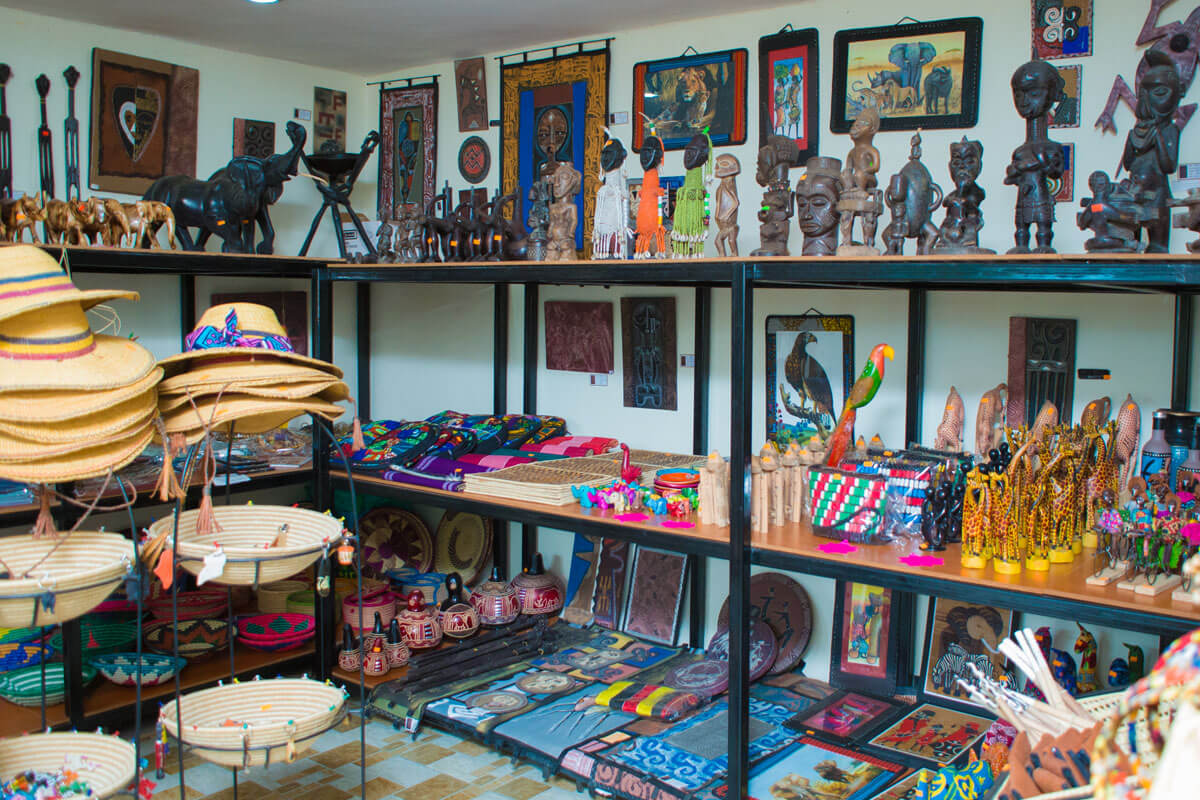
Ugandan artisans use materials provided by nature papyrus, raffia, banana fiber, clay, and wood to create art that has served functional and spiritual purposes for centuries.
A. Basketry and Weaving
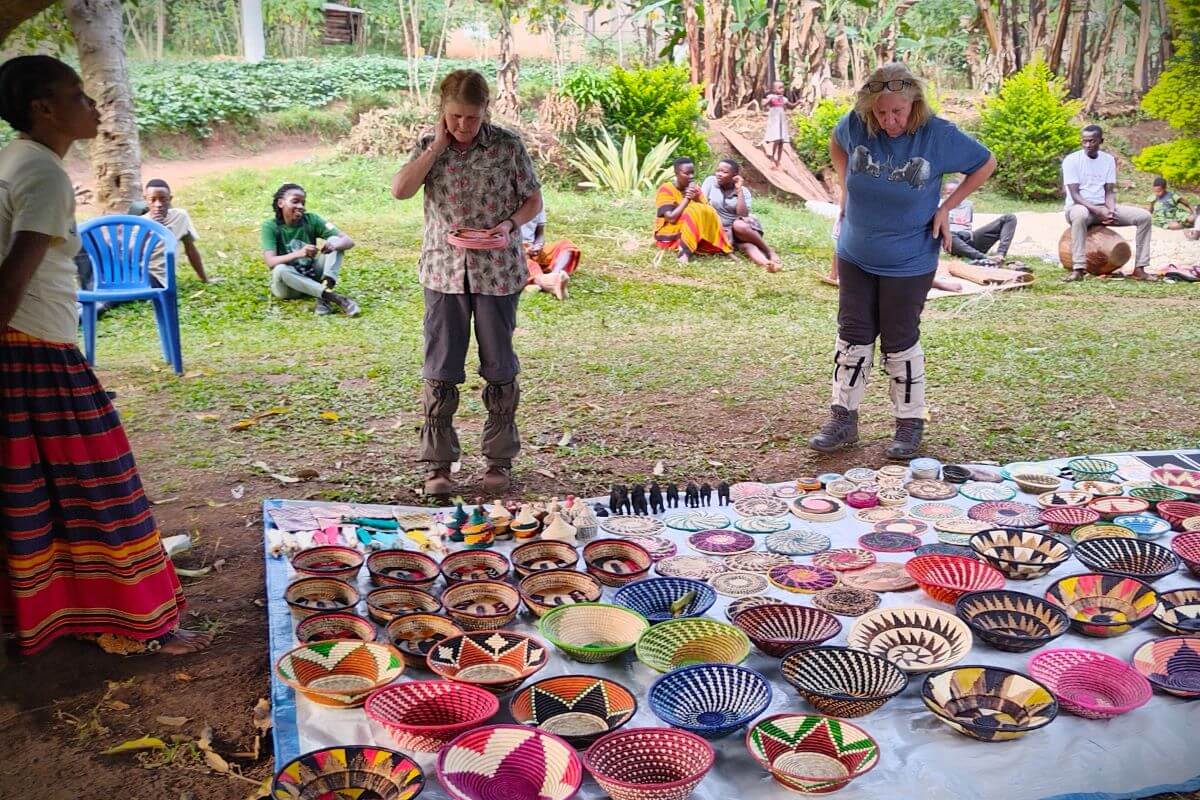
Uganda is famous for its intricate basketry. Traditionally used for harvesting grain or serving food, these baskets are now high-end home décor.
- Rwenzori Baskets: Known for their sunburst patterns and natural dyes, these are woven by the Bakonzo people.
- Agaseke Baskets: Small, pointed baskets often used for storing jewelry or wedding gifts.
- Materials: Most are made from elephant grass, sisal, or raffia palm.
B. Bark Cloth (Olubugo)
Perhaps the most unique item you can buy is Bark Cloth. Recognized by UNESCO as a Masterpiece of the Oral and Intangible Heritage of Humanity, it is one of the world’s oldest textiles. It is made from the inner bark of the Mutuba (fig) tree, which is beaten with wooden mallets until it becomes a soft, earthy-brown fabric.
- Modern Use: While traditionally used for burial shrouds or royal robes, modern designers now use it for handbags, cushion covers, and even jackets.
C. Wood Carvings
Ugandan woodcarvers are masters of capturing the spirit of the wild.
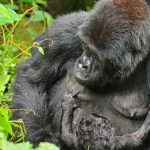
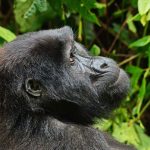
- Wildlife Figures: Look for carvings of The Big Five, but also the iconic mountain gorilla.
- Functional Art: Omweso boards (a traditional mancala-style game), walking sticks, and hand-carved stools.
D. Jewelry and Beadwork
Ugandan jewelry is vibrant and often eco-friendly.
- Paper Beads: Artisans (often women’s cooperatives) roll strips of recycled colorful paper into beads, which are then varnished. These are lightweight and perfect for packing.
- Ankole Horn: The long, majestic horns of the Ankole cattle are polished into beautiful marbled creams and blacks, used to make bowls, earrings, and necklaces. This is an ethical byproduct of the meat industry.
E. Ugandan Flavors
Don’t forget the sensory souvenirs.
- Coffee: Uganda is one of the world’s top producers of Robusta and Arabica coffee. Look for Bugisu Arabica from the slopes of Mt. Elgon.
- Vanilla: Ugandan vanilla pods are considered some of the highest quality in the world oily, fragrant, and rich.
2. Where to Buy: Mapping Your Shopping Strategy
Near the National Parks (Community-Based)
We strongly encourage buying near the parks. When you buy a basket from a woman outside Queen Elizabeth National Park or a carving near Bwindi, your money goes directly to the creator. This provides a conservation incentive local people see that protecting the ecosystem and its wildlife brings in tourists who buy their art.
- Pro Tip: Look for Women’s Cooperatives or Community Craft Centers. These often have a higher percentage of the profit going back to the artisans.
Kampala (The Variety Hub)
The capital is where you will find the largest collections. It is best to shop here at the end of your trip so you don’t have to lug heavy items across the country.
- The National Theatre Craft Market: A village-style setup with dozens of stalls.
- Buganda Road (Exposure Africa): The largest craft market in the city, perfect for bargaining.
- Uganda Crafts 2000: A fair-trade shop that supports marginalized groups, including people with disabilities.
Entebbe (Last-Minute Finds)
If you missed out in the city, Entebbe has several boutiques near the botanical gardens and the airport. The duty-free section at Entebbe International Airport is surprisingly well-stocked with high-quality coffee, tea, and small crafts.

Ugandan Souvenirs at a Glance
Item Type | Material | Regional Origin | Best Use | Packing Difficulty |
Bark Cloth | Fig Tree Bark | Central (Buganda) | Wall art, fashion, décor | Easy (Foldable) |
Woven Baskets | Raffia, Papyrus | Western (Rwenzori/Kigezi) | Table centerpieces, storage | Medium (Bulky) |
Wood Carvings | Mahogany, Ebony | Countrywide | Bookshelves, mantles | Hard (Heavy/Fragile) |
Paper Beads | Recycled Paper | Kampala/Jinja | Fashion accessories, gifts | Very Easy (Light) |
Ankole Horn | Cattle Horn | Southwestern (Ankole) | Jewelry, home accents | Medium (Fragile) |
Coffee/Tea | Organic Beans/Leaf | Mt. Elgon / Rwenzori | Kitchen / Foodie gifts | Easy (Vacuum sealed) |
The Moral and Ethical Question
When we travel, we have the power to influence local economies. We lean toward community-based shopping because of the human connection. Knowing that your purchase helped an artisan pay for their child’s school fees makes the item more precious.
Avoid Wildlife Products
Important: Never buy souvenirs made from protected wildlife. This includes ivory, skins from wild cats, or items made from pangolin scales. Not only is this illegal and fuels poaching, but these items will be confiscated at customs, and you could face heavy fines or arrest. Stick to sustainable materials like wood, clay, and cow horn.
Packing and Customs Tips
- Fragile Items: Wrap wood carvings and pottery in your soft safari clothing (socks and t-shirts) inside your hard-shell suitcase.
- Wood Regulations: Most countries allow treated wood. If you buy a large carving, ensure it has been polished or varnished, which usually indicates it is pest-free.
- Weight Limits: Be mindful of your airline’s weight limit. Wood carvings and heavy pottery can quickly lead to excess baggage fees.
- Bargaining: In markets like Buganda Road, bargaining is expected. Do it with a smile. However, in community shops near the parks, prices are often fixed to ensure fair pay for the artisans.
Final Thoughts
Ultimately, the best souvenir is the one that makes a connection with you. Whether it’s a simple $5 bracelet or a $500 museum-quality sculpture, it should tell a story. Choose the pieces that encapsulate the spirit of the Pearl of Africa for you.