
Navigating the Pearl of Africa
Traveling through Uganda is an experience defined by shifting landscapes, from the bustling urban chaos of Kampala to the serene, mist-covered peaks of the Rwenzori Mountains. While there are domestic flight options connecting major conservation areas, the most common, authentic, and affordable way to explore this vibrant nation is undoubtedly by road.
This comprehensive guide delves into everything you need to know about Uganda’s road infrastructure, safety protocols, driving culture, and the logistical realities of embarking on a road-based safari. Whether you are a solo traveler considering a self-drive or a luxury seeker looking for a guided experience, understanding these dynamics is essential for a seamless holiday.
The Evolution of Uganda’s Road Infrastructure
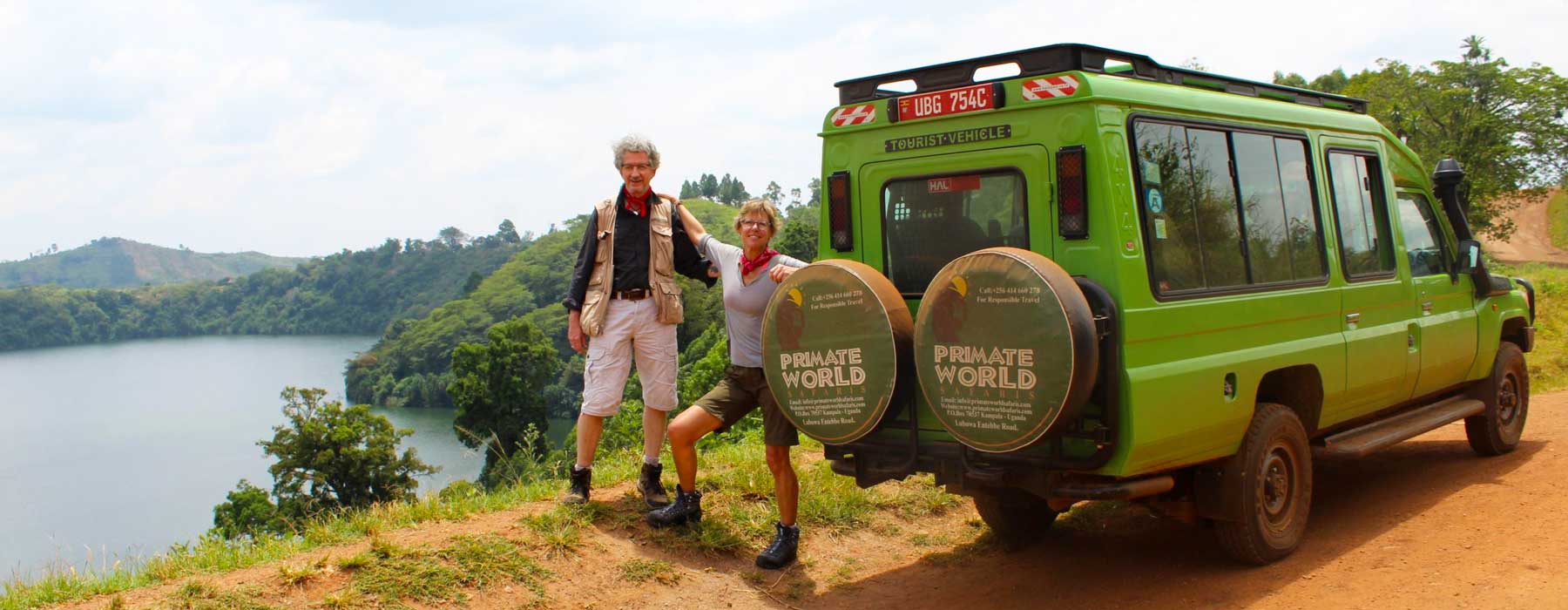
Since the early 1990s, Uganda has undergone a massive transformation regarding its physical connectivity. For several decades, many parts of the country remained isolated due to dilapidated tracks that became impassable during the rainy seasons. However, the government has prioritized road works, resulting in a network of high-quality tarmac roads that now link major cities and tourism hubs.
Connectivity to Tourist Destinations
Today, most journeys to iconic landmarks such as the source of the Nile in Jinja or the primate capital of Kabalistic place on smooth, paved surfaces. These primary arteries allow for high-speed travel between districts, significantly reducing the wear and tear on both vehicles and passengers.
Nevertheless, once you deviate from the main highways to enter national parks like Murchison Falls or Bwindi Impenetrable Forest, the environment changes. In these conservation areas, roads remain untarmacked to preserve the natural aesthetic and prevent speeding. Fortunately, these tracks are generally well-maintained and graded, though they can become slippery and challenging during the peak of the wet seasons (March–May and October–November).
Prioritizing Road Safety and Security
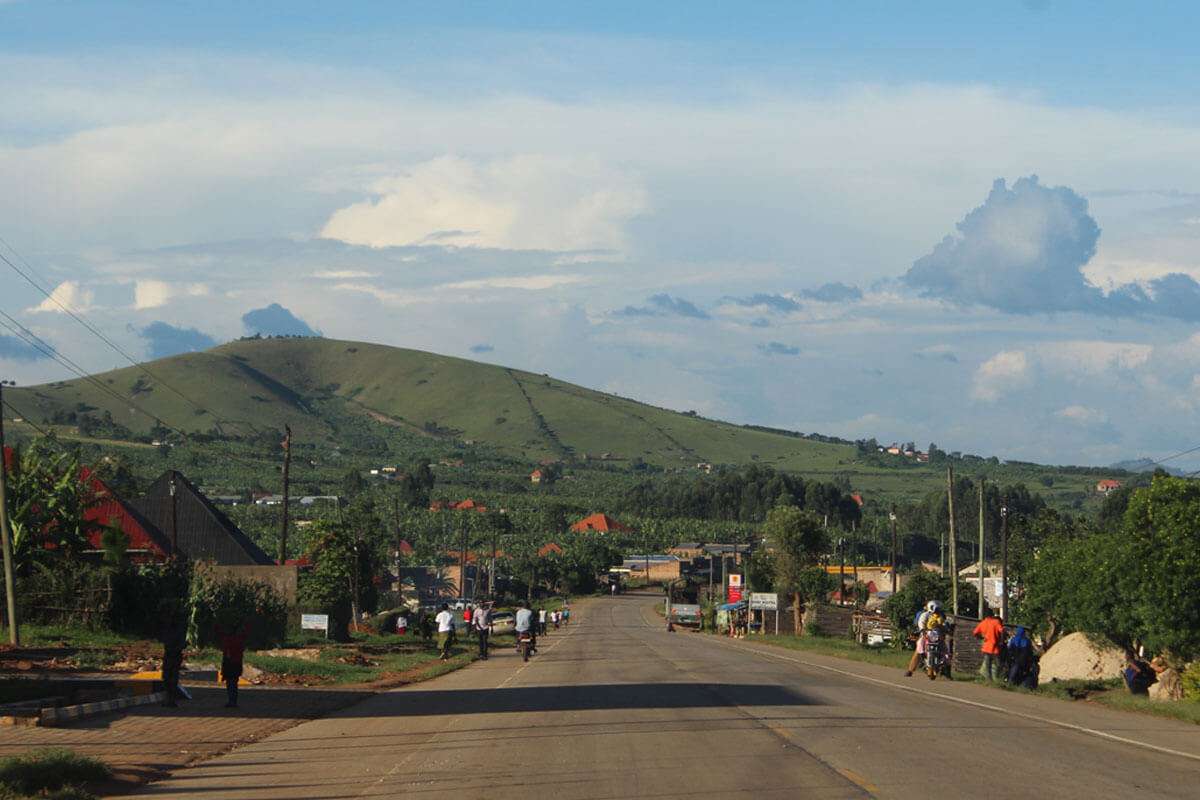
While infrastructure has improved, road safety remains a critical conversation in Uganda. Traffic accidents are a reality, often caused by a combination of speeding, erratic overtaking, and pedestrian activity near the highways. To mitigate these risks, professional tour operators implement rigorous safety standards.
Vehicle Maintenance and Standards
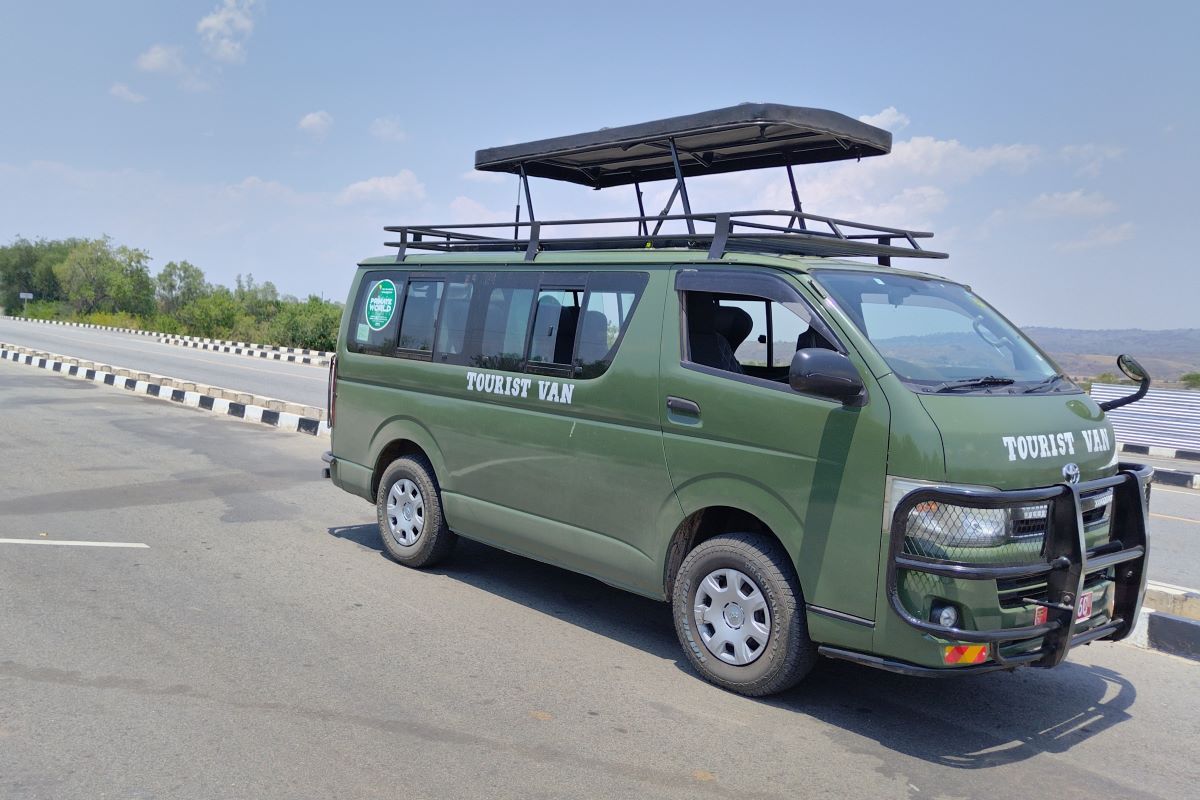
To ensure a hitch-free journey, tourism vehicles undergo frequent, comprehensive servicing. Unlike standard public transport (known locally as matatus), designated safari vehicles are equipped with:
- Heavy-duty suspension systems for off-road comfort.
- 4WD (Four-Wheel Drive) capabilities to navigate muddy park trails.
- Pop-up roofs for unobstructed 360-degree wildlife viewing.
- In-car GPS and radio systems for constant communication.
The Human Factor: Professional Drivers
The value of a professional driver-guide cannot be overstated. Beyond their mechanical knowledge and driving skill, these individuals act as navigators through the complex social fabric of the road. Furthermore, they are trained in defensive driving techniques, ensuring that your safety is never compromised for the sake of speed.
General Security
Uganda is widely regarded as one of the safest countries in East Africa for international visitors. You can drive through almost any part of the country at any time of day with peace of mind. However, as a standard safety precaution, we strongly advise against long-distance night driving. Poor lighting on rural roads, the presence of livestock, and the risk of unlit broken-down vehicles make nighttime travel unnecessarily hazardous.
The Left-Hand Rule: Driving Culture in Uganda
If you are coming from the United Kingdom, Australia, or India, you will find the Ugandan road system familiar. As a former British protectorate, Uganda maintains the tradition of driving on the left side of the road.
Steering and Vehicle Layout
Consequently, the vast majority of vehicles in the country are right-hand drive (RHD). For travelers from North America or Mainland Europe, this shift requires a significant mental adjustment. If you are planning a self-drive safari, you must remain vigilant, particularly at roundabouts and when turning into junctions.
Because of this steep learning curve, most tourists opt for a chauffeur-driven experience. This allows you to focus on the scenery and wildlife spotting rather than worrying about local traffic etiquette or navigating the wrong side of the road.
Understanding Speed Limits and Traffic Flow
Uganda’s speed regulations are designed to accommodate both human activity and wildlife conservation. While you might be tempted to speed on the open tarmac of the Mbarara highway, heavy police enforcement via Checkpoints and mobile speed guns makes adherence mandatory.
Standard Speed Limits
- Open Highways: The general limit is 80 km/h (49 mph). This might seem slow compared to European motorways, but it accounts for the unexpected presence of bicycles and cattle.
- Towns and Urban Centers: Speed must be reduced to 50 km/h (31 mph). These areas are often densely populated with roadside markets.
- National Parks: To protect the animals and maintain silence, the limit is strictly 30 km/h (18 mph).
The Kampala Factor
No discussion of Ugandan travel is complete without mentioning the traffic in Kampala and the neighboring Wakiso district. The capital city is the heartbeat of the country, and its roads are frequently overwhelmed.
A journey that should take 20 minutes can easily stretch into two hours during peak jam times. Therefore, our drivers always factor in a buffer when planning airport transfers or departures for a safari. If you have a flight to catch at Entebbe International Airport, always leave Kampala at least four hours in advance to account for potential gridlock.
Planning Your Itinerary
Despite its diverse ecosystems, Uganda is a relatively compact nation. With a well-planned route, you can witness the transition from the lush tropical rainforests of the west to the semi-arid savannahs of the northeast within a single day’s drive.
Major Routes from Kampala
Most safaris begin and end in Kampala (or Entebbe). Below is a detailed breakdown of the distances and estimated travel times to the country’s Big Seven attractions.
Destination | Distance from Kampala | Estimated Time | Key Highlight |
Jinja Town | 80 km | 2 hours | Source of the Nile & White-water Rafting |
Lake Mburo N.P. | 230 km | 3.5 hours | Zebras, Impalas, and boat trips |
Mount Elgon N.P. | 260 km | 5 hours | Sipi Falls and mountain hiking |
Kibale N.P. | 300 km | 5 hours | World-class Chimpanzee trekking |
Murchison Falls N.P. | 300 km | 5 hours | The world’s most powerful waterfall |
Queen Elizabeth N.P. | 400 km | 6 hours | Tree-climbing lions and Kazinga Channel |
Bwindi Impenetrable N.P. | 510 km | 8.5 hours | Mountain Gorilla trekking |
Kidepo Valley N.P. | 560 km | 9 hours | Remote wilderness and rugged scenery |
Note: Times are estimates and can vary based on weather conditions and road construction.
What to Expect on a Long-Distance Drive
Embarking on an 8-hour drive to Bwindi or Kidepo is an adventure in itself. It is not merely a transfer; it is an immersion into the Ugandan way of life.
- The Roadside Economy: Throughout your journey, you will encounter vibrant roadside markets. When the vehicle slows down in small towns, vendors often approach with skewers of roasted meat (muchomo), fresh bananas, and roasted maize. It’s a delicious way to experience local flavors.
- The Changing Landscape: Moving from the central region toward the west, you will watch the flat plains transform into the rolling rolling hills of Ankole and eventually the dramatic Kigezi highlands, often referred to as the Switzerland of Africa.
- Rest Stops: On long legs of the trip, drivers schedule stops at designated clean facilities, such as the Equator Crossing at Kayabwe. This serves as both a bathroom break and a photo opportunity to stand in two hemispheres at once.
Practical Tips for Your Road Safari
To make your road travel as comfortable as possible, consider the following advice:
- Pack Light but Smart: Space in safari vehicles can be limited. Use soft-sided bags rather than hard suitcases, as they are easier to stack.
- Stay Hydrated: Always carry bottled water. While the tarmac is smooth, the tropical sun can make long drives dehydrating.
- Photography Gear: Keep your camera and binoculars in a dust-proof bag. Even on tarmac roads, the windows are often kept open to enjoy the breeze and the views.
- Patience is Key: Roadworks are common as the country continues to upgrade its network. Occasionally, you may encounter a diversion. Treat these as opportunities to see off-the-beaten-path villages.
Final Thoughts
Uganda’s roads are the veins that carry the lifeblood of its tourism industry. While the distances can be long, the rewards catching sight of a silverback gorilla, watching the Nile explode through a narrow gorge, or seeing a leopard draped over an acacia limb far outweigh the time spent in transit.
By choosing an all-inclusive safari, you gain more than just a ride; you gain a storyteller and a protector in your driver-guide. They understand the nuances of the pothole season, the best places for a lunch break, and the secret spots where elephants often cross the road.