
Best 5 Places To Visit For The Shoebill
Shoebill birding in Uganda stands as one of the most prestigious wildlife activities in the world. This elusive bird, often called a living dinosaur, draws thousands of birders to the Pearl of Africa. At Primate World Safaris, we understand the thrill of this pursuit. We have spent years perfecting our routes to ensure you get an up-close, authentic encounter with the legendary shoebill stork.
Uganda is the best global destination for this experience. The country protects the shoebill within a network of swamps, marshes, and national parks. This article serves as your definitive guide to finding the shoebill and exploring the rich avian diversity of Uganda.
What is a Shoebill?
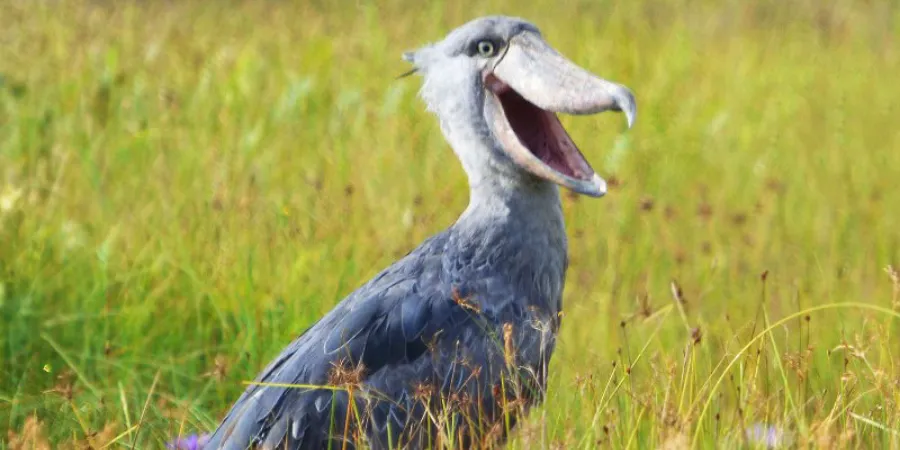
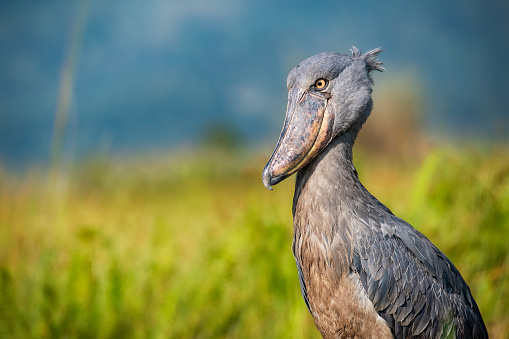
The shoebill (Balaeniceps rex) is not just a bird; it is a prehistoric relic. Its massive, bulbous bill gives it a unique silhouette that makes a birder’s heart race. While scientists once debated its lineage, DNA evidence now links the shoebill more closely to pelicans than storks.
Fascinating Biological Facts
- The Signature Bill: Its shoe-shaped bill can grow up to 24 cm long. A sharp, curved hook at the end allows it to decapitate large prey instantly.
- Size and Presence: Adult shoebills stand nearly 5 feet tall. They can weigh up to 6 kg, yet they possess an incredible ability to balance on thin, floating vegetation.
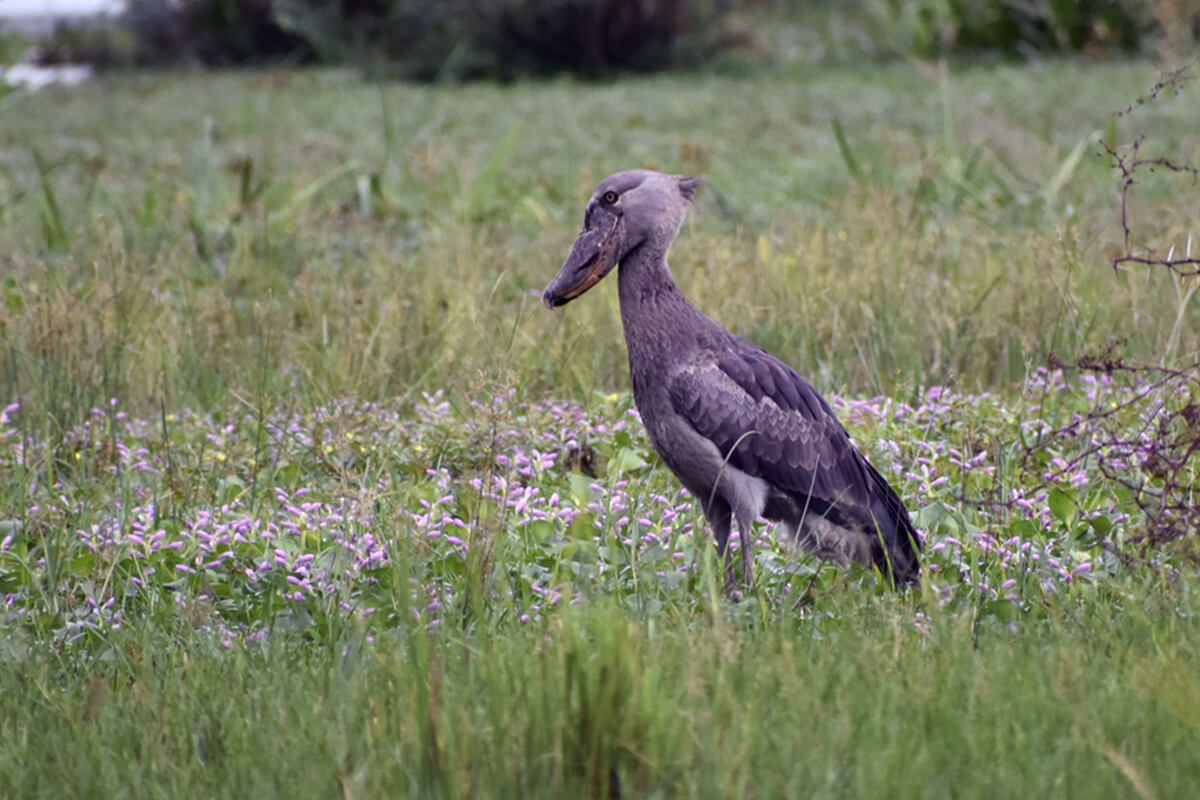
- The Statue Hunter: Shoebills are famous for their patience. They stand motionless for hours, waiting for a lungfish to surface. This statue-like behavior makes them a dream subject for wildlife photographers.
- Solitary Nature: Unlike many waterbirds, shoebills are fiercely solitary. They prefer large territories and rarely interact with other birds outside of the breeding season.
Why Choose Uganda for Birding?
Uganda is a global birding hub. The country hosts over 1,080 bird species, representing roughly 50% of Africa’s birds and 11% of the world’s bird population. This diversity stems from Uganda’s location at the meeting point of the East African savannah and the West African rainforest.
At Primate World Safaris, we take pride in showing you more than just the shoebill. Our tours target Albertine Rift endemics, vibrant kingfishers, and rare forest species like the Green-breasted Pitta.
Top 5 Shoebill Destinations in Uganda
I. Mabamba Swamp
Mabamba Swamp, located on the northern shores of Lake Victoria, is the most accessible spot in Africa to see the shoebill.
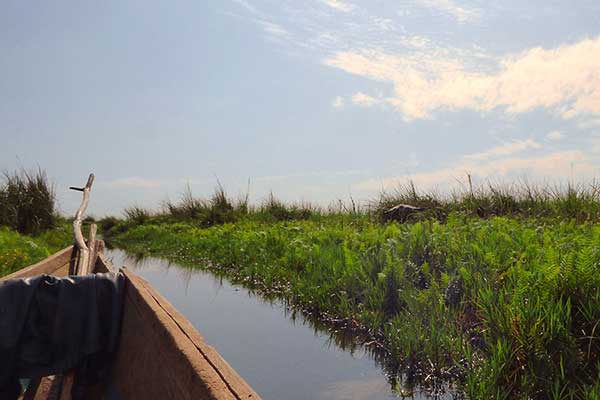
- The Experience: We navigate the narrow water channels in traditional wooden canoes. These quiet boats allow us to approach the birds without causing disturbance.
- Success Rate: Mabamba offers a success rate of over 90% during the early morning hours.
- Proximity: Because it is near Entebbe, we often schedule this as a half-day excursion at the very beginning or end of your safari.
- Conservation Impact: Local fishermen serve as guides. By booking with Primate World Safaris, you support a community that once hunted shoebills but now protects them as a vital source of income.
II. Murchison Falls National Park
In Uganda’s largest national park, the shoebill finds a perfect home where the Victoria Nile meets Lake Albert.
- The Delta Boat Cruise: We organize private boat trips specifically targeting the Nile Delta.
- Dry Season Advantage: During the dry months (December to March), the water levels recede. This exposes the shoebills as they hunt in the remaining pools.
- Wildlife Synergy: This is the only place where you can photograph a shoebill alongside giants like elephants, buffalo, and Nile crocodiles.
III. Queen Elizabeth National Park
This park is Uganda’s most popular birding destination, with over 600 recorded species.
- Key Sighting Spot: We focus our efforts on the southern part of Lake Edward.
- Kazinga Channel: While the boat cruise here is famous for hippos, the surrounding wetlands provide excellent habitat for the shoebill.
- Primate World Safaris Tip: Use this park to combine shoebill sightings with a search for the famous tree-climbing lions of Ishasha.
IV. Lake Mburo National Park
Lake Mburo is a compact park that offers high-quality birding without the long drives of the north.
- Eastern Shores: We use boat safaris to explore the eastern banks of the lake.
- Rare Company: This is a prime spot to see the African Finfoot and various kingfishers alongside the shoebill.
- Ecosystem: The park’s acacia woodlands and swamps create a unique habitat for over 350 bird species.
V. Semuliki National Park
Semuliki is unique because it shares many species with the Congo Basin.
- Rare Sightings: Look for the shoebill where the Semuliki River enters Lake Albert.
- Forest Endemics: Birders often visit Semuliki to find Central African endemics like the White-crested Hornbill and the Nkulengu Rail.
When is the Best Time to Go?
Uganda offers excellent birding year-round, but timing can impact your success rate.
The Dry Seasons (Best for Shoebills)
- Months: June to August and December to February.
- Why: Roads are passable, and forest trails are dry. Birds concentrate around permanent water sources, making them easier to locate.
- Light: Photographers prefer these months for the stable, golden light.
The Wet Seasons (Best for Migrants)
- Months: March to May and September to November.
- Why: This is the peak time for Palearctic migrants arriving from Europe and North Africa. The landscape is lush and vibrant.
- Bird Calls: Many resident species are in their breeding plumage and are most vocal during these months.
How We Plan Your Safari
At Primate World Safaris, we handle all the technical details so you can focus on your binoculars.
Expert Birding Guides
Our guides are the heart of our company. They don’t just know the names of the birds; they recognize their calls and understand their subtle movements. A professional guide can turn a possible sighting into a confirmed one.
Essential Gear
We recommend the following for any shoebill expedition:
- Binoculars: A pair of 8×42 or 10×42 binoculars is standard.
- Field Guide: The Birds of East Africa is the industry standard.
- Footwear: Sturdy, waterproof hiking boots are essential for swamp edges.
- Clothing: Neutral colors (tan, green, or brown) help you blend into the environment.
Community-Based Tourism
We believe in responsible travel. By hiring local community guides at Mabamba and Ziwa, we ensure that your visit directly benefits the people living alongside these rare birds. This community engagement is the best long-term defense against habitat loss.
Uganda’s Other Avian Stars
While the shoebill is the headliner, Uganda offers many other incredible sightings.
- Green-breasted Pitta: A holy grail for forest birders, often found in Kibale Forest.
- Great Blue Turaco: A massive, colorful bird frequently seen in the canopies of western Uganda.
- African Grey Parrot: Common in the forests of Semuliki and Budongo.
- African Fish Eagle: The iconic voice of Africa, easily seen along the Nile and Kazinga Channel.
Final Thoughts
The shoebill stork is more than a bird; it is a symbol of Uganda’s wild and untamed heart. Whether you are a dedicated life-lister or a casual nature lover, seeing a shoebill in the wild is an experience you will never forget.
At Primate World Safaris, we take pride in our deep knowledge of Uganda’s ecosystems. We don’t just provide transport; we provide an entry into a world of prehistoric beauty. From the quiet channels of Mabamba to the roaring falls of Murchison, we ensure your birding safari is seamless, professional, and deeply rewarding.
Why stop at the shoebill?
Ask us how you can combine your birding expedition with a trek to see the mountain gorillas for the ultimate wildlife experience in Uganda.