
The Definitive 2026 Guide to Gorilla Trekking Costs, Value, and Conservation
Is gorilla trekking worth the money? For many travelers planning an African adventure in 2026, this is the biggest question before spending thousands of dollars on a gorilla safari. With permits costing between $800 and $1,500 per person, the investment is significant. However, the true value of gorilla trekking goes far beyond the one hour spent with mountain gorillas. It represents a rare wildlife encounter, a contribution to conservation, and an opportunity to experience one of Earth’s most remarkable species in the wild.
In today’s world of luxury travel and bucket-list adventures, few wildlife experiences inspire as much curiosity or as many questions as gorilla trekking. One question, however, stands above the rest:
Is gorilla trekking really worth the money?
At first glance, spending between $800 and $1,500 USD for a permit that allows just one hour with mountain gorillas may seem expensive. Once you add international flights, accommodation, transportation, travel insurance, visas, porter services, and safari logistics, the total investment can easily range from $2,500 to well over $10,000, depending on your style of travel.
At Primate World Safaris, we hear this question almost every day. After guiding travelers from around the world through Uganda, Rwanda, and the Democratic Republic of Congo, our answer remains the same:
Yes, but not for the reasons most people think.
The value of gorilla trekking cannot be measured simply by the number of minutes you spend with the gorillas. Instead, it lies in the rarity of the experience, the direct contribution your permit makes toward conservation, and the life-changing encounter of standing just a few meters from one of our closest relatives in the wild.
This guide goes beyond permit prices. We’ll break down the true cost of gorilla trekking in 2026, explain exactly what your money pays for, compare Uganda, Rwanda, and Congo, reveal hidden expenses many travelers overlook, and help you decide which destination offers the best value for your budget.
If you’re wondering whether gorilla trekking deserves a place on your travel bucket list, you’re in the right place.
Why Is Gorilla Trekking So Expensive?
One of the biggest misconceptions about gorilla trekking is that the high permit price is simply a way for governments to generate tourism revenue.
In reality, the opposite is true.
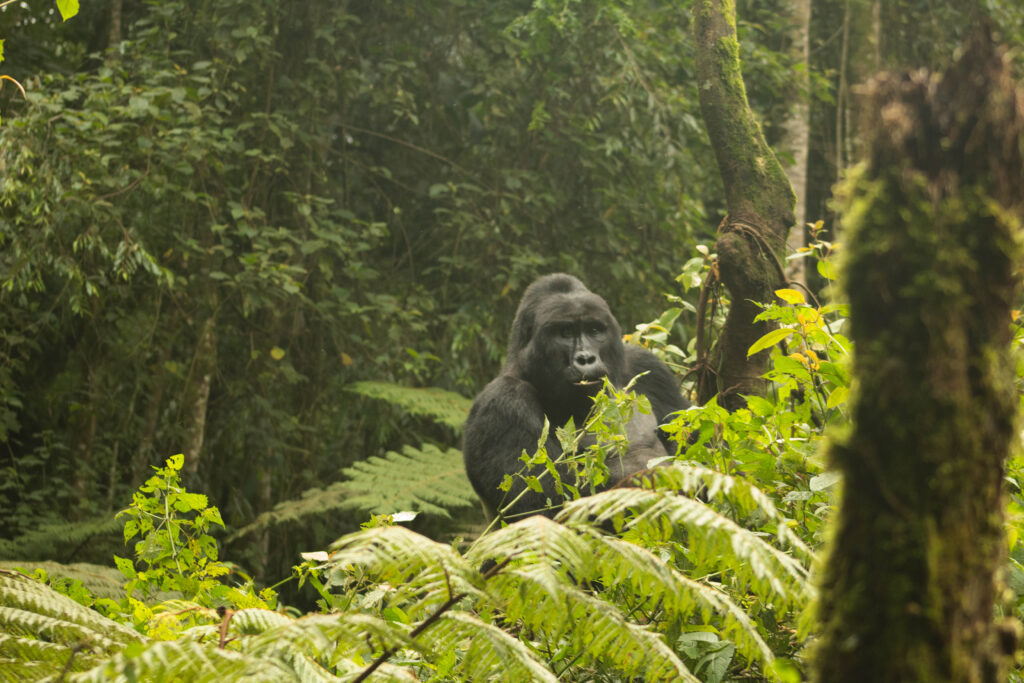
Mountain gorillas remain one of the rarest great apes on Earth. Unlike many endangered animals, they cannot survive in captivity, meaning every mountain gorilla alive today depends entirely on the protection of its natural habitat.
Only three countries offer mountain gorilla trekking:
The number of permits issued each day is deliberately limited because conservation comes before tourism. Each habituated gorilla family can only be visited by a small number of people for a maximum of one hour daily. Limiting visitors minimizes stress on the gorillas while reducing the risk of transmitting human diseases.
In simple terms, the permit price isn’t just an entry ticket; it’s a conservation tool. Higher permit fees help keep visitor numbers low while generating the resources needed to protect one of the world’s most endangered species.
Gorilla Permit Prices in 2026
Permit prices differ depending on your destination and the type of experience you choose.
| Destination | Permit Price (2026) | Time with Gorillas | Best For |
| Rwanda | $1,500 | 1 Hour | Luxury travelers with limited time |
| Uganda | $800 | 1 Hour | Best overall value |
| Uganda Habituation Experience | $1,500 | 4 Hours | Wildlife photographers and enthusiasts |
| DR Congo | $400–500 | 1 Hour | Adventure travelers (subject to security conditions) |
Although Rwanda’s permit costs almost twice as much as Uganda’s, the overall value depends on your travel goals rather than the permit alone.
What Does a Gorilla Trek Really Cost?
One of the biggest mistakes travelers make is budgeting only for the gorilla permit.
The permit is actually just one component of the total trip cost.
Your final budget depends on your accommodation, transportation, length of stay, travel season, and the level of comfort you prefer.
Below is a realistic estimate of what most travelers spend.
| Expense | Estimated Cost |
| Gorilla Permit | $400–$1,500 |
| International Flights | $700–$2,000+ |
| Accommodation | $70–$1,500+ per night |
| Ground Transport | $150–$800 |
| Porter & Tips | $30–$150 |
| Meals & Drinks | $100–$400 |
| Travel Insurance | $80–$250 |
| Visas & Miscellaneous | $50–$200 |
As a result, a complete gorilla trekking safari generally costs:
- Budget Safari: $2,000–$3,000
- Mid-range Safari: $3,500–$5,500
- Luxury Safari: $6,000–$10,000+
Understanding the total investment allows you to plan realistically and avoid unexpected expenses during your journey.
What Exactly Does a Gorilla Permit Include?
Many travelers assume the permit covers every aspect of the trek.
It doesn’t.
A standard gorilla permit includes:
- Park entrance fees
- Professional ranger guides
- Security personnel
- Gorilla tracking services
- Conservation fees
- One hour with a habituated gorilla family
However, the permit does not include:
- Accommodation
- Transportation
- Meals
- Porter services
- Travel insurance
- Visa fees
- Tips
- Personal hiking equipment
Knowing what is and isn’t included helps you build a realistic travel budget before arriving in East Africa.
Where Does Your Permit Money Go?
At Primate World Safaris, we believe transparency builds trust.
One of the most rewarding aspects of gorilla trekking is knowing that your investment directly contributes to protecting one of the world’s greatest conservation success stories.
A significant portion of permit revenue supports:
- Full-time ranger patrols protecting gorillas from poaching
- Veterinary care through organizations like Gorilla Doctors
- Scientific monitoring and research
- Habitat restoration
- Community development projects
- Park infrastructure
- Anti-poaching intelligence
Local communities also receive a share of tourism revenue, creating employment opportunities and encouraging conservation rather than habitat destruction.
This model has transformed mountain gorillas from an endangered species facing extinction into one of conservation’s greatest success stories.
The Population Miracle Your Permit Helps Create
In the early 1980s, conservationists feared mountain gorillas might disappear forever.
Fewer than 400 individuals remained in the wild.
Today, thanks to decades of conservation funded largely through responsible tourism, the population has surpassed 1,000 individuals, making mountain gorillas the only great ape whose wild population is increasing.
Every permit purchased contributes directly to protecting this remarkable achievement.
When you choose to trek gorillas, you aren’t simply buying a wildlife experience; you’re investing in the future of an endangered species.
Why Rwanda Costs More Than Uganda
One of the most common questions we receive is:
Why does Rwanda charge nearly double the permit price?
The answer lies in the country’s tourism strategy.
Rwanda has intentionally positioned itself as a premium luxury destination. Higher permit fees allow the country to generate more conservation revenue while welcoming fewer visitors into Volcanoes National Park.
The result is:
- Shorter airport transfers
- Luxury accommodation
- Excellent infrastructure
- Exclusive safari experiences
- Low visitor density
Uganda follows a different model.
With lower permit prices, larger protected forests, and multiple trekking sectors, Uganda delivers exceptional value while allowing travelers to combine gorilla trekking with chimpanzee tracking, wildlife safaris, boat cruises, and cultural experiences.
Neither option is objectively better.
The right destination depends entirely on your travel priorities.
Uganda vs Rwanda vs Congo: Which Offers the Best Value?
| Country | Permit | Airport Transfer | Best For | Overall Cost |
| Uganda | $800 | 8–10 hours (or Kigali route) | Best Value | $$ |
| Rwanda | $1,500 | 2–3 hours | Luxury & Short Trips | $$$$ |
| DR Congo | $400–500 | Variable | Adventure Travelers | $ |
For travelers looking for the highest return on investment, Uganda consistently offers the best balance between cost, wildlife diversity, and overall safari experience.
Is One Hour Really Enough?
- At first, many travelers worry that spending only sixty minutes with the gorillas won’t justify such a significant investment.
- Almost everyone changes their mind.
- That hour feels remarkably different from ordinary time.
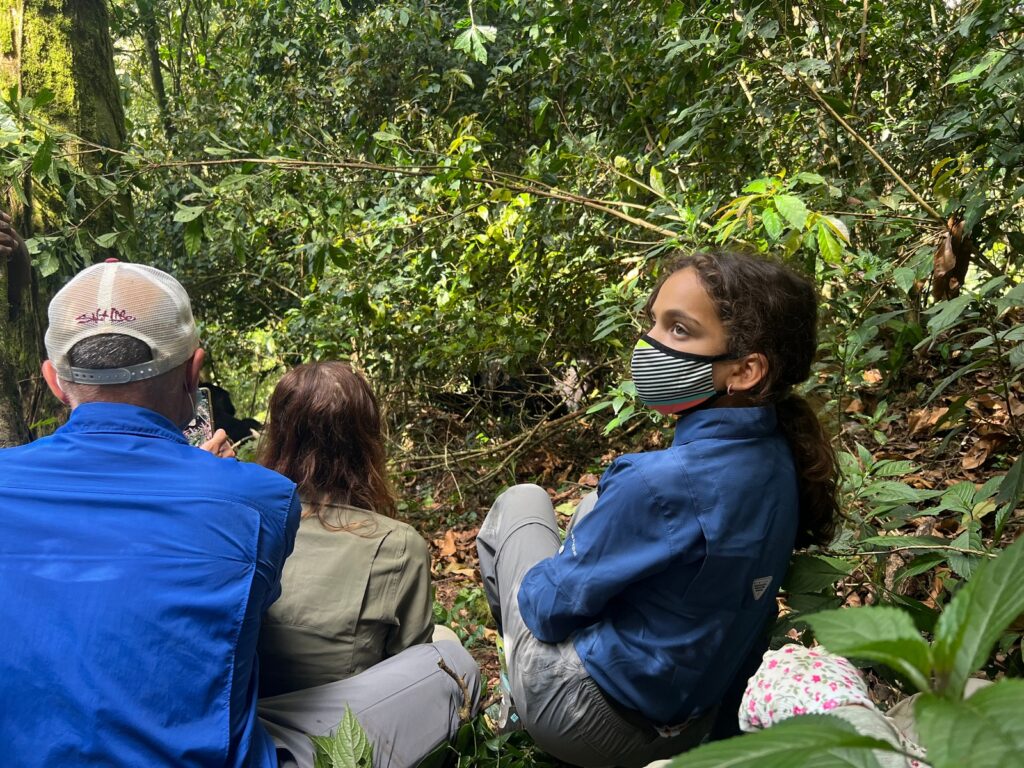
- There are no vehicle windows, no crowds of tourists, and no barriers separating you from one of humanity’s closest relatives.
- You hear leaves rustling.
- You watch infants tumbling through the forest.
- You observe mothers nursing their young.
- You witness dominant silverbacks calmly monitoring their family while younger gorillas play nearby.
- Then something unexpected happens.
- A gorilla looks directly into your eyes.
- For many visitors, that brief moment creates a connection unlike anything they’ve ever experienced in the wild.
- The hour isn’t about taking hundreds of photographs.
It’s about becoming fully present inside one of Africa’s oldest rainforests.
Want More Than One Hour?
If sixty minutes still feels too short, Uganda offers one of Africa’s most extraordinary wildlife experiences, the Gorilla Habituation Experience.
Instead of spending one hour with an already habituated gorilla family, you’ll spend up to four hours alongside researchers and park rangers as they gradually accustom wild gorillas to human presence.
This experience provides:
- More photography opportunities
- Less time pressure
- Deeper behavioral observations
- A stronger educational component
- An even more intimate conservation experience
Although the permit costs $1,500, many photographers and wildlife enthusiasts consider it the finest gorilla encounter available anywhere in Africa.
Is Gorilla Trekking Ethical?
This is an important question, and one every responsible traveler should ask.
Responsible gorilla tourism succeeds because strict rules protect the welfare of the animals above everything else.
Visitors must:
- Maintain a minimum viewing distance
- Wear masks when required
- Never trek while sick
- Limit visits to one hour
- Follow the ranger’s instructions at all times
These measures minimize disease transmission and reduce stress on gorilla families.
Without tourism revenue, many of the forests protecting mountain gorillas would face significantly greater pressure from agriculture, logging, and poaching.
When conducted responsibly, gorilla trekking has become one of the world’s leading examples of conservation funded through sustainable tourism.
Choosing the Right Destination for Your Budget
At Primate World Safaris, we never tell our clients that one destination is universally better than another. Instead, we help them choose the destination that best matches their travel style, budget, and expectations.
Rwanda: Best for Luxury and Short Getaways
If your time is limited and convenience matters more than price, Rwanda is difficult to beat.
Volcanoes National Park is only about two to three hours from Kigali International Airport, making it possible to complete a gorilla trekking adventure in as little as three or four days. Combined with world-class lodges and excellent infrastructure, Rwanda offers one of Africa’s most seamless luxury wildlife experiences.
For executives, honeymooners, and travelers seeking premium service, the higher permit cost often represents excellent value.
Uganda: Best Overall Value
If you’re looking to maximize both your budget and your safari experience, Uganda remains our strongest recommendation.
Not only does the lower permit price save approximately $700 per person, but Uganda also allows you to combine gorilla trekking with several other unforgettable adventures, including:
- Chimpanzee tracking in Kibale Forest
- Game drives in Queen Elizabeth National Park
- Tree-climbing lions in Ishasha
- Boat cruises on the Kazinga Channel
- Cultural encounters with local communities
- Birdwatching in one of Africa’s richest ecosystems
Rather than spending your entire budget on one permit, Uganda allows you to experience far more of East Africa.
Democratic Republic of Congo: For Experienced Adventure Travelers
The Democratic Republic of Congo offers the most affordable permits, but it is also the most unpredictable destination due to changing security conditions.
Virunga National Park remains one of Africa’s greatest conservation achievements, and its rangers continue to perform extraordinary work under extremely difficult circumstances. However, travel to the park should always be based on current government travel advisories.
For adventurous travelers willing to accept greater uncertainty, Congo offers an unforgettable experience at a significantly lower permit price.
Hidden Gorilla Trekking Costs Most Travelers Forget
One of the biggest surprises for first-time visitors is discovering that the permit is only part of the overall expense.
Several smaller costs can quickly add up if you don’t plan ahead.
These include:
- Waterproof hiking boots
- Rain jacket
- Gardening or trekking gloves
- Gaiters
- Insect repellent
- Sunscreen
- Camera equipment
- Travel insurance
- Porter services
- Gratuities
- Snacks and bottled water
Although each individual expense is relatively small, together they can add several hundred dollars to your overall budget.
Fortunately, many of these costs improve your experience rather than simply increasing your expenses.
Hiring a porter, for example, costs very little compared to the value it provides.
Why Hiring a Porter Is Money Well Spent
Many travelers initially think hiring a porter is unnecessary.
By the end of their trek, most tell us it was one of the best decisions they made.
For approximately $20–30 USD, a porter will:
- Carry your backpack
- Help navigate muddy trails
- Offer physical support on steep sections
- Free you to enjoy the forest without exhaustion
More importantly, hiring a porter directly benefits local communities.
Many porters are former farmers, students, or individuals who previously depended on forest resources for their livelihoods. Gorilla tourism has created sustainable employment that encourages conservation rather than deforestation.
Your small investment has a meaningful impact on both your experience and the surrounding community.
Should You Book Everything Yourself?
Technically, yes. Practically, we rarely recommend it. Planning a gorilla trekking safari involves much more than purchasing a permit.
Your permit is tied to a specific trekking sector, meaning your accommodation, transportation, and daily itinerary must align perfectly with your assigned gorilla family.
In Uganda, especially, Bwindi Impenetrable National Park has several trekking sectors located hours apart.
Booking accommodation in the wrong sector could mean missing your early morning briefing or facing several hours of unnecessary driving before your trek even begins.
Working with an experienced safari operator removes this complexity. At Primate World Safaris, we coordinate permits, accommodation, transport, guides, and logistics into one seamless itinerary, allowing our guests to focus entirely on enjoying their adventure.
When Should You Book Gorilla Trekking?
One of the most common mistakes travelers make is waiting too long.
Only a limited number of gorilla permits are issued each day, and demand continues to increase every year.
As a general guideline, we recommend:
- Peak Season (June–September & December–February): Book 4–6 months in advance.
- Luxury Lodges: Reserve as early as possible.
- Green Season: Two to three months is usually sufficient.
If your travel dates are fixed or you’re planning a honeymoon, booking early provides the greatest flexibility and ensures you secure both your preferred permits and accommodation.
Frequently Asked Questions
What if I don’t find the gorillas?
Fortunately, this is extremely rare.
Experienced ranger teams begin tracking gorilla families before visitors even arrive at the park headquarters. Because habituated families are monitored daily, the success rate of locating them consistently exceeds 98%.
Should an exceptional circumstance prevent a sighting, park authorities generally offer either another trekking opportunity or an appropriate resolution, depending on the specific situation.
How physically demanding is gorilla trekking?
The trek can last anywhere from 45 minutes to seven hours, depending on where the gorilla family is located that day.
Some hikes involve relatively gentle forest walks, while others require climbing steep, muddy slopes through dense vegetation.
You don’t need to be an athlete. Most visitors with moderate fitness successfully complete the trek, especially when assisted by a porter.
Can older travelers go gorilla trekking?
Absolutely.
We’ve successfully organized gorilla treks for travelers well into their seventies and eighties.
For guests with limited mobility, sedan chairs carried by trained local teams can often be arranged, allowing almost anyone to experience mountain gorillas safely.
Age is far less important than preparation and choosing the right trekking sector.
Is gorilla trekking safe?
Yes.
Gorilla trekking is conducted under strict supervision by trained park rangers who understand gorilla behavior exceptionally well.
The gorilla families visited by tourists have undergone years of careful habituation, making them comfortable with respectful human presence.
Visitors are thoroughly briefed before entering the forest and remain under ranger guidance throughout the experience.
Can I trek if I have a cold or flu?
Unfortunately, no.
Mountain gorillas share approximately 98% of our DNA, making them highly susceptible to many human respiratory illnesses.
If you show symptoms of illness, park authorities may prevent you from trekking to protect the gorillas.
Although disappointing, these strict health measures are essential for the long-term survival of the species.
Is the Green Season worth it?
Absolutely.
Many travelers assume they should avoid the rainy season, but we often recommend it for visitors seeking better value.
During March to May and November:
- Lodges frequently offer significant discounts.
- Forests become incredibly lush and photogenic.
- Visitor numbers decrease.
- Trekking groups are often smaller.
Although trails can be muddier, many photographers actually prefer this season because of the richer colors and softer lighting.
Smart Ways to Reduce Gorilla Trekking Costs
A once-in-a-lifetime experience doesn’t have to break your budget.
Here are some of the best ways to maximize value while keeping costs under control.
Choose Uganda
Uganda offers one of the best wildlife experiences in Africa while keeping permit costs significantly lower than in Rwanda.
Travel During the Green Season
Lower accommodation rates can reduce your overall trip cost by as much as 30%.
Share Transportation
Traveling with friends or joining a small group helps spread vehicle and fuel costs across multiple travelers.
Combine Activities
Instead of booking separate trips, combine gorilla trekking with chimpanzee tracking, game drives, or cultural tours to maximize every travel dollar.
Book Early
Early reservations provide greater permit availability and access to better accommodation options before peak-season price increases.
Hire a Porter
Although it adds a small cost, the improved trekking experience and direct community support make it one of the highest-value investments you can make.
Focus on Overall Value, Not Just the Lowest Price
The cheapest safari isn’t always the best.
Reliable guides, quality vehicles, carefully selected lodges, and transparent pricing often make the difference between a stressful trip and an unforgettable one.
Final Verdict: Is Gorilla Trekking Worth the Money?
After years of helping travelers experience mountain gorillas across East Africa, we believe the answer is an unequivocal yes. Every permit funds ranger patrols, veterinary care, scientific research, and the continued recovery of one of the world’s rarest great apes. The memories you’ll carry home last far longer than the sixty minutes you spend with the gorillas.
At Primate World Safaris, we’ve watched countless guests arrive, wondering whether the experience would justify the cost. We’ve never met one who wished they hadn’t gone.
If anything, the most common comment we hear after the trek is this:
“I would do it all over again.”
If you’re ready to experience one of the world’s greatest wildlife encounters, our team at Primate World Safaris is here to help you choose the itinerary that best matches your budget, travel style, and conservation values.
Whether you’re dreaming of a luxury weekend in Rwanda, a value-packed Uganda safari, or an extended East African adventure, we’ll help you make every dollar count and ensure your journey contributes directly to protecting mountain gorillas for generations to come.
The Real Value of Gorilla Trekking: What Are You Actually Paying For?
Is Gorilla Trekking Worth the Cost Compared to Other Wildlife Experiences?
One of the biggest mistakes travelers make when evaluating gorilla trekking is comparing it only with the price of other safari activities.
- A three-hour game drive in the Serengeti may cost far less.
- A boat cruise on the Kazinga Channel may cost a fraction of the price.
- A chimpanzee trek in Kibale Forest is considerably cheaper.
So why does gorilla trekking command such a premium price?
- Because the experience itself is fundamentally different.
- A traditional safari allows you to observe wildlife from a distance.
- You sit inside a vehicle.
- You follow predictable routes.
- You watch animals behaving naturally in their environment.
Gorilla trekking removes that physical separation.
- You enter their world.
- You walk through ancient rainforest ecosystems that have remained protected for thousands of years.
- You follow fresh tracks left by a wild gorilla family.
- You hear branches breaking above you before you finally discover a silverback resting quietly among the vegetation.
That level of proximity, rarity, and emotional connection is what makes gorilla trekking worth the money for thousands of travelers every year.
Gorilla Trekking vs Traditional Safari: Which Gives Better Value?
The answer depends entirely on what type of traveler you are.
A classic African safari is about diversity.
You may see elephants, lions, leopards, buffalo, giraffes, hippos, and hundreds of bird species during a single trip.
Gorilla trekking is about depth.
It focuses on one extraordinary species and one powerful interaction.
| Experience | Typical Cost | Wildlife Encounter | Best For |
| Gorilla Trekking | $2,000–$10,000 total trip | Intimate encounter with endangered great apes | Wildlife enthusiasts and bucket-list travelers |
| Kenya/Tanzania Safari | $1,500–$8,000+ | Big Five and open savannah wildlife | First-time Africa visitors |
| Chimpanzee Tracking | $500–$1,500 package | Close primate experience | Budget-conscious travelers |
| Birding Safari | $1,000–$5,000 | Rare endemic species | Specialist travelers |
The key difference is rarity.
You can return to Africa several times and still not guarantee the same gorilla experience twice.
- The weather changes.
- The forest changes.
- The gorilla family behaves differently every day.
That unpredictability creates the magic.
The Emotional Return on Investment of Gorilla Trekking
Travelers often think about cost in financial terms.
But some experiences deliver value that cannot be measured on a spreadsheet.
Gorilla trekking creates memories because it combines three powerful elements:
Rarity
Mountain gorillas exist in only a few protected forests in Uganda, Rwanda, and Congo.
Unlike many safari animals, you cannot simply drive into a national park and find them.
Every encounter requires:
- Conservation investment
- Professional tracking teams
- Protected habitats
- Years of gorilla habituation
The difficulty of reaching them is part of what makes the experience meaningful.
Human Connection
Scientists estimate that mountain gorillas share around 98% of their DNA with humans.
This genetic similarity creates moments that feel surprisingly personal.
A curious juvenile may approach your group.
A mother may quietly watch visitors while protecting her infant.
A silverback may calmly observe your presence before returning to feeding.
These encounters remind travelers that conservation is not only about protecting animals.
It is about protecting relatives that share part of our evolutionary story.
Personal Achievement
Many guests underestimate the physical and emotional journey involved.
The trek itself becomes part of the reward.
You are not simply arriving at a viewing platform.
You are hiking through Bwindi Impenetrable Forest or Volcanoes National Park, following expert trackers through some of Africa’s most remarkable landscapes.
The moment you finally locate the gorillas feels earned.
That sense of achievement is something a normal wildlife viewing experience rarely provides.
Who Will Find Gorilla Trekking Worth the Money?
Gorilla trekking is not necessarily the right experience for every traveler.
The value depends on your expectations.
You will probably consider gorilla trekking worth the money if you:
Love Wildlife and Conservation
If endangered species protection matters to you, gorilla trekking provides a rare opportunity to contribute directly.
Your permit supports:
- Ranger protection programs
- Veterinary monitoring
- Scientific research
- Community conservation initiatives
Your tourism dollars become part of the solution.
Prefer Unique Experiences Over Material Luxury
Some travelers would rather spend $5,000 on a luxury hotel upgrade.
Others would rather spend that money standing beside a wild gorilla family.
Neither choice is wrong. Gorilla trekking appeals most to travelers who value experiences over possessions.
Want a Story You Cannot Replicate
Many luxury vacations are comfortable.
Few are truly unique. A gorilla encounter creates a story that remains meaningful years later.
It becomes the moment people talk about when describing their travels.
Who Might Not Find Gorilla Trekking Worth It?
Responsible travel advice also means being honest.
Gorilla trekking may not be ideal if you:
Only Want Maximum Wildlife Variety
If your dream is seeing the Big Five every day, a traditional safari may offer better value.
A Serengeti safari can provide dozens of animal sightings daily.
Gorilla trekking focuses on one extraordinary encounter.
Dislike Hiking Conditions
Rainforest trekking can be challenging.
Conditions may include:
- Muddy trails
- Dense vegetation
- Humidity
- Steep slopes
- Unpredictable weather
Although porters and guides make the experience accessible, visitors should prepare mentally and physically.
Are Looking for a Budget Vacation
Gorilla trekking is not a cheap holiday.
Even Uganda’s more affordable option requires a meaningful investment.
Travelers seeking the lowest possible African wildlife experience may find better value elsewhere.
However, those looking for a rare conservation experience often discover the price becomes secondary once they are in the forest.
How to Get the Best Value From Your Gorilla Trekking Investment
The goal should not simply be finding the cheapest gorilla trekking option.
The goal should be to maximize the experience.
At Primate World Safaris, we recommend focusing on five value factors.
Choose the Right Country
Uganda generally provides the strongest overall value.
You receive:
- Lower permit prices
- Larger forest ecosystems
- More safari combinations
- Longer East African itineraries
Rwanda provides convenience and luxury.
Congo provides adventure and affordability.
Your choice should match your priorities.
Combine Gorilla Trekking With Other Experiences
One of the smartest ways to increase value is combining gorilla trekking with additional activities.
For example:
Uganda 7–10 Day Gorilla Safari
Can include:
- Gorilla trekking in Bwindi
- Chimpanzee tracking in Kibale
- Queen Elizabeth National Park game drives
- Kazinga Channel boat cruise
- Cultural experiences
Instead of paying thousands for one activity, you create a complete East African adventure.
Invest in Good Accommodation
Accommodation is not just about comfort.
Location matters.
A cheaper lodge several hours away may reduce your overall experience because of long transfers before and after trekking.
The best-value accommodation balances:
- Distance from the trekking headquarters
- Comfort
- Service quality
- Budget
A strategically located lodge can make your entire gorilla experience smoother.
Travel During Shoulder Seasons
Many travelers overlook the value of Uganda’s green seasons.
The months of:
- March to May
- November
often provide:
- Lower lodge rates
- Fewer visitors
- Beautiful forest conditions
- Excellent photography opportunities
For travelers who prioritize value, these periods can deliver an exceptional experience at a reduced cost.
The Hidden Value of Supporting Local Communities
The cost of gorilla trekking extends beyond wildlife protection.
It also transforms human communities living around protected forests.
Before tourism became a major conservation tool, many communities depended heavily on forest resources.
Today, gorilla tourism provides:
- Employment opportunities
- Hospitality jobs
- Guiding careers
- Porter income
- Community development projects
A single gorilla trekking permit supports an entire conservation economy.
This is one reason responsible travelers often describe gorilla trekking as more than tourism.
It is a partnership between visitors, communities, governments, conservationists, and the gorillas themselves.
How to Calculate the True Value of Your Gorilla Trekking Experience
When travelers ask us, “Is gorilla trekking worth the money?”, they are usually asking a deeper question:
“Will this experience justify the amount I spend compared to other ways I could use that money?”
That is the right question.
A premium travel experience should not only be expensive. It should deliver exceptional value.
At Primate World Safaris, we evaluate value through five important factors:
- Rarity
- Exclusivity
- Conservation impact
- Emotional connection
- Long-term memories
When all five come together, gorilla trekking becomes much more than a one-hour wildlife encounter.
It becomes one of the few travel experiences where the price reflects both the privilege of participation and the responsibility of protection.
The Gorilla Trekking Return on Investment: More Than Minutes in the Forest
Many travelers make one calculation mistake.
They divide the permit price by the one hour spent with gorillas.
For example:
A $1,500 permit divided by 60 minutes equals $25 per minute.
On paper, that seems expensive.
But this calculation ignores everything behind that one hour.
Your permit supports:
- Years of gorilla habituation work
- Daily ranger monitoring
- Forest protection
- Veterinary programs
- Anti-poaching operations
- Local employment
- Scientific research
You are not paying only for sixty minutes.
- You are contributing to decades of conservation work that makes those sixty minutes possible.
- A mountain gorilla encounter represents thousands of hours of human effort before a visitor ever enters the forest.
- The rangers who protect these animals.
- The researchers who monitor their health.
- The trackers who follow their movements every morning.
- The communities that protect the forests surrounding them.
All of this forms part of the true value behind gorilla trekking.
Why Gorilla Trekking Is a Rare Luxury Experience
Luxury travel has changed.
Today, many high-end travelers are no longer searching only for five-star hotels and private villas.
They are searching for experiences that cannot be purchased anywhere else.
This is where gorilla trekking stands apart.
A luxury hotel room can be recreated.
A private beach can be visited again.
A gourmet meal can be enjoyed in many destinations.
But standing in a misty rainforest while a wild silverback watches your group quietly is an experience limited by nature itself.
There are only:
- A small number of habituated gorilla families
- Strict daily visitor limits
- Protected forest ecosystems
- Three countries offering mountain gorilla trekking
This natural exclusivity creates genuine scarcity.
You cannot simply decide tomorrow to increase supply.
Nature sets the limits.
That is why many experienced travelers consider gorilla trekking one of Africa’s most valuable wildlife experiences.
Why Some Travelers Regret Not Going Gorilla Trekking
Interestingly, after working with thousands of travelers, we notice a common pattern.
Many people hesitate because of the price.
They compare the cost, calculate flights, and question whether one hour is enough.
But the travelers who delay the experience often regret waiting.
The reason is simple:
- Money can usually be earned again; time cannot.
- Mountain gorillas are still endangered.
- Their habitats remain under pressure.
Conservation success depends on continued commitment.
Many travelers tell us that years after their trek, they remember:
- The first moment they saw the gorillas
- The sound of the rainforest
- The expressions of individual gorillas
- The emotional feeling of being accepted into their world
Very few remember the exact amount they spent.
They remember the experience.
Common Mistakes That Make Gorilla Trekking Feel Overpriced
Gorilla trekking is expensive, but poor planning can make it feel even more expensive.
Many travelers accidentally reduce the value of their experience through avoidable mistakes.
Choosing the Cheapest Package Without Understanding What Is Included
The lowest price is not always the best value.
A cheaper safari company may exclude important services such as:
- Quality accommodation
- Reliable transport
- Experienced guides
- Proper trekking preparation
- Flexible itinerary planning
A poorly organized gorilla safari can create unnecessary stress.
The goal should not be finding the cheapest possible trip.
The goal should be to receive the best experience for your budget.
Booking Accommodation Too Far From the Trekking Sector
This is one of the most common planning mistakes in Uganda.
Bwindi Impenetrable National Park has several trekking sectors:
- Buhoma
- Ruhija
- Rushaga
- Nkuringo
These sectors are separated by challenging mountain roads.
A lodge that looks affordable online may actually create additional costs through:
- Longer transfers
- Earlier departure times
- Reduced rest before trekking
- Increased vehicle expenses
Experienced safari planning considers geography first.
The best lodge is not always the cheapest lodge.
It is the one that positions you correctly for your trek.
Ignoring the Physical Preparation Required
Some travelers underestimate gorilla trekking because they imagine it as a simple forest walk.
The reality is different.
The rainforest environment can involve:
- Uneven terrain
- Thick vegetation
- High humidity
- Slippery trails
- Steep elevation changes
Preparation improves enjoyment.
Simple preparation includes:
- Regular walking before your trip
- Breaking in hiking shoes
- Carrying proper rain protection
- Using trekking poles if needed
- Hiring a porter
A prepared traveler focuses on the gorillas. An unprepared traveler focuses on the trail.
Uganda vs Rwanda: Which Destination Gives Better Value in 2026?
This remains one of the biggest buying decisions for travelers.
Both countries offer exceptional gorilla encounters.
The difference is how they deliver value.
| Category | Uganda | Rwanda |
| Permit Cost | $800 | $1,500 |
| Main Location | Bwindi & Mgahinga | Volcanoes National Park |
| Airport Access | Longer transfers | Short transfer from Kigali |
| Accommodation Style | Wide range from budget to luxury | Strong luxury focus |
| Best For | Value-focused travelers and longer safaris | Luxury travelers and short trips |
| Additional Experiences | Exceptional variety | Excellent cultural and wildlife extensions |
Choose Uganda If You Want Maximum Experience Per Dollar
Uganda provides more flexibility.
A traveler can combine:
- Gorilla trekking
- Chimpanzee habituation
- Savannah safaris
- Boat cruises
- Birding experiences
- Cultural visits
For travelers with one or two weeks available, Uganda usually creates greater overall value.
Choose Rwanda If Convenience Is Your Priority
Rwanda’s advantage is efficiency.
You can land in Kigali and reach the gorilla trekking region within a few hours.
This makes Rwanda ideal for:
- Short luxury trips
- Honeymoon extensions
- Business travelers
- Travelers who dislike long transfers
The higher permit cost reflects a premium tourism model focused on exclusivity and convenience.
Is Gorilla Trekking Better Than a Big Five Safari?
This is one of the most searched comparison questions online.
The answer depends on what you want from Africa.
A Big Five safari delivers variety.
You may see:
- Lions hunting
- Elephants gathering around waterholes
- Leopards resting in trees
- Buffalo herds moving across the plains
A gorilla trek delivers intimacy.
You experience:
- A close encounter with great apes
- A rainforest ecosystem
- A conservation success story
- A rare personal connection
Neither replaces the other.
In fact, combining them creates one of Africa’s strongest itineraries.
A Uganda safari that includes gorillas, chimpanzees, and savannah wildlife gives travelers the best of both worlds.
The Future Value of Gorilla Trekking: Why 2026 Is an Important Time to Go
The future value of gorilla trekking makes 2026 an especially important time to go, as responsible tourism has become more critical than ever. Mountain gorillas remain protected largely because tourism creates the financial justification for conserving their habitat, but this success requires continued support. Every year, travelers have the opportunity to participate in this ongoing story, ensuring that the experience booked today helps protect future generations of gorillas.
By choosing to trek, you are supporting the forests these primates depend on, strengthening the communities surrounding protected areas, and rewarding conservation over destruction. This purpose makes gorilla trekking fundamentally different from many typical luxury purchases. While a luxury watch or vehicle may depreciate and lose value over time, a responsible wildlife experience creates lasting personal value while contributing to something far larger than itself.
Final Expert Verdict: Should You Spend Money on Gorilla Trekking?
After years of organizing gorilla safaris across Uganda, Rwanda, and East Africa, our final expert verdict on whether you should spend money on gorilla trekking remains clear: yes, it is worth the investment if you value rare experiences, conservation, and meaningful adventure. While it is not the cheapest wildlife activity in Africa, it is not designed to be, as the cost reflects the reality of protecting an endangered species, limiting visitor numbers, maintaining delicate forest ecosystems, and supporting the local communities that make this conservation possible.
Is one hour with gorillas worth $800 or $1,500?
The better question is: “Is the opportunity to stand beside one of the world’s rarest animals, in its natural habitat, while contributing to its survival worth the investment?”
At Primate World Safaris, we believe the greatest journeys are not measured only by where you go, but by the impact your journey creates.
A gorilla trek is far more than a standard safari; it is a conservation partnership and a rare encounter that provides a story you will carry for life. For many travelers, this experience becomes the moment they realize that the greatest luxury in travel is not found in comfort, but in gaining access to something precious that the world cannot easily replace.