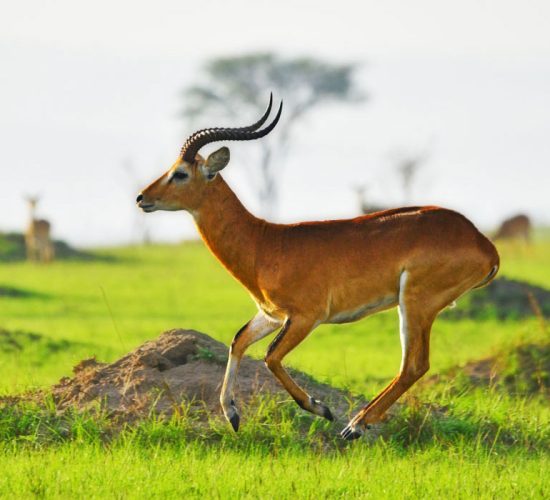
Safari animals are the wildlife species travelers commonly encounter during African safaris. These animals inhabit diverse ecosystems, including savannahs, rainforests, wetlands, mountains, deserts, rivers, and woodlands.
The most famous safari animals include:
Each species plays a vital role in maintaining ecological balance. Predators regulate prey populations, herbivores shape vegetation patterns, and scavengers recycle nutrients throughout the ecosystem.
Many travelers believe safari success depends on luck. In reality, the best wildlife sightings happen when guides understand animal behavior.
Knowing when animals hunt, feed, rest, migrate, or communicate allows guides to anticipate movements and position guests for exceptional viewing opportunities.
For example:
Understanding these patterns dramatically improves wildlife encounters.
The Big Five remain the most sought-after safari animals in Africa. The term originally referred to the five most difficult animals to hunt on foot, but today it represents the ultimate wildlife viewing checklist.
The African lion is often referred to as the King of the Beasts. Unlike other big cats, lions are highly social and live in family groups known as prides.
A pride typically consists of:
These social bonds make lions particularly fascinating to observe.
Lions spend up to 20 hours per day resting.
However, when active, they display remarkable behaviors:
Female lions perform most hunting activities, often working together to surround prey.
25–50 meters (82–164 feet): Vehicles provide safety and allow closer observation. Walking safaris require significantly greater caution.
Early morning offers the best chance to witness lions returning from a successful hunt.

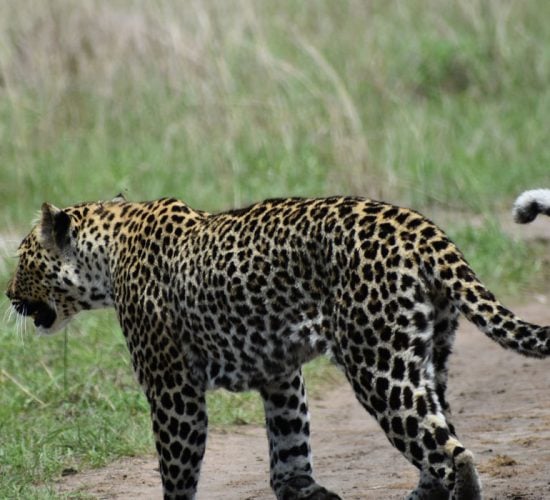
Leopards are masters of camouflage and among the hardest safari animals to spot.
Unlike lions, leopards are solitary and highly secretive.
Leopards are known for:
One of their most famous behaviors involves dragging prey into trees to protect it from hyenas and lions.
30–60 meters (98–197 feet): Leopards generally avoid humans but can become unpredictable if cornered.

African elephants are among the most intelligent animals in the world.
They possess:
Elephants live in matriarchal family groups led by experienced females.
Notable behaviors include:
Research shows elephants can communicate using low-frequency sounds that travel several kilometers.
At least 30 meters (98 feet): Mothers with young calves require extra caution.
An adult elephant can consume more than 150 kilograms of vegetation daily.

Africa is home to:
Both face serious conservation challenges due to poaching.
Rhinos rely heavily on smell and hearing because their eyesight is poor.
Common behaviors include:
30–50 meters (98–164 feet)
Always follow the guide’s instructions during rhino tracking experiences.

Cape buffaloes are often considered one of Africa’s most dangerous animals.
Buffalo herds demonstrate extraordinary cooperation.
Common behaviors include:
Lions frequently target buffalo, yet buffalo often fight back aggressively.
50 meters (164 feet) or more
Never approach buffalo on foot without an experienced guide.

The cheetah is the fastest land animal on Earth.
Cheetahs can exceed: 110 km/h (68 mph)
They rely on speed rather than strength.
30–50 meters
One of Africa’s rarest predators.
Why They Are Special
Wild dogs achieve some of the highest hunting success rates in the animal kingdom.
Behavior
Safe Viewing Distance
30–50 meters
Hyenas are intelligent predators, not merely scavengers.
Behavior
Safe Viewing Distance
30–50 meters

The world’s tallest land mammal.
20–30 meters

Zebras are among Africa’s most recognizable safari animals.
Safe Viewing Distance
20–30 meters

Famous for the Great Migration.
25–40 meters
Known for athletic leaps.
20–30 meters

Instantly recognizable by their tusks and upright tails.
20–30 meters
Many travelers are surprised to learn that hippos cause more wildlife-related human fatalities than lions.
At least 50 meters: Never stand between a hippo and water.

Nile crocodiles have changed little for millions of years.
50 meters or more: Never approach riverbanks without a guide.
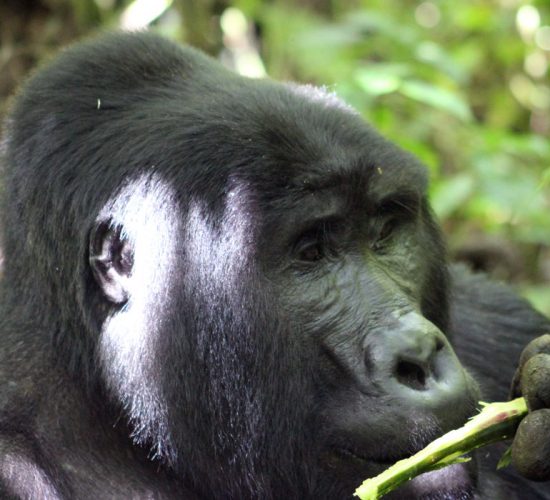
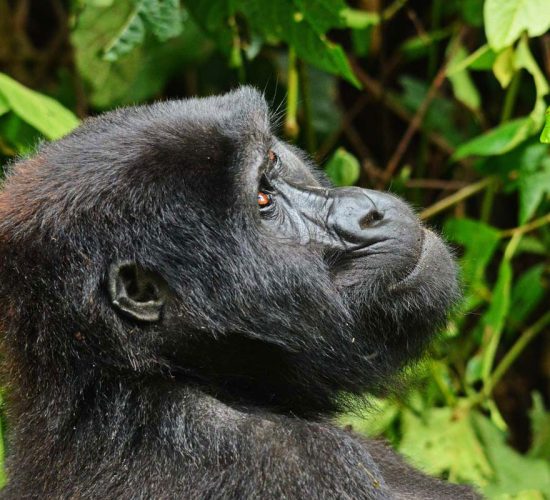
Primate encounters provide some of the most emotional wildlife experiences available anywhere in the world.
Mountain gorillas share approximately 98% of human DNA.
Observing a gorilla family in the wild is often the highlight of an African safari.
Minimum 7 meters (23 feet): This regulation helps reduce disease transmission.

Chimpanzees display remarkable intelligence.
Minimum 8 meters (26 feet)

Among Africa’s most beautiful primates.
7–10 meters

Africa is home to more than 2,300 bird species.
Highlights include:
Known for its iconic call.
One of Africa’s rarest birds.

Specialized snake hunter.
Often considered Africa’s most colorful bird.
Uganda’s national bird.
Recommended distance: 15–40 meters, depending on species.

Conservation tourism helps protect vulnerable species.
Rare safari animals include:
Every responsible safari contributes to wildlife conservation efforts through park fees and community initiatives.
Animal | Recommended Distance |
Lion | 25–50m |
Leopard | 30–60m |
Elephant | 30m+ |
Rhino | 30–50m |
Buffalo | 50m+ |
Cheetah | 30–50m |
Hyena | 30–50m |
Hippo | 50m+ |
Crocodile | 50m+ |
Gorilla | 7m minimum |
Chimpanzee | 8m minimum |
Golden Monkey | 7–10m |
Giraffe | 20–30m |
Zebra | 20–30m |
Wildebeest | 25–40m |
Best for:
Best for:
Best for:
Best for:
Africa’s wildlife is more than a collection of animals; it is one of the last great natural spectacles on Earth. Whether you dream of witnessing a lion pride on the Serengeti plains, watching elephants gather along the Nile, tracking chimpanzees through Kibale Forest, or standing face-to-face with a mountain gorilla in Bwindi, every encounter tells a story of survival, intelligence, and adaptation.
At Primate World Safaris, we specialize in creating tailor-made wildlife experiences across Uganda, Rwanda, Kenya, Tanzania, and beyond. Our expert guides understand animal behavior, migration patterns, tracking techniques, and the best locations for exceptional wildlife encounters.
✓ Expert local safari guides
✓ Award-winning gorilla and chimpanzee trekking experiences
✓ Personalized safari itineraries
✓ Responsible and sustainable tourism
✓ Small-group and private safari options
✓ Access to East Africa’s most iconic wildlife destinations
Contact Primate World Safaris today and let our safari experts design your unforgettable African wildlife adventure. From the Big Five to endangered mountain gorillas, we’ll help you experience the very best that Africa has to offer safely, responsibly, and up close.