What to Know Before Visiting Uganda: A Complete Travel Guide for Every Explorer
Uganda, famously called The Pearl of Africa, is one of the most captivating destinations for nature lovers, cultural travelers, and safari enthusiasts. Before embarking on your journey, it is essential to understand what to know before visiting Uganda. Preparation ensures comfort, safety, and a more rewarding travel experience. This article offers an in-depth, experience-based guide that combines expert safari insights with practical travel advice, crafted to help international travelers plan confidently.
Uganda’s unmatched diversity makes it one of Africa’s most versatile destinations. From the wildlife-filled plains of Queen Elizabeth National Park to the misty jungles of Bwindi Impenetrable Forest, the country offers a blend of family-friendly Safaris, Wildlife Safaris, Hiking Tours, and cultural immersion. But knowing entry requirements, health measures, and local customs ensures that every visitor enjoys a smooth adventure.
As you prepare for your trip, Primate World Safaris offers valuable expertise drawn from years of guiding travelers across Uganda’s breathtaking landscapes. This comprehensive guide explores vaccinations, visas, safety, local etiquette, and insider safari tips, everything essential to make your stay in Uganda memorable, educational, and safe.

Health and Safety Essentials Before Traveling to Uganda
Understanding Health Requirements for Travelers
One of the most important things to know before visiting Uganda is health preparedness. Uganda is a tropical destination, offering warm weather and rich biodiversity, but travelers should take specific health precautions to stay well throughout their journey.
Vaccinations and Preventive Health Measures
A Yellow Fever vaccination certificate is mandatory for entry into Uganda. Travelers must present this certificate upon arrival at any border point or airport. The vaccination should be taken at least ten days before travel to ensure full protection. In addition, vaccines for Hepatitis A, Typhoid, Polio, and Tetanus are highly recommended. These protect travelers from common foodborne and environmental illnesses that can occur during exploration or Family Tours in rural areas.
Since malaria is prevalent in Uganda, preventive medication is strongly advised. Travelers should consult their doctor for suitable anti-malarial prescriptions. Combining medication with preventive measures like applying mosquito repellent, wearing long-sleeved clothing during evenings, and sleeping under treated nets helps maintain health throughout the safari.
Safe Water and Food Practices
When planning Family-Friendly Safaris or Friends’ Trips, prioritize hydration but ensure water safety. Only drink bottled or filtered water. Avoid raw or undercooked foods, especially street meals, if you have a sensitive stomach. Lodges and reputable safari operators maintain high hygiene standards, ensuring travelers enjoy delicious, safe local cuisine without worry.
These precautions allow families and friends to focus on the beauty of Uganda’s landscapes and wildlife instead of health concerns.
Entry Requirements for Uganda
Documents Every Traveler Must Have
Understanding visa and passport requirements is essential when learning what to know before visiting Uganda. Every traveler needs a valid passport with at least six months before expiration from the date of entry. Ensure you have enough blank pages for visa stamps.
Uganda requires most visitors to obtain a visa before entry. The easiest method is to apply online through the official e-visa portal. Applicants receive an approval letter, which must be presented upon arrival. The process is fast, convenient, and secure. East African travelers may use the East Africa Tourist Visa, which allows multiple entries between Uganda, Kenya, and Rwanda—perfect for regional Family Tours or Friends Travel adventures.
Yellow Fever Certificate Check
Immigration authorities require travelers to show a Yellow Fever vaccination certificate before entering Uganda. Without this document, travelers may be denied entry or asked to receive vaccination at the border, often at additional cost. Always pack the certificate in your carry-on bag to avoid delays.
Travel Insurance: A Smart Traveler’s Must-Have
Comprehensive travel insurance is highly recommended for every visitor. Choose a plan that covers medical emergencies, trip cancellations, and medical evacuation. Uganda’s remote wildlife areas may require air evacuations in case of serious emergencies, and having adequate coverage provides peace of mind during Uganda Safari Holidays or Hiking Safaris Holidays.
Money, Currency, and Payment Tips
Understanding Uganda’s Currency
The local currency is the Ugandan Shilling (UGX). It is widely used for purchases in markets, lodges, and national parks. Foreign currency—especially US dollars printed after 2009—is also accepted in many hotels and safari lodges. Always exchange money at official foreign exchange bureaus or banks to ensure fair rates.
While exploring Family Safaris or Wildlife Tours, it’s advisable to carry small denominations for tipping or small purchases in rural areas. ATMs are available in cities like Kampala, Entebbe, and Fort Portal, but may not be found near national parks, so plan withdrawals.
Using Cards and Digital Payments
Credit cards are increasingly accepted in major hotels and luxury lodges, though smaller businesses prefer cash. MasterCard and Visa are the most reliable options. Some safari operators and lodges accept mobile money transfers, a popular digital payment system in Uganda.
Budgeting for a Family-Friendly Safari
Understanding the cost of Family-Friendly Tours in Uganda helps with budgeting. Lodges range from budget-friendly guesthouses to high-end luxury camps. Meals, park entry fees, and guided tours vary by location, but booking with a reputable operator ensures value, transparency, and comfort for families and friends.
Cultural Etiquette and Local Customs in Uganda
Respectful Travel and Local Behavior
Cultural respect is an essential aspect of what to know before visiting Uganda. Ugandans are warm, welcoming, and proud of their traditions. A smile and a polite greeting go a long way. English is the official language and widely spoken, but learning simple greetings in local languages such as Luganda can deepen cultural connections.
Dress and Social Etiquette
Dress modestly, particularly in rural communities and religious places. Women may prefer skirts or dresses below the knees, while men should avoid sleeveless shirts in formal settings. Public displays of affection are rare and often frowned upon.
Photography Etiquette
Before photographing people, always ask permission. Some communities consider uninvited photography disrespectful. However, most Ugandans welcome friendly travelers who show interest in their culture. During Cultural Tours, local guides help facilitate respectful interaction with communities.
LGBTQ+ Travel Awareness
Travelers identifying as LGBTQ+ should remain discreet. Uganda maintains conservative social norms, so open displays of affection may attract attention. Booking with experienced operators like Primate World Safaris ensures safety, cultural sensitivity, and local guidance during Family Holidays or Friends’ Travel.
Getting Around Uganda: Transport and Travel Tips
Road Travel and Safari Transfers
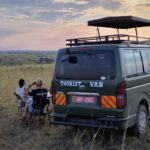
Most safaris and tours in Uganda involve overland travel. Roads between major cities and parks are generally in good condition, though some rural tracks can be rough during rainy seasons. Primate World Safaris uses comfortable, well-maintained safari vehicles designed for long-distance journeys, with experienced driver-guides who prioritize safety.
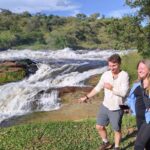
For travelers wondering how to reach Uganda’s top attractions, road transfers connect Entebbe to destinations like Murchison Falls, Queen Elizabeth, and Bwindi. Air transfers are available for those preferring faster travel between parks.
Local Transportation Options
In towns, travelers find taxis, boda-bodas (motorcycle taxis), and private hire services. While adventurous, motorcycle taxis should only be used with helmets and trusted drivers. Families traveling with children are encouraged to use private vehicles arranged by reputable tour operators.
Self-Drive vs Guided Tours
Adventurous visitors sometimes rent cars for self-drive safaris, but guided Family Safaris remain safer and more enriching. Guides handle navigation, park regulations, and wildlife safety, allowing travelers to relax and enjoy every moment.
Accommodation in Uganda: Choosing Where to Stay
Types of Safari Lodges and Hotels
When considering what to know before visiting Uganda, understanding accommodation types is crucial. The country offers a wide range, from luxury lodges and eco-resorts to budget-friendly guesthouses. Each option provides unique comfort levels and proximity to national parks.
Luxury Safari Lodges feature spacious family suites, infinity pools, and personalized service. They suit travelers seeking privacy and comfort during Family Holidays or Friends’ Trips. Mid-range lodges offer cozy cottages, great meals, and child-friendly amenities. Budget accommodations cater to backpackers and families seeking affordable adventure without sacrificing safety.
Cultural Experiences Around Safari Lodges
Many lodges offer immersive cultural activities. Guests may visit nearby villages, join traditional dance performances, or learn to cook Ugandan meals using local ingredients. These experiences add authenticity to Family-Friendly Safaris and encourage responsible tourism.
Families traveling with children appreciate lodges offering kids’ clubs, nature walks, and storytelling nights around the campfire. Every stay becomes an opportunity to blend relaxation, learning, and adventure.
Top Safari Activities to Enjoy in Uganda
Wildlife Safaris and Game Drives
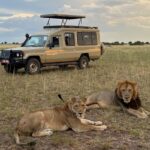
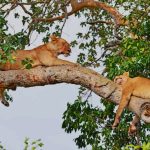
Uganda’s national parks host spectacular wildlife experiences. Travelers can enjoy Family Game Drives in Murchison Falls, where elephants, giraffes, and lions roam freely. Queen Elizabeth National Park offers tree-climbing lions, while Lake Mburo delights families with zebras and antelopes.
Primate Tracking and Hiking Safaris
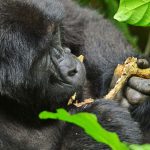
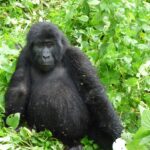
Uganda is famous for gorilla trekking in Bwindi Impenetrable Forest and Mgahinga Gorilla National Park. For families with older children, this life-changing experience provides close encounters with endangered mountain gorillas. Chimpanzee trekking in Kibale Forest and Hiking Tours in the Rwenzori Mountains offer thrilling challenges for adventure seekers.
Walking Tours and Birding Adventures
Nature walks in Mabira and Bigodi Wetlands give families a chance to discover Uganda’s rich birdlife and small mammals. Guided Walking Tours provide insight into ecosystems, traditional medicine, and local conservation efforts.
Cultural and Historical Tours
Museums, markets, and cultural centers across the country reveal Uganda’s diverse heritage. In Kampala, visitors can explore craft villages and the Uganda Museum. Families can attend music and dance performances that celebrate the nation’s vibrant identity.
Safety and Security for International Visitors
Personal Safety Tips
Uganda remains one of East Africa’s safest travel destinations. However, awareness and preparation are vital. Avoid carrying large amounts of cash, keep valuables secure, and use registered taxis or tour company vehicles.
Travelers should avoid walking alone at night in unfamiliar areas and remain cautious in crowded markets. Always store important documents in hotel safes or secure bags.
Emergency Contacts and Support
Police and tourism security units are stationed in all major parks and cities. Safari guides maintain radio communication and emergency protocols to ensure travelers’ safety. With Primate World Safaris, visitors receive 24-hour on-ground support throughout their journey.
These safety standards allow families and friends to enjoy Uganda’s wonders without worry.

Responsible and Sustainable Travel in Uganda
Eco-Friendly Travel Choices
Understanding sustainability is part of knowing what to know before visiting Uganda. Eco-conscious travelers support lodges that use solar power, local materials, and conservation practices. Choosing local guides and community tours ensures that tourism benefits local people and protects nature.
Community Engagement and Conservation
Families can participate in reforestation programs, cultural exchanges, or wildlife education workshops near parks. Responsible travel enhances Family-Friendly Tours and teaches children valuable lessons about protecting the environment.
Wildlife Respect and Ethical Travel
Avoid feeding wild animals or littering in parks. Always follow your guide’s instructions during safaris and treks. Respecting wildlife preserves Uganda’s pristine ecosystems for future generations.
Final Thoughts: Why Preparation Makes Every Safari Better
Planning your journey carefully ensures a safe, comfortable, and unforgettable experience. From vaccinations to visas, from understanding local customs to respecting cultural diversity, every detail matters.
Knowing what to know before visiting Uganda empowers travelers to explore with confidence. Uganda rewards the prepared traveler with encounters that transform perspective, watching gorillas in misty forests, gliding on the Nile, or dancing with local communities around the fire.
At Primate World Safaris, we believe that travel is more than movement; it’s connection, learning, and renewal. Whether you’re on a Family-Friendly Safari, a Friends Trip, or an adventurous Hiking Safari Holiday, Uganda offers experiences that stay in your heart forever.