
Why Family Safaris in East Africa Create Lifelong Bonds
A family safari in East Africa is one of the most enriching experiences any family can share. The continent’s iconic wilderness, vibrant cultures, and friendly hospitality create the perfect setting for unforgettable family adventures. Whether exploring Uganda’s lush forests, the savannas of Kenya and Tanzania, or Rwanda’s misty volcanoes, every safari destination offers something unique for travelers of all ages.
Families from across the world, Europe, America, Asia, and Australia are increasingly seeking vacations that foster togetherness, learning, and adventure. A family-friendly safari in East Africa delivers all three, blending thrilling wildlife encounters with educational activities and cultural connections. Children and parents witness the Big Five, take guided walking safaris, and learn from expert rangers about the delicate balance of nature.
The best age for a family safari often depends on each child’s interests and stamina. However, with careful planning and the right operator like Primate World Safaris, families can enjoy seamless, safe, and deeply memorable wildlife safaris.
Understanding the Best Age for a Family Safari
Creating Meaningful Safari Experiences for Every Age
While many parents wonder about the right time to take their children on safari, East Africa’s flexibility makes it possible for families with children of nearly any age to enjoy the experience. The key lies in choosing suitable destinations, family-friendly lodges, and activities that match your children’s energy and curiosity.
Most experts agree that ages 6 to 12 years offer the best combination of curiosity, stamina, and awareness. At this stage, children can handle longer game drives, understand wildlife behavior, and participate in junior ranger programs. Lodges across Uganda, Kenya, Tanzania, and Rwanda offer child-oriented activities that combine fun and learning.
That said, younger children and teenagers also thrive on safari when the itinerary is carefully adapted. The goal is to balance comfort, engagement, and adventure for everyone involved.
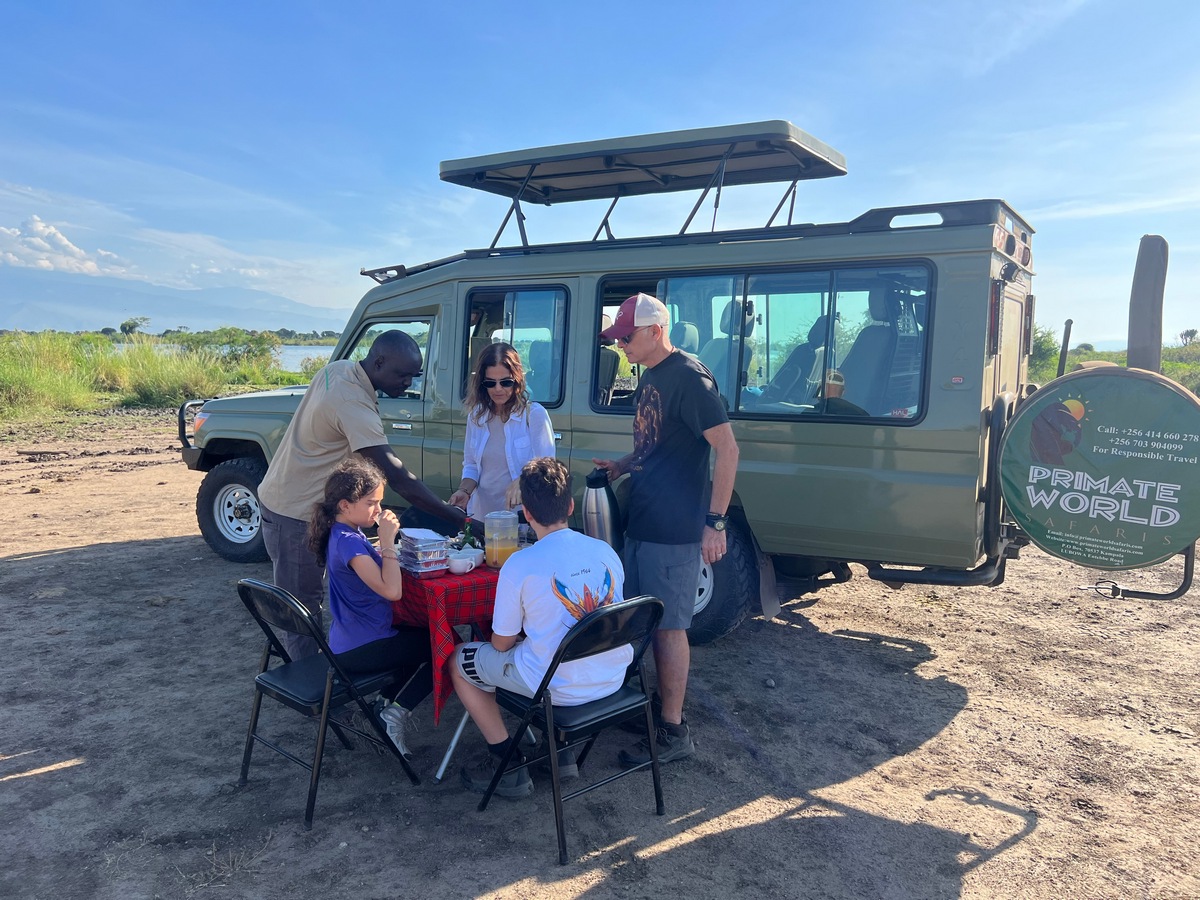
Family Safaris with Younger Children (Ages 4–7)
Designing Gentle Adventures for Little Explorers
For families traveling with younger children, East Africa offers numerous soft adventure options designed to introduce them to the wonders of nature in safe and engaging ways. Kids in this age group enjoy shorter game drives, child-friendly lodges, and playful educational activities.
Many lodges feature child-specific amenities such as kids’ pools, nature-themed playgrounds, and wildlife learning centers. Activities might include storytelling by local guides, gentle bush walks within lodge boundaries, or hands-on crafts inspired by African traditions.
Parents can also plan interactive visits to nearby communities, where children learn simple cultural practices such as bead-making, music, or dance. These activities make travel not only fun but deeply meaningful, helping young children appreciate diverse cultures early in life.
Safety and comfort are priorities. Primate World Safaris helps families choose destinations where roads, distances, and wildlife viewing conditions are suitable for children’s attention spans.
School-Age Children (Ages 6–12): The Ideal Safari Age
The Perfect Balance Between Curiosity and Understanding
Children between six and twelve years old are at the perfect stage for an immersive safari. They possess both curiosity and comprehension, allowing them to connect meaningfully with nature. This age group adapts well to moderate game drives, wildlife tracking experiences, and educational excursions.
East Africa’s parks offer ideal learning grounds for children in this range. They can spot elephants at Queen Elizabeth National Park in Uganda, lions in Kenya’s Masai Mara, or giraffes in Tanzania’s Serengeti. Junior ranger programs teach basic tracking skills, conservation ethics, and animal behavior.
These safaris are not only fun but educational, reinforcing lessons about geography, biology, and environmental responsibility. Lodges often provide engaging programs that blend learning with play, keeping children entertained while adults relax or join in on the adventure.
Teenagers (Ages 13+): Adventurous Safaris and Meaningful Learning
Transforming Curiosity into Adventure and Independence
Teenagers bring energy and enthusiasm to a safari. They crave excitement, independence, and activities that challenge them. East Africa’s landscapes provide the perfect playground for adventure and personal growth.
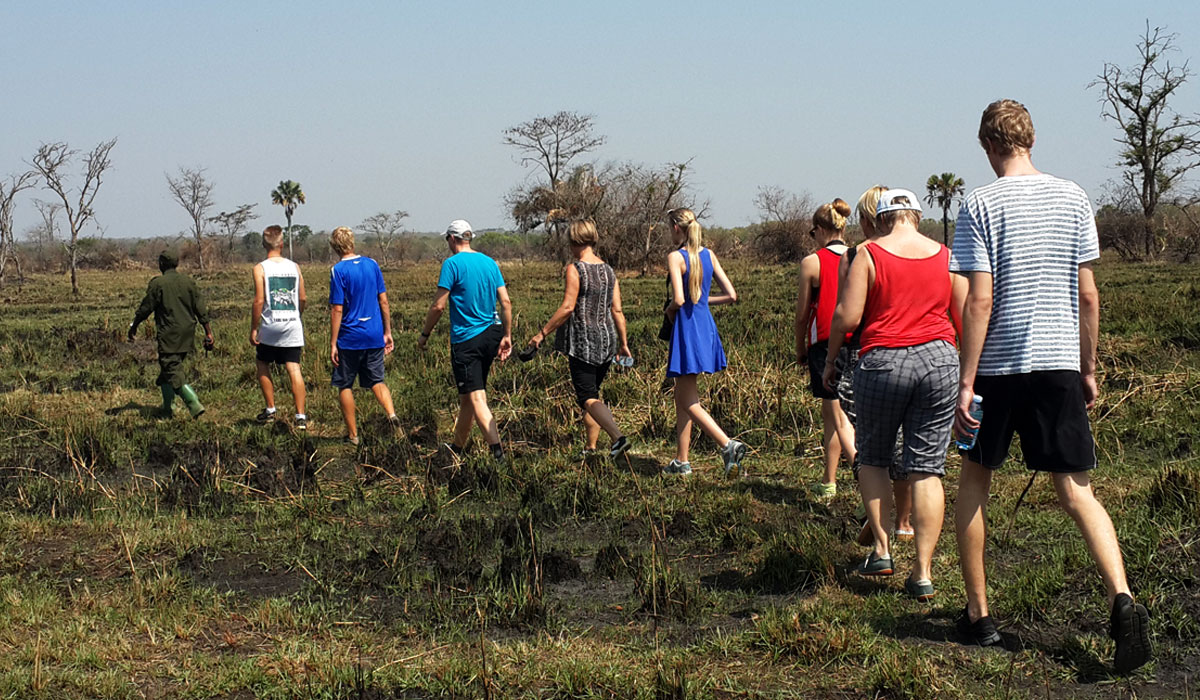
For older children, walking safaris, canoeing trips, and mountain hikes offer thrilling alternatives to game drives. In Uganda or Rwanda, trekking through lush forests to see gorillas or chimpanzees inspires awe and respect for nature. Teens also engage more deeply with conservation stories, often leaving Africa with a new perspective on sustainability and community empowerment.
Many lodges now cater specifically to teenage guests, offering Wi-Fi, social areas, and adventurous day trips. Primate World Safaris crafts itineraries that include photography experiences, volunteer opportunities, and adventure safaris that resonate with this age group.
Why Family Safaris in East Africa Are Educational
Learning Beyond the Classroom
A safari is more than a vacation; it’s a living classroom. East Africa’s diverse ecosystems teach lessons in geography, biology, and ecology through direct experience. Children witness life cycles, predator-prey dynamics, and migratory patterns that books can only describe.
Local guides enrich these moments with fascinating explanations, helping young travelers appreciate the balance of nature. Visiting conservation centers, such as Uganda Wildlife Education Centre or the David Sheldrick Wildlife Trust in Kenya, deepens understanding of wildlife protection.
Cultural experiences also add depth. Families can visit Maasai villages in Kenya, Batwa communities in Uganda, or coffee plantations in Rwanda. These encounters teach empathy, appreciation for different lifestyles, and the value of coexistence.
The Role of Family-Friendly Lodges
Comfort, Safety, and Adventure Under One Roof
Choosing the right accommodation is crucial for a successful family safari. Family-friendly lodges across East Africa offer more than comfort; they create spaces where learning and leisure blend seamlessly.
In Uganda, lodges near Murchison Falls and Queen Elizabeth National Park feature family cottages, swimming pools, and kid-friendly menus. In Tanzania, lodges in Tarangire and Ngorongoro cater to families with adjoining rooms and interactive children’s programs. Kenyan safari camps in Amboseli and Masai Mara organize nature walks and cultural evenings that captivate all ages.
Primate World Safaris partners with properties that prioritize safety, hospitality, and educational engagement. Families can relax knowing that guides and staff understand how to balance excitement and security. Evening bonfires, stargazing, and storytelling sessions create magical endings to each safari day.
Combining Gorilla Trekking and Hiking with Family Safaris
Adding Adventure and Discovery to Your Itinerary
For families seeking something extraordinary, combining traditional wildlife safaris with gorilla trekking or mountain hiking creates an unforgettable journey. Uganda and Rwanda are the heart of primate encounters, offering safe and well-guided experiences for older children and teens.
A gorilla trekking safari allows families to hike through lush rainforests, witness rare mountain gorillas, and connect with nature at a profound level. The experience instills patience, respect, and wonder. In addition, hikes in places like Mount Kilimanjaro or Uganda’s Rwenzori Mountains challenge adventurous families while rewarding them with panoramic beauty.
These combined experiences turn a simple vacation into a transformative expedition. Primate World Safaris specializes in designing itineraries that balance adventure with relaxation, ensuring each family member has a fulfilling experience.
Cultural Encounters During Family Tours
Celebrating Africa’s Living Traditions
No family safari is complete without connecting with the people who make Africa’s landscapes so vibrant. East Africa’s diverse cultures offer endless opportunities for families to learn, interact, and celebrate.
Visiting a Maasai village in Kenya or Tanzania introduces children to traditional warrior culture and ancient customs. In Uganda, families can participate in drumming workshops, basket weaving, or storytelling with the Banyankole and Baganda people. Rwanda’s cultural centers showcase dance performances and local crafts that children can join.
These activities foster global awareness and compassion, encouraging children to appreciate cultural diversity. Parents often find that these interactions leave lasting impressions that shape their children’s worldview.
Planning Tips for a Successful Family Safari
Practical Insights for Hassle-Free Adventures
When planning a family safari, preparation ensures comfort and enjoyment for everyone. Choose destinations with short travel distances between parks, minimize long drives, and include downtime between activities.
Vaccinations, travel insurance, and child-friendly meals should be organized early. Parents should also discuss safety guidelines with children before embarking on walking safaris or game drives. Lightweight clothing, binoculars, and reusable water bottles are essential packing items.
Partnering with an experienced operator like Primate World Safaris guarantees smooth logistics, knowledgeable guides, and reliable accommodations. The team understands the unique needs of families and tailors each journey to suit your preferences and your children’s ages.
Sustainability and Family Travel
Teaching Conservation Through Experience
Family safaris also provide the ideal platform for teaching environmental stewardship. Seeing wildlife in its natural habitat fosters appreciation for conservation.
Children who witness elephants or rhinos in protected parks gain a firsthand understanding of why wildlife preservation matters. Many family-friendly lodges support eco-projects, such as tree planting or school outreach, where children can participate directly.
By choosing responsible travel with Primate World Safaris, families support local communities and wildlife protection initiatives. These sustainable choices not only preserve Africa’s beauty but also inspire young travelers to care for the planet long after returning home.
The Best Age for a Family Safari with Primate World Safaris
Every age offers unique joys on safari. Younger children find wonder in the colors and sounds of nature. School-aged children learn and explore, while teenagers embrace adventure and reflection. What truly matters is crafting a journey that suits your family’s rhythm and curiosity.
East Africa remains the world’s ultimate family safari destination where wildlife, culture, and connection merge. Whether tracking gorillas in Uganda, watching the Great Migration in Kenya, or exploring Tanzania’s crater landscapes, every experience deepens family bonds.
With Primate World Safaris, families can trust expert guidance, seamless planning, and heartfelt hospitality. Our commitment to excellence ensures your safari becomes more than a vacation; it becomes a legacy of shared discovery.