
Choosing Your Safari Package
An African safari is more than just a vacation; it is a sensory journey into the heart of the natural world. It offers a rare glimpse into stunning wildlife and the raw, untamed beauty of the continent. However, given the sheer size and ecological diversity of Africa, planning your first-ever safari can feel like an overwhelming task.
The considerations are many from selecting the right countries and activities to choosing accommodation, transport, and a realistic budget. Proper planning is the difference between a stressful trip and a seamless, once-in-a-lifetime experience. This guide provides a step-by-step roadmap to help you navigate the complexities of African travel and choose a package that perfectly aligns with your dreams.
What Do You Want to Experience?
Africa is a continent of 54 countries, each with its own unique identity. The first step in planning is to decide what you actually want to see and do. By narrowing down your interests, you can quickly filter out irrelevant regions and focus on the most rewarding destinations.
Wildlife Diversity
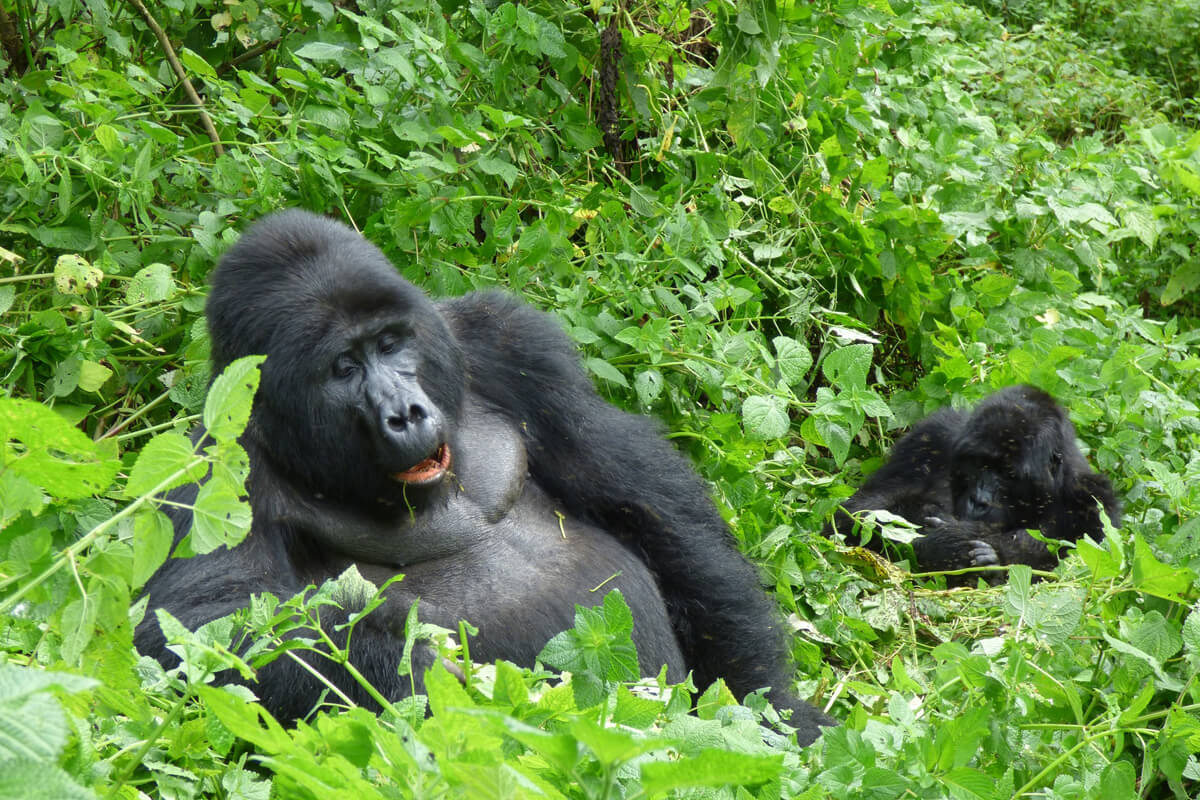
While most travelers seek the Big Five (lion, leopard, elephant, buffalo, and rhino), you might have more niche interests. Are you a birdwatcher? Do you want to see the Great Migration of over two million wildebeest? Or is your heart set on trekking through high-altitude rainforests to find endangered mountain gorillas and chimpanzees?
Cultural and Historical Immersion
Beyond the animals, Africa offers profound cultural experiences. You might want to visit the Batwa people in Uganda, the Maasai in Kenya, or the San Bushmen in Southern Africa. Alternatively, if your interests lean toward ancient history, the ruins of Great Zimbabwe or the pyramids of Egypt might be your primary focus.
Adventure and Landscapes
Perhaps you are looking for physical challenges. This could include climbing Mount Kilimanjaro in Tanzania, white-water rafting on the Nile in Uganda, or exploring the towering sand dunes of the Namib Desert. Knowing whether you want a sedentary game drive experience or an active adventure will dictate your entire itinerary.
Choosing the Right Destination
Once you have identified your interests, you will find that certain countries naturally rise to the top of your list. Africa is generally divided into several primary safari circuits.
The East African Circuit (Uganda, Rwanda, Kenya, Tanzania)
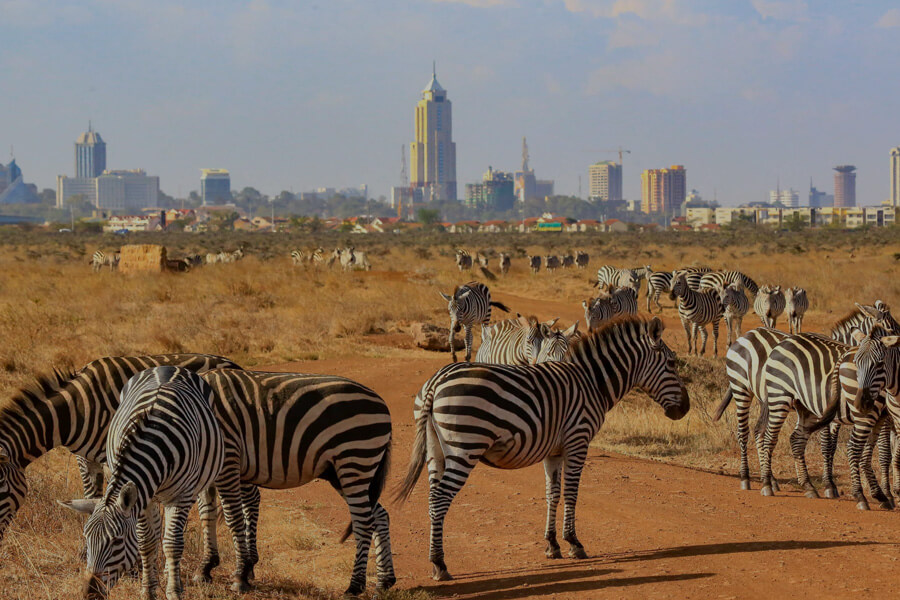
East Africa is the birthplace of the traditional safari. It is characterized by vast, open savannahs and lush tropical rainforests.
- Uganda and Rwanda: These are the premier destinations for primate trekking. If you want to see mountain gorillas, these two countries are your only viable options. Uganda also offers a savannah-meets-jungle experience, where you can see lions in the morning and chimps in the afternoon.
- Kenya and Tanzania: These countries are famous for the Great Migration. The Serengeti and Masai Mara ecosystems host the largest movement of land animals on earth. They are also the best places for classic lodge-based safaris with high densities of big cats.
The Southern African Circuit (South Africa, Botswana, Namibia, Zimbabwe)
Southern Africa offers a different feel, often with a focus on water-based safaris and rugged desert landscapes.
- Botswana: Known for the Okavango Delta, where you can explore the wilderness by traditional dugout canoe (mokoro).
- Namibia: Famous for the stark beauty of Sossusvlei and the Skeleton Coast.
- South Africa: Offers the most accessible safaris, particularly in Kruger National Park, which features world-class infrastructure and luxury lodges.
Deciding on Your Budget
Budgeting for a safari is often the most misunderstood part of the planning process. Safaris are generally more expensive than other types of international travel due to the remote locations, conservation fees, and the high cost of maintaining infrastructure in the bush.
The Three Tiers of Safari Pricing
- Budget Safaris ($200 – $350 per day): These usually involve overland trucks or shared vehicles. You may stay in large public campsites or basic guest houses outside the national parks. It is an authentic, roughing it experience.
- Mid-Range Safaris ($400 – $700 per day): This is the most popular choice. It includes comfortable tented camps or lodges with en-suite bathrooms, professional guides, and better-quality food. You typically stay inside or very close to the park boundaries.
- Luxury Safaris ($1,000 – $3,000+ per day): These offer total exclusivity. Think private plunge pools, gourmet dining in the bush, and fly-in logistics where you take small planes between camps to avoid long drives.
Hidden Costs to Factor In
When setting your budget, don’t forget the extras that aren’t always included in the package price:
- International Flights: Getting to Africa can be a major expense.
- Visas: Many African countries require visas that range from $50 to $100.
- Park Fees: In some countries, these are included in the package; in others, they are paid separately at the gate.
- Tipping: Gratuities for your guide and lodge staff are a standard and important part of the local economy.
Understanding Travel Styles
The way you choose to travel will significantly impact your daily rhythm and the quality of your wildlife sightings.
The Group or Scheduled Safari
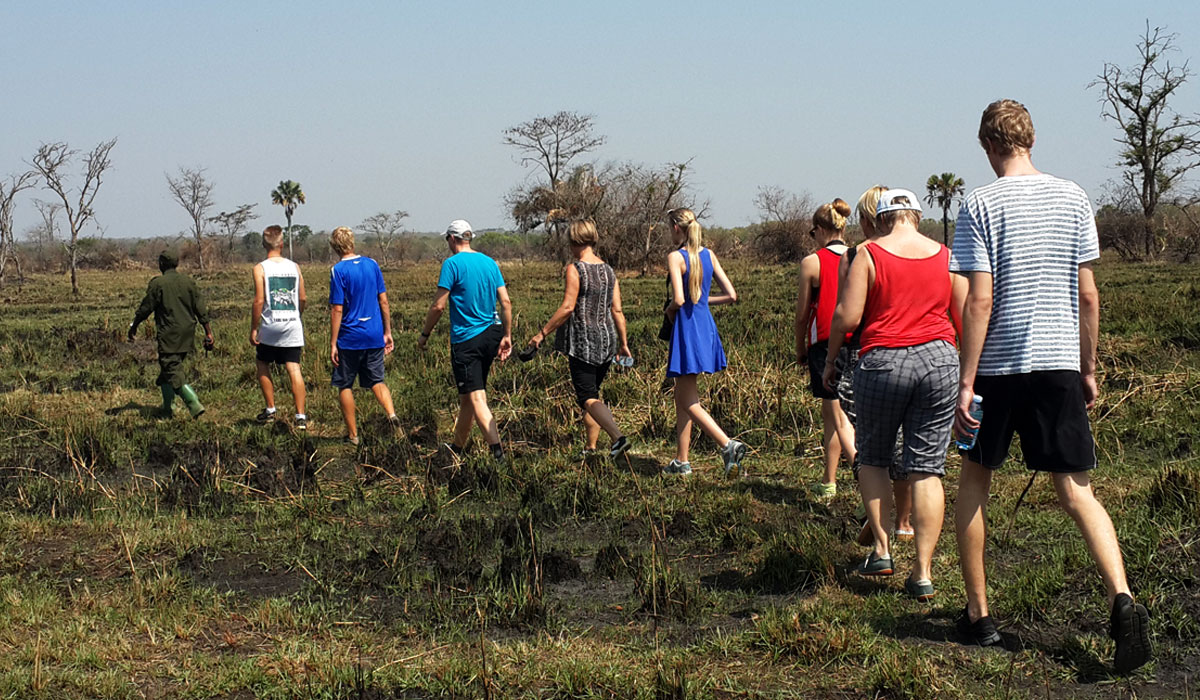
This is a pre-planned itinerary with set dates. You join a group of fellow travelers, which makes it a highly social and cost-effective option. However, you have less flexibility. If the group wants to spend two hours watching a bird and you want to find a lion, you must compromise.
The Private Safari
A private safari gives you a dedicated vehicle and a personal guide. This is the gold standard for many travelers. You can start your day whenever you like and stay at a sighting for as long as you want. For photographers or families, the private option is almost always worth the extra investment.
The Family Safari
Traveling with children requires a specific type of planning. Not all lodges accept children under a certain age (often 6 or 12). A dedicated family safari focuses on lodges with Junior Ranger programs and shorter game drives to keep younger children from getting safari fatigue.
Timing Your Visit
Africa does not have the traditional four seasons. Instead, it is governed by Dry and Wet seasons.
The Dry Season (The Peak Season)
In most of East and Southern Africa, the dry season (usually June to September) is the best time for wildlife viewing. As the landscape dries up, animals congregate around permanent water holes, making them much easier to find. The grass is also shorter, so leopards and lions can’t hide as easily. The downside? This is the most expensive time to travel, and the parks can be crowded.
The Wet Season (The Green Season)
The rainy season (often October to May, with variations) turns the landscape into a lush, green paradise.
- Pros: Lower prices, fewer crowds, and incredible birdwatching as migratory species arrive. It is also the calving season, where you can see many baby animals.
- Cons: Thick vegetation makes spotting predators difficult. Some roads may become impassable due to mud, and some lodges close down.
Where to Stay
Your accommodation choice isn’t just about where you sleep; it’s about how close you want to be to nature.
Permanent Luxury Lodges
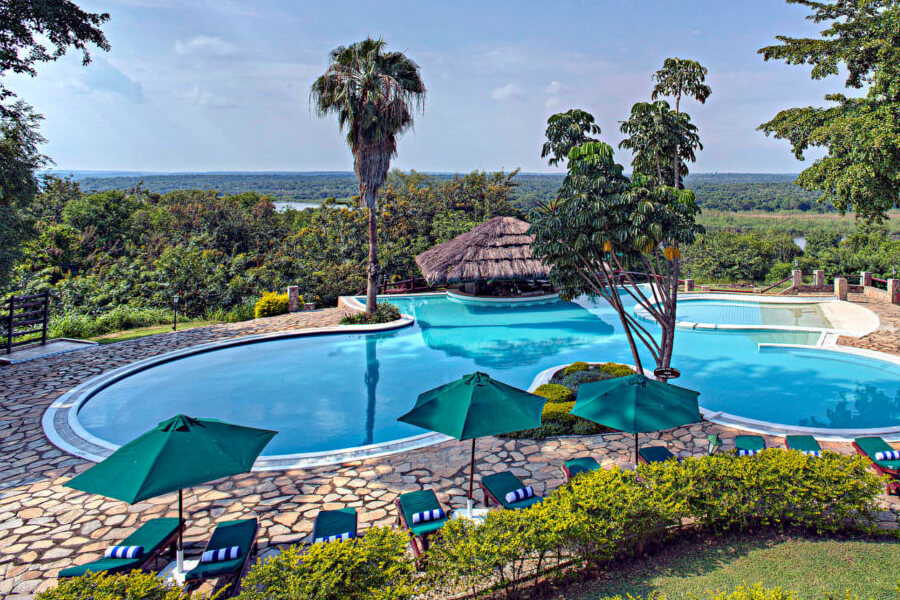
These are solid structures, often built with local stone and wood. They offer the most comfort, including air conditioning, swimming pools, and high-speed internet. They are perfect for travelers who want to return to total comfort after a dusty day in the bush.
Tented Camps
Don’t be fooled by the word tent. A luxury tented camp often features hardwood floors, king-sized beds, and bucket showers or full en-suite plumbing. Staying in a tent allows you to hear the sounds of the night the roar of a lion or the whoop of a hyena with only a layer of canvas between you and the wild.
Mobile or Fly-Camps
For the true adventurer, mobile camps move with the wildlife (especially the Great Migration). These are more basic but offer the most immersive experience possible.
The Importance of a Reputable Tour Operator
Choosing the right company to handle your logistics is the single most important decision you will make. A local operator like Primate World Safaris brings over a decade of expertise to your itinerary.
Why Local Expertise Matters
A reputable operator understands the on-the-ground reality. They know which roads are washed out, which guides are the most knowledgeable, and which lodges have maintained their standards. They handle the boring but vital stuff: securing difficult-to-get gorilla permits, arranging airport transfers, and providing 24/7 support while you are in the country.
Responsible Tourism
Tourism should benefit the land and its people. Choose an operator that prioritizes conservation and supports local communities. This ensures that your travel dollars help protect the very animals you came to see.
Final Preparations
As your departure date approaches, you need to handle the practicalities of international travel.
Health and Vaccinations
Check with a travel clinic at least two months before you leave. You may need a Yellow Fever certificate (mandatory for entry into many countries) and malaria prophylactics.
Packing the Right Gear
- Colors: Wear neutral tones khaki, tan, and olive green. Avoid bright colors that startle animals and dark blue or black, which attract Tsetse flies.
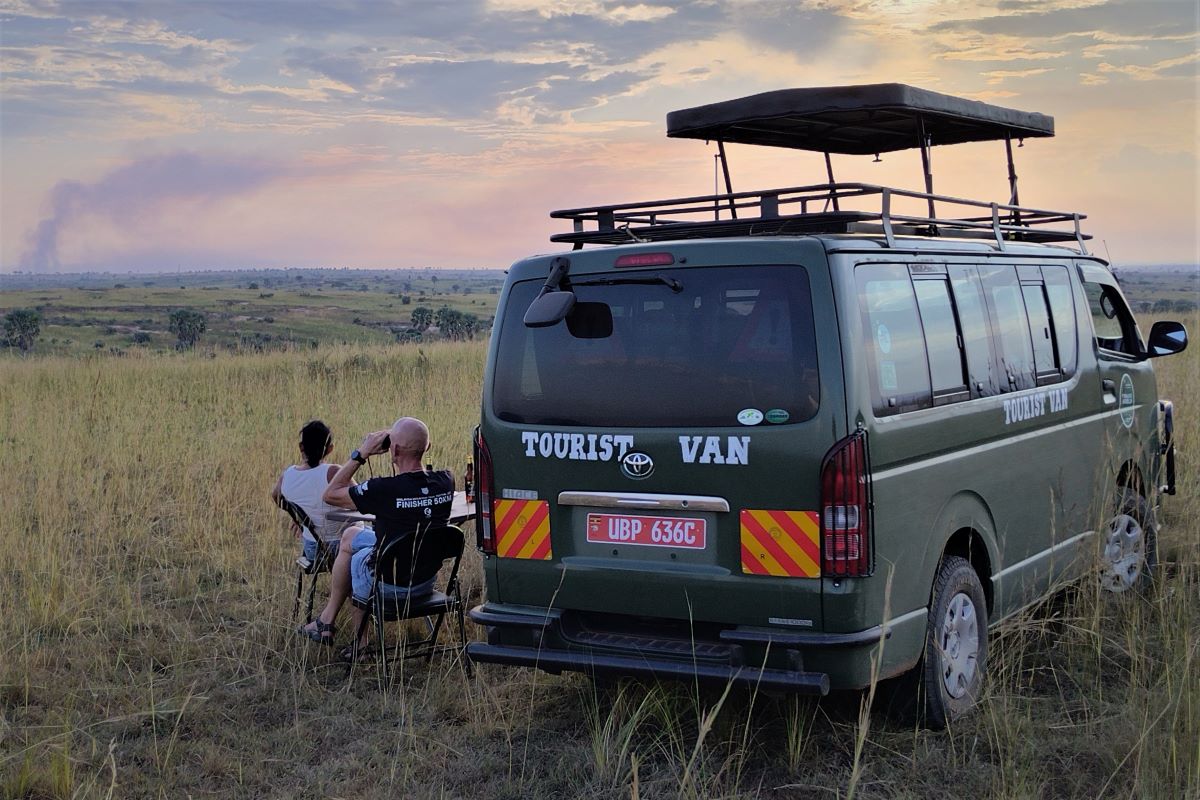
- Optics: A good pair of binoculars (8×42 is the standard) is more important than a fancy camera.
- Layers: Even in Africa, the mornings are freezing. Bring a warm fleece or light down jacket for early morning game drives.
Respecting the Wild
Remember that you are a guest in the animals’ home. Never shout at the wildlife, don’t throw trash, and always follow your guide’s instructions. Learning a few words of the local language goes a long way in building rapport with the local people.
Final Thoughts
They say that once you get the safari bug, you will never be the same. The first trip is often just the beginning of a lifelong love affair with the African continent. By taking the time to plan your interests, budget, and travel style properly, you ensure that your first experience is everything you hoped for and more.
Africa is a place of profound silence, explosive life, and humbling beauty. Whether you are watching a mother gorilla tend to her infant in the Bwindi rainforest or witnessing a lion hunt on the plains of the Serengeti, these moments will stay with you forever.