
When to Visit for Gorilla Trekking, Big Game Safaris & Birding: The Complete Safari Calendar
Uganda is one of Africa’s few destinations where you can experience mountain gorillas, chimpanzees, the Big Five, over 1,090 bird species, breathtaking waterfalls, volcanic landscapes, and authentic cultural encounters within a single itinerary.
Unlike destinations where wildlife experiences peak during only one migration season, Uganda offers incredible safari opportunities throughout the year. However, every month has unique advantages depending on what you want to see.
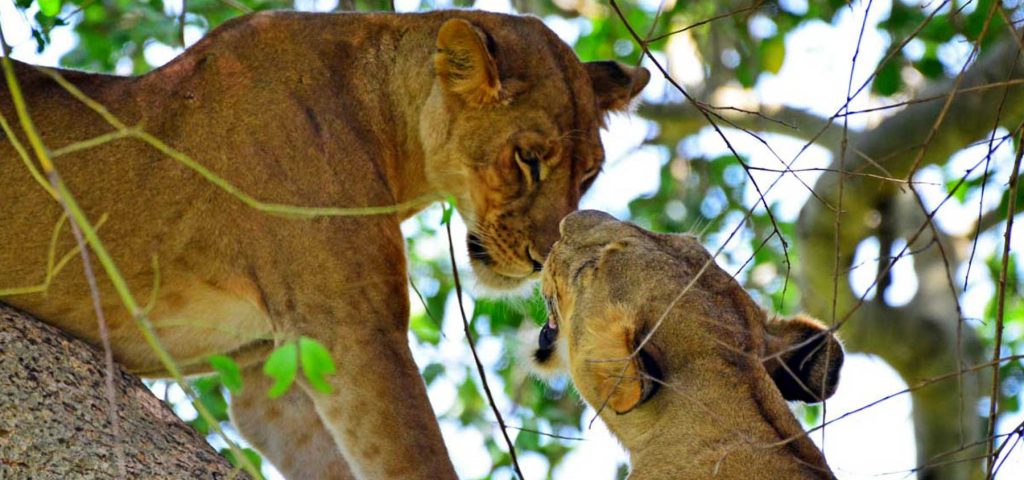
If your dream is photographing lions climbing fig trees in Queen Elizabeth National Park, tracking endangered mountain gorillas in Bwindi Impenetrable Forest, watching thousands of migratory birds around Mabamba Swamp, or cruising beneath the thunderous Murchison Falls, choosing the right month can dramatically improve your safari experience.
This detailed guide explains exactly what to do every month in Uganda, where to go, what wildlife you can expect, weather conditions, and how to plan the perfect safari itinerary.
Quick Uganda Safari Calendar
| Month | Weather | Best Activities |
| January | Dry | Gorilla trekking, game drives, and photography |
| February | Dry | Wildlife viewing, chimpanzees, boat cruises |
| March | Beginning of the rains | Birding, fewer crowds |
| April | Wet | Budget safaris, forest walks |
| May | Green season | Photography, discounted lodges |
| June | Dry season | Gorilla trekking, Big Five safaris |
| July | Peak season | Wildlife viewing, family safaris |
| August | Peak season | Game drives, hiking, and cultural tours |
| September | Dry transitioning | Wildlife photography |
| October | Light rains | Birdwatching, chimpanzees |
| November | Green season | Scenic landscapes, bird migration |
| December | Dry | Holiday safaris, gorilla trekking |
Why Uganda Is a Year-Round Safari Destination
Many travelers assume East African safaris are only worthwhile during migration seasons. Uganda is different.
The country’s varied ecosystems mean there is always something extraordinary happening somewhere.
Uganda offers:
- Mountain gorilla trekking
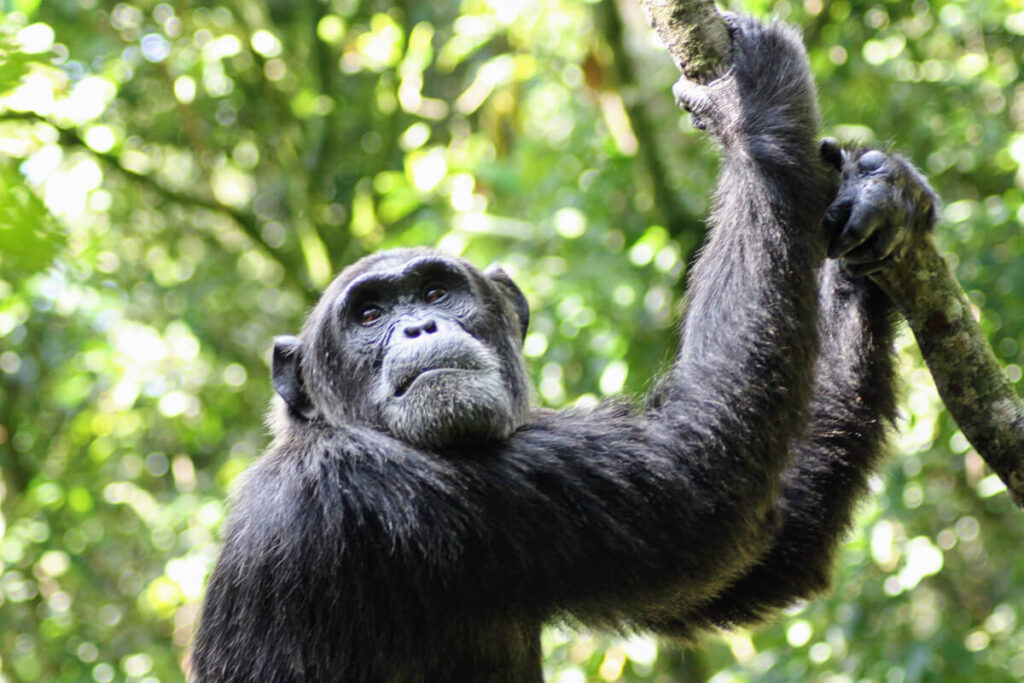
- Chimpanzee tracking
- Big Five game drives
- Tree-climbing lions
- Nile boat safaris
- White-water rafting
- Birdwatching
- Hiking
- Golden monkey trekking
- Rhino tracking
- Cultural experiences
- Community tourism
Because Uganda sits on the equator, temperatures remain relatively stable throughout the year.
Average daytime temperatures range between 22°C and 29°C (72–84°F), while mountainous regions remain cooler.
Instead of extreme seasonal temperature changes, Uganda experiences alternating dry seasons and rainy seasons, each creating unique wildlife experiences.
Uganda’s Two Dry Seasons
Understanding Uganda’s climate is the key to planning the perfect safari.
June to August
This is considered Uganda’s primary safari season.
Why?
Roads remain dry.
Animals gather around permanent water sources.
Vegetation becomes thinner, making wildlife easier to spot.
Photography conditions are excellent.
Most luxury safari lodges operate at full capacity.
Expect:
- Excellent game viewing
- Comfortable trekking conditions
- Sunny days
- High demand
- Peak accommodation prices
This is the preferred season for first-time visitors.
December to February
The second dry season is equally rewarding.
Many experienced safari guides actually prefer January and February because:
- Wildlife concentrates near rivers.
- Visibility improves.
- Gorilla trekking trails are less muddy.
- Boat cruises become spectacular.
- Birds begin breeding displays.
Holiday travelers make December busy, while January and February often offer outstanding wildlife with slightly fewer visitors.
Uganda’s Green Seasons
March to May
These months receive the highest rainfall.
Instead of avoiding Uganda during this period, savvy travelers take advantage of several benefits.
The forests become lush.
Birdlife explodes.
Waterfalls reach peak flow.
Landscape photography becomes spectacular.
Lodges often reduce prices.
National parks become quieter.
Game viewing remains excellent despite thicker vegetation.
September to November
Rainfall is generally lighter than during April and May.
This period offers an excellent balance between green scenery and enjoyable safari conditions.
Many photographers intentionally visit Uganda during October and November because dramatic skies produce incredible sunrise and sunset images.
Best Safari Activities in January
January consistently ranks among Uganda’s finest safari months.
Following the December rains, vegetation remains fresh while game viewing becomes increasingly productive.
Gorilla Trekking
January offers:
- Dry hiking trails
- Comfortable temperatures
- Excellent visibility
- Less slippery terrain
Bwindi Impenetrable National Park and Mgahinga Gorilla National Park are both exceptional choices.
Mountain gorilla families remain active throughout the year, but hikers appreciate January’s relatively dry forest conditions.
Game Drives
The dry weather makes wildlife easier to locate.
Top parks include:
- Murchison Falls National Park
- Queen Elizabeth National Park
- Kidepo Valley National Park
- Lake Mburo National Park
Expect sightings of:
- Lions
- Leopards
- Elephants
- Buffalo
- Giraffes
- Uganda Kob
- Hyenas
- Warthogs
Early morning drives frequently produce predator encounters before temperatures rise.
Chimpanzee Tracking
January provides excellent trekking conditions in:
- Kibale National Park
- Budongo Forest
- Kyambura Gorge
Chimpanzees remain highly active in the morning, creating unforgettable encounters as they feed, groom, and communicate within their troops.
Nile Boat Cruises
One of Uganda’s most underrated safari activities.
A cruise toward Murchison Falls offers opportunities to observe:
- Nile crocodiles
- Hippos
- African fish eagles
- Elephants
- Buffalo
- Giant kingfishers
- Goliath herons
Few African river cruises rival this experience.
January Wildlife Highlights
Wildlife photographers especially enjoy January because of the clean atmosphere and bright natural light.
Excellent photographic subjects include:
- Rothschild’s giraffes
- Tree-climbing lions
- African elephants
- Martial eagles
- Shoebill storks
- Saddle-billed storks
- Grey crowned cranes
- Hippos
Best Safari Activities in February
February continues the outstanding dry-season conditions established in January.
Many safari operators consider February one of the most reliable wildlife-viewing months in Uganda.
The combination of warm days, minimal rainfall, and excellent road conditions allows visitors to explore multiple national parks with ease.
Gorilla Trekking in February
February is among the easiest months for hiking through Bwindi Impenetrable National Park.
Advantages include:
- Firmer forest trails
- Lower chance of heavy rain during treks
- Better visibility for photography
- Comfortable trekking temperatures
Although gorilla sightings are never guaranteed to occur in open clearings, the drier conditions often make following habituated families easier than during the rainy seasons.
Game Drives
As water sources become more limited, wildlife concentrates around rivers, wetlands, and permanent watering points.
This increases your chances of seeing:
- African elephants
- Lions
- Leopards
- Buffalo
- Uganda kob
- Waterbuck
- Oribi
- Jackson’s hartebeest
Best Safari Activities in February
February is also one of Uganda’s best months for combining multiple safari experiences into one itinerary. A typical 10-day safari can comfortably include gorilla trekking, chimpanzee tracking, game drives, and a Nile boat cruise without significant weather interruptions.
Best Places to Visit in February
- Bwindi Impenetrable National Park – Mountain gorillas
- Queen Elizabeth National Park – Lions, elephants, buffalo, boat cruises
- Murchison Falls National Park – Big game and waterfalls
- Kibale National Park – Chimpanzees
- Lake Mburo National Park – Walking safaris and zebras
Travel Tip: Reserve gorilla permits at least 6–12 months in advance if traveling during February, as it is one of the busiest safari months.
Best Safari Activities in March
March marks the beginning of Uganda’s first rainy season, but don’t let that discourage you. Light afternoon showers often leave mornings clear for safari activities, while the landscape transforms into lush green scenery.
For photographers and birdwatchers, March is one of Uganda’s hidden gems.
Gorilla Trekking
Mountain gorillas remain active throughout the year, and March offers unique advantages:
- Fewer tourists
- More peaceful trekking experience
- Beautiful green rainforest backdrops
- Better lodge availability
The forest may become slightly muddy, so waterproof hiking boots and gaiters are highly recommended.
Birdwatching
March is one of the best months to experience Uganda’s reputation as Africa’s premier birding destination.
Uganda is home to over 1,090 recorded bird species, including many Albertine Rift endemics.
Top birding locations include:
- Mabamba Swamp
- Bwindi Impenetrable Forest
- Semuliki National Park
- Queen Elizabeth National Park
- Bigodi Wetland Sanctuary
Bird enthusiasts may encounter:
- Shoebill Stork
- African Green Broadbill
- Great Blue Turaco
- Papyrus Gonolek
- Grey Crowned Crane
- Ross’s Turaco
Wildlife Photography
March produces:
- Vibrant green landscapes
- Dramatic storm clouds
- Colorful sunsets
- Crystal-clear waterfalls
These conditions create stunning safari photography rarely seen during the dry season.
Best Safari Activities in April
April is Uganda’s wettest month, making it perfect for travelers seeking quieter parks and discounted luxury accommodations.
Why Visit in April?
Many visitors mistakenly avoid April, yet experienced safari travelers appreciate its unique advantages.
Benefits include:
- Lower accommodation prices
- Fewer safari vehicles
- Quiet gorilla trekking groups
- Spectacular waterfalls
- Fresh green scenery
Gorilla Trekking
Although trails become muddy, gorilla sightings remain excellent.
In fact, gorillas often spend more time at lower elevations where food is abundant during the rainy season.
This can sometimes reduce hiking distances compared to the dry season.
Nature Walks
April is ideal for:
- Forest walks
- Botanical tours
- Butterfly watching
- Community tourism
- Cultural experiences
The forests come alive with frogs, insects, orchids, and flowering plants.
Waterfalls
If waterfalls are on your bucket list, April is unmatched.
Visit:
- Murchison Falls
- Sipi Falls
- Itanda Falls
- Karuma Falls
The increased rainfall creates breathtaking cascades perfect for photography.
Best Safari Activities in May
May continues Uganda’s green season while rainfall gradually decreases toward the end of the month.
Why May Is Underrated
Travelers visiting in May often enjoy:
- Exceptional lodge discounts
- Better safari availability
- Green landscapes
- Excellent photography
- Productive birdwatching
Chimpanzee Tracking
Kibale National Park remains one of Africa’s finest destinations for chimpanzee encounters.
Chimpanzees frequently forage in lower sections of the forest where fruit is plentiful.
Expect exciting observations of:
- Feeding
- Social grooming
- Vocal communication
- Family interactions
Scenic Boat Cruises
Water levels remain high throughout Uganda’s rivers and lakes.
Excellent cruises include:
- Kazinga Channel
- Nile River
- Lake Victoria
- Lake Albert
Boat safaris provide outstanding opportunities to photograph hippos, crocodiles, elephants, buffalo, and water birds.
Best Safari Activities in June
June marks the beginning of Uganda’s longest dry season and one of the country’s premier safari periods.
For many travelers, June offers the ideal balance between pleasant weather, outstanding wildlife viewing, and manageable visitor numbers.
Gorilla Trekking
June consistently ranks among the best months for gorilla trekking because:
- Forest trails dry considerably.
- Hiking becomes less strenuous.
- Photography conditions improve.
- Comfortable daytime temperatures reduce fatigue.
Visitors tracking gorillas in Bwindi or Mgahinga often enjoy clearer forest visibility, making it easier to observe family interactions and capture memorable photographs.
Big Five Safaris
June is an exceptional month for searching for the Big Five.
Recommended destinations:
Murchison Falls National Park
Look for:
- Lions
- Leopards
- Elephants
- Buffalo
- Rothschild’s giraffes
- Hyenas
Ziwa Rhino Sanctuary
Complete your Big Five checklist by tracking southern white rhinos on foot with experienced rangers.
Queen Elizabeth National Park
June offers excellent opportunities to spot:
- Tree-climbing lions in Ishasha
- African elephants
- Hippos
- Giant forest hogs
- Uganda kob
- Spotted hyenas
- Nile crocodiles
The Kazinga Channel boat safari remains one of Uganda’s highest-rated wildlife experiences.
Adventure Activities
The dry season also makes June ideal for:
- Hiking the Rwenzori Mountains
- Cycling safaris
- Nature walks
- Cultural village tours
- Hot air balloon safaris (where available)
- Wildlife photography workshops
Uganda Safari Packing Guide by Season
Dry Season (December–February & June–August)
Pack:
- Lightweight safari clothing
- Neutral-colored shirts
- Wide-brim hat
- Sunglasses
- Sunscreen
- A camera with a telephoto lens
- Binoculars
- Hiking boots
- Refillable water bottle
Rainy Season (March–May & September–November)
Bring:
- Waterproof jacket
- Waterproof backpack cover
- Quick-dry trousers
- Extra socks
- Insect repellent
- Gaiters
- Waterproof hiking boots
- Dry bags for electronics
Best National Parks by Activity
| Activity | Best National Park |
| Gorilla Trekking | Bwindi Impenetrable National Park |
| Chimpanzee Tracking | Kibale National Park |
| Big Five Safari | Murchison Falls National Park + Ziwa Rhino Sanctuary |
| Tree-Climbing Lions | Queen Elizabeth National Park (Ishasha Sector) |
| Walking Safari | Lake Mburo National Park |
| Birdwatching | Mabamba Swamp & Semuliki National Park |
| Luxury Safari | Murchison Falls & Queen Elizabeth National Park |
| Adventure Travel | Jinja & Rwenzori Mountains |
Best Safari Activities in July
July is one of Uganda’s busiest safari months and for good reason. Dry weather, clear skies, and excellent wildlife visibility make it ideal for first-time visitors and returning safari enthusiasts alike.
Gorilla Trekking
July offers some of the easiest trekking conditions of the year.
Highlights include:
- Dry forest trails
- Comfortable temperatures
- Clear photography opportunities
- High success rate of gorilla sightings
Permits often sell out months in advance, so early booking is essential.
Wildlife Safaris
July is perfect for game drives in:
- Murchison Falls National Park
- Queen Elizabeth National Park
- Kidepo Valley National Park
- Lake Mburo National Park
Expect to see:
- Lions
- Leopards
- African elephants
- Cape buffalo
- Rothschild’s giraffes
- Uganda kob
- Waterbuck
- Jackson’s hartebeest
Morning and evening game drives are particularly rewarding.
Best Safari Activities in August
August continues the dry season with exceptional wildlife viewing across Uganda.
Top Experiences
- Gorilla trekking
- Chimpanzee habituation experiences
- Walking safaris
- Nile boat cruises
- Birdwatching
- Photography safaris
August is also one of the best months for family safaris thanks to predictable weather and excellent road conditions.
Best Safari Activities in September
September marks the transition toward the short rainy season, but most parks remain easily accessible.
Why Visit in September?
Advantages include:
- Slightly fewer visitors
- Pleasant temperatures
- Green landscapes are beginning to return
- Excellent wildlife sightings
Photography enthusiasts enjoy softer lighting and dramatic cloud formations.
Best Safari Activities in October
October brings light rains that rejuvenate Uganda’s forests and grasslands.
Chimpanzee Tracking
October is an excellent month to visit Kibale National Park.
Chimpanzees are active year-round, and the fresh vegetation provides beautiful rainforest scenery.
Birdwatching
Migratory birds begin arriving.
Popular birding destinations include:
- Mabamba Swamp
- Bigodi Wetland Sanctuary
- Queen Elizabeth National Park
- Lake Mburo National Park
October is particularly rewarding for spotting the iconic Shoebill Stork.
Best Safari Activities in November
November transforms Uganda into a lush, green paradise.
Perfect For
- Landscape photography
- Luxury lodge offers
- Birdwatching
- Cultural tourism
- Scenic road trips
Waterfalls reach impressive volumes, and forests appear vibrant after seasonal rains.

Best Safari Activities in December
December marks the beginning of Uganda’s second dry season and coincides with the festive holiday period.
It is one of the most popular months for international visitors.
Top December Experiences
- Gorilla trekking
- Christmas safaris
- Luxury safari holidays
- Family vacations
- Wildlife photography
- Boat cruises
- Big Five safaris
Expect excellent weather and abundant wildlife throughout Uganda’s major national parks.
Uganda Wildlife Calendar
| Wildlife Experience | Best Months |
| Gorilla Trekking | January–February, June–September, December |
| Chimpanzee Tracking | December–March, June–October |
| Big Five Safari | January–March, June–September, December |
| Tree-Climbing Lions | June–September, January–February |
| Birdwatching | March–May, October–November |
| Shoebill Tracking | October–April |
| Boat Safaris | All year |
| Walking Safaris | June–September, December–February |
| Wildlife Photography | January–February, June–September |
Frequently Asked Questions
What is the best month for a safari in Uganda?
June, July, August, January, and February generally offer the best conditions for gorilla trekking, wildlife viewing, and photography due to drier weather and improved road access.
Can you visit Uganda all year?
Yes. Uganda is a year-round safari destination. Each season offers unique experiences, from lush green landscapes and birdwatching during the rainy months to excellent wildlife viewing during the dry seasons.
Which Park is best for first-time visitors?
Murchison Falls National Park is an excellent choice because it combines classic African game drives, the Nile River, dramatic waterfalls, boat safaris, and abundant wildlife.
Is gorilla trekking worth it?
Absolutely. Uganda is home to nearly half of the world’s remaining mountain gorillas, and spending one hour observing a habituated gorilla family is widely regarded as one of Africa’s most unforgettable wildlife experiences.
How many days do I need for a Uganda safari?
A 7–10 day itinerary allows enough time to combine gorilla trekking, chimpanzee tracking, game drives, and a boat safari. Travelers with 12–14 days can also include Kidepo Valley National Park, the Rwenzori Mountains, or cultural experiences.
Is Uganda safe for safari?
Uganda is considered one of East Africa’s leading safari destinations. Guided safaris in national parks are well-managed by the Uganda Wildlife Authority and licensed tour operators. As with any international travel, follow official travel advisories and your guide’s instructions.
Why Choose Uganda for Your Next Safari?
Uganda offers a rare combination of experiences that few destinations can match. In one journey, you can stand face-to-face with endangered mountain gorillas, track wild chimpanzees, cruise the Nile beneath Murchison Falls, search for tree-climbing lions in Ishasha, and encounter more than 1,090 bird species.
Unlike destinations focused on a single seasonal event, Uganda rewards visitors throughout the year with diverse ecosystems, welcoming communities, and unforgettable wildlife encounters. Whether you’re planning a luxury honeymoon, a family adventure, a photography expedition, or your first African safari, there’s a perfect month to experience the Pearl of Africa.
The best safari is the one planned around your interests. By matching your travel dates with the activities highlighted in this guide, you’ll maximize wildlife sightings, enjoy the best weather for your preferred adventures, and create memories that last a lifetime.