
When, Where & How to See Africa’s Greatest Wildlife Spectacle
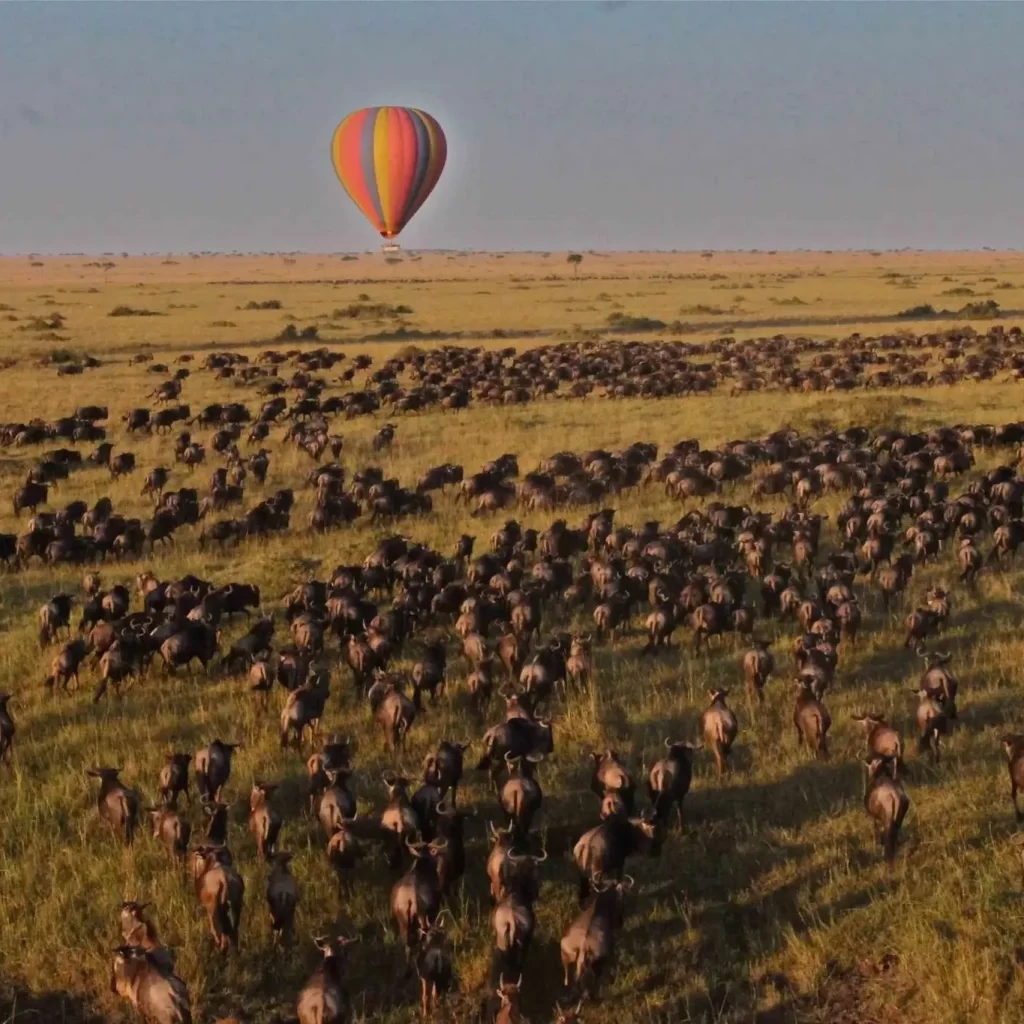
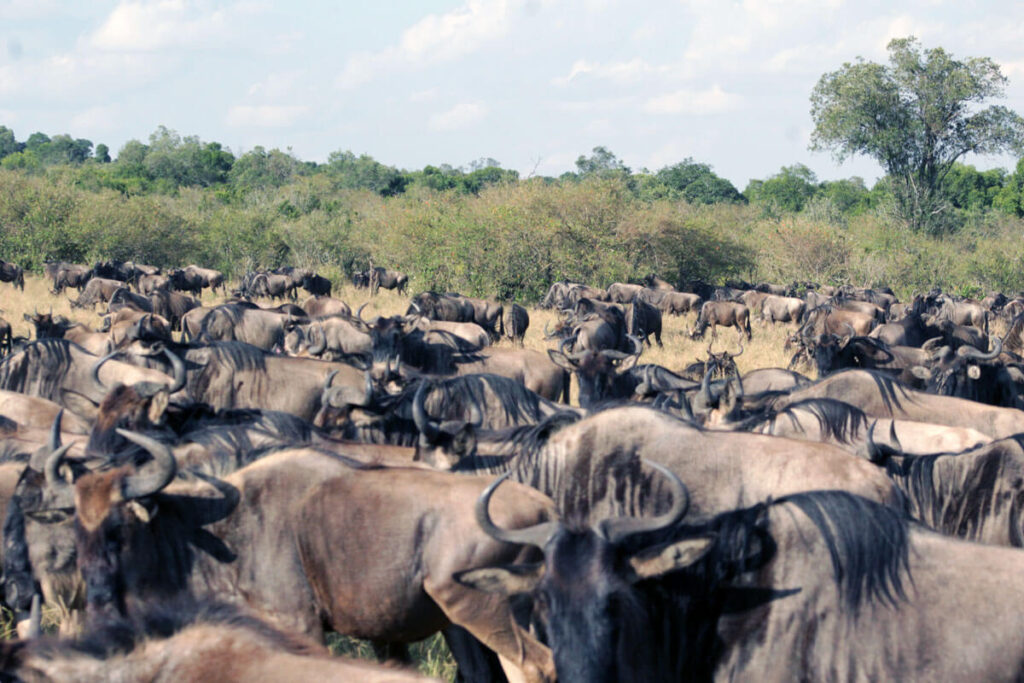
The Great Migration safari is one of the most extraordinary wildlife experiences on Earth. Every year, more than 1.5 million wildebeest, alongside hundreds of thousands of zebras and gazelles, move across the Serengeti–Masai Mara ecosystem in a continuous search for fresh grazing and water.
This journey is not a single event but a year-round survival cycle filled with river crossings, predator encounters, calving seasons, and dramatic stampedes that define African wilderness at its most raw and powerful.
In this complete guide, you will discover:
- When to see the Great Migration month by month
- Where to go in Tanzania and Kenya
- How river crossings actually work
- Best safari activities and experiences
- Costs, lodges, and planning strategies
- Expert tips for maximizing your safari
What Is the Great Migration?
The Great Wildebeest Migration safari follows one of the last remaining large-scale animal movements on Earth.
Key Species Involved
- 1.5 million wildebeest
- 200,000+ zebras
- Thousands of gazelles
- Predators, including lions, cheetahs, hyenas, and crocodiles
Why It Happens
The migration is driven by rainfall and fresh grass. Animals constantly move in a clockwise circular route between Tanzania and Kenya following seasonal rains.
Why It Is Famous
- Mara River crossings
- Predator-prey interactions
- Over 500,000 wildebeest births during calving season
- Massive moving herds visible from the air
Great Migration Calendar (Month-by-Month Guide)
January – March: Calving Season (Southern Serengeti)
- Location: Ndutu Plains
- Event: Over 500,000 calves born
- Highlights: Lion hunts, cheetah chases, hyena activity
Best for: predator action & photography safaris
April – May: Movement Phase (Central & Western Serengeti)
- Herds begin moving northwest
- Fewer tourists and green landscapes
- Strong grazing and herd movement
Best for: budget safaris & scenic photography
June: Grumeti River Crossings (Western Serengeti)
- First major river crossings
- Nile crocodile encounters
- Intense but less crowded than Mara
Best for: exclusive safari experiences
July – August: Mara River Crossings (Peak Season)
- Location: Northern Serengeti & Masai Mara
- Millions of animals crossing rivers
- Most dramatic wildlife event in Africa
Best for: iconic safari experience
September – October: Masai Mara Grazing Season
- Herds spread across the Masai Mara plains
- High predator density
- Stable wildlife viewing
Best for: Big Five safaris
November: Return Migration
- Herds move back south to Tanzania
- Green landscapes return
Best for: quiet safaris
December: Southern Serengeti Return
- Cycle resets in the Ndutu plains
- Early movement toward calving season
Where to See the Great Migration
Southern Serengeti (Ndutu)
Best for calving season and predator action.
- Lions hunting on open plains
- Thousands of newborn wildebeest
- Cheetah and hyena encounters
Central Serengeti
Best year-round wildlife region.
- Leopards in river forests
- Lions on kopjes
- Resident wildlife throughout the year
Western Serengeti (Grumeti)
Best for early river crossings.
- Crocodile-filled rivers
- Fewer crowds
- Exclusive safari experiences
Northern Serengeti
Best for Mara River crossings.
- Peak migration action
- Massive herds crossing rivers
- High predator concentration
Masai Mara (Kenya)
Best for iconic river crossings and Big Five sightings.
- Open savannah landscapes
- River crossing drama
- High predator density
Wildlife You Will See
Herbivores
- Wildebeest
- Zebras
- Gazelles
- Eland and hartebeest
Predators
- Lions
- Leopards
- Cheetahs
- Hyenas
- Crocodiles
Other Wildlife
- Elephants
- Buffalo
- Giraffes
- Hippos
Safari Activities During the Migration
Game Drives
Morning and evening drives tracking herds and predators.
Hot Air Balloon Safaris
Aerial sunrise views over moving herds in the Serengeti or Masai Mara.
Walking Safaris
Guided bush walks in controlled areas for an immersive wildlife experience.
Photography Safaris
Specialized safaris for capturing river crossings and predator hunts.
Mobile Luxury Camps
Camps that move with the migration for maximum proximity.
How to Plan a Great Migration Safari
Step 1: Choose Your Season
- Jan–Mar → Calving
- Jul–Oct → River crossings
Step 2: Choose Country
- Tanzania = longer migration access
- Kenya = peak crossings
Step 3: Choose Safari Type
- Budget
- Mid-range
- Luxury
- Fly-in safari
Step 4: Book Early
Peak season requires booking 6–12 months in advance.
Great Migration Safari Cost
Budget Safari
$200–$350/day
- Group tours
- Basic lodges
Mid-Range Safari
$350–$700/day
- Comfortable lodges
- Better guides
Luxury Safari
$700–$2,000+/day
- Private vehicles
- Premium camps
- Prime locations
Tanzania vs Kenya: Which Is Better?
Tanzania Advantages
- Longer migration season
- Calving season access
- Fewer crowds
Kenya Advantages
- Best river crossings
- High predator density
- Easy safari logistics
Best option: Combine both for a full experience.
Best Safari Lodges & Camps
Southern Serengeti
- Ndutu Safari Lodge
- Lemala Ndutu Camp
Central Serengeti
- Four Seasons Safari Lodge
- Kubu Kubu Tented Lodge
Northern Serengeti
- Sayari Camp
- Serengeti Under Canvas
Masai Mara
- Governors’ Camp
- Bateleur Camp
Photography Tips
- Use telephoto lenses (100–400mm or higher)
- Shoot during golden hours
- Focus on river crossings for action shots
- Protect gear from dust
Packing List
- Neutral clothing
- Binoculars
- Camera equipment
- Sunscreen
- Light jacket
- Insect repellent
Responsible Safari Travel
- Stay in eco-lodges
- Respect wildlife distance
- Avoid off-road driving
- Support local communities
FAQs
What is the best time for a Great Migration safari?
July–October for river crossings and January–March for calving.
Where is the Great Migration located?
Between Tanzania’s Serengeti and Kenya’s Masai Mara.
Can you see the migration year-round?
Yes, but the location changes monthly.
What is the Mara River crossing?
A dramatic predator-filled river crossing between Tanzania and Kenya.
Which is better: Kenya or Tanzania?
Tanzania for duration, Kenya for dramatic crossings.
Conclusion
The Great Migration safari is the ultimate wildlife spectacle on Earth. Whether witnessing thousands of wildebeest crossing crocodile-filled rivers or newborn calves taking their first steps across the Serengeti plains, every moment is part of a living natural masterpiece.
With the right timing, planning, and location, this is not just a safari; it is a once-in-a-lifetime experience.
Call to Action
For expertly guided Great Migration safari packages in Tanzania and Kenya, tailored itineraries, and real-time migration tracking, book with a trusted safari operator who understands herd movements throughout the year.