
Travel Tips for Visiting Serengeti or Masai Mara: Your Ultimate Guide
Experiencing the wild heart of Africa, whether in the iconic Serengeti or the legendary Maasai Mara, is a dream for many travelers. These ecosystems are renowned for their breathtaking landscapes, incredible wildlife migrations, and unique safari adventures. But to maximize your safari experience and ensure a smooth journey, knowing the right travel tips is essential.
If you’re wondering, what are the best travel tips for visiting Serengeti or Masai Mara? You’re in the right place. In this comprehensive guide, we share expert, practical advice to help you plan, prepare, and enjoy your safari to the fullest. From the best time to visit and what to pack, to wildlife sightings and gorilla trekking possibilities, this article covers everything you need to know for a safe, exciting, and memorable adventure.
Why Proper Planning Matters Before Visiting Serengeti or Masai Mara
These premier safari destinations are vast, wildlife-rich regions that require careful planning. Proper preparation ensures you maximize wildlife sightings, avoid common pitfalls, and experience the true magic of Africa.
Some key aspects include:
- Timing your visit for optimal game viewing
- Choosing reputable tour operators
- Packing the right gear
- Understanding local customs and park regulations
- Being aware of health and safety considerations
Let’s explore these topics in depth to help you get ready for the ultimate African safari.
When Is the Best Time To Visit Serengeti or Masai Mara?
Timing your visit is crucial to seeing the best wildlife and experiencing the region’s natural splendor.
Peak Wildlife Viewing Seasons
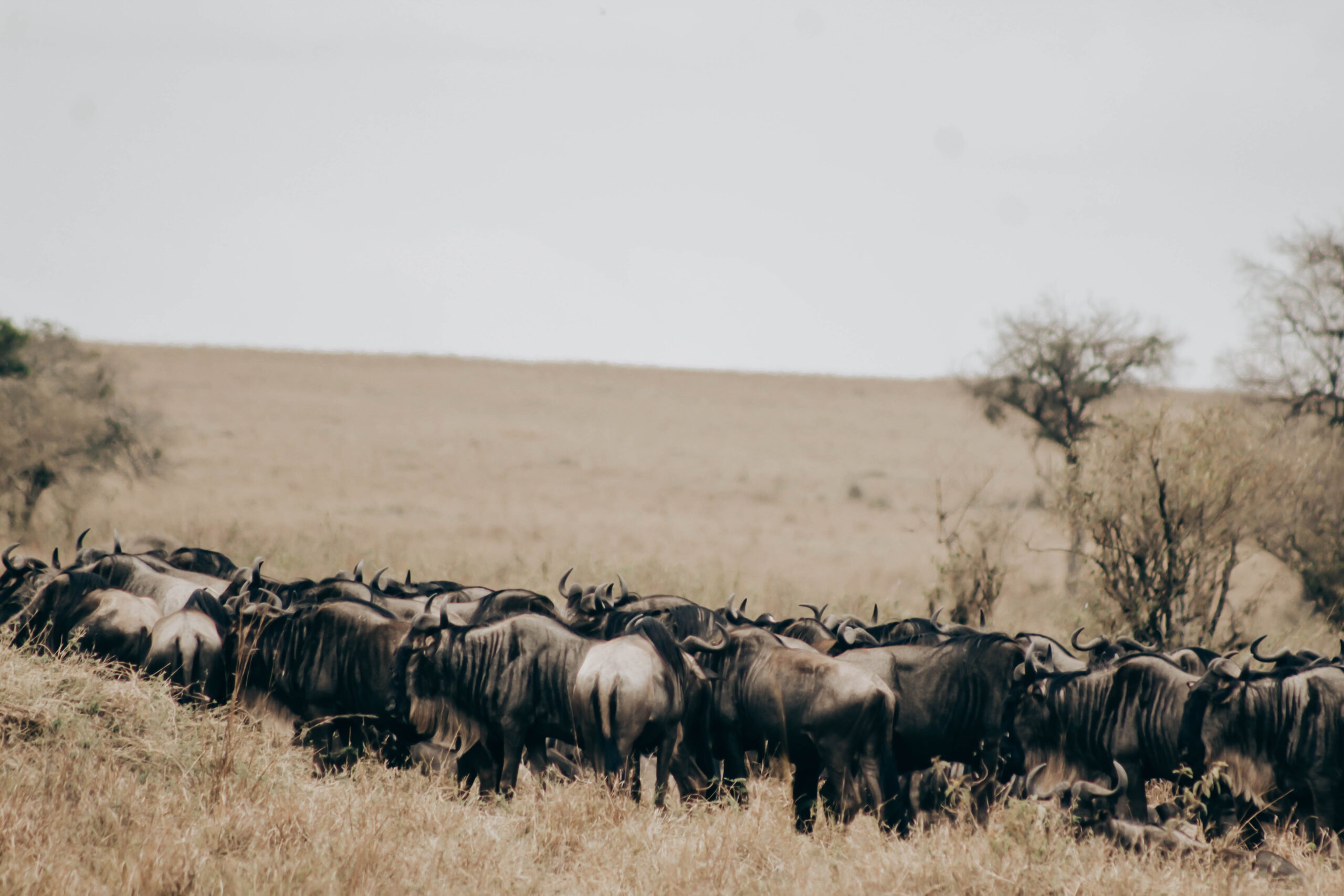
- June to October: The dry season. Animals congregate around water sources and grassy plains, making sightings easier. The famous Wildebeest Migration in the Maasai Mara peaks around July to October.
- December to March: Some migration movements continue, and it’s an excellent time for birdwatching and baby animals.
Best Months for Specific Activities
- Great Migration: July to October offers the most dramatic river crossings and predator activity.
- Gorilla Trekking: Although gorillas are found in Uganda and Rwanda, some travelers combine these with Mara safaris for an extended East African safari experience.
- Photographer’s Dream: The dry season provides clear skies, golden landscapes, and optimal lighting for photography.
When to Avoid
- April and May: The long rainy season. Roads may become muddy and impassable, and wildlife sightings can be more challenging. However, it is less crowded and more affordable.
Pro Tip
Consult local experts or tour operators for up-to-date insights on weather patterns and migration movements to plan your trip at the perfect time.
How to Choose the Right Safari Experience
Not all safaris are created equal. Selecting an experienced tour company can elevate your trip, ensuring safety, comfort, and authentic wildlife encounters.
Types of Safaris
- Game Drives: The most common, typically in open-sided 4×4 vehicles, offering close wildlife encounters.
- Balloon Safaris: Experience the landscape from above, especially breathtaking during sunrise.
- Walking Safaris: Get closer to nature on guided foot safaris, mainly in zones with low predator activity.
- Luxury Camps and Lodges: For comfort, privacy, and exquisite service.
Tips for Choosing a Tour Operator
- Verify their experience, reputation, and safety records.
- Look for eco-friendly and community-supporting operators.
- Seek packages that include permits, park fees, and hotel transfers.
- Read reviews from previous travelers.
Primate World Safaris specializes in tailor-made safaris focusing on active wildlife and primate encounters, including gorilla trekking in Uganda and Rwanda.
What to Pack for Your Safari
Packing appropriately can make all the difference in comfort and safety. Here’s a checklist:
Clothing
- Neutral-colored clothing (khaki, beige, olive) to blend into nature
- Lightweight long-sleeve shirts and trousers for sun and insect protection
- Warm layers for early mornings and evenings (fleece, jacket)
- Hat, sunglasses, and sunscreen
- Waterproof jacket or poncho during the rainy season
Gear and Equipment
- A camera with a zoom lens for wildlife photography
- Binoculars for distant animals
- Guided tour voucher, permits, and travel documents
- Personal first aid kit and medications
- Reusable water bottle, stay hydrated!
Other Essentials
- Insect repellent containing DEET
- Flashlight or headlamp
- Power bank and extra batteries
- Travel adapter compatible with local outlets
Wildlife and Bird Watching Tips
Serengeti and Maasai Mara are both renowned for their rich biodiversity. To maximize sightings:
- Stay patient: Wildlife can be elusive; patience is key.
- Listen and observe: Many animals communicate through sounds and movements.
- Follow your guide’s advice: Local guides are experts in animal behavior.
- Use binoculars and cameras wisely: Capture moments without disturbing wildlife.
- Visit waterholes and river crossings: These are hotspots for predator-prey interactions.
Gorilla Trekking and Combining Safari Experiences
Although gorilla trekking is primarily in Uganda and Rwanda, some travelers combine a gorilla experience with their Serengeti or Maasai Mara safari for a diverse adventure.
How to Incorporate Gorilla Trekking
- Uganda’s Bwindi Impenetrable Forest is famous for its mountain gorillas.
- Rwanda’s Volcanoes National Park: A smaller, more accessible option.
- Trekking Tips: Book permits early, wear sturdy footwear, and be prepared for a moderate hike through dense forest.
Combining with Big Five Safaris
A typical East African safari can blend these experiences. Spend days in the savannah watching lions and elephants, then head to the mountain forests for gorilla encounters.
Health and Safety Tips for a Smooth Trip
Traveling through remote wilderness areas requires precautions:
- Get necessary vaccinations: Yellow fever, typhoid, hepatitis, and others as recommended.
- Malaria prophylaxis: Essential in most safari regions.
- Travel insurance: Covers medical emergencies and trip cancellations.
- Stay hydrated and use insect repellent.
- Follow park rules and guidelines: For safety and conservation.
Responsible Tourism and Conservation
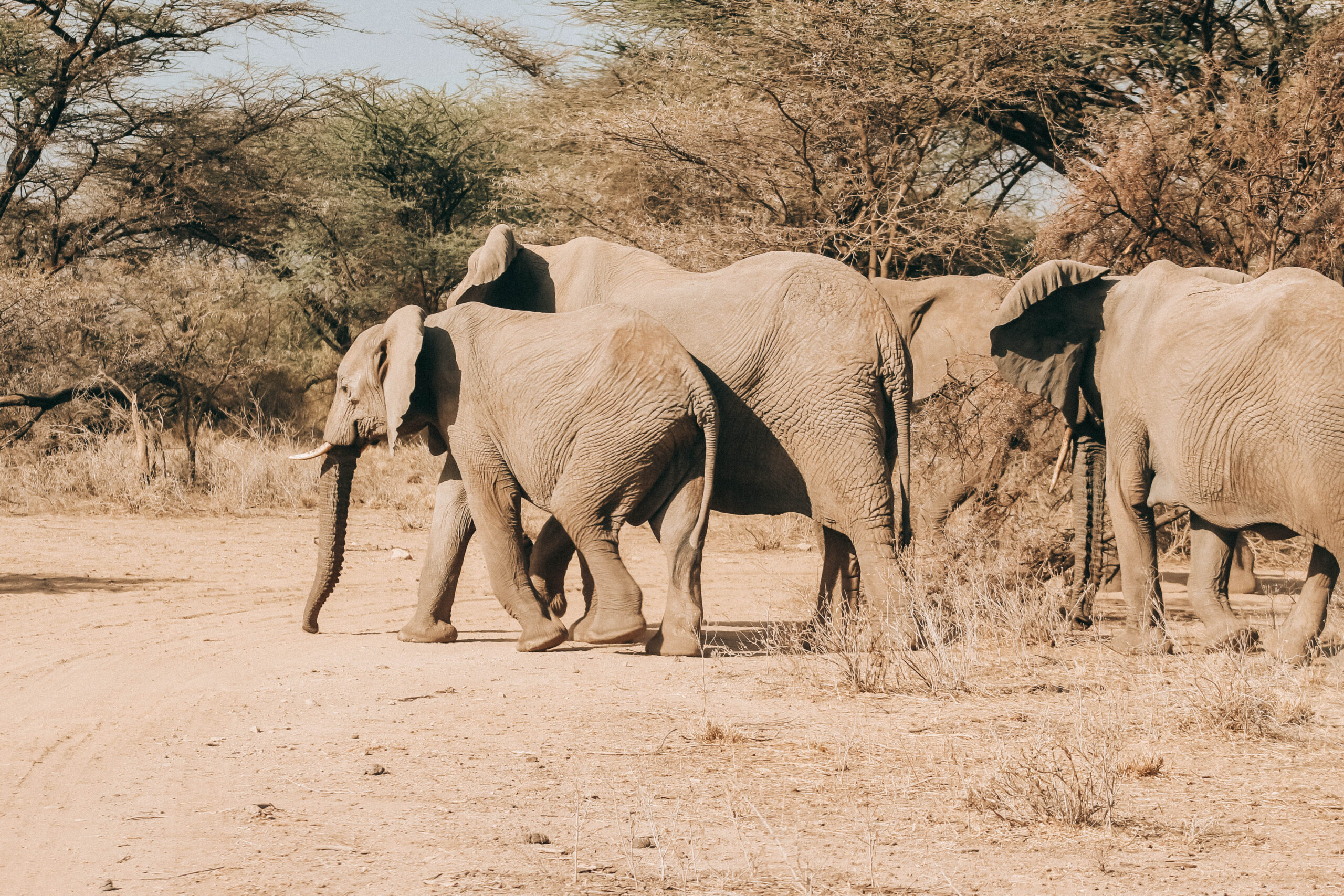
Practicing eco-friendly tourism helps preserve these precious ecosystems for future generations. Support local communities by choosing operators that give back and respect wildlife boundaries.
Ethical Safari Tips
- Avoid littering or disturbing animals.
- Stay on designated paths.
- Do not feed wildlife.
- Engage with community tourism projects.
Final Thoughts: Your Safari Awaits!
Traveling to the Serengeti or Maasai Mara is a bucket-list experience filled with adventure, wildlife encounters, and breathtaking landscapes. Apply these travel tips for visiting Serengeti or Masai Mara to ensure your trip is safe, comfortable, and truly unforgettable.
Like any adventure in the wild, preparation is key. From the best times to visit, what to pack, to wildlife viewing strategies, being well-informed will make your safari a success.
Are you ready to embark on your ultimate African safari? Contact Primate World Safaris today for expert advice, customized itineraries, and all the support you need to plan the trip of a lifetime. The wild awaits. Start your adventure now!